Who Needs Rehabilitation? Signs You May Benefit From Therapy

Rehabilitation can help people regain strength, movement, communication, and independence after injury, illness, surgery, or a decline in function. It is not only for severe disability; it may benefit anyone whose symptoms interfere with daily life, work, mobility, or self-care.
Overview: What Rehabilitation Means
Rehabilitation is a broad area of care that helps a person improve function after illness, injury, surgery, or a change in health. Its main goal is to support independence and quality of life. Depending on a person’s needs, rehabilitation may focus on movement, strength, balance, pain control, speaking, swallowing, memory, self-care, or return to work and social activities.
Many people think rehabilitation is only for those recovering from a major accident or a stroke. In reality, it can help at many stages of life and in many conditions. A person with persistent back pain, weakness after a hospital stay, reduced mobility after joint surgery, or difficulty using a hand after an injury may all benefit from therapy.
Rehabilitation often involves a team approach. This may include physical therapists, occupational therapists, speech and language therapists, rehabilitation physicians, nurses, psychologists, and other specialists. The type of therapy depends on the symptoms and the body systems affected.
Because recovery is different for every person, rehabilitation is usually tailored to individual goals. For one person, success may mean walking safely without help. For another, it may mean managing pain, dressing independently, swallowing safely, or returning to hobbies and family responsibilities.
Common Signs You May Benefit From Rehabilitation

A person may benefit from rehabilitation when everyday tasks become more difficult than they used to be. This can happen gradually or suddenly. Symptoms do not need to be severe to justify an evaluation. If a problem is limiting independence, safety, or comfort, therapy may be helpful.
Some of the most common signs include trouble walking, climbing stairs, getting in and out of bed, reaching overhead, lifting objects, or keeping balance. Other signs include ongoing joint stiffness, muscle weakness, reduced endurance, repeated falls, or pain that interferes with sleep or normal movement. These issues can appear after surgery, illness, injury, or prolonged inactivity.
Rehabilitation may also be useful when a person has difficulty with daily living activities such as dressing, bathing, cooking, writing, driving, or returning to work. In other cases, the main concern may be speech, memory, concentration, swallowing, or changes in hand coordination.
- Walking feels unsteady or slower than usual
- Falls or near-falls are becoming more common
- Pain limits movement or daily tasks
- Weakness continues after illness, surgery, or hospitalization
- Speech, swallowing, or hand use has changed
- Daily activities now require more effort or assistance
Who Often Needs Rehabilitation?

Rehabilitation is commonly recommended after events that clearly affect function, such as fractures, joint replacement, ligament injuries, spinal problems, and neurological illness. People recovering from stroke, traumatic brain injury, spinal cord injury, or major surgery often need structured therapy to regain skills safely and steadily.
It is also often helpful for people with chronic conditions. These may include arthritis, persistent back or neck pain, multiple sclerosis, Parkinson’s disease, heart or lung disease, cancer treatment-related weakness, and age-related loss of strength and balance. Rehabilitation may not cure the underlying condition, but it can improve how a person moves and manages daily life.
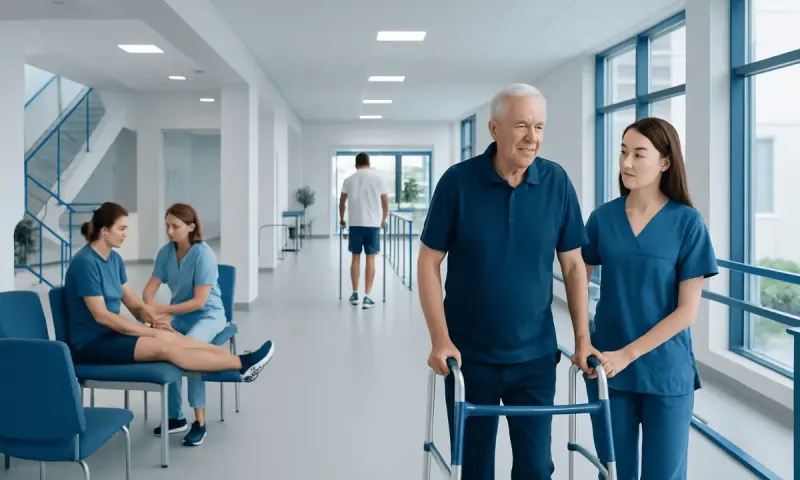
Children and older adults may both benefit from rehabilitation, although their goals differ. In children, therapy may support development, coordination, or recovery after injury. In older adults, the focus may be fall prevention, safe mobility, energy conservation, and maintaining independence at home.
Sometimes the need becomes clear after a long hospital stay. Even when the original illness has improved, a person may feel weaker, less mobile, or less confident than before. In these situations, rehabilitation can be an important step between medical treatment and full return to everyday life.
Types of Therapy and How They Help
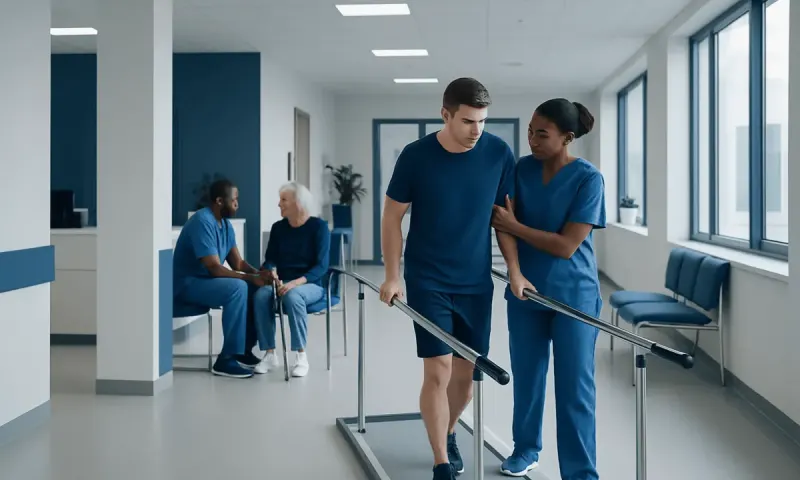
Physical therapy focuses on movement, strength, flexibility, posture, balance, and pain-related limitations. It is often used after injuries, operations, sports problems, and neurological conditions. A physical therapist may guide exercises, walking practice, stretching, and functional training based on the person’s goals. In some cases, recovery may include physical therapy and rehabilitation as part of a broader plan.
Occupational therapy helps people manage daily activities more safely and independently. This can include dressing, bathing, writing, preparing meals, using the hands, or returning to work. Occupational therapists may also recommend adaptive techniques, splints, or simple changes at home to make tasks easier and safer.
Speech and language therapy is not only for speaking problems. It can also help with understanding language, voice, communication after neurological illness, memory strategies, and swallowing difficulties. This can be especially important after stroke, head injury, or disorders that affect the nervous system. For patients who need help with communication or swallowing, speech and language therapy may be part of the rehabilitation process.
Some people need additional support such as pain management, neurorehabilitation, cardiac rehabilitation, pulmonary rehabilitation, or psychological support. A multidisciplinary program can be especially useful when symptoms affect more than one area of daily life. In selected cases, neurological rehabilitation may help patients recovering from conditions that affect the brain, spinal cord, or nerves.
How Doctors Assess the Need for Rehabilitation
An assessment usually begins with a medical history and discussion of symptoms, goals, and daily challenges. The clinician may ask when the problem started, what makes it better or worse, and how it affects walking, self-care, work, sleep, or communication. This helps the team understand both the medical issue and its practical impact.
A physical examination may include checks of strength, range of motion, balance, coordination, sensation, posture, endurance, and gait. If speech, swallowing, memory, or hand function is affected, those areas may be assessed in more detail by the appropriate therapist. Standardized functional tests may also be used to track progress over time.
In some cases, imaging or other tests are needed to understand the cause of symptoms. A rehabilitation plan often works alongside treatment from other specialties, especially when there is a recent injury, a chronic neurological condition, or recovery after surgery. For example, someone recovering from Parkinson’s disease may need ongoing reassessment as symptoms change.
The result of the assessment is usually a personalized plan with realistic goals. These goals may be short-term, such as standing safely or reducing pain during movement, and long-term, such as returning to work, traveling independently, or improving overall endurance.
Treatment Options and What Rehabilitation Involves
Rehabilitation plans are individualized. Treatment may include guided exercise, balance training, gait training, stretching, manual techniques, task-specific practice, speech exercises, swallowing strategies, or energy-conservation methods. Education is an important part of care, because understanding the condition and learning safe movement patterns can support better progress.
Some people attend outpatient sessions a few times each week, while others need inpatient or home-based rehabilitation depending on their health status and level of independence. The intensity and length of therapy vary widely. Progress may be steady but gradual, especially when there is chronic pain, neurological disease, or recovery from major surgery.
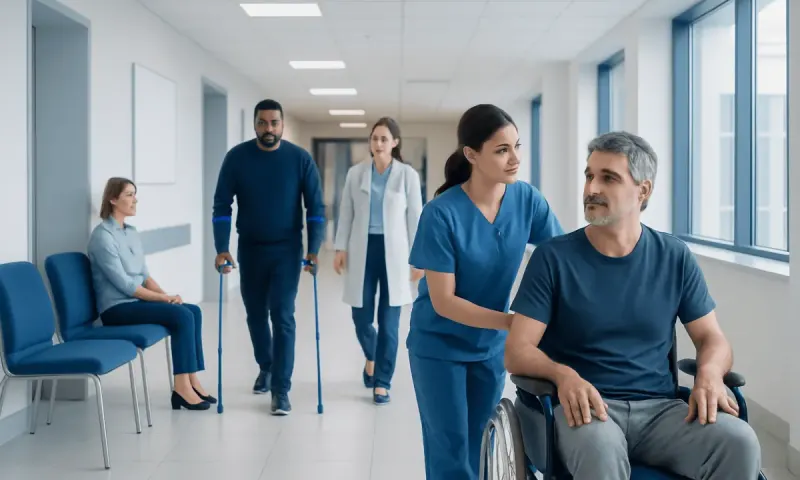
Assistive devices can also play a role. These may include canes, walkers, braces, splints, adaptive utensils, or home safety equipment. Used correctly, these tools can improve confidence and reduce the risk of falls or overuse injuries while recovery continues.
Near the end of treatment, the team may focus on long-term self-management. This often includes a home exercise program, strategies to prevent setbacks, and plans for resuming work, driving, sport, or caregiving responsibilities. Acıbadem Health Point’s multidisciplinary specialists in JCI-accredited hospitals also assess and treat rehabilitation needs for international patients when coordinated specialist care is required.
Self-care, Prevention, and Getting the Most From Therapy
Rehabilitation works best when therapy sessions are combined with regular self-care at home. Following the recommended exercises, pacing activity, using walking aids properly, and protecting healing tissues can all support progress. Improvement is often linked to consistency rather than intensity alone.
Good sleep, balanced nutrition, hydration, and gradual return to activity can help recovery after illness or surgery. For people with chronic conditions, learning how to manage fatigue, pain flares, and stress can be just as important as strengthening exercises. Family support may also make it easier to keep up with routines and appointments.
Prevention is another important part of rehabilitation. Therapists can teach safer body mechanics, fall-prevention strategies, joint protection, and workplace or home modifications. These measures may help lower the chance of another injury or functional decline.
It is helpful for patients to speak up about their goals and concerns. Whether the aim is walking outdoors, carrying a child, speaking clearly, or using a computer without pain, therapy can be adjusted more effectively when goals are clear and realistic.
When to See a Doctor or Ask for a Rehabilitation Referral
A person should consider medical advice if pain, weakness, stiffness, balance problems, or communication changes persist beyond a short recovery period or interfere with normal life. Sudden loss of movement, numbness, facial drooping, severe dizziness, chest symptoms, or sudden trouble speaking are urgent warning signs and need immediate medical evaluation.
It is also reasonable to ask about rehabilitation after surgery, a fracture, a hospital admission, or a diagnosis that affects the brain, nerves, joints, lungs, or heart. Some people are not referred automatically, even though therapy could help them recover function more fully. Asking early can be useful, especially if confidence or independence has declined.
Family members often notice signs first. They may see that a loved one is walking less, avoiding stairs, taking longer to dress, forgetting steps in routine tasks, or seeming unsafe at home. These observations can be valuable and should be shared with a clinician.
Early support does not always mean long-term treatment. In many cases, a timely evaluation, a short therapy program, and a clear home plan are enough to improve safety, mobility, and confidence before problems become more limiting.
Frequently asked questions
01Is rehabilitation only for people after a major injury or stroke?
No. Rehabilitation can also help people with chronic pain, arthritis, weakness after illness, balance problems, or difficulty with daily tasks. It is often useful whenever function, safety, or independence has changed.
02What is the difference between physical therapy and occupational therapy?
Physical therapy mainly focuses on movement, strength, mobility, balance, and pain-related limitations. Occupational therapy focuses more on daily activities such as dressing, bathing, hand use, home tasks, and returning to work or school.
03How do I know if my symptoms are serious enough for therapy?
A simple rule is to consider therapy when symptoms interfere with daily life, work, mobility, or self-care. If walking, dressing, speaking, swallowing, or using the hands has become harder, an assessment may be worthwhile.
04Can rehabilitation help with chronic conditions, not just short-term recovery?
Yes. Many people use rehabilitation to manage long-term conditions such as arthritis, Parkinson’s disease, multiple sclerosis, or persistent back pain. The aim is often to improve function, reduce complications, and support independence over time.
05How long does rehabilitation usually take?
The length of treatment varies depending on the condition, the severity of symptoms, and the person’s goals. Some people need only a few sessions and a home program, while others benefit from longer, more structured rehabilitation.
06Do older adults benefit from rehabilitation even if they are not recovering from surgery?
Yes. Older adults may benefit from therapy for balance, fall prevention, joint stiffness, reduced endurance, or loss of confidence with walking. Rehabilitation can help maintain independence and make everyday activities safer.
This article is for general information only and is not a substitute for professional medical advice. Please consult a qualified doctor about your individual situation.
Joint and spine care in Turkey — expert assessment & treatment
JCI-accredited · board-certified surgeons · reply within 24h
Add us as a Preferred Source to see more of our trusted health content across Google Search, AI Overviews and Discover.