Rehabilitation Therapy: How It Works and What to Expect

Rehabilitation therapy helps people recover function, independence, and quality of life after illness, injury, or surgery. It is usually tailored to each person’s goals and may include physical, occupational, speech, and psychological support.
Overview: What rehabilitation therapy is
Rehabilitation therapy is a broad term for treatments that help a person recover or improve physical, cognitive, communication, and daily living abilities after illness, injury, surgery, or a long-term health condition. The main goal is not only healing, but also helping the person function as independently and comfortably as possible in everyday life.
Rehabilitation can support people of all ages. Some need it after a stroke, fracture, joint replacement, spinal problem, traumatic injury, or major surgery. Others may benefit from it for chronic pain, neurological disorders, heart or lung disease, cancer recovery, or age-related weakness. In many cases, rehabilitation starts soon after the acute medical problem is stabilized.
This type of care is usually provided by a team. Depending on the person’s needs, that team may include rehabilitation physicians, physical therapists, occupational therapists, speech and language therapists, psychologists, nurses, and social workers. Each professional focuses on a different part of recovery, while the overall plan is coordinated around the patient’s goals.
Rehabilitation therapy is not a single treatment with the same timeline for everyone. It is a structured process that changes over time. A person may begin with basic mobility or pain control, then progress to balance training, self-care skills, communication exercises, endurance building, or work-related activities as strength and confidence improve.
Who may benefit from rehabilitation therapy

Rehabilitation therapy may be recommended when a health condition affects movement, speech, memory, swallowing, breathing, self-care, or the ability to work and take part in normal routines. It is commonly used after injuries and operations, but it is also valuable for long-term conditions that need ongoing support.
Examples include recovery after orthopedic procedures, sports injuries, stroke, brain injury, spinal cord problems, multiple sclerosis, Parkinson’s disease, chronic back or neck pain, and hand injuries. Rehabilitation is also an important part of care after major illness, prolonged hospitalization, or intensive care, when muscles can become weak and everyday tasks suddenly feel difficult.
Some people need short-term therapy focused on one issue, such as shoulder movement after surgery. Others need a longer, broader program that addresses walking, balance, speech, memory, and home safety at the same time. The level of support depends on how much the condition has affected daily life.
Rehabilitation may also be helpful when the aim is adaptation rather than full recovery. For example, if symptoms are likely to continue, therapy can still help by reducing pain, teaching safer movement, recommending assistive devices, and improving confidence. In this way, rehabilitation supports both recovery and long-term quality of life.
Types of rehabilitation and how they work

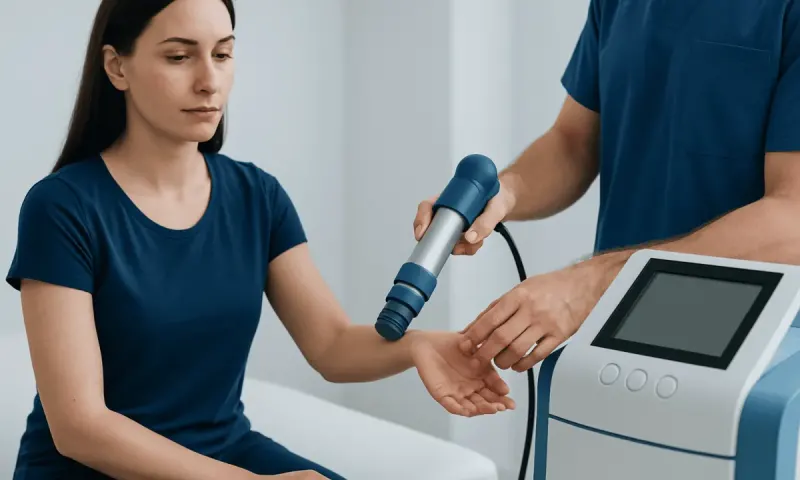
Rehabilitation therapy often combines several approaches. Physical therapy focuses on movement, strength, balance, posture, flexibility, endurance, and pain management. It may include guided exercises, gait training, manual techniques, and education on how to move safely. This can be especially useful after injuries, surgery, or conditions affecting the bones, joints, muscles, or nervous system.
Occupational therapy helps people manage daily activities such as dressing, bathing, cooking, writing, working, and using the hands safely and effectively. The therapist may suggest exercises, practical strategies, splints, or home adjustments to make life easier and reduce strain. This is particularly important when fine motor skills, coordination, or energy levels are affected.
Speech and language therapy supports communication, speech clarity, language understanding, voice, and sometimes swallowing. It is commonly used after stroke, neurological disease, head injury, or surgery that affects speech or swallowing. Cognitive rehabilitation may also be included for attention, memory, problem-solving, and other thinking skills.
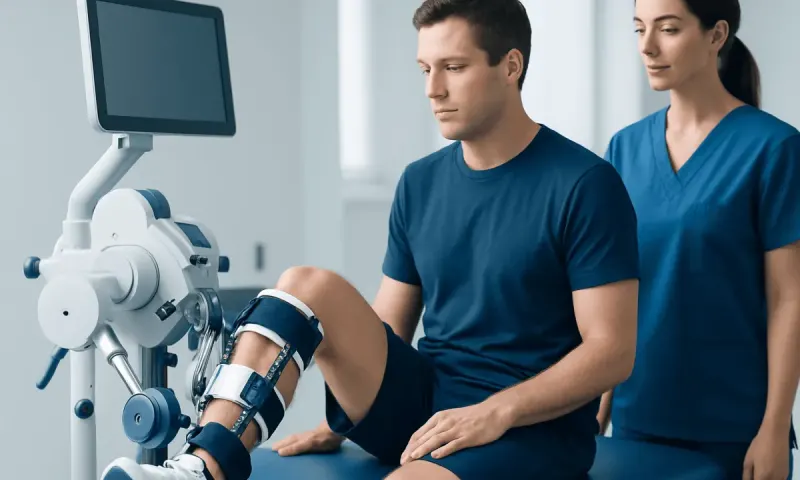
Some rehabilitation plans include respiratory therapy, cardiac rehabilitation, pain management, psychological support, or specialized programs such as stroke rehabilitation and recovery after spinal cord injury. Depending on the person’s needs, rehabilitation may also involve assistive devices, braces, wheelchairs, or supervised exercise programs linked to physical therapy and rehabilitation.
Assessment and diagnosis before starting rehabilitation
Before rehabilitation begins, the care team usually performs a detailed assessment. This starts with understanding the person’s medical history, diagnosis, symptoms, current physical abilities, and personal goals. For example, one person may want to return to work, while another may simply want to walk safely at home or manage stairs without help.
The assessment may include testing strength, joint movement, balance, walking, hand function, pain levels, speech, swallowing, memory, mood, and the ability to carry out daily tasks. In some cases, doctors also review imaging, nerve studies, surgical reports, or other medical results to better understand what is limiting function.
This evaluation helps the team identify both the main problem and the factors that may slow recovery. These can include fatigue, poor balance, stiffness, fear of movement, depression, poor sleep, or an unsafe home environment. Understanding these details makes it easier to create a realistic treatment plan.
Clear goal setting is an important part of diagnosis and planning. Goals are usually practical and measurable, such as walking a certain distance, improving hand use, swallowing more safely, or managing personal care independently. A personalized plan may also be coordinated with neurological rehabilitation or orthopedic rehabilitation when a person has specialized recovery needs.
What to expect during treatment
Rehabilitation therapy usually begins with a plan tailored to the person’s condition, safety needs, and goals. Sessions may take place in an inpatient rehabilitation unit, outpatient clinic, day program, specialized center, or at home. The setting depends on how much support is needed and whether the person is medically stable.
During therapy, patients are guided through specific activities and exercises chosen to improve function over time. These may include stretching, strengthening, walking practice, balance tasks, fine motor training, communication exercises, breathing work, or strategies to manage daily routines. Education is a key part of treatment, so patients and families understand what to practice and what changes to expect.
Progress is often gradual rather than immediate. Some days may feel easier than others, especially when pain, fatigue, or frustration are present. For many people, regular attendance and steady practice are more important than pushing too hard. The care team usually adjusts the program as the patient improves or if a certain approach is not working well.
Family involvement can be very helpful, especially when a person needs support at home. Caregivers may be taught safe transfer techniques, communication methods, exercises, or ways to encourage independence without increasing risk. Rehabilitation works best when it becomes part of everyday life, not only something done during formal appointments.
Recovery timeline, benefits, and possible challenges
The time needed for rehabilitation varies widely. Some people benefit from a few weeks of focused therapy, while others need several months or longer. Recovery depends on many factors, including the original condition, its severity, age, overall health, pain levels, motivation, and how soon rehabilitation begins.
Benefits may include improved strength, mobility, endurance, balance, speech, confidence, and ability to do everyday tasks. Rehabilitation can also reduce complications such as falls, joint stiffness, muscle wasting, pressure injuries, or loss of independence. Even when full recovery is not possible, small functional gains can make a meaningful difference in comfort and daily life.
Challenges are common and do not necessarily mean that treatment is failing. Pain, fatigue, emotional stress, transportation problems, or setbacks related to the underlying illness can interrupt progress. Sometimes the person improves in one area, such as strength, before improvement is noticeable in another, such as coordination or speed.
Open communication with the care team is important throughout the process. If exercises feel too difficult, symptoms change, or goals need to be updated, the plan can often be adjusted. A supportive, realistic approach helps patients stay engaged and recognize progress over time, even when recovery feels slow.
Self-care, safety, and long-term support
Rehabilitation does not end when a formal program becomes less frequent. Long-term progress often depends on continuing home exercises, staying physically active within safe limits, and using the strategies learned in therapy. Good sleep, balanced nutrition, stress management, and regular medical follow-up can also support recovery.
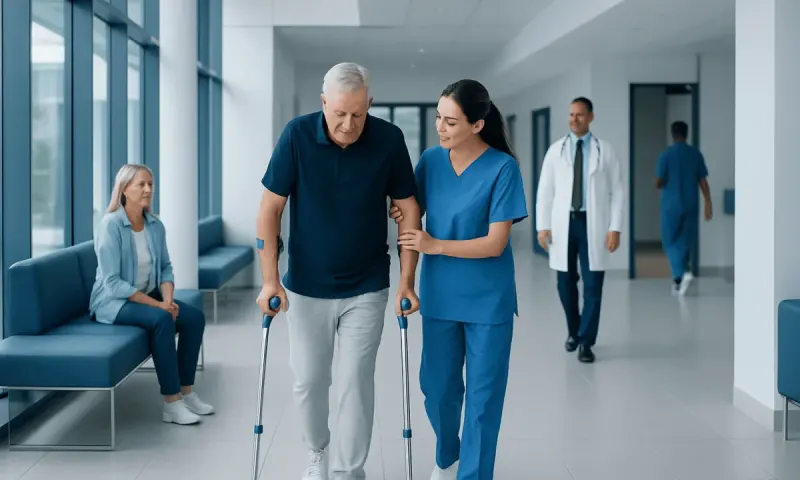
Safety is especially important for people with weakness, dizziness, poor balance, or memory problems. Therapists may recommend removing trip hazards, adding handrails, using supportive footwear, or learning safer ways to transfer, bathe, and climb stairs. Assistive devices should be used as advised, because they can reduce falls and conserve energy.
It can also help to track symptoms and progress. Keeping notes on pain, fatigue, walking distance, or daily task performance may show improvements that are easy to overlook. If progress stalls, new symptoms appear, or function declines, the person should speak with a qualified doctor or therapist rather than simply stopping the program.
For people seeking coordinated care across specialties, Acıbadem Health Point’s multidisciplinary specialists and JCI-accredited hospitals provide diagnosis and rehabilitation treatment for international patients. Ongoing support may be especially useful after complex conditions, surgery, or prolonged hospitalization.
When to seek medical advice
A doctor should be consulted if pain, weakness, balance problems, speech changes, swallowing difficulty, or loss of function continues after an injury, surgery, or illness. Early evaluation can help identify whether rehabilitation therapy may improve recovery and reduce complications. It is also sensible to seek help if a person is avoiding activities because of fear, pain, or reduced confidence.
Urgent medical attention is needed if there are sudden symptoms such as new paralysis, facial drooping, severe shortness of breath, chest pain, confusion, loss of consciousness, or a sudden inability to speak or swallow. These symptoms may point to a serious medical problem rather than a routine rehabilitation issue.
People already in therapy should tell their care team about worsening pain, falls, increasing fatigue, skin problems from braces or devices, or emotional distress that interferes with treatment. These concerns are common and often manageable, but they should not be ignored. Adjusting the plan early can make treatment safer and more effective.
Rehabilitation is most helpful when it is started for the right reasons and guided by trained professionals. A personalized medical assessment can clarify the cause of symptoms, identify realistic goals, and match the person with the type of therapy most likely to help.
Frequently asked questions
01What is rehabilitation therapy used for?
Rehabilitation therapy is used to help people regain or improve function after illness, injury, surgery, or a chronic condition. It can support movement, strength, communication, swallowing, memory, and daily living skills.
02How long does rehabilitation therapy usually last?
The length of rehabilitation depends on the person’s condition, goals, and progress. Some people need only a few weeks, while others benefit from several months of structured therapy and home practice.
03Is rehabilitation therapy only for people after surgery?
No. Rehabilitation is also commonly used after stroke, injury, neurological illness, prolonged hospitalization, chronic pain, or progressive conditions that affect independence. It can be helpful whenever function has been reduced.
04What happens at the first rehabilitation appointment?
The first appointment usually includes an assessment of symptoms, physical abilities, medical history, and personal goals. The therapist or doctor then explains a treatment plan tailored to the person’s needs and safety.
05Can rehabilitation therapy be done at home?
Yes, in some cases rehabilitation can be provided at home, and home exercises are often part of treatment even when clinic visits are scheduled. The best setting depends on the person’s medical condition, mobility, and level of support needed.
06Does rehabilitation therapy hurt?
Some exercises may cause temporary discomfort, especially early in recovery, but therapy should generally be safe and manageable. Patients should tell their therapist if pain is strong, persistent, or getting worse so the plan can be adjusted.
This article is for general information only and is not a substitute for professional medical advice. Please consult a qualified doctor about your individual situation.
Joint and spine care in Turkey — expert assessment & treatment
JCI-accredited · board-certified surgeons · reply within 24h
Add us as a Preferred Source to see more of our trusted health content across Google Search, AI Overviews and Discover.