Inpatient vs Outpatient Addiction Treatment: How to Choose the Right Level of Care

Inpatient and outpatient addiction treatment can both be effective, but they serve different needs. The best choice depends on the severity of substance use, withdrawal risk, mental and physical health, home support, and the person’s ability to participate safely in care.
Overview: What Inpatient and Outpatient Treatment Mean
When people compare inpatient vs outpatient addiction treatment, they are usually trying to understand how much structure, supervision, and daily support is needed for recovery. Both approaches are used to treat substance use disorders, and both can be valuable when matched to the right person at the right time. The goal is not to choose the “better” option in general, but to choose the safest and most effective level of care for the individual.
Inpatient treatment means staying at a hospital or residential rehabilitation facility for a period of time. During this stay, the person receives round-the-clock support, a structured daily schedule, and close monitoring for withdrawal symptoms, cravings, mental health concerns, and medical complications. This setting removes the person from everyday triggers and may help create a focused environment for early recovery.
Outpatient treatment means living at home and attending treatment sessions on a scheduled basis. Depending on the program, this may include medical visits, individual counseling, group therapy, family sessions, and medication management. Outpatient care can range from relatively low-intensity weekly therapy to more structured programs that meet several days a week for many hours at a time.
Addiction is a medical condition rather than a lack of willpower. Because it affects brain function, behavior, physical health, and relationships, treatment often works best when it is personalized and comprehensive. Some people begin with inpatient care and later step down to outpatient follow-up, while others can start safely in outpatient care from the beginning.
Who May Benefit Most From Inpatient Treatment
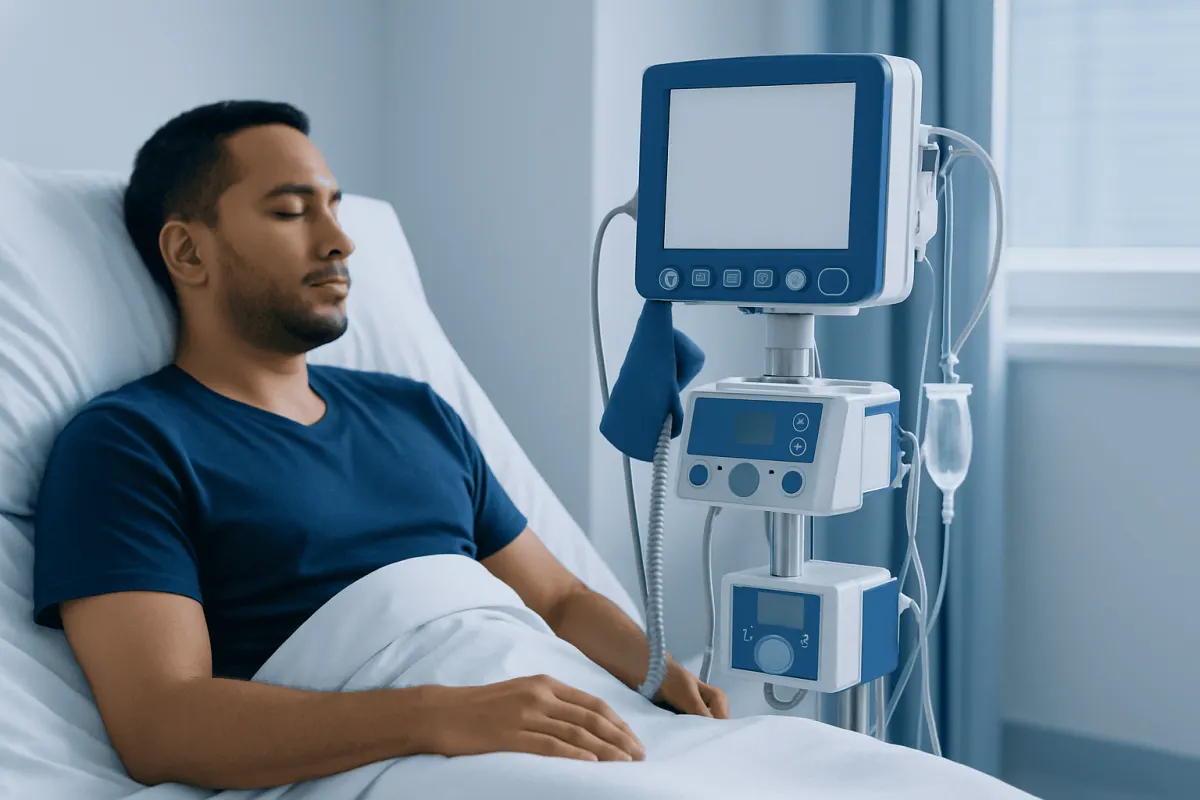
Inpatient treatment is often recommended when a person needs close supervision or a highly structured setting. This may be the case if substance use is severe, if previous attempts to stop have led to rapid relapse, or if the person is at risk of dangerous withdrawal. Alcohol, benzodiazepines, and some other substances can cause serious withdrawal complications in certain situations, so medical evaluation is especially important before stopping suddenly.
This level of care may also be helpful when addiction occurs together with other medical or psychiatric conditions. For example, a person with depression, anxiety, trauma-related symptoms, suicidal thoughts, seizures, liver disease, or unstable medication needs may benefit from being monitored in one setting. Inpatient care can support both stabilization and the start of longer-term treatment planning.
Home environment matters as well. If a person lives in a place where substances are easily available, where conflict or violence is present, or where there is little support for recovery, outpatient care may be harder to sustain. Inpatient treatment creates distance from these triggers and may help the person build coping skills before returning home.
- Common reasons to consider inpatient care include severe substance use, repeated relapse, high-risk withdrawal, coexisting mental health concerns, or an unsafe or unsupportive home environment.
- It may also be considered when daily functioning is significantly impaired, such as difficulty maintaining hygiene, nutrition, sleep, or basic responsibilities.
- Inpatient treatment can begin with medically supervised withdrawal management when needed, followed by therapy and rehabilitation planning.
Who May Benefit Most From Outpatient Treatment

Outpatient treatment may be a good option for people with mild to moderate substance use problems, lower withdrawal risk, and a stable living situation. It allows the person to continue many parts of daily life, such as work, school, caregiving, and family responsibilities, while receiving organized treatment. For many people, this flexibility makes it easier to begin care without a long interruption to normal routines.
Outpatient programs vary in intensity. Standard outpatient care may involve weekly or twice-weekly appointments, while intensive outpatient programs and day programs provide more frequent therapy, education, and monitoring. This range allows clinicians to tailor care to the person’s symptoms, relapse risk, and progress over time.
Success in outpatient care often depends on reliability and support. The person usually needs to attend appointments consistently, take prescribed medications correctly if used, and follow a relapse-prevention plan outside the clinic. Family members or trusted friends can be helpful when they understand recovery goals and encourage treatment attendance without judgment.
Outpatient treatment can also be an important next step after inpatient rehabilitation. After a period of stabilization, ongoing counseling, group support, and medical follow-up help the person practice recovery skills in real life. This step-down approach can strengthen long-term progress and reduce the sense of abrupt transition after residential care ends.
How Doctors Decide the Right Level of Care
Choosing between inpatient and outpatient addiction treatment usually starts with a comprehensive assessment. A qualified clinician reviews the substances used, how often they are used, how long the pattern has been present, and whether the person has developed tolerance, cravings, or withdrawal symptoms. The evaluation also looks at medical history, psychiatric symptoms, past overdoses, previous treatment attempts, and the person’s immediate safety.
Withdrawal risk is one of the most important factors. Some withdrawals are mainly uncomfortable, while others can become dangerous without monitoring. Doctors also assess whether the person can stop using in a home setting or whether intense cravings and environmental triggers make this unlikely. If there is concern for medical instability or self-harm, a more supervised setting is usually preferred.
Functional needs are considered too. A person who can attend appointments, communicate openly, and maintain a safe routine may do well in outpatient care. Someone who is missing work or school, neglecting nutrition or sleep, experiencing severe emotional distress, or unable to avoid substances may need inpatient support first.
Assessment is not a one-time decision. Recovery needs can change, and treatment plans often change with them. A person may move from inpatient to outpatient care as symptoms improve, or from outpatient to inpatient care if relapse, withdrawal, or mental health concerns become more serious. This flexibility is a normal part of individualized addiction treatment.
What Treatment Usually Includes in Both Settings
Whether treatment is inpatient or outpatient, effective addiction care usually involves more than simply stopping substance use. Most programs combine several forms of support to address the physical, psychological, and social aspects of addiction. This often begins with withdrawal management, followed by therapy, education, and planning for long-term recovery.
Behavioral therapies are a central part of care. These may help the person recognize triggers, develop healthier coping strategies, manage cravings, rebuild routines, and improve communication. Family involvement can also be useful when relationships have been affected by addiction and when loved ones need guidance on how to support recovery in a constructive way.
For some substance use disorders, medication may be recommended as part of treatment. Medication-assisted approaches can reduce cravings, ease withdrawal, or help lower relapse risk when prescribed and monitored by experienced clinicians. Mental health treatment is equally important when conditions such as anxiety, depression, trauma-related symptoms, or bipolar disorder are present alongside substance use.
Some people may also need treatment for complications related to long-term substance use, including sleep problems, nutritional issues, liver disease, or nerve-related symptoms. A multidisciplinary team can help coordinate care when addiction overlaps with other medical concerns. In some cases, doctors may arrange rehabilitation support, psychiatric care, or psychological counseling as part of a broader treatment plan.
Practical Factors to Consider Before Choosing
In addition to medical needs, practical issues often shape the treatment decision. Inpatient care requires a temporary pause from normal routines, which may affect work, school, or caregiving duties. Outpatient care may be easier to fit into daily life, but it also asks the person to manage triggers and responsibilities while actively working on recovery.
Transportation, distance from the treatment center, language support, and insurance or financial planning may all influence what is realistic. Privacy concerns are also common. Some people feel more protected in a residential setting, while others prefer the discretion and independence of outpatient appointments. These concerns are valid and should be discussed openly with the treatment team.
Family and social support can make a meaningful difference. If loved ones understand the recovery plan and help create a substance-free environment, outpatient treatment may be more successful. If home life is chaotic, unsafe, or closely tied to substance use, inpatient care may provide a more stable starting point.
It can help to ask practical questions before enrolling in any program. People may want to know how often medical staff are available, whether dual diagnosis care is offered, how family therapy works, what happens after discharge, and how emergencies are handled. A clear treatment plan should explain not only the current level of care, but also the next step after it.
Recovery After Treatment: Relapse Prevention and Ongoing Care
Addiction treatment does not end the moment a person leaves a residential program or completes an outpatient schedule. Recovery is an ongoing process, and continuing care is often one of the strongest ways to protect progress. Follow-up appointments, therapy, peer support groups, medication management when appropriate, and regular check-ins can help identify problems early and reinforce healthy routines.
Relapse does not mean failure, but it does signal that the treatment plan may need adjustment. Many people need more than one episode of care over time, just as with other chronic health conditions. If substance use returns, the focus should be on safety, prompt reassessment, and understanding what triggered the setback rather than responding with shame or blame.
Daily self-care is part of recovery as well. Regular sleep, balanced meals, physical activity, stress management, and avoiding high-risk situations can all support healing. Families may also benefit from education, boundaries, and counseling so they can support recovery while taking care of their own well-being.
For international patients or those seeking coordinated specialist care, Acıbadem Health Point’s multidisciplinary teams in JCI-accredited hospitals diagnose and treat addiction-related conditions with individualized planning. When addiction is linked with other health concerns, clinicians may also evaluate related problems such as depression or anxiety disorders as part of integrated care.
When to Seek Urgent Help
Professional help should be sought promptly when substance use is causing health, safety, or relationship problems, even if the person is unsure which type of treatment is needed. A doctor or addiction specialist can assess whether inpatient or outpatient care is most appropriate and whether detoxification should be medically supervised. Early evaluation often makes treatment planning safer and less overwhelming.
Urgent medical attention is especially important if there are signs of overdose, confusion, seizures, hallucinations, severe agitation, chest pain, difficulty breathing, fainting, suicidal thoughts, or violent behavior. These symptoms should not be managed at home. Emergency services should be contacted immediately in such situations.
It is also wise to seek help when a person cannot reduce or stop using despite repeated attempts, continues using despite serious consequences, or begins using substances in riskier ways. Loved ones often notice changes first, such as mood shifts, secrecy, neglect of responsibilities, or social withdrawal. Gentle, nonjudgmental encouragement to seek care can be an important first step.
The most suitable treatment pathway is the one that keeps the person safe and engaged in recovery. For some, that means starting with inpatient support; for others, outpatient care provides enough structure to begin healing. A professional assessment can bring clarity and help the person move forward with a plan that matches their real needs.
Frequently asked questions
01Is inpatient addiction treatment always better than outpatient treatment?
No. Inpatient treatment is not automatically better for everyone; it is simply more intensive and supervised. The best option depends on withdrawal risk, severity of substance use, mental and physical health, home environment, and the ability to participate safely in treatment.
02How long does inpatient addiction treatment usually last?
The length of inpatient treatment varies based on medical needs, the substance involved, withdrawal severity, and recovery progress. Some people need a short medically supervised stay, while others benefit from a longer residential rehabilitation period followed by outpatient care.
03Can a person work or go to school during outpatient treatment?
Often, yes. One advantage of outpatient treatment is that it allows many people to continue work, school, or family responsibilities while attending scheduled therapy and medical appointments. However, the schedule can still be intensive, especially in higher-level outpatient programs.
04What if a person starts outpatient treatment and it is not enough?
Treatment plans can be adjusted. If cravings, relapse, withdrawal symptoms, safety concerns, or mental health symptoms become harder to manage, the care team may recommend moving to a more intensive setting such as inpatient treatment.
05Does addiction treatment include care for anxiety or depression too?
It should when those conditions are present. Many people with substance use disorders also have depression, anxiety, trauma-related symptoms, or other mental health concerns, and treating both together often improves outcomes.
06Is detox the same as addiction treatment?
No. Detox, or withdrawal management, is only the first stage for some people and focuses on safety while substances leave the body. Long-term recovery usually also requires therapy, relapse-prevention planning, support for mental health, and follow-up care.
This article is for general information only and is not a substitute for professional medical advice. Please consult a qualified doctor about your individual situation.
Explore treatments in Turkey — costs, top hospitals & a free quote
JCI-accredited · board-certified surgeons · reply within 24h
Add us as a Preferred Source to see more of our trusted health content across Google Search, AI Overviews and Discover.