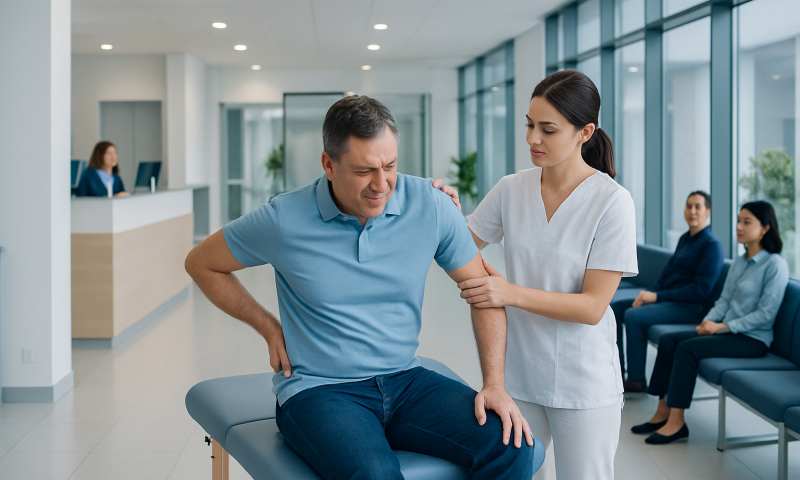
Who Is a Good Candidate for Rehabilitation Therapy?
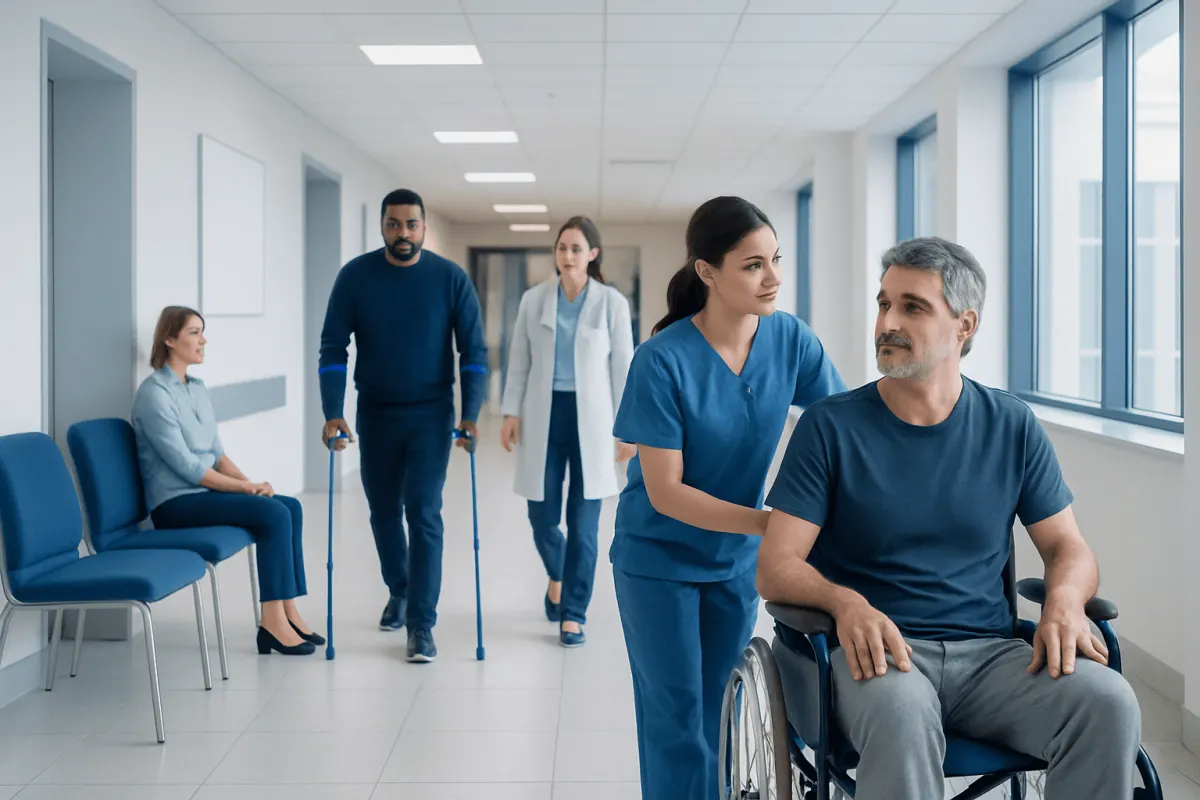
Rehabilitation therapy can benefit people whose health condition affects movement, communication, daily activities, strength, balance, or independence. A good candidate is usually someone with clear functional goals and the ability to participate in a personalized recovery plan.
Overview: What rehabilitation therapy is and who it helps
Rehabilitation therapy is a broad term for treatments that help a person improve function, reduce disability, and regain as much independence as possible after an illness, injury, surgery, or ongoing medical condition. It may focus on walking, balance, strength, self-care, communication, swallowing, memory, pain control, or adapting to physical changes. The exact plan depends on the person’s symptoms, goals, and overall health.
A good candidate for rehabilitation therapy is not defined by age alone or by having a single diagnosis. Instead, it is usually someone whose condition makes everyday activities harder than they used to be. This can include getting dressed, bathing, climbing stairs, returning to work, speaking clearly, using the hands, or moving safely without falling. Rehabilitation may be useful for children, adults, and older people at many different stages of recovery.
Many people think rehabilitation is only for major injuries or prolonged disability. In reality, it is often recommended for a wide range of situations, including recovery after orthopedic surgery, a sports injury, stroke, chronic neurological disease, back pain, joint problems, or prolonged hospitalization. The goal is practical: helping the person function better in daily life.
Rehabilitation can take place in a hospital, outpatient clinic, specialized center, or at home. Some people need short-term therapy for a specific issue, while others benefit from a longer program that changes over time. What matters most is whether therapy can improve function, safety, comfort, and quality of life.
Signs that a person may be a good candidate
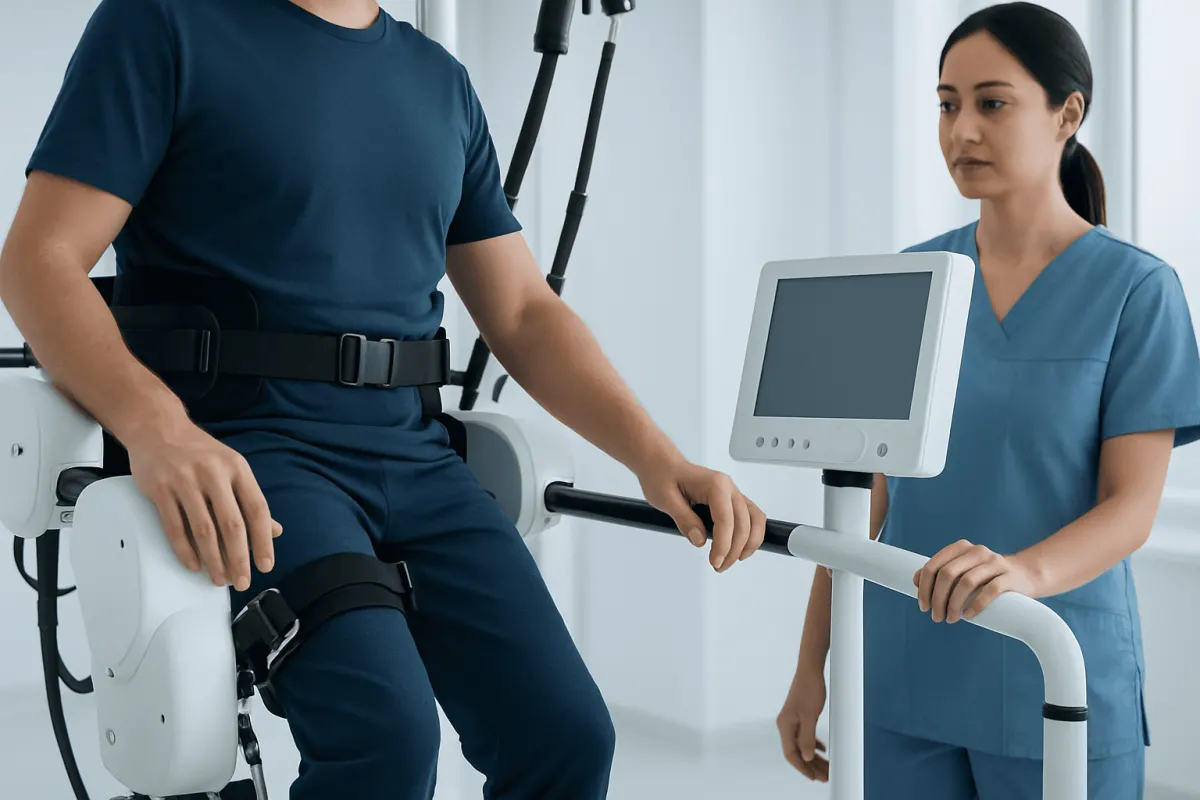
A person may be a good candidate for rehabilitation therapy if they have noticed a meaningful decline in movement, strength, balance, coordination, endurance, speech, swallowing, memory, or ability to manage daily tasks. Sometimes this decline is sudden, such as after a fracture or stroke. In other cases, it develops gradually because of arthritis, nerve disease, chronic pain, or general deconditioning after illness.
Rehabilitation is often appropriate when symptoms interfere with routine life. For example, a person may struggle to walk safely, use the stairs, carry groceries, return to work, or care for themselves without help. Others may have difficulty using one arm after surgery, speaking after a neurological event, or swallowing comfortably after treatment for another condition. These are all signs that targeted therapy may help.
Another important sign is the presence of realistic recovery goals. A good candidate usually has specific aims, such as reducing pain, improving joint motion, becoming safer at home, returning to sports, improving communication, or rebuilding strength after bed rest. Goals do not need to be dramatic. Even small improvements in mobility and independence can make a significant difference.
- Difficulty with walking, balance, or frequent falls
- Weakness, stiffness, or reduced range of motion
- Trouble with dressing, bathing, cooking, or hand use
- Speech, swallowing, or voice changes
- Reduced function after surgery, hospitalization, or injury
- Chronic pain or fatigue affecting activity levels
Common conditions and situations where rehabilitation is recommended
Rehabilitation therapy is commonly recommended after musculoskeletal injuries and surgery. This includes recovery after fractures, ligament injuries, joint replacement, spinal surgery, and severe back or neck pain. In these cases, therapy can improve strength, flexibility, posture, and confidence with movement. It may also help a person return to work or exercise more safely. For some people, rehabilitation forms an important part of care after knee replacement surgery or hip replacement.
Neurological rehabilitation is often used for people recovering from stroke, brain injury, spinal cord injury, multiple sclerosis, Parkinson’s disease, or nerve-related weakness. These conditions may affect walking, balance, coordination, memory, speech, or swallowing. Therapy can help the brain and body adapt, practice safer movement patterns, and support day-to-day independence. People living with stroke or Parkinson’s disease often benefit from a multidisciplinary approach.
Rehabilitation may also be useful after serious medical illness. A person who has spent a long time in bed, received intensive care, or felt very weak after infection or surgery may need structured therapy to rebuild endurance and basic function. Some people also need rehabilitation for breathing control, energy conservation, or safe swallowing after medical treatment.
Children and adults with developmental, congenital, or long-term conditions can also be good candidates. Rehabilitation does not always aim to cure a condition. In many cases, it helps a person adapt, function more comfortably, prevent complications, and participate more fully at school, work, or home.
Types of rehabilitation therapy and how they differ
Rehabilitation is often provided by a team rather than one specialist. Physical therapy usually focuses on movement, walking, flexibility, strength, balance, posture, and pain related to muscles, bones, joints, and nerves. It is commonly recommended after injury, surgery, stroke, or periods of inactivity. Exercises are tailored to the person’s condition and stage of recovery.
Occupational therapy focuses on daily living skills and practical independence. This may include dressing, bathing, cooking, writing, hand coordination, energy conservation, and safe use of equipment at home or work. Occupational therapists may also recommend adjustments to the home environment, such as grab bars, seating changes, or tools that make everyday activities easier.
Speech and language therapy helps people who have difficulty with speaking, understanding language, swallowing, memory, voice, or communication after neurological disease, surgery, or other medical conditions. Some people benefit from respiratory or pulmonary rehabilitation, especially when breathlessness or low stamina affects function. Others may need cardiac rehabilitation after heart-related treatment, or specialized pain rehabilitation when discomfort limits mobility and confidence.
Many candidates benefit most from a combined plan. For example, a person recovering after spine surgery may need physical therapy for strength and movement, occupational therapy for self-care and safe lifting, and education on posture and pacing. A rehabilitation doctor or treatment team usually decides which therapies are most suitable after assessment.
How doctors decide whether rehabilitation is appropriate
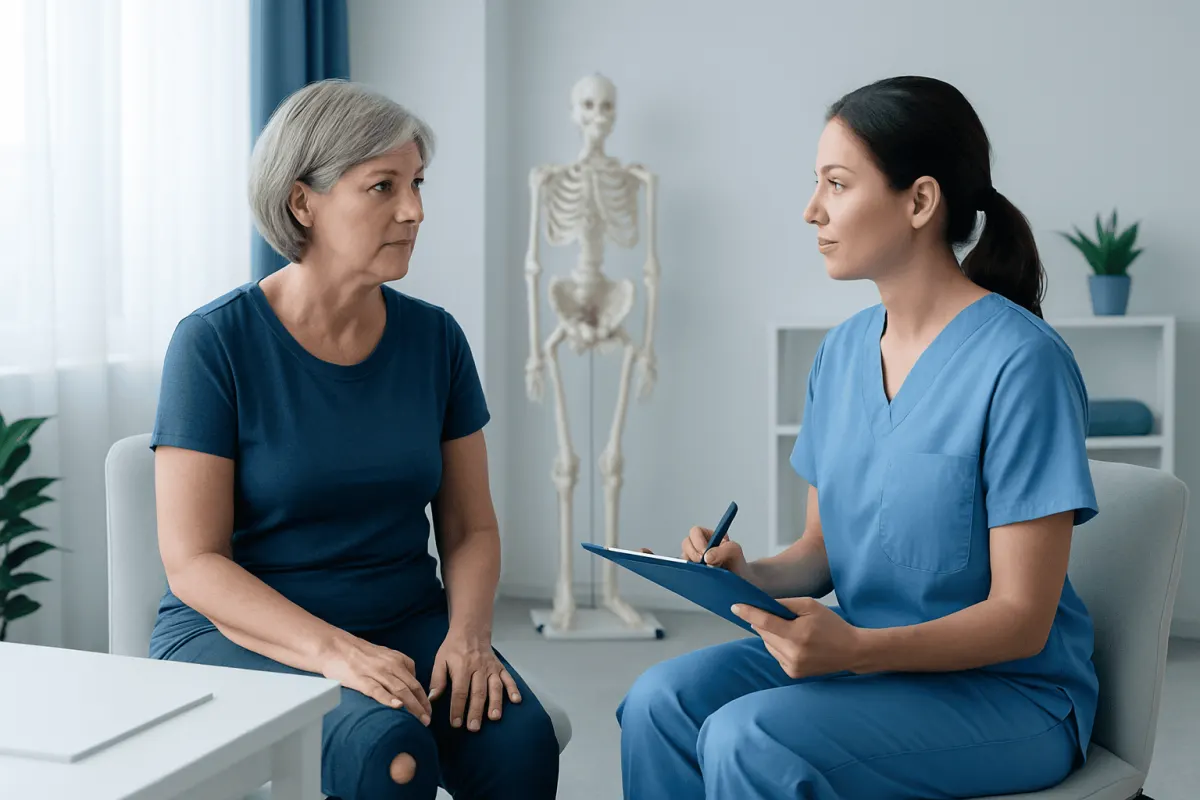
Doctors and therapists decide whether rehabilitation therapy is appropriate by looking at function rather than diagnosis alone. They consider what the person can do now, what has changed, what symptoms are limiting progress, and whether therapy is likely to improve safety, independence, or comfort. The assessment may include mobility testing, balance evaluation, muscle strength, range of motion, pain review, speech and swallowing checks, and questions about home and work life.
The team also looks at the person’s overall medical condition. Some people are ready for active rehabilitation soon after surgery or illness, while others may need their pain, blood pressure, breathing, wound healing, or other health issues stabilized first. Having a complex condition does not automatically rule out rehabilitation, but the program may need to be gentler or more closely supervised.
Motivation and participation matter, but a person does not need to be highly athletic or fully independent to qualify. Good candidates are often simply those who can engage with therapy at some level and have goals that are meaningful to them. Family or caregiver involvement can also improve progress, especially when support is needed for exercises, mobility, or communication at home.
Sometimes rehabilitation is used to restore lost abilities. In other situations, it is used to teach compensatory strategies, protect joints, prevent falls, reduce strain, or slow future decline. This means that even when full recovery is not possible, therapy may still provide valuable benefits.
When rehabilitation may need to be delayed or adapted
Although many people are good candidates for rehabilitation therapy, timing is important. Therapy may need to be delayed or modified if a person has uncontrolled pain, an unstable fracture, severe infection, new chest pain, breathing distress, confusion, or another urgent medical problem. In these situations, the immediate priority is medical stabilization. Once the condition is safe, rehabilitation can often begin or restart.
Some people worry that being older, frail, or living with multiple health conditions means they are not suitable for rehabilitation. In fact, these people may still benefit greatly, but the plan may need to be paced differently. Sessions can be shorter, goals can be broken into smaller steps, and treatment can focus more on safe transfers, fall prevention, and energy conservation.
Cognitive difficulties, anxiety, depression, or fatigue can also affect participation, but they do not automatically exclude someone from therapy. These factors simply mean the rehabilitation team should adapt communication, involve caregivers when appropriate, and set achievable goals. A supportive, individualized approach often helps people progress steadily.
The most important point is that rehabilitation should match the person’s needs and capacity at that time. A well-designed program should be challenging enough to support improvement, but safe enough to avoid setbacks.
What to expect from treatment and recovery
Recovery with rehabilitation therapy is usually gradual. At the beginning, the team often sets short-term and long-term goals based on the person’s daily needs. Treatment may include guided exercises, stretching, gait training, balance work, speech exercises, self-care practice, pain management strategies, and advice on movement techniques. Home exercises are often an important part of progress between sessions.
The pace of improvement varies widely. Some people feel better within a few weeks, especially after a minor injury or routine surgery. Others need several months of structured therapy, particularly after a neurological event, prolonged illness, or major orthopedic procedure. Progress is not always perfectly linear. It is common to have stronger days and more difficult days during recovery.
Successful rehabilitation is often measured by practical gains rather than a complete return to previous ability. Examples include walking more safely, needing less help with dressing, climbing stairs with less pain, speaking more clearly, or returning to work with adjustments. A person may also learn protective strategies that reduce future strain and improve confidence.
Near the end of the rehabilitation process, the team may focus on maintenance. This can include a long-term exercise routine, posture training, weight management, joint protection, or advice on staying active safely. Acıbadem Health Point’s multidisciplinary specialists and JCI-accredited hospitals also evaluate and treat patients who may benefit from structured rehabilitation, including programs linked with physical therapy and rehabilitation.
When to seek medical advice about rehabilitation
A person should consider asking a doctor about rehabilitation therapy if they are recovering more slowly than expected after injury, surgery, or illness. Medical advice is also important when pain, weakness, poor balance, breathlessness, or communication problems are making daily life difficult. Early referral can be helpful because it may prevent complications such as falls, joint stiffness, muscle loss, or loss of confidence with movement.
It is especially important to seek medical review if symptoms are worsening rather than improving. New numbness, sudden weakness, severe swelling, fainting, chest symptoms, fever, or a major decline in function should be assessed promptly. These problems may need urgent medical attention before routine rehabilitation continues.
Family members and caregivers can also help recognize when a person may benefit from therapy. Sometimes the individual adapts gradually to limitations and does not realize how much function has changed. A professional assessment can clarify what type of support is needed and whether a rehabilitation program would be useful.
In general, rehabilitation is worth discussing whenever a health problem affects independence, safety, or quality of life. A qualified doctor or therapist can help decide whether therapy is appropriate, what type is most suitable, and how to begin safely.
Frequently asked questions
01Who is usually considered a good candidate for rehabilitation therapy?
A good candidate is often someone whose health condition is affecting movement, balance, strength, communication, swallowing, or daily activities. The person does not need to have a severe disability; even moderate functional problems after surgery, illness, or injury may justify therapy.
02Is rehabilitation therapy only for people after surgery?
No. Rehabilitation therapy can help after surgery, but it is also used after stroke, fractures, sports injuries, chronic pain, neurological disease, or long hospital stays. It may also support people with ongoing conditions who want to maintain function and independence.
03Can older adults still benefit from rehabilitation therapy?
Yes. Older adults often benefit from rehabilitation, especially when they have weakness, falls, joint stiffness, or difficulty with daily activities. Programs can be adapted to energy level, medical conditions, and safety needs.
04What if a person has more than one medical condition?
Having multiple health conditions does not automatically prevent rehabilitation. It usually means the program should be individualized and carefully supervised. The treatment team will consider overall health, medications, fatigue, and safety before creating a plan.
05How do doctors know which type of rehabilitation is needed?
Doctors and therapists assess the specific problem areas, such as walking, hand use, speech, swallowing, balance, or self-care. Based on these findings, they may recommend physical therapy, occupational therapy, speech therapy, or a combination of services.
06How soon should rehabilitation start?
In many cases, rehabilitation is most effective when it starts as soon as it is medically safe. Early treatment may reduce stiffness, weakness, and loss of independence. However, timing depends on the person’s diagnosis, healing process, and overall stability.
This article is for general information only and is not a substitute for professional medical advice. Please consult a qualified doctor about your individual situation.
Joint and spine care in Turkey — expert assessment & treatment
JCI-accredited · board-certified surgeons · reply within 24h
Add us as a Preferred Source to see more of our trusted health content across Google Search, AI Overviews and Discover.