White Eyelashes: Common Causes of Color Changes
White eyelashes usually occur when the hair follicles produce less melanin, the pigment that gives lashes their color. They may be a harmless age-related or inherited feature, but a new, localized, or rapidly changing white patch can sometimes be linked with skin, eye, immune, or inflammatory conditions and should be assessed by a clinician.
Overview: What Do White Eyelashes Mean?
White eyelashes are lashes that have little or no melanin, the natural pigment responsible for hair, skin, and eye color. The medical term for a localized area of white hair is poliosis. A person may notice one white lash, several scattered white lashes, or a distinct patch on one or both eyelids.
In many cases, white eyelashes are not harmful. They can appear as part of normal aging, family traits, or natural variation in pigment production. However, when the change begins suddenly, affects a defined patch, occurs in childhood without an obvious explanation, or is accompanied by skin, eye, or vision symptoms, it is sensible to arrange a medical review.
The color of a lash itself does not usually affect how the eyelid or eye works. The important question is whether the white lashes are an isolated cosmetic change or a sign of an underlying process affecting the eyelid skin, hair follicles, or eye.
How Eyelash Color Changes
Each eyelash grows from a hair follicle in the eyelid. Cells within the follicle, called melanocytes, make melanin and transfer it into the growing hair shaft. If melanocytes become less active, are absent from a follicle, or are affected by inflammation, a new lash may grow in gray or white.
Because eyelashes grow in cycles, color changes may not appear all at once. A white lash can remain visible until it naturally sheds, while newly growing lashes may be pigmented or white depending on what is happening in that follicle. Eyelashes also have a much shorter growth phase than scalp hair, so the pattern may differ from graying hair on the head.
A white lash that has always been present is generally less concerning than a noticeable new cluster. Taking a clear photograph in good light can help a person and their clinician track whether the area is stable or changing over time.
Common Causes of White Eyelashes

Normal aging is a common explanation for white or gray hair, including eyelashes. Melanin production gradually declines in many people over time. Genetics also influence when and how visibly this occurs, so some people develop white hairs earlier than others without having an illness.
Vitiligo is another possible cause. This autoimmune-related pigment condition causes sharply defined areas of lighter or white skin and may affect hair in the same location, including eyebrows and eyelashes. When white lashes occur alongside pale patches on the eyelids, face, hands, or other areas, an assessment for vitiligo may be appropriate.
Other potential causes include prior inflammation or injury to the eyelid, certain skin conditions, burns, previous surgery, and less commonly, conditions present from birth that affect pigment. Inflammation around the eye can sometimes influence nearby follicles. A clinician will consider the full pattern of skin, hair, eye, and general health findings rather than relying on lash color alone.
Rarely, white lashes can be associated with eye inflammation, including uveitis, or with syndromes that involve pigment, hearing, or immune changes. These causes are uncommon, but they reinforce why accompanying symptoms such as eye pain, redness, light sensitivity, hearing changes, or reduced vision should not be ignored.
Associated Signs That Can Help Identify the Cause
White eyelashes may be isolated, or they may occur with other changes that provide useful clues. A clinician may ask whether the lashes became white suddenly, whether the change is on one side or both, and whether white or gray hairs have appeared in the eyebrows, scalp, or beard.
Skin changes are particularly relevant. Smooth, well-defined white patches may suggest a pigment disorder, while itching, scale, crusting, redness, or swelling may point toward an eyelid skin condition. Lash breakage or loss can occur with irritation, infection, inflammatory disorders, or repeated rubbing, although lash loss is separate from a simple pigment change.
Pink Eye Symptoms: Causes and Treatment" class="ahp-ilk">Eye symptoms need careful attention. Redness, discomfort, blurred vision, floaters, light sensitivity, discharge, or a sensation of something in the eye are not expected from harmless aging-related graying. These symptoms may indicate an eye-surface problem or deeper inflammation and warrant evaluation by an eye-care professional.
- Stable white lashes with no other symptoms are often benign.
- New white patches of skin or hair may merit dermatology assessment.
- Red, painful, light-sensitive, or visually affected eyes need timely eye examination.
Diagnosis and Medical Assessment
Diagnosis begins with a medical history and a close examination of the eyelashes, eyelid skin, eyebrows, surrounding facial skin, and eyes. The clinician may ask about the timing of the change, family history of early graying or pigment conditions, recent skin injury, cosmetic products, eyelid irritation, and symptoms elsewhere in the body.
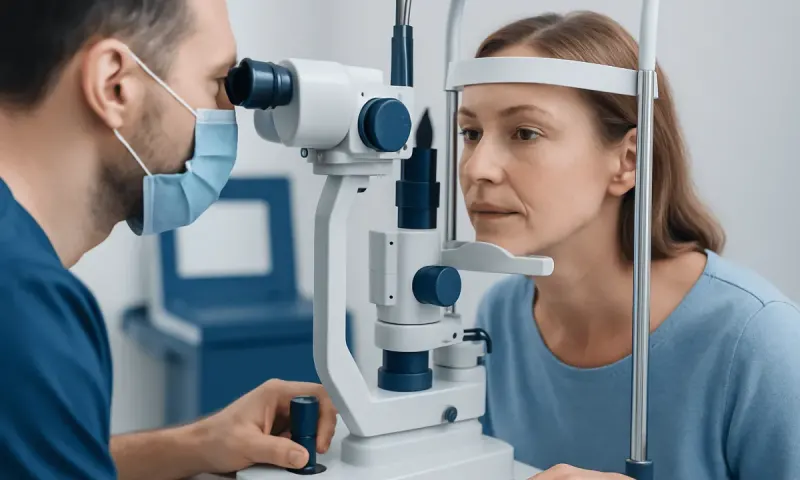
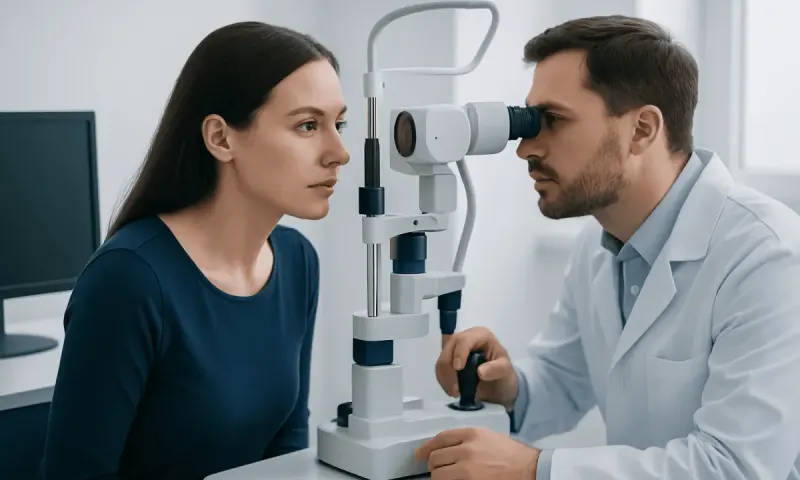
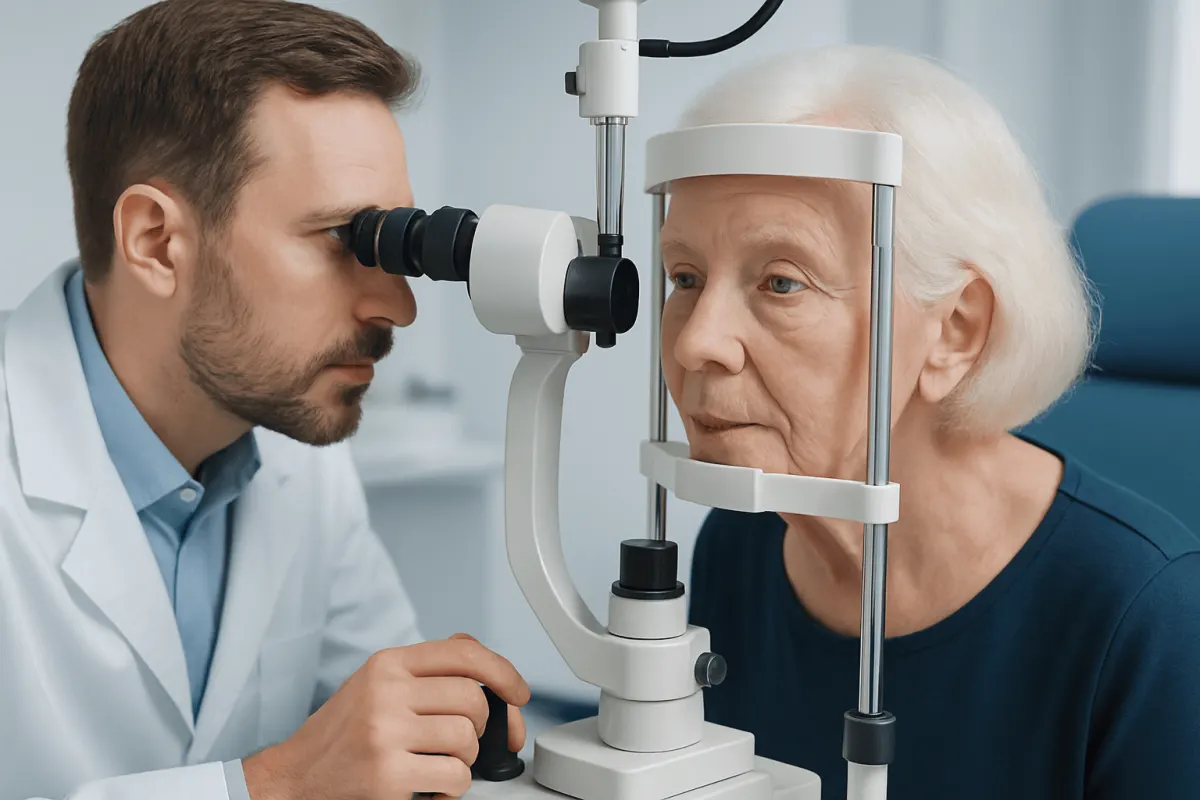
An ophthalmologist may use a slit lamp, a microscope designed to examine the front of the eye, if there are eye symptoms or concern about inflammation. A dermatologist may assess pigment changes in the skin and hair, sometimes using a Wood’s lamp, which uses ultraviolet light to make certain pigment changes easier to see.
Blood tests are not routinely needed for every person with a white eyelash. They may be considered when the history or examination suggests an autoimmune, thyroid, nutritional, or other systemic concern. In most situations, testing is tailored to the individual rather than performed automatically.
Evaluation is also an opportunity to rule out conditions that could resemble color change, such as lash debris, cosmetic residue, or whitening from repeated exposure to certain products. Sharing a list of eye drops, cosmetics, lash treatments, and skincare products can be helpful.
Treatment Options and Cosmetic Considerations
There is no medical need to treat a stable white eyelash when it is simply a normal variation or age-related change. If an underlying condition is identified, management focuses on that condition. For example, treatment of eyelid inflammation or a pigment disorder may be discussed with a dermatologist or ophthalmologist, depending on the cause and whether the eye is involved.
Some pigment changes may be long-lasting even after inflammation settles. Treatments intended to restore pigment are not suitable for everyone, and expectations should be realistic. A specialist can explain whether observation, medical treatment, or monitoring is the safest approach for the individual situation.
People who wish to camouflage white lashes should be cautious. Standard mascara may be appropriate for some people if it does not cause irritation and is removed gently. Permanent lash tinting, dyes, extensions, and adhesive products can trigger eyelid dermatitis, allergic reactions, or eye irritation, particularly when applied close to the lid margin. It is safest to avoid DIY dyeing near the eyes and to stop any product that causes burning, swelling, itching, or redness.
If lashes are missing as well as white, the cause should be evaluated before considering cosmetic procedures. In appropriate circumstances, clinicians may also discuss options used for related eyelash concerns, including eyelash transplant procedures, but this does not address every cause of lash color change.
Everyday Eye and Eyelid Care
Gentle eyelid care can reduce avoidable irritation. Hands should be washed before touching the eyes, and eye makeup should be removed carefully with products suited to the eye area. Avoid sharing mascara, eyeliner, lash curlers, or other eye cosmetics, as shared items can spread infection.
New eye or lash products should be introduced one at a time when possible. A person who develops itching, swelling, flakes, or redness after using a product should discontinue it and seek advice if symptoms do not settle quickly. Rubbing, plucking, or pulling out white lashes is not recommended, as this can irritate or damage the follicle and does not correct the underlying pigment change.
General measures that support skin and hair health include a balanced diet, avoiding smoking, protecting the eyelid skin from excessive sun exposure, and managing diagnosed skin conditions. These habits may support overall health, but they cannot reliably reverse established white eyelashes.
When to Seek Medical Care
A non-urgent appointment with a dermatologist, primary-care clinician, or ophthalmologist is appropriate for new or increasing white eyelashes, especially when there are nearby white skin patches, eyebrow changes, lash loss, scalp hair changes, or a personal or family history of autoimmune conditions. Assessment is also useful if the appearance is distressing and a person would like safe cosmetic guidance.
Prompt eye care is important if white eyelashes occur with eye pain, significant redness, sensitivity to light, blurred or reduced vision, new floaters, swelling, or an injury to the eye or eyelid. These symptoms are not explained by ordinary graying and should be checked without delay.
Acıbadem Health Point’s multidisciplinary specialists and JCI-accredited hospitals can assess eyelid, skin, and eye concerns for international patients when coordinated dermatology or ophthalmology care is needed.
Frequently asked questions
01Are white eyelashes normal?
They can be normal, particularly when one or a few lashes gradually turn white with age or run in the family. A stable white lash without skin or eye symptoms is often harmless. New, patchy, or rapidly increasing changes are worth discussing with a clinician.
02Can stress cause white eyelashes?
Stress is often discussed in relation to gray hair, but it is difficult to attribute one or more white eyelashes to stress alone. Pigment changes are influenced by age, genetics, follicle biology, inflammation, and some medical conditions. A persistent localized change should not automatically be assumed to be stress-related.
03Can vitiligo make eyelashes white?
Yes. Vitiligo can reduce pigment in skin and hair, which may cause eyelashes or eyebrows within an affected area to turn white. A dermatologist can assess for characteristic skin changes and discuss appropriate management if vitiligo is suspected.
04Do white eyelashes grow back black?
It depends on why the lash became white. If the follicle resumes normal pigment production, a later lash may grow in darker, but established loss of pigment can be persistent. There is no reliable home method to restore pigment to an individual eyelash.
05Is it safe to dye white eyelashes?
Dye products and lash tints may irritate the eyelid skin or eyes and can cause allergic reactions. Applying hair dye or unregulated products near the eyes is not safe. Anyone considering a cosmetic option should seek advice from a qualified professional, especially if they have sensitive skin or eye disease.
06Should a child with white eyelashes see a doctor?
A child with a long-standing isolated white lash and no symptoms may simply have a natural pigment variation. However, a clinician should assess new changes, patches of pale skin, eyebrow or scalp hair changes, eye symptoms, hearing concerns, or other unusual features. Early assessment can clarify whether monitoring alone is appropriate.
This article is for general information only and is not a substitute for professional medical advice. Please consult a qualified doctor about your individual situation.
Hair transplant in Turkey — costs, graft counts & a free assessment
JCI-accredited · board-certified surgeons · reply within 24h
Add us as a Preferred Source to see more of our trusted health content across Google Search, AI Overviews and Discover.