Which Hair Type Responds Best to Laser Removal?
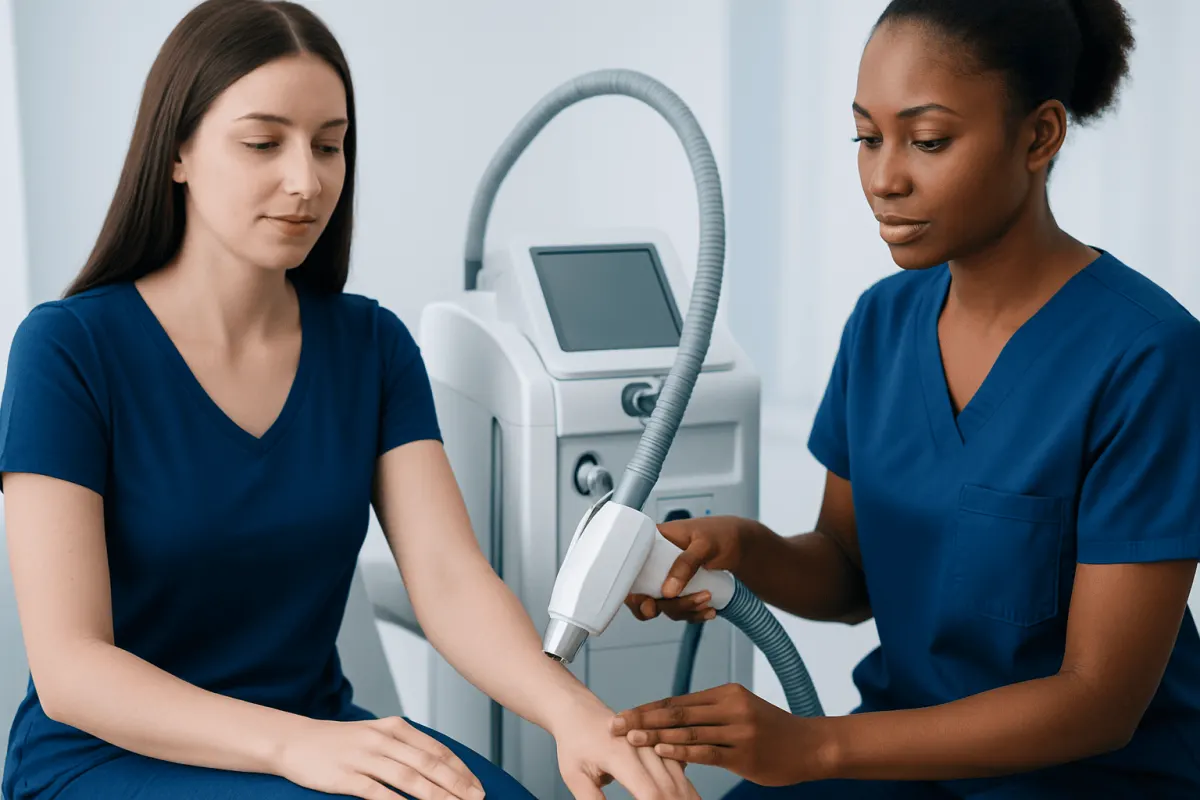
The best hair type for laser removal is usually dark, coarse hair because it contains more pigment for the laser to target. Results and safety also depend on skin tone, the treatment device, the body area, and an experienced clinician’s assessment.
Overview: Which Hair Type Responds Best?
The best hair type for laser removal is typically dark, coarse terminal hair, especially when there is a clear contrast between the hair and surrounding skin. Laser energy is absorbed by melanin, the pigment that gives hair its color. Once absorbed, heat damages the follicle and can reduce future hair growth without intentionally harming nearby skin.
Hair color is only one part of the decision. Skin tone, hair thickness, body area, medical history, current medicines, and the technology used all influence whether treatment is appropriate and how it should be performed. Modern laser systems can provide options for a broad range of skin tones, but the device and settings should be selected carefully by a qualified professional.
Hair Removal: How to Prepare and Care for Your Skin After Sessions" class="ahp-ilk">Laser hair removal is best described as long-term hair reduction rather than guaranteed permanent removal of every hair. Most people need a course of treatments and may choose occasional maintenance sessions later, particularly in areas affected by hormones.
How Hair and Skin Color Affect Laser Results
Lasers used for hair reduction seek melanin in the hair shaft and follicle. Dark brown or black hairs generally absorb enough energy to make treatment effective. Coarse hairs often respond more visibly than very fine hairs because they have more pigment and a larger follicle structure.
Skin also contains melanin. When skin is darker or recently tanned, it can absorb more of the laser energy. This does not automatically rule out treatment, but it makes correct device selection, cooling, settings, and clinical experience especially important. Some laser wavelengths are designed to be safer options for deeper skin tones.
Before treatment, the clinician should ask about natural and current skin color, recent sun exposure or tanning, previous hair-removal methods, and any history of dark marks, scarring, or pigment changes after skin injury. A small test area may be recommended to assess the skin’s response before a larger session.
- Usually most responsive: dark, coarse hair.
- May respond variably: medium-brown hair or finer dark hair.
- Often less responsive: light blonde, strawberry blonde, gray, white, red, and very fine hair.
- Requires individualized planning: any hair color on darker skin or recently tanned skin.
What hair type is best for laser hair removal?

The best hair type for laser hair removal is coarse, dark hair in an area with a lower level of pigment in the surrounding skin. This combination creates a clearer target for the laser. Under suitable treatment conditions, commonly treated areas include the underarms, lower legs, bikini line, chest, back, and face, although individual results vary.
Coarse hair is not always the only suitable hair. Some people with medium-brown hair or lighter skin-hair contrast can still have worthwhile reduction using the right technology. The response may be slower or less complete than it is for very dark, thick hair, so realistic expectations are important.
Hormonal influences can affect facial, chin, abdominal, or chest hair growth. For example, new or worsening coarse facial hair may warrant assessment for an underlying cause such as polycystic ovary syndrome. Treating a hormonal condition may be important alongside cosmetic hair-reduction planning.
What hair cannot be lasered?
No hair color is absolutely impossible to treat in every setting, but laser treatment is generally not effective for hairs with very little or no melanin. White, gray, and very light blonde hairs are the least likely to respond because the laser has little pigment to target. Red hair can also be difficult to treat, as its pigment behaves differently from dark brown or black pigment.
Very fine, soft body hair, sometimes called vellus hair, may respond unpredictably even when it is darker. Treating fine hair in certain facial areas can occasionally stimulate more noticeable growth, a rare effect called paradoxical hypertrichosis. A clinician can advise whether treatment is suitable for fine hair and whether another approach may be preferable.
Hair should not be treated over tattoos, as tattoo pigment can absorb laser energy and cause skin injury or changes to the tattoo. Treatment may also need to be delayed on skin with an active infection, open wound, severe irritation, sunburn, or a flare of an inflammatory skin condition. The provider can safely avoid or postpone treatment in these areas.
Can I use IPL if I'm blonde?
IPL, or intense pulsed light, may offer limited benefit for some people with dark blonde hair, but it is unlikely to work well for very light blonde, white, gray, or red hair. Like laser devices, IPL depends largely on pigment in the hair. A blonde hair with little pigment may not absorb enough light to meaningfully affect the follicle.
IPL is not the same as a medical laser. It uses a broad range of light wavelengths rather than one concentrated wavelength, and devices differ substantially in quality and safety features. Professional assessment is valuable, particularly for darker skin tones, sensitive areas, a history of pigment changes, or uncertain hair color suitability.
For blonde or white hair, electrolysis may be discussed as an alternative. It treats individual follicles with a fine probe and does not rely on hair pigment, although it can take time when treating a large area. A clinician can help compare the likely benefits, limitations, and practical considerations of each method.
What I wish I knew before laser hair removal?
A helpful point to know before laser hair removal is that the treatment cycle matters. Hair grows in phases, and laser energy works best when follicles are in the active growth phase. Because not all hairs are in that phase at once, treatments are scheduled over time, often several weeks apart depending on the body area and treatment plan.
Preparation helps protect the skin and improve accuracy. Patients are commonly advised to avoid tanning and self-tanning products, and to avoid waxing, plucking, threading, or epilating before sessions because these methods remove the hair root. Shaving may be recommended shortly before treatment because it leaves the follicle present below the skin while reducing surface hair that could absorb energy.
A full medication and skin-history review is important. Some medicines and skin-care products can increase sensitivity to light, and some people may need a different plan because of photosensitivity, a tendency to scar, or recurrent cold sores in the treatment area. The treating clinician should provide individualized instructions rather than relying only on general online advice.
Temporary redness and follicle-centered swelling are common after treatment and usually settle within hours to a few days. Cool compresses, gentle skin care, and sun protection are often recommended. Blistering, persistent pain, crusting, or marked color change should be reported promptly to the provider.
Safe Preparation, Aftercare, and Medical Considerations
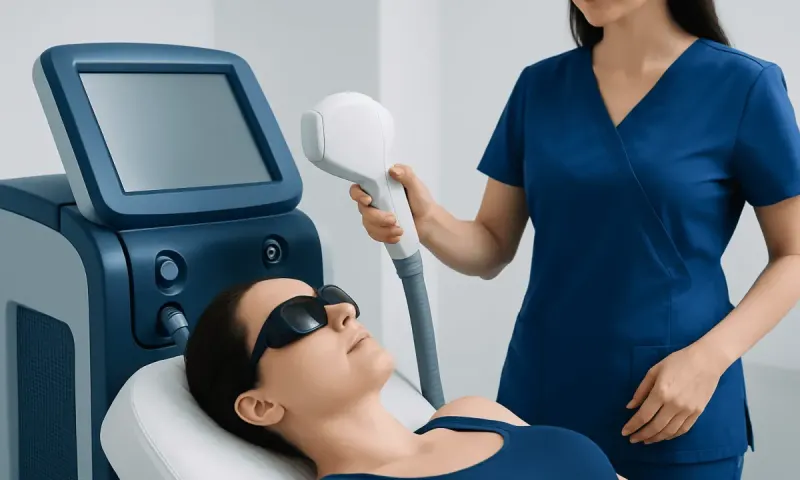
A safe treatment plan begins with a consultation, including a review of skin type, hair characteristics, prior treatments, medical conditions, and medicines. The clinician may recommend a test spot, especially if the person has darker skin, a recent tan, sensitive skin, or a previous reaction to light-based procedures. Protective eyewear is essential during every laser or IPL session.
Sun avoidance before and after treatment is one of the most important precautions. Tanned or sunburned skin has more pigment and may be more vulnerable to burns or uneven pigmentation. Broad-spectrum sunscreen and protective clothing can help protect exposed treatment areas between visits.
After a session, people should avoid heat and friction if the skin is irritated. This may include hot baths, saunas, intense exercise, and harsh exfoliating products for the period advised by their clinician. Hairs may appear to grow for a short time after treatment, but they are often shedding from affected follicles rather than continuing normal growth.
Acıbadem Health Point’s multidisciplinary specialists and JCI-accredited hospitals can assess suitability for laser hair reduction and support international patients with individualized dermatology and aesthetic-care planning.
When to Seek Medical Care
Medical advice is recommended before hair-removal treatment when hair growth changes suddenly, becomes rapidly heavier, or is accompanied by acne, irregular menstrual periods, scalp hair thinning, deepening of the voice, or other hormonal symptoms. These signs do not always indicate a serious problem, but a clinician can check for possible causes and discuss appropriate care.
People should also seek assessment before treatment if they have a history of skin cancer, frequent cold sores near the proposed treatment area, <a href="https://acibademhealthpoint.com/diseases/keloid-scars/”>keloid scars, vitiligo, photosensitivity, or a condition that affects healing. Pregnancy and breastfeeding should be discussed with a healthcare professional, as clinics may choose to postpone elective light-based procedures during these periods.
Following treatment, urgent medical advice is appropriate for severe pain, extensive blistering, spreading redness, pus, fever, or signs of an allergic reaction. Prompt evaluation can reduce discomfort and help prevent complications.
Frequently asked questions
01Is dark hair the only hair color that can be treated with laser hair removal?
Dark hair generally responds best because it contains more melanin for the laser to target. Medium-brown hair may also respond, but results can be more variable. Very light blonde, white, gray, and many red hairs usually respond poorly.
02Can people with dark skin have laser hair removal?
Yes, many people with dark skin can have laser hair reduction safely when the treatment is planned appropriately. The clinician should choose a suitable laser wavelength and conservative settings, and may perform a test spot. Recent tanning should be avoided because it can increase the risk of skin reactions.
03Can I use IPL if I'm blonde?
IPL may help some people with darker blonde hair, but it is usually less effective for very light blonde hair. White, gray, and very pale blonde hair generally lack enough pigment for IPL to target reliably. A professional consultation can clarify whether IPL, laser, or electrolysis is more suitable.
04What hair cannot be lasered effectively?
White, gray, and very light blonde hairs are usually not treated effectively because they contain little melanin. Red hair and very fine vellus hair may also have limited or inconsistent response. Hair over tattoos should not be treated directly with laser or IPL.
05How many laser hair removal sessions are needed?
Most people require multiple sessions because hair grows in cycles and only actively growing hairs respond well at each visit. The number of sessions and their spacing depend on the body area, hair characteristics, hormones, and the treatment system used. Maintenance treatments may be useful for some people.
06Should I shave before laser hair removal?
Many clinics advise shaving the treatment area shortly before the appointment, following their specific instructions. Shaving leaves the follicle in place while reducing hair above the skin that could absorb energy. Waxing, plucking, threading, and epilating are commonly avoided beforehand because they remove the hair root.
This article is for general information only and is not a substitute for professional medical advice. Please consult a qualified doctor about your individual situation.
Hair transplant in Turkey — costs, graft counts & a free assessment
JCI-accredited · board-certified surgeons · reply within 24h
Add us as a Preferred Source to see more of our trusted health content across Google Search, AI Overviews and Discover.