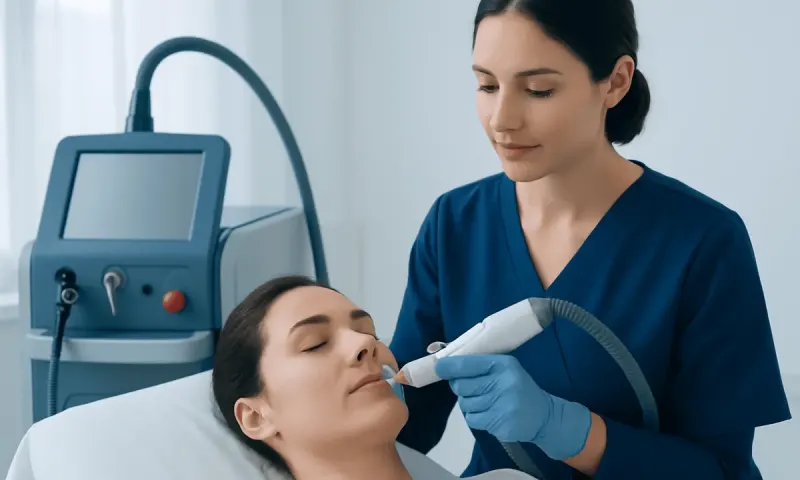
How Many Laser Hair Removal Treatments Are Needed?
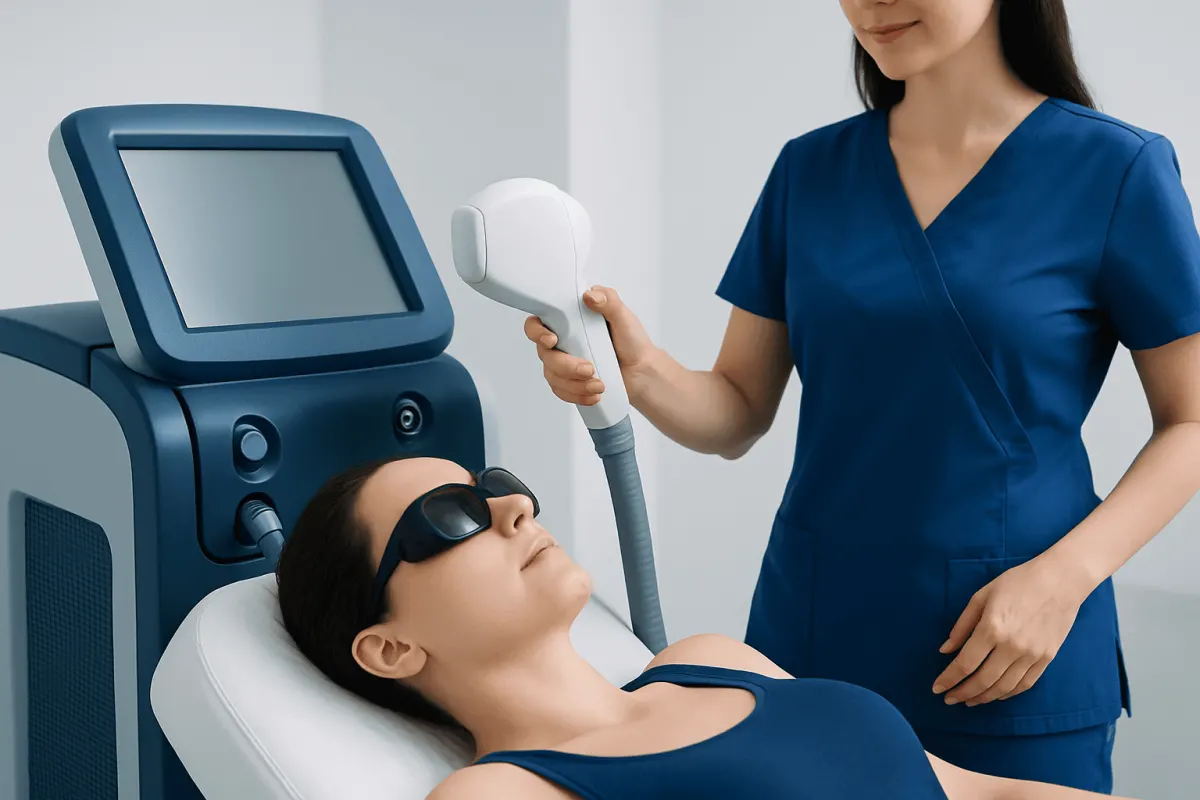
Most people need about 6 to 8 laser hair removal sessions to achieve a substantial, long-lasting reduction in visible hair. The exact number depends on the treatment area, hair and skin characteristics, hormonal factors, and how consistently sessions are timed with the hair-growth cycle.
Overview: How Many Treatments for Laser Hair Removal?
How many treatments for laser hair removal are needed? For many people, a course of approximately 6 to 8 sessions provides a meaningful long-term reduction in hair growth. Sessions are usually scheduled several weeks apart, because only hairs in a particular active stage of growth respond well to laser energy.
The total can vary considerably. Hair color and thickness, skin tone, the treatment area, hormone-related hair growth, the laser technology used, and the response after each session all influence the plan. A qualified clinician can assess these factors and adjust the number and timing of treatments over time.
Laser hair removal is better described as long-term hair reduction rather than guaranteed permanent removal of all hair. Many people have finer, lighter, and less dense regrowth after their initial course, while some choose occasional maintenance sessions to manage new or returning hairs.
Why More Than One Session Is Needed
Hair does not grow in a single, synchronized cycle. At any time, individual follicles may be actively growing, transitioning, or resting. Laser energy is most effective when pigment in a hair is connected to a follicle during the active growth phase, known as anagen.
Because only a proportion of follicles are in this responsive phase at each visit, repeated sessions allow additional hairs to be treated as they enter active growth. Treating too frequently is unlikely to improve the outcome, while waiting too long may delay the overall course. The clinician will recommend an interval based on the area being treated and the person’s growth pattern.
Results also depend on the contrast between hair pigment and skin pigment, although modern laser systems can safely treat a wider range of skin tones when the appropriate device and settings are selected. Very light blond, gray, white, or red hair may respond less reliably because it contains less pigment for the laser to target.
How Treatment Numbers Differ by Body Area

The body area can affect both the number of sessions and the spacing between them. For questions about how many treatments for laser hair removal on legs, underarms, or the bikini area, many people begin with 6 to 8 sessions. These areas often contain coarse, dark hair, which may respond well, although individual outcomes still vary.
For how many treatments for laser hair removal Brazilian or bikini treatment, a similar initial course is common. Because the area is sensitive, treatment should be performed by an appropriately trained clinician using suitable settings. Shaving is generally preferred between sessions; waxing, plucking, and threading remove the hair root and can reduce the laser’s target.
Questions about how many treatments for laser hair removal on face, chin, or upper lip have a less predictable answer. Facial hair can be strongly influenced by hormones and may be finer than body hair. As a result, treatment of the chin or upper lip may require more than 6 to 8 sessions and periodic maintenance. New or worsening facial hair growth should be discussed with a doctor, particularly if it occurs alongside irregular periods, acne, scalp-hair thinning, or other hormonal symptoms.
- Legs: Often 6 to 8 initial sessions, with maintenance varying by person.
- Underarms: Often 6 to 8 sessions; some people notice reduced growth relatively early.
- Bikini or Brazilian area: Often 6 to 8 sessions, sometimes followed by maintenance.
- Face, chin, and upper lip: May need a longer course and more regular follow-up because of hormonal influence.
What I Wish I Knew Before Laser Hair Removal?
A useful expectation is that laser hair removal is a process, not a one-visit solution. Hair reduction develops gradually over a series of correctly timed treatments, and regrowth between early sessions is normal. The treatment plan should be based on a clinical skin and hair assessment rather than a fixed promise of results.
Preparation matters. Patients are commonly advised to avoid tanning and self-tanning products before treatment, as increased skin pigment can raise the risk of irritation or pigment changes. They should also tell the clinician about prescription medicines, topical products, prior skin reactions, a history of cold sores when treating the face, and any recent changes in health.
Waxing, plucking, and epilating are typically avoided for several weeks before and during a treatment course because the follicle needs a visible hair root for laser targeting. Shaving may be recommended shortly before treatment, depending on the clinic’s instructions. After a session, temporary redness and a sensation similar to mild sunburn can occur, so gentle skin care and sun protection are important.
Laser treatment should not be confused with treatment for an underlying cause of excess hair growth. For example, unwanted coarse facial or body hair can be associated with hormonal conditions such as polycystic ovary syndrome (PCOS). Managing the underlying condition may help reduce the development of new hairs, while laser treatment can address existing unwanted hair.
Is 4 Treatments of Laser Hair Removal Enough?
Four treatments can be enough for some people to see a clear reduction in hair density and slower regrowth, especially in areas with coarse, dark hair. However, four sessions are often considered an early or intermediate stage rather than a complete initial course. Remaining follicles may still enter the active growth phase after the fourth visit.
Whether 4 treatments of laser hair removal are enough depends on the goal. If the goal is noticeable reduction and easier hair management, some people may be satisfied after four sessions. If the goal is the greatest practical long-term reduction, additional sessions are commonly needed.
A clinician should reassess progress rather than automatically continuing or stopping. They may consider changes in hair thickness, the amount of regrowth, skin response, treatment intervals, and whether hormonal factors could be contributing. If there has been little response after several properly performed treatments, the device choice, settings, diagnosis, or suitability of laser treatment may need review.
What Happens If I Stop Laser Hair Removal After 4 Sessions?
If someone stops laser hair removal after four sessions, the hair follicles that were successfully affected may continue to produce less hair or finer hair. However, untreated follicles and follicles that were not in the right growth phase during prior sessions can continue growing. The result may therefore be partial reduction rather than the fuller reduction that may be achieved with a longer course.
Stopping does not usually cause hair to grow back thicker or darker because of the laser. Hair growth may simply become more noticeable over time as untreated follicles cycle naturally. Hormonal changes, some medicines, and certain health conditions can also contribute to new hair growth in the future.
There is generally no medical requirement to complete a predefined number of sessions. A person can pause treatment and return later after discussing their skin status and hair-growth changes with the clinician. A new assessment is especially useful after a long break, substantial sun exposure, pregnancy, or a change in medications.
Will 6 Sessions of Laser Hair Removal Be Enough?
Six sessions of laser hair removal are enough for many people to achieve a significant reduction in hair growth, particularly on the legs, underarms, and bikini line. Still, six sessions cannot guarantee the same result for everyone. Some people need 8 or more sessions, while others may be pleased with the outcome by the sixth treatment.
For facial areas, including the chin and upper lip, six sessions may be a useful starting course but may not be the endpoint. Hormone-sensitive follicles can become active over time, and maintenance sessions may be appropriate. This is one reason a personalized plan is more reliable than applying one treatment number to every area of the body.
At the sixth session, the clinician can evaluate whether hair is becoming sparser, slower-growing, and finer. If progress is good, they may recommend completing the planned course or moving to a longer maintenance interval. If the response is limited, they can review possible reasons and discuss appropriate alternatives.
Aftercare, Maintenance, and When to Seek Medical Care
After laser hair removal, patients should follow the treating clinician’s instructions. Common recommendations include using cool compresses if needed, avoiding heat exposure and vigorous exercise for a short period if the skin is irritated, applying sunscreen to exposed treated skin, and not picking or exfoliating areas that are sensitive. Mild redness and swelling around hair follicles are usually temporary.
Maintenance needs vary. Some people have little regrowth for long periods after an initial course, while others choose one or more follow-up sessions when scattered hairs return. Facial treatment and hormonally influenced growth are more likely to require ongoing maintenance than some body areas.
Medical advice should be sought promptly for blistering, increasing pain, marked swelling, signs of infection, or skin-color changes that persist or worsen after treatment. A doctor should also assess sudden or rapidly increasing unwanted hair growth, especially with menstrual changes, acne, voice changes, or other signs of a possible hormone-related condition.
Acıbadem Health Point’s multidisciplinary specialists and JCI-accredited hospitals can assess unwanted hair growth and provide individualized laser hair removal planning for international patients.
Frequently asked questions
01How many treatments for laser hair removal are usually needed?
Most people need around 6 to 8 initial treatments for substantial hair reduction. The final number depends on the body area, hair thickness and color, skin tone, hormone-related factors, and the individual response to treatment.
02How far apart should laser hair removal sessions be?
Treatment intervals depend on the area and hair-growth cycle. Many body areas are treated several weeks apart, while facial areas may have a different schedule. The treating clinician should recommend the safest and most effective timing for the individual.
03How many treatments for laser hair removal on the face are needed?
Facial areas often need more treatments than some body areas because facial hair may be finer and more influenced by hormones. A course of 6 to 8 sessions may be used initially, but maintenance can be needed, especially for the chin and upper lip.
04How many treatments for laser hair removal on legs and underarms are needed?
Legs and underarms commonly respond well to an initial course of about 6 to 8 sessions. Some people see reduced growth earlier, but completing the recommended course helps target hairs that were not in an active growth phase during earlier visits.
05Does laser hair removal permanently remove all hair?
Laser hair removal provides long-term reduction in hair growth, but it does not guarantee permanent removal of every hair. Some follicles may remain active or become active later, and occasional maintenance treatment may be chosen.
06Can laser hair removal make hair grow back thicker?
Laser hair removal does not normally cause treated hair to grow back thicker or darker. If hair returns, it may reflect untreated follicles, the natural hair-growth cycle, or hormonal changes rather than a reversal caused by the laser.
This article is for general information only and is not a substitute for professional medical advice. Please consult a qualified doctor about your individual situation.
Hair transplant in Turkey — costs, graft counts & a free assessment
JCI-accredited · board-certified surgeons · reply within 24h
Add us as a Preferred Source to see more of our trusted health content across Google Search, AI Overviews and Discover.