What Kills Sperm in the Female Reproductive Tract?

Most sperm do not survive long after intercourse because the vagina is naturally acidic and only a small number reach the cervix. This is usually normal and does not by itself mean that either partner has a fertility problem, although persistent difficulty conceiving may deserve medical assessment.
Overview: What Kills Sperm in the Female Body?
What kills sperm in the female body most often is the vagina’s normal acidic environment. This acidity helps protect against harmful germs, but it is not ideal for sperm survival. After ejaculation, semen briefly makes the vaginal environment less acidic, yet many sperm still stop moving or die before reaching the cervix.
This is usually a normal part of reproduction, not a sign that something is wrong. Millions of sperm may be released, while only a small number enter the cervix and reproductive tract. Around ovulation, changes in cervical mucus can make the pathway much more sperm-friendly and allow a small group of sperm to survive for several days.
Medical review is more important when pregnancy has not occurred after regular unprotected intercourse for 12 months, or after 6 months when the woman is age 35 or older. Earlier advice is sensible for irregular or absent periods, pelvic pain, previous pelvic infection, recurrent miscarriage, known sperm concerns, or symptoms of infection such as unusual discharge, pain, or fever.
How Sperm Normally Travel After Sex
Sperm begin their journey in the vagina, then move through the cervix, uterus, and toward the fallopian tubes. Fertilization usually happens in a fallopian tube if an egg is present. The path is naturally selective: most sperm do not reach the egg, even in completely healthy couples.
Semen contains fluid that initially helps buffer vaginal acidity. This temporary protection gives some sperm time to move into cervical mucus. Sperm that enter suitable mucus can be sheltered from the more acidic vaginal environment and released gradually into the upper reproductive tract.
It is common for fluid and some sperm to leak from the vagina after intercourse. Gravity and normal vaginal movement account for this. Leakage does not mean that all sperm have left the body, and lying still for a long time after sex has not been shown to be necessary for conception.
During the fertile window, which includes the days before ovulation and the day of ovulation, cervical mucus usually becomes clearer, wetter, and more slippery. In this environment, sperm may remain viable for up to about five days. Outside this window, mucus is often thicker and less permeable, making sperm passage more difficult.
Natural Factors That Reduce Sperm Survival
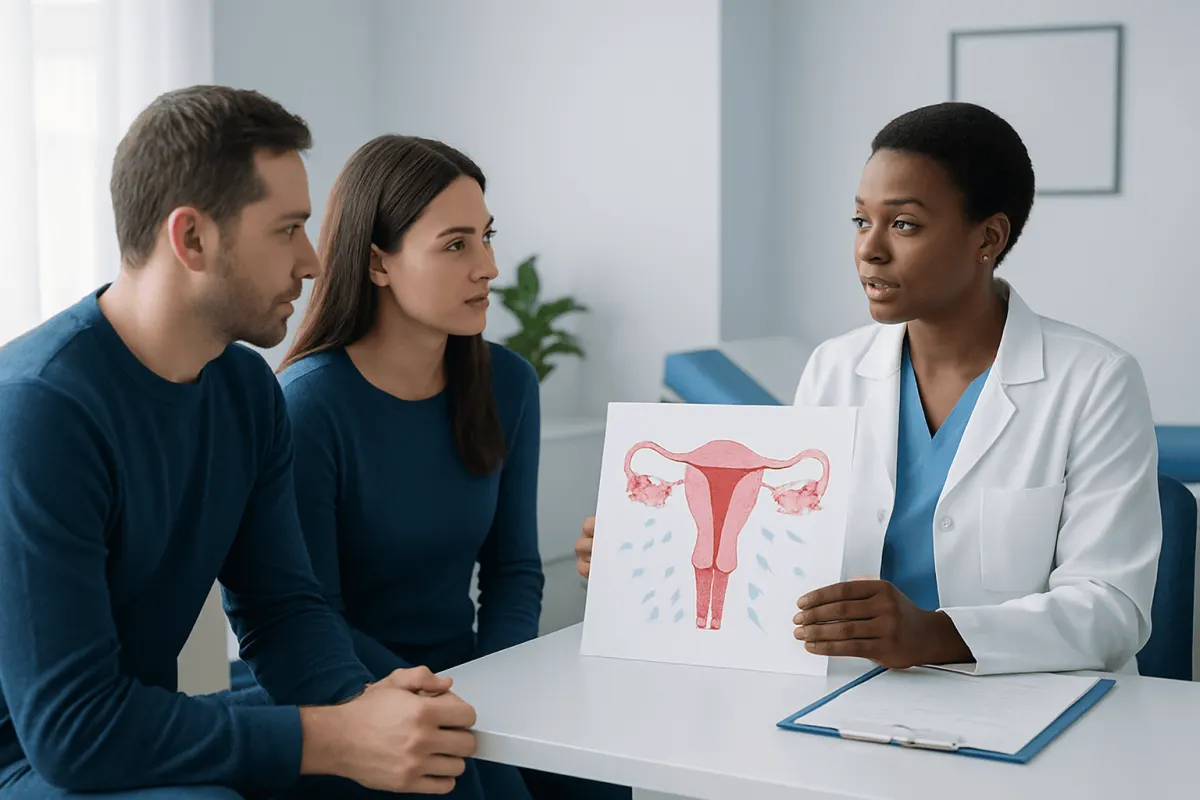
Vaginal pH is the main natural factor affecting sperm in the lower reproductive tract. A healthy vagina is usually acidic because of beneficial bacteria, particularly lactobacilli. This acidity is valuable for vaginal health, but sperm function best in a less acidic environment. Semen and fertile cervical mucus partly offset this challenge for a short period.
Cervical mucus changes substantially across the menstrual cycle. After a period and before ovulation, rising estrogen typically produces mucus that supports sperm movement. After ovulation, progesterone makes mucus thicker, creating a more effective barrier. This is a normal biological process that helps limit conception to the days when an egg is most likely to be available.
The immune system also helps clear semen, sperm, and microorganisms from the reproductive tract over time. This does not usually prevent pregnancy. Rather, reproductive tissues balance immune protection with the temporary conditions needed for sperm transport around ovulation.
Age-related changes, breastfeeding, menopause, some hormonal conditions, and certain medicines can contribute to vaginal dryness or changes in cervical mucus. These changes may make intercourse uncomfortable or affect sperm transport, but they should be assessed in context rather than assumed to be the sole cause of delayed pregnancy.
Products, Infections, and Other Possible Contributors
Some personal products may affect sperm movement or survival. Certain conventional lubricants are not designed for people trying to conceive and may reduce sperm motility in laboratory testing. Couples who need lubrication may wish to ask a clinician about options labeled as fertility-friendly. Saliva, oils, petroleum jelly, soaps, and household products should not be used as vaginal lubricants because they can irritate tissue or alter the vaginal environment.
Douching, fragranced washes, deodorizing sprays, and internal cleansing products can disturb the healthy vaginal microbiome and irritate the lining of the vagina. They do not improve fertility or reliably prevent pregnancy. The vagina is self-cleaning; washing the external genital area gently with water or a mild, unscented product is generally sufficient.
Vaginal infections, sexually transmitted infections, and pelvic inflammatory disease can cause inflammation and may affect fertility in some people. Bacterial vaginosis and yeast infections are common but have different causes and treatments. Symptoms such as a strong odor, itching, burning, pain during sex, unusual discharge, bleeding after sex, or pelvic pain should be evaluated rather than treated repeatedly without a diagnosis.
It is important not to assume that a vaginal issue is the reason for conception difficulties. Male factors, ovulation disorders, fallopian-tube blockage, endometriosis, uterine conditions, and unexplained infertility can also be involved. Fertility is best considered as a shared health issue for both partners.
Does the Female Body Reject or Destroy Sperm?
The idea that the female body “rejects” sperm can be misleading. Most sperm are naturally filtered out because the reproductive tract is designed to allow only a very small number to continue toward an egg. Vaginal acidity, cervical mucus, and immune activity are normal protective processes, not evidence that the body is attacking a partner’s sperm.
Antisperm antibodies are proteins that may interfere with sperm movement or interaction with the egg. They can occur in either partner, but they are an uncommon explanation for infertility and are not usually the first thing clinicians test for. Specialized testing may be considered only when a fertility specialist believes it is relevant.
There is also no safe or reliable home method to determine whether sperm are being “killed” after sex. Changes in discharge, leakage of semen, or not becoming pregnant after a few cycles cannot identify the cause. Home pH tests may be affected by semen, menstrual blood, products, or infection and should not be used to diagnose fertility problems.
For people who do not want pregnancy, it is important to remember that vaginal acidity is not dependable contraception. Sperm can enter cervical mucus quickly, particularly near ovulation. Reliable contraception should be discussed with a qualified healthcare professional.
How Doctors Evaluate Delayed Pregnancy
A clinician will usually begin with a detailed history for both partners. This may include menstrual patterns, timing and frequency of intercourse, past pregnancies, pelvic or testicular surgery, infections, medical conditions, medicines, lifestyle factors, and family history. The goal is to identify factors that may affect ovulation, sperm production, sperm transport, or implantation.
For the female partner, assessment may include an examination, blood tests related to ovulation or hormones, pelvic ultrasound, and evaluation of the uterus and fallopian tubes when indicated. Tests are selected individually. Not everyone needs every test, and testing is often timed to different points in the menstrual cycle.
A semen analysis is an important early part of evaluation because it assesses sperm concentration, movement, and shape. A single result does not always provide a complete answer, as semen measures can vary. Repeat testing or review by a urologist or fertility specialist may be recommended if results are abnormal.
Depending on the findings, care may focus on timing intercourse around ovulation, treating an infection or hormonal condition, improving sperm-related factors, or using fertility treatments. Acıbadem Health Point’s multidisciplinary specialists and JCI-accredited hospitals can assess fertility concerns and discuss appropriate diagnostic and treatment options for international patients.
When to Seek Medical Care
Medical advice is recommended when pregnancy has not occurred after 12 months of regular unprotected intercourse for people under age 35. Those age 35 or older should generally consider an evaluation after 6 months, since fertility naturally declines with age. People over 40, or those with a known fertility-related condition, may benefit from seeking advice sooner.
Earlier assessment is also appropriate for very irregular periods, no periods, severe menstrual or pelvic pain, pain during sex, prior pelvic inflammatory disease, known endometriosis, previous ectopic pregnancy, recurrent pregnancy loss, or a history of chemotherapy or radiation. A male partner should be assessed early when there is a history of testicular injury, undescended testes, erectile or ejaculation difficulties, or prior abnormal semen results.
Prompt care is needed for fever with pelvic pain, severe lower abdominal pain, heavy unexpected bleeding, foul-smelling discharge, or suspected sexually transmitted infection. These symptoms do not necessarily indicate a serious condition, but timely evaluation can help identify infections or other causes that need treatment.
Until an appointment, couples trying to conceive can generally have intercourse every one to two days during the fertile window, avoid douching and irritating internal products, and maintain overall health through adequate sleep, balanced nutrition, physical activity, and avoiding tobacco. A clinician can provide personalized advice without blaming either partner.
Frequently asked questions
01Can vaginal acidity kill sperm?
Yes. The vagina is normally acidic, which can reduce sperm survival after intercourse. Semen briefly buffers this acidity, and fertile cervical mucus can help a small number of sperm move beyond the vagina.
02How long can sperm live in the female body?
In favorable cervical mucus around ovulation, sperm may survive for up to about five days. In less favorable conditions, particularly in the acidic vagina or outside the fertile window, survival is often much shorter.
03Does sperm leaking out after sex mean pregnancy cannot happen?
No. Semen leakage after intercourse is common and does not indicate that all sperm have been lost. Some sperm can enter the cervix soon after ejaculation, especially when fertile cervical mucus is present.
04Can a vaginal infection affect fertility?
Some infections can cause inflammation and may affect fertility, particularly if an untreated sexually transmitted infection leads to pelvic inflammatory disease. Symptoms such as unusual discharge, odor, itching, pain, or fever should be checked by a healthcare professional.
05Do lubricants kill sperm?
Some lubricants may reduce sperm movement or survival, especially products not intended for conception. People trying to conceive can ask a clinician about fertility-friendly lubricants if lubrication is needed.
06Can the female body be allergic to sperm?
Rarely, a person may have a hypersensitivity reaction to semen, which can cause burning, swelling, itching, or hives after exposure. These symptoms should be assessed by a clinician, but semen allergy is not the usual explanation for difficulty becoming pregnant.
This article is for general information only and is not a substitute for professional medical advice. Please consult a qualified doctor about your individual situation.
IVF & fertility treatment in Turkey — success rates and costs
JCI-accredited · board-certified surgeons · reply within 24h
Add us as a Preferred Source to see more of our trusted health content across Google Search, AI Overviews and Discover.