HCG Injections Help With Fertility, Not Weight Loss
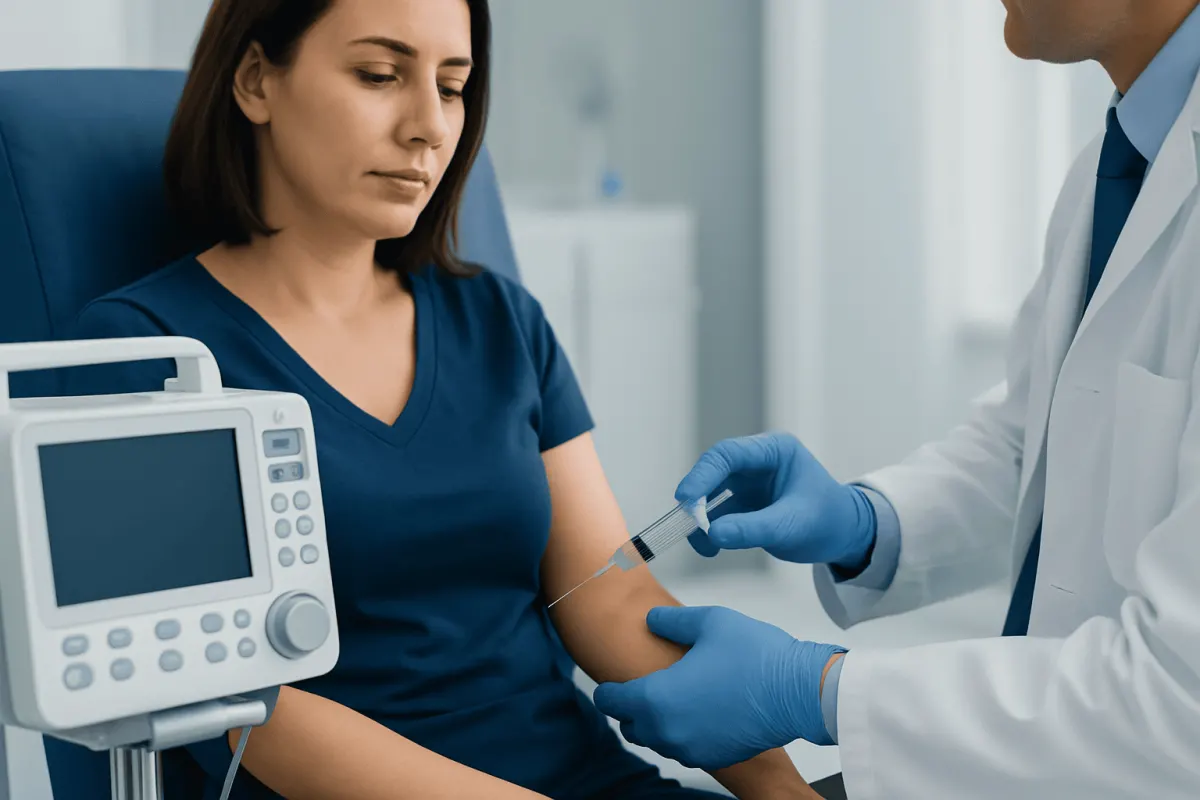
Maybe you saw “hCG injections” in an ad for rapid weight loss, or maybe your fertility clinic just handed you a syringe and a time to inject. Same hormone, two very different stories.
Inj HCG means an injection containing human chorionic gonadotropin (hCG), a hormone that can support ovulation in fertility treatment or stimulate testosterone production in selected male hormone conditions. What it does for you — and what it risks — depends entirely on why it was prescribed. That is why it belongs in the hands of a qualified doctor, not a diet plan you found online.
What Is Inj HCG?
Inj HCG means an injection of human chorionic gonadotropin, usually shortened to hCG. hCG is a hormone naturally made by the placenta during pregnancy. In medical care, manufactured hCG can be prescribed for specific reproductive and hormone-related conditions because it acts in ways that are similar to luteinizing hormone (LH), a hormone involved in ovulation and testosterone production.
An hCG injection is not the same thing as the hCG a pregnancy test picks up. The same hormone is involved, but an injection is a medication given for a planned clinical purpose. After an injection, hCG may remain detectable in blood or urine for a period of time, which can affect the interpretation of a pregnancy test.
Products may contain hCG obtained from urine or made using recombinant technology. The choice of product, dose, timing, and injection method depends on the person’s diagnosis, treatment plan, local approvals, and clinician’s judgment. hCG should not be started, borrowed, or adjusted without medical guidance.
How HCG Injections Are Used in Medical Care
Most people who receive hCG are having fertility treatment. In people who are not ovulating regularly, or who are having monitored fertility treatment, hCG can be used as a “trigger” injection. It helps the ovarian follicle complete egg maturation and can prompt ovulation, allowing intercourse, intrauterine insemination, or egg collection to be timed appropriately.
During in vitro fertilization (IVF), hCG or another trigger medicine may be used near the end of ovarian stimulation. The exact approach is individualized. Fertility specialists use ultrasound scans and hormone tests to assess follicle development and reduce avoidable risks. People exploring infertility evaluation and care may be assessed for ovulation disorders, tubal factors, sperm-related factors, and other causes before treatment is selected.
In some males, hCG can stimulate the testes to produce testosterone and sperm because it acts similarly to LH. It may be considered in selected cases of hypogonadotropic hypogonadism or in fertility-focused treatment for men whose hormone signaling from the brain is reduced. It is not appropriate for every cause of low testosterone, infertility, or erectile difficulty.
In children, hCG has been used only in carefully selected cases, such as some boys with undescended testes. Current management depends on the child’s age, anatomy, and specialist assessment, and surgery is often the preferred treatment for an undescended testicle. These decisions should be made by a pediatric urologist or pediatric endocrinologist.
What Inj HCG Does Not Do: Weight-Loss Claims and Myths

hCG injections are sometimes promoted as a way to lose weight, often alongside extremely restrictive eating plans. Medical evidence does not show that hCG causes meaningful weight loss, reduces hunger reliably, or changes body-fat distribution beyond the effects of severe calorie restriction. Major health authorities do not support hCG for weight loss.
Very-low-calorie diets can lead to rapid changes on the scale, but they may also cause fatigue, nutrient deficiencies, dehydration, gallstones, loss of lean muscle, and other health concerns when not medically supervised. So if the scale moves, that is the diet talking — not proof that the injection is working.
Claims that hCG “resets metabolism,” selectively burns abdominal fat, or is safe for anyone because it is a natural pregnancy hormone are not supported by good clinical evidence. A safe weight-management plan considers nutrition, physical activity, sleep, medical conditions, medicines, and emotional wellbeing. A clinician can help identify evidence-based options when weight is affecting health.
Possible Side Effects and Important Risks
What you might feel depends on the dose, the goal of treatment, and what else you are taking. Common concerns can include pain, redness, bruising, or swelling at the injection site. Some people may experience headache, tiredness, irritability, mood changes, or fluid retention. Anyone who develops a rash, facial swelling, wheezing, or trouble breathing after an injection needs urgent medical attention because these may indicate an allergic reaction.
For women receiving hCG as part of ovarian stimulation, an important risk is ovarian hyperstimulation syndrome (OHSS). This happens when the ovaries respond excessively to fertility medicines and fluid can shift into the abdomen or chest. The chance varies by individual factors and by the stimulation protocol, which is why monitoring and careful trigger selection matter. Pregnancy after fertility treatment may also be associated with a higher chance of multiple pregnancy when more than one egg is released or more than one embryo is transferred.
In males, hCG can increase testosterone production and may cause acne, breast tenderness or enlargement, mood changes, swelling, or changes in sexual development. In children, inappropriate exposure or dosing can cause signs of early puberty. These effects need prompt review by the prescribing clinician rather than self-adjustment of the medicine.
hCG is not suitable for everyone. A prescriber should review pregnancy status, fertility treatment history, hormone-sensitive cancers, unexplained vaginal bleeding, blood-clot risk, thyroid or adrenal disorders, heart or kidney disease, and other relevant conditions. The product information and the person’s clinical situation guide decisions about whether hCG can be used safely.
Monitoring, Timing, and Pregnancy Test Results
Timing is everything with hCG — it works best, and most safely, when the injection fits into a planned treatment schedule. In fertility care, clinicians may use transvaginal ultrasound and blood tests to monitor ovarian follicles and hormone levels before advising when to inject. The injection may be given under the skin or into a muscle, depending on the product and local instructions.
People should use only the exact preparation, injection technique, storage method, and schedule provided by their healthcare team. They should not use a missed dose late, take an extra dose, or combine hCG with fertility medicines obtained without a prescription. Incorrect timing can reduce the chance of the intended result and may increase risk.
Because the injection contains the hormone detected by pregnancy tests, testing too soon can produce a false-positive result. A fertility clinic will advise when a blood or urine pregnancy test is meaningful after a trigger injection, Frozen Embryo Transfer vs IVF: What Changes?" class="ahp-ilk">embryo transfer, insemination, or timed intercourse. New bleeding, pelvic pain, or uncertainty about a test result should be discussed with the care team.
When to Seek Medical Care
Anyone using hCG should contact their prescribing clinician promptly for worsening abdominal pain or bloating, rapid weight gain, persistent nausea or vomiting, reduced urination, marked swelling, dizziness, or shortness of breath. In a fertility treatment cycle, these symptoms may indicate OHSS or another condition that needs assessment.
Urgent medical care is needed for chest pain, severe shortness of breath, coughing blood, fainting, one-sided leg pain or swelling, sudden severe headache, weakness on one side of the body, or signs of a serious allergic reaction. Although these symptoms have many possible causes, they should never be managed by waiting at home.
After fertility treatment or a positive pregnancy test, severe one-sided pelvic pain, shoulder-tip pain, faintness, or heavy vaginal bleeding require urgent assessment. These symptoms can occasionally be associated with ectopic pregnancy or other urgent gynecological problems. Routine questions about side effects, missed injections, or pregnancy-test timing can usually be directed to the fertility clinic or prescribing doctor.
Using HCG Safely and Finding the Right Support
Before starting inj HCG, patients should tell their clinician about all prescription medicines, over-the-counter products, supplements, allergies, previous fertility treatments, and medical conditions. They should also ask what the medication is expected to achieve, how it will be monitored, which side effects are most relevant to them, and when to contact the clinic.
hCG should only be obtained through legitimate medical channels and used for its prescribed indication. Online products, unregulated “diet injections,” and advice to combine hCG with restrictive diets may expose people to ineffective or unsafe treatment. A prescription hormone injection is not a substitute for a full evaluation of irregular periods, difficulty conceiving, symptoms of low testosterone, or weight concerns.
For people seeking coordinated reproductive or hormone care, Acıbadem Health Point’s multidisciplinary specialists and JCI-accredited hospitals diagnose and treat these conditions for international patients. Whatever your situation, the first step is a proper assessment of you — not a one-size-fits-all injection plan.
Frequently asked questions
01What is inj HCG used for?
Inj HCG is mainly used in monitored fertility treatment to support final egg maturation and trigger ovulation. It can also be used for selected male hormone or fertility conditions and, in limited circumstances, certain pediatric conditions. The appropriate use depends on the diagnosis and a clinician’s assessment.
02Is hCG injection safe for weight loss?
hCG is not an evidence-based weight-loss treatment. Research has not shown that it reliably reduces appetite, changes metabolism, or causes fat loss beyond the effects of restrictive dieting. Using hCG for weight loss may delay more effective and safer care.
03How long can an hCG injection affect a pregnancy test?
An hCG injection can be detected by pregnancy tests for a period of time after it is given, creating a false-positive result if testing is done too early. The exact timing varies with the product, dose, and person. A fertility clinic can advise when testing will give a meaningful result.
04Can hCG injections increase the chance of twins?
In fertility treatment, hCG may be used after medicines that stimulate egg development. If more than one egg is released, the chance of a multiple pregnancy can increase. Monitoring helps clinicians tailor treatment and discuss this risk before the cycle begins.
05What are warning signs of OHSS after an hCG trigger injection?
Symptoms that need prompt medical advice include increasing abdominal swelling or pain, rapid weight gain, severe nausea or vomiting, reduced urination, and shortness of breath. OHSS is more likely in some ovarian stimulation cycles, but symptoms should always be reviewed by the fertility team. Severe breathing difficulty, chest pain, or fainting requires urgent care.
06Can men use hCG instead of testosterone treatment?
hCG and testosterone therapy have different roles. In selected men with reduced hormone signaling to the testes, hCG may stimulate the body’s own testosterone production and may be useful when fertility is a priority. It is not suitable for all forms of low testosterone, so evaluation by an endocrinologist or urologist is important.
This article is for general information only and is not a substitute for professional medical advice. Please consult a qualified doctor about your individual situation.
Hair transplant in Turkey — costs, graft counts & a free assessment
JCI-accredited · board-certified surgeons · reply within 24h
Add us as a Preferred Source to see more of our trusted health content across Google Search, AI Overviews and Discover.