

What Is Uterus Burst? A Complete Medical Guide
- 9 min read
- Published November 26, 2026
Key Takeaways
- Uterus burst usually refers to uterine rupture, a tear in the uterine wall.
- It is most often linked to pregnancy and previous uterine surgery, especially a prior cesarean scar.
- Sudden severe pain, abnormal fetal heart rate, heavy bleeding, or signs of shock can be warning signs.
- Rapid diagnosis and emergency delivery are essential to protect the mother and baby.
- Some people may lower risk with planned birth care and close monitoring in later pregnancies.
A “uterus burst” is a common phrase for uterine rupture, a rare but serious tear in the wall of the uterus. It is a medical emergency that usually happens in late pregnancy or during labor and needs immediate hospital care.
Overview
“Uterus burst” is a lay term people often use for uterine rupture, which means a tear through the muscle wall of the uterus. It is uncommon, but when it happens during pregnancy or labor, it is treated as an emergency because both the pregnant person and the baby can be affected very quickly.
Most uterine ruptures occur in people who have a scar on the uterus from a previous cesarean birth or other surgery, although they can happen without a known scar. The risk is highest during labor, especially when contractions are strong or labor is being medically induced or stimulated. In everyday language, the phrase sounds dramatic; medically, the focus is on fast recognition and rapid treatment.
For Myomectomy Recovery for International Patients: The Usual Travel Timeline" class="ahp-ilk">international patients deciding where to give birth, it is helpful to know that a hospital with experienced obstetric teams can watch for warning signs, respond to emergencies, and coordinate surgery when needed. Clear planning matters most when there is a history of uterine surgery or a previous complicated delivery.
Symptoms
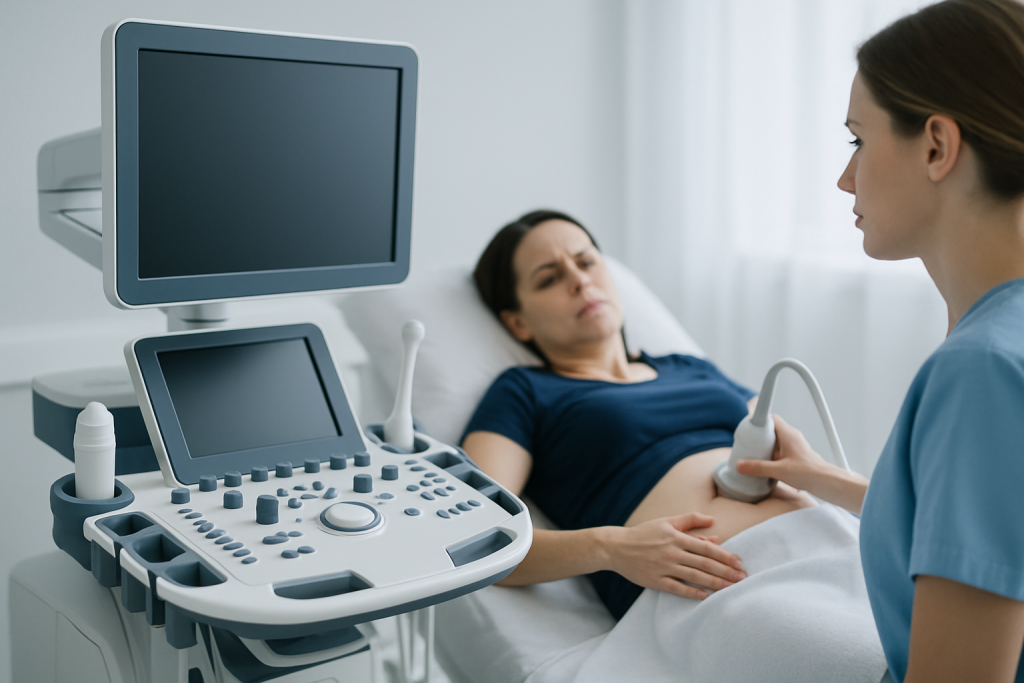
The symptoms of uterine rupture can vary, and sometimes the first clue is a change in the baby’s heart rate rather than a dramatic symptom in the mother. Still, some warning signs deserve immediate attention, especially during labor or late pregnancy.
- Sudden, severe abdominal pain
- Ongoing pain between contractions or pain that feels different from labor
- Common Causes and How Doctors Evaluate It" class="ahp-ilk">Vaginal bleeding
- Loss of the baby’s station in the pelvis or a change in labor progress
- Abnormal fetal heart rate pattern
- Dizziness, fainting, rapid pulse, or low blood pressure
Not every person will have all of these signs. In some cases, the uterus ruptures incompletely or begins as a small tear, so the symptoms may be less obvious at first. Because the condition can worsen quickly, any sudden change in pain or bleeding during pregnancy should be assessed promptly.
People who have had a previous cesarean birth often hear their care team talk about “watching the scar.” That does not mean trouble is expected; it means the team is aware of the history and ready to react if labor does not follow the usual pattern.
Causes & Risk Factors
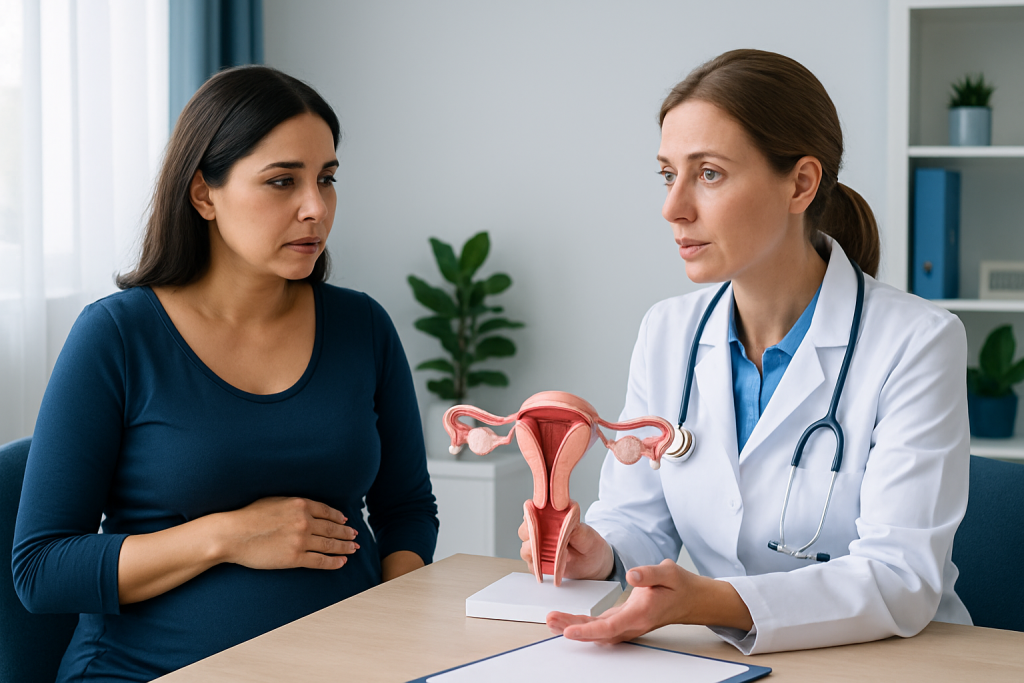
Uterine rupture usually happens when the wall of the uterus is weakened or placed under significant stress. The most common risk factor is a scar from prior surgery, especially a cesarean section. Other uterine surgeries, such as removal of fibroids, may also leave scar tissue that deserves careful review in later pregnancies.
Factors that can raise the chance of rupture include a previous uterine rupture, multiple cesarean deliveries, labor induction or augmentation, an unusually strong contraction pattern, and certain forms of assisted delivery planning. A very large baby, twins, or unusual positioning can also make labor more complex, though they do not automatically mean rupture will occur.
Some ruptures occur in people without a surgical scar. In those cases, the uterus may be stressed by trauma, abnormal placental attachment, or rarely by conditions affecting the strength of the uterine wall. This is one reason why obstetric history, ultrasound findings, and labor monitoring are all important parts of planning care.
Diagnosis
Uterine rupture is diagnosed based on the clinical picture, often in an emergency setting. During labor, the care team may notice an abnormal fetal heart tracing, sudden maternal pain, blood pressure changes, or loss of normal labor progress. These signs can prompt urgent evaluation and immediate action.
Imaging is not always the first step because time matters. Ultrasound may help in some situations, but a rupture is often diagnosed in the operating room based on symptoms and findings. If the person is stable, the medical team may review the pregnancy history, prior surgeries, placental location, and the pattern of labor to understand the likely cause.
For patients who are planning a pregnancy or traveling for delivery care, sharing old operative reports, prior discharge summaries, and records of cesarean or uterine surgery can be very helpful. Those details help clinicians decide whether a planned repeat cesarean, labor monitoring, or a different delivery approach is safest.
Treatment Options
Uterine rupture requires emergency treatment. The immediate priority is to stabilize the pregnant person, evaluate the baby’s condition, and move to delivery as quickly as possible if the rupture is confirmed or strongly suspected. In many cases, this means an emergency cesarean birth followed by surgical repair of the uterus.
If the tear is extensive or bleeding cannot be controlled, removal of the uterus, called hysterectomy, may be necessary to save the person’s life. Blood transfusion, IV fluids, anesthesia care, and close monitoring in a hospital recovery unit are often part of treatment. The exact plan depends on the size and location of the tear, the amount of bleeding, and whether the baby shows signs of distress.
After recovery, follow-up care usually includes pain control, anemia assessment if there was blood loss, wound care, and counseling about future pregnancies. Some people will be advised that another pregnancy is possible with careful specialist monitoring, while others may be told that the safest future plan is different. These decisions are individual and should be made with an obstetric specialist who understands the surgical details.
Prevention & Self-care
Not every rupture can be prevented, but risk can often be reduced with thoughtful planning. The most important step is to tell the obstetric team about any prior cesarean birth, myomectomy, uterine rupture, or other uterine surgery. That history helps doctors decide how to monitor labor and whether a planned delivery approach is safer.
People with a uterine scar may need a discussion about the safest type of birth, especially if labor has started earlier than expected. Care teams may avoid or use labor-inducing medicines cautiously in some situations, depending on the scar type and the full pregnancy picture. Regular prenatal visits and timely ultrasound follow-up can also help identify issues that need closer observation.
Self-care is mostly about prompt communication and not ignoring symptoms. During pregnancy, any sudden severe pain, bleeding, reduced fetal movement, or feeling faint should be reported immediately. For patients coming from abroad, keeping medical records accessible and arranging delivery in a hospital with surgical backup can make care smoother and safer.
When to See a Doctor
Urgent medical help is needed right away if a pregnant person has sudden severe abdominal pain, vaginal bleeding, faintness, or a baby’s movement seems reduced. During labor, a change in pain pattern, worsening distress, or a team member’s concern about the fetal heart rate should be taken seriously and evaluated without delay.
People with a history of cesarean birth or uterine surgery should speak with an obstetrician early in pregnancy, rather than waiting until labor starts. That visit is a good time to review old records, ask about the safest delivery plan, and discuss where emergency surgery would be available if needed.
In international care journeys, the safest plan is the one that is clear before travel begins. If surgery or close monitoring may be needed, a hospital with multidisciplinary specialists can organize care more efficiently. Acibadem Health Point’s multidisciplinary specialists and JCI-accredited hospitals diagnose and treat this condition for international patients.
Living After a Uterine Rupture
Recovery after a uterine rupture can include physical healing and emotional recovery. Some people feel relief that they and the baby are safe, while others may need time to process a frightening birth experience. Follow-up visits are important for checking healing, discussing future fertility, and reviewing the operative report.
Future pregnancy advice depends on the details of the rupture and the surgery performed. A specialist may recommend waiting before trying again, planning for delivery in a well-equipped hospital, and avoiding labor in some cases. Because every situation is different, it is best not to rely on general internet advice when making decisions about another pregnancy.
Questions about scars, future delivery method, and travel timing are normal. A patient-centered obstetric team can explain what happened in clear language and help the person understand what to expect next.
Frequently asked questions
01What does “uterus burst” mean medically?
It usually refers to uterine rupture, which is a tear in the wall of the uterus. This is a serious pregnancy-related emergency that needs immediate hospital care.
02Can a uterus burst happen outside pregnancy?
Uterine rupture is much more likely during pregnancy or labor. Outside pregnancy, it is very uncommon, though injury or prior surgery can affect the uterus in different ways.
03What is the biggest risk factor for uterine rupture?
A scar on the uterus from a previous cesarean birth or other uterine surgery is the most common risk factor. The exact risk depends on the type of scar and the person’s full medical history.
04Is uterine rupture always fatal for the baby or mother?
No, but it can be life-threatening if not treated quickly. Fast diagnosis and emergency delivery greatly improve the chances of a good outcome.
05Can someone have a vaginal birth after a cesarean and still be safe?
Sometimes, yes, but it depends on the prior surgery and the current pregnancy. A doctor should review the individual history and explain whether a trial of labor is appropriate.
06How can a pregnant person prepare if they had a prior uterine surgery?
They should bring all surgical records to prenatal care and discuss delivery planning early. This helps the obstetric team choose the safest monitoring and birth plan.
This article is for general information only and is not a substitute for professional medical advice. Please consult a qualified doctor about your individual situation.
Heart care in Turkey — expert evaluation and treatment
JCI-accredited · board-certified surgeons · reply within 24h
Add us as a Preferred Source to see more of our trusted health content across Google Search, AI Overviews and Discover.



How can we help you today?
Meet an Acibadem specialist by secure video, before you travel.
Book a video visit