

What Is a Hysterectomy?
- 10 min read
- Published November 12, 2026
Key Takeaways
- A hysterectomy removes the uterus and may also involve other reproductive organs depending on the reason for surgery.
- It is commonly used for conditions such as fibroids, endometriosis, abnormal bleeding, prolapse, or certain cancers.
- Recovery depends on the surgical approach, overall health, and whether the person travels home after treatment.
- Many people notice symptom relief after surgery, but follow-up care and emotional support can be just as important as the operation itself.
- A doctor can explain whether a hysterectomy is the best option or whether other treatments may be suitable first.
A hysterectomy is surgery to remove the uterus, and sometimes the cervix, ovaries, or fallopian tubes as well. It may be recommended for several gynecologic conditions when symptoms are severe, treatments have not helped, or another approach is medically appropriate.
Overview
A hysterectomy is an operation that removes the uterus, the organ where a pregnancy develops. After the surgery, a person will no longer have menstrual periods or be able to become pregnant. Depending on the medical reason for the procedure, the surgeon may remove only the uterus, or also the cervix, fallopian tubes, and ovaries.
There is no single reason people undergo hysterectomy. For some, it is the final step after months or years of trying medicines, hormone treatment, or other procedures that did not bring enough relief. For others, it is recommended sooner because of cancer, precancer, or significant pelvic organ prolapse. The right decision is usually made after reviewing symptoms, imaging, biopsy results, fertility goals, and overall health.
For Myomectomy Recovery for International Patients: The Usual Travel Timeline" class="ahp-ilk">international patients, understanding the type of hysterectomy being proposed matters as much as knowing the diagnosis itself. A clear plan should include where the operation will be done, how long recovery may take, what follow-up is needed after returning home, and which warning signs should prompt medical attention later.
Symptoms That Can Lead to Surgery

A hysterectomy is not a symptom in itself; it is a treatment for underlying gynecologic problems. People are often referred to discuss the surgery because of persistent heavy bleeding, pelvic pain, pressure in the lower abdomen, or repeated anemia from blood loss. Some also notice pain during intercourse or urinary and bowel symptoms linked to pelvic support problems.
Common situations that may lead to a hysterectomy discussion include uterine fibroids, adenomyosis, endometriosis, chronic abnormal uterine bleeding, uterine prolapse, and certain cancers of the uterus, cervix, or ovaries. In some cases, symptoms come and go; in others, they steadily interfere with work, sleep, travel, exercise, or daily life.
It is important to remember that symptoms alone do not automatically mean surgery is needed. Many people improve with medication, hormone therapy, minimally invasive procedures, or pelvic floor treatment. A careful assessment helps determine whether hysterectomy offers the best balance of benefit, recovery time, and long-term results.
Causes & Risk Factors
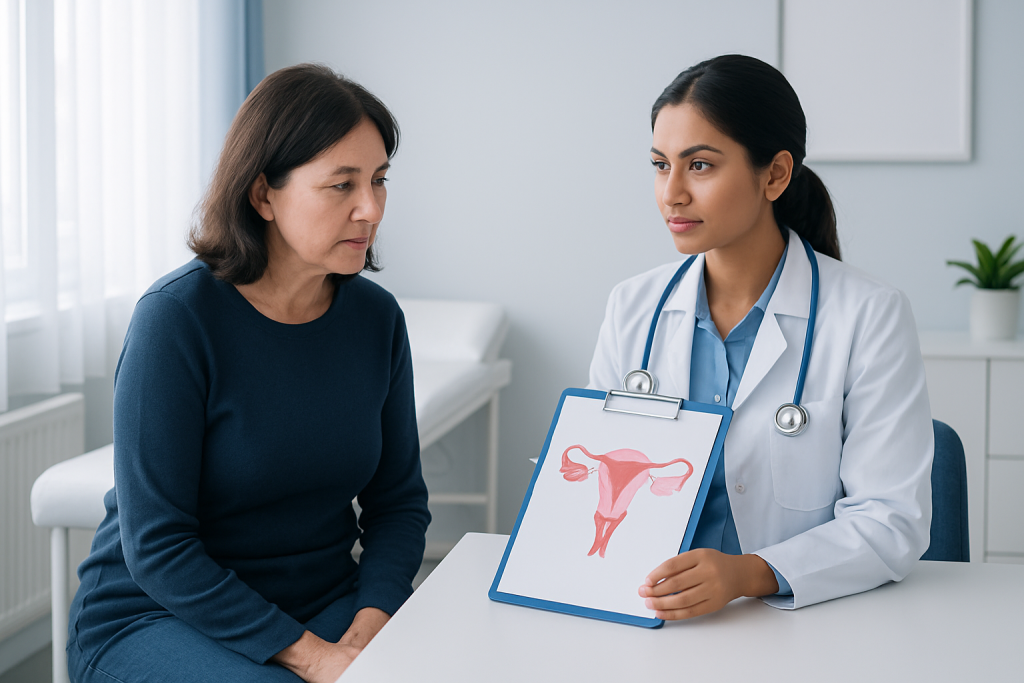
Hysterectomy is usually recommended because of a specific condition affecting the uterus or nearby pelvic organs. Fibroids are among the most common reasons; these are noncancerous growths that can cause heavy bleeding, pressure, and pain. Endometriosis and adenomyosis can also lead to severe discomfort and bleeding that do not respond well to other treatments.
Risk factors vary with the underlying condition rather than with the surgery itself. A history of multiple pregnancies, prior pelvic surgery, hormonal influences, age, family history of gynecologic disease, and certain inherited cancer syndromes may influence whether a hysterectomy becomes part of care. In cancer-related cases, the operation may be part of a broader treatment plan that includes staging, chemotherapy, or radiation.
The choice of surgery is also influenced by anatomy and overall health. Scar tissue from previous operations, the size of the uterus, obesity, heart or lung disease, and the need for cancer removal can affect whether a vaginal, laparoscopic, robotic-assisted, or abdominal approach is most suitable. A surgeon will usually explain why one method is safer or more effective than another for a particular patient.
Diagnosis Before a Hysterectomy
Before hysterectomy is recommended, doctors usually confirm the cause of symptoms with a history, pelvic examination, and testing. Depending on the situation, this may include ultrasound, MRI, Pap testing, endometrial biopsy, blood tests for anemia, or other imaging studies. If cancer is suspected, the workup may become more detailed to guide surgery and staging.
Diagnosis is not only about naming the condition; it is also about deciding whether surgery is truly needed. For example, heavy bleeding may be treated with medication, a hormonal device, or a less extensive procedure if the uterus is otherwise healthy. A person who wants to preserve fertility may need different options than someone who has completed childbearing.
Patients often benefit from asking for a plain-language explanation of the findings: what the test showed, which organs are involved, what alternatives exist, and what would happen if surgery is delayed. This is especially helpful for international patients arranging care across countries, because it supports informed decisions before travel and helps plan the return home.
Treatment Options and Types of Hysterectomy
Not every hysterectomy is the same. The most common types include total hysterectomy, which removes the uterus and cervix; subtotal or supracervical hysterectomy, which removes the uterus but leaves the cervix; and radical hysterectomy, which removes more surrounding tissue and is usually used for cancer. In some cases, the fallopian tubes and ovaries are removed as well, but that depends on age, diagnosis, and long-term health considerations.
The surgical approach can also differ. Vaginal hysterectomy is performed through the vagina, laparoscopic hysterectomy uses small abdominal incisions and a camera, robotic-assisted surgery is a form of minimally invasive laparoscopy using a robotic system, and abdominal hysterectomy uses a larger incision in the lower abdomen. Each approach has its own advantages, limitations, and recovery pattern.
Before surgery, the care team usually reviews anesthesia, expected hospital stay, pain control, mobility after the operation, and whether a blood transfusion might ever be needed. After surgery, people may need guidance on wound care, lifting limits, pelvic rest, bowel habits, and the timing of follow-up visits. For those traveling internationally, discharge planning should also address flying, hotel recovery, local support, and when it is safe to fly home.
What Recovery Usually Involves
Recovery depends heavily on the type of hysterectomy and the individual’s health. Minimally invasive procedures often allow a shorter hospital stay and quicker return to light activity, while abdominal surgery typically requires a longer recovery period. Fatigue, abdominal soreness, light vaginal bleeding, and temporary changes in bowel or bladder habits can be part of normal healing.
Most doctors advise gradual walking, avoiding heavy lifting, and following instructions about bathing, driving, exercise, and sexual activity. Pain generally improves over time, but recovery should not be rushed. If the ovaries are removed, some people may experience symptoms of menopause sooner, which can affect sleep, mood, and comfort.
Healing after a hysterectomy is not only physical. Some people feel relief, while others may notice sadness, uncertainty, or a sense of loss, especially if fertility was a concern. Talking with a clinician, counselor, or trusted support person can help patients process the change and return to routines with more confidence.
Prevention & Self-care
Most people cannot prevent a condition that eventually leads to hysterectomy, but they can often reduce complications and improve recovery. Managing anemia before surgery, stopping smoking if relevant, controlling diabetes or blood pressure, and following preoperative instructions can all support safer healing. Good nutrition, hydration, and gentle movement are also helpful.
After surgery, self-care is usually centered on rest, wound care, and observing the body closely without overchecking every sensation. A person should follow the surgeon’s instructions on medications, stool softeners if recommended, and follow-up appointments. It can also help to prepare the home in advance with loose clothing, easy meals, and help from family or friends.
International patients may want to plan a recovery window that is longer than the flight itself. That means arranging a safe place to rest, keeping copies of medical records, understanding who to contact if concerns arise after returning home, and scheduling any remote or local follow-up before leaving the treatment country.
When to See a Doctor
A doctor should be consulted if heavy bleeding, pelvic pain, pressure symptoms, or repeated anemia are affecting daily life. It is also important to seek medical advice if tests suggest fibroids, endometriosis, prolapse, precancer, or cancer, because the treatment plan may need to be adjusted promptly. A timely specialist review can clarify whether hysterectomy is appropriate or whether other options should be tried first.
After surgery, medical help should be sought for fever, worsening pain, heavy bleeding, foul-smelling discharge, redness or drainage from an incision, shortness of breath, chest pain, or swelling in one leg. These symptoms do not always mean a serious complication, but they do deserve prompt assessment.
For people traveling for care, it is wise to know where follow-up will happen and which symptoms should trigger urgent attention after returning home. Acibadem Health Point’s multidisciplinary specialists and JCI-accredited hospitals diagnose and treat hysterectomy-related conditions for international patients, with care planning designed to support both treatment and recovery across borders.
Living Well After Surgery
Many people find that life becomes easier after the condition leading to hysterectomy is treated, especially when bleeding, pain, or pressure had been limiting daily activity for a long time. Still, recovery is individual. Returning to exercise, work, intimacy, and travel usually happens step by step, guided by the surgeon’s advice and the body’s pace.
Ongoing health care may still matter even after the uterus is removed. If the cervix remains, routine cervical screening may still be needed. If ovaries are retained, hormone function continues, but if they are removed, menopause-related support may be important. Regular follow-up helps make sure healing is progressing well and that any longer-term changes are addressed early.
For anyone considering this operation, the most useful next step is often a detailed conversation with a gynecologist who can explain the reason for surgery, the type planned, and the recovery path in practical terms. That discussion can turn an unfamiliar diagnosis into a clear plan.
Frequently asked questions
01What is a hysterectomy in simple terms?
A hysterectomy is surgery to remove the uterus. Depending on the medical reason, the cervix, fallopian tubes, and ovaries may also be removed. After the operation, pregnancy is no longer possible and menstrual periods stop.
02Why would someone need a hysterectomy?
It may be recommended for conditions such as fibroids, endometriosis, adenomyosis, abnormal bleeding, pelvic organ prolapse, or certain cancers. Doctors usually consider other treatments first unless surgery is clearly the best option. The decision depends on symptoms, test results, and future fertility goals.
03Are there different types of hysterectomy?
Yes. The main types are total, subtotal, and radical hysterectomy, and the surgeon may also remove the fallopian tubes or ovaries. The operation can be done vaginally, through small laparoscopic incisions, robotically, or through a larger abdominal incision.
04How long does recovery take?
Recovery varies with the surgical approach and the person’s overall health. Minimally invasive surgery often allows a faster return to light activity than abdominal surgery. A surgeon will usually give specific guidance on lifting, driving, travel, and returning to work.
05Will a hysterectomy cause menopause?
Not always. If the ovaries are kept, menopause usually does not begin right away because the ovaries continue to make hormones. If the ovaries are removed, menopause symptoms can start sooner and should be discussed with the doctor.
06Can someone still need checkups after a hysterectomy?
Yes. Follow-up is important to check healing and to review any pathology results if tissue was removed. Some people may still need screening or longer-term care, depending on whether the cervix or ovaries were left in place and why the surgery was done.
This article is for general information only and is not a substitute for professional medical advice. Please consult a qualified doctor about your individual situation.
Persistent digestive symptoms? Get evaluated in Turkey
JCI-accredited · board-certified surgeons · reply within 24h
Add us as a Preferred Source to see more of our trusted health content across Google Search, AI Overviews and Discover.



How can we help you today?
Meet an Acibadem specialist by secure video, before you travel.
Book a video visit