What Is Uterus is Tilted? A Complete Medical Guide

Key Takeaways
- A tilted uterus is usually a normal variation, not a disease.
- Many people have no symptoms and discover it during a pelvic exam or ultrasound.
- Pelvic pain, painful periods, or painful sex may be related to an underlying condition rather than the tilt itself.
- Most tilted uteruses do not affect fertility, pregnancy, or daily life.
- Doctors may recommend treatment only if symptoms come from a separate cause such as endometriosis or fibroids.
A uterus is tilted when it sits in a slightly different position in the pelvis, usually leaning backward instead of forward. In most cases, it is a normal anatomical variation and does not require treatment, but symptoms or related conditions may need medical attention.
Overview: what it means when the uterus is tilted
When people ask what it means if the uterus is tilted, the short answer is that the uterus is angled differently within the pelvis. The most common tilt is called a retroverted uterus, which means the uterus leans backward toward the spine rather than forward toward the bladder.
This position is usually just one of several normal anatomical variations. A tilted uterus is not, by itself, an illness, and many people never notice it. It may be found during a routine gynecologic examination, a pregnancy check, or a pelvic ultrasound done for another reason.
For some people, the topic becomes relevant because of symptoms such as pelvic pain, discomfort during intercourse, or concerns about fertility. In those situations, the important question is not simply whether the uterus is tilted, but whether another condition may be present at the same time.
Symptoms: what a tilted uterus may and may not cause
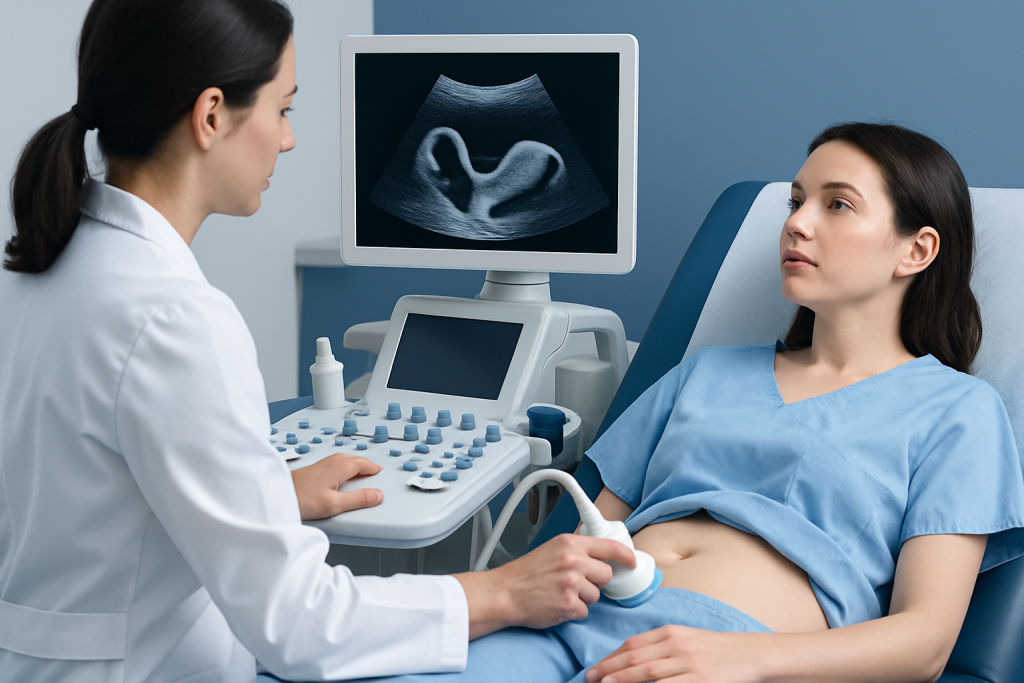
Most people with a tilted uterus have no symptoms at all. The position alone often does not change menstrual cycles, general health, or the ability to become pregnant. This is why many people only learn about it incidentally.
If symptoms do occur, they are more often linked to the condition causing the uterine position or to the way nearby organs and tissues respond. Common concerns can include lower abdominal or pelvic discomfort, pain with sexual intercourse, lower back discomfort, or difficult menstrual periods.
It is helpful to remember that these symptoms are not specific to a tilted uterus. They can also occur with endometriosis, fibroids, pelvic inflammatory disease, ovarian cysts, or other gynecologic conditions, so a careful evaluation is important.
- Many people notice no symptoms at all.
- Painful intercourse may happen in some cases, but it is not inevitable.
- Heavy or painful periods usually point to another cause that should be checked.
Causes and risk factors: why the uterus may lean backward
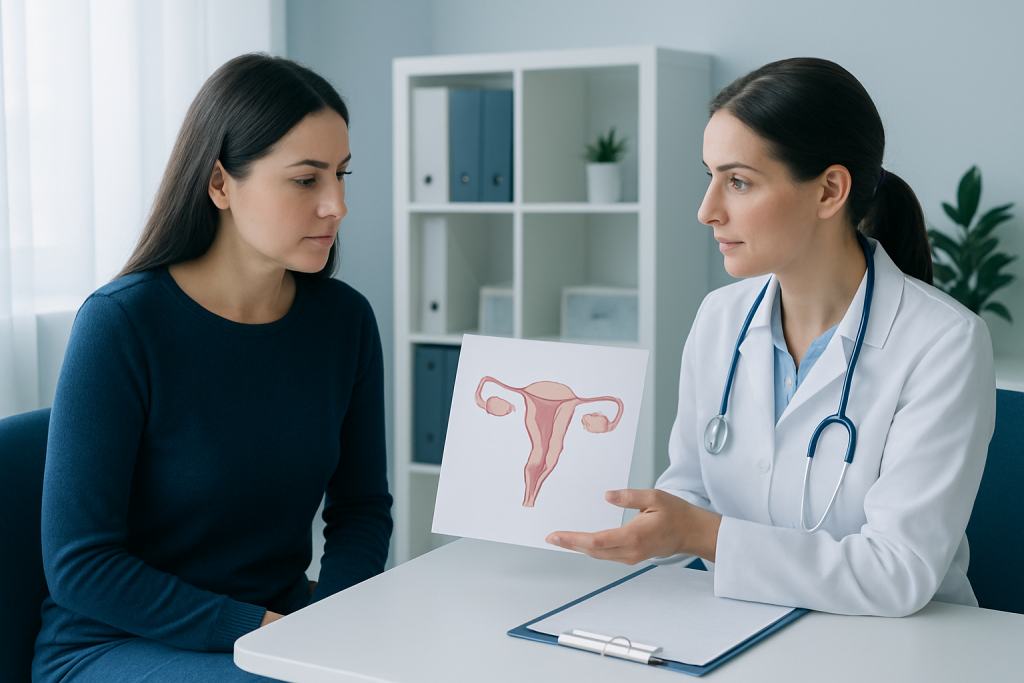
A uterus can be tilted because of natural anatomy, and some people are simply born with this uterine position. In other cases, the uterus may shift after pregnancy and childbirth as the supporting ligaments and pelvic floor change over time.
Sometimes the tilt develops or becomes more noticeable because of conditions that alter the shape or movement of pelvic organs. These may include endometriosis, adhesions from prior surgery or infection, fibroids, or pelvic inflammatory disease. Scar tissue can sometimes pull the uterus into a different position.
Risk factors are therefore less about the tilt itself and more about the conditions associated with it. A history of pelvic surgery, severe menstrual pain, chronic pelvic infection, or known endometriosis may make a clinician look more closely at the pelvic anatomy.
Diagnosis: how doctors confirm the position and look for related conditions
Doctors usually identify a tilted uterus during a pelvic examination. They may then confirm the position with imaging, most often a pelvic ultrasound, especially if there are symptoms or if another pelvic condition needs to be ruled out.
The main goal of diagnosis is not simply to label the angle of the uterus. It is to understand whether the tilt is an isolated finding or part of a broader picture. That is why the clinician may ask about period pain, sexual discomfort, urinary symptoms, prior infections, fertility concerns, and surgical history.
If the history or examination suggests another problem, additional testing may be recommended. This may include more detailed imaging or, in selected cases, specialist evaluation for endometriosis, fibroids, or other causes of pelvic pain.
Treatment options: when care is needed and when it is not
In many cases, a tilted uterus needs no treatment at all. If it is an incidental finding and the person has no symptoms, reassurance and routine gynecologic follow-up are usually enough.
When symptoms are present, treatment focuses on the underlying cause rather than trying to force the uterus into a different position. For example, endometriosis, fibroids, pelvic infection, or adhesions may be managed with medication, procedures, or surgery depending on the situation. Pain relief strategies may also be discussed as part of a broader care plan.
In rare situations, a very mobile uterus may be temporarily repositioned by a clinician, but this is not common and is not a long-term solution for most people. A treatment plan should always be individualized, especially when someone is considering pregnancy or has persistent pelvic symptoms.
- No treatment is needed if the tilt causes no problems.
- Underlying causes such as endometriosis may require targeted care.
- Persistent pain deserves evaluation rather than self-diagnosis.
Fertility, pregnancy, and daily life: what patients should know
For most people, a tilted uterus does not prevent pregnancy. It is generally not considered a cause of infertility on its own. If conception is taking longer than expected, clinicians usually look for other explanations such as ovulation issues, sperm factors, tubal disease, or endometriosis.
During pregnancy, the uterus usually expands and changes position as the pregnancy progresses. A tilted uterus typically does not interfere with the pregnancy course. In early pregnancy, some people may have a fuller feeling in the pelvis or need occasional follow-up if there are symptoms, but the tilt itself is not usually a problem.
Daily activities, exercise, and sexual health are usually not restricted because of a tilted uterus. If there is pain, pressure, or bleeding, the cause should be assessed rather than assuming the angle of the uterus is responsible.
Prevention and self-care: supporting comfort and monitoring symptoms
A tilted uterus itself cannot usually be prevented, because it is often part of a person’s normal anatomy. What can be helpful is paying attention to symptoms and addressing conditions that may affect the pelvis, such as infections or endometriosis, early.
Self-care is mainly about comfort and observation. Keeping track of menstrual patterns, pain location, and whether discomfort occurs during intercourse can help a doctor make a clearer assessment. Gentle heat, rest during crampy periods, and approved over-the-counter pain relief may be discussed with a clinician if needed.
If someone is traveling for care or coordinating follow-up from another country, it can help to bring prior imaging reports, surgery notes, and a list of symptoms. That makes it easier for the receiving specialist to understand whether the uterus tilt is an isolated finding or part of a larger pelvic health issue.
When to see a doctor: signs that deserve evaluation
Medical evaluation is sensible if pelvic pain is ongoing, periods are unusually painful or heavy, intercourse is painful, or pregnancy has not occurred after a reasonable period of trying. These symptoms do not automatically mean the tilted uterus is the cause, but they do deserve proper assessment.
Prompt care is especially important if there is sudden severe pelvic pain, fever, unusual vaginal discharge, fainting, or heavy bleeding. Those symptoms may signal an infection or another condition that needs urgent attention.
For people seeking a second opinion or a more comprehensive workup, a multidisciplinary gynecology team can help sort out anatomy from disease. At Acibadem Health Point, multidisciplinary specialists in JCI-accredited hospitals evaluate and treat conditions like this for Myomectomy Recovery for International Patients: The Usual Travel Timeline" class="ahp-ilk">international patients, with attention to diagnosis, follow-up, and continuity of care.
Frequently asked questions
01What does it mean if the uterus is tilted?
It usually means the uterus leans backward instead of forward in the pelvis. This is commonly called a retroverted or tilted uterus and is often a normal anatomical variation. By itself, it is usually not a disease.
02Can a tilted uterus cause pain?
Sometimes pain is reported, but the tilt itself is not always the true cause. Pelvic pain, painful periods, or painful sex may be related to another condition such as endometriosis or fibroids. A clinician can help identify the source.
03Does a tilted uterus affect fertility?
In most cases, no. A tilted uterus alone usually does not prevent pregnancy or make conception difficult. If fertility is delayed, doctors typically look for other causes first.
04Can pregnancy happen with a tilted uterus?
Yes, pregnancy is usually possible and often progresses normally. The uterus changes position as it grows, so the original tilt commonly becomes less relevant during pregnancy. If there are symptoms, they should still be reviewed by a doctor.
05How is a tilted uterus diagnosed?
Doctors often notice it during a pelvic exam and may confirm it with ultrasound. They also look for related conditions if there are symptoms such as pain or bleeding. The diagnosis is usually part of a broader pelvic assessment.
06Does a tilted uterus need treatment?
Not usually, unless it is linked to symptoms or another condition. Treatment focuses on the underlying cause rather than the uterine position itself. If there are no symptoms, reassurance is often all that is needed.
This article is for general information only and is not a substitute for professional medical advice. Please consult a qualified doctor about your individual situation.
Joint and spine care in Turkey — expert assessment & treatment
JCI-accredited · board-certified surgeons · reply within 24h
Add us as a Preferred Source to see more of our trusted health content across Google Search, AI Overviews and Discover.