What Is Rehabilitation? Types, Goals, and How It Helps Recovery
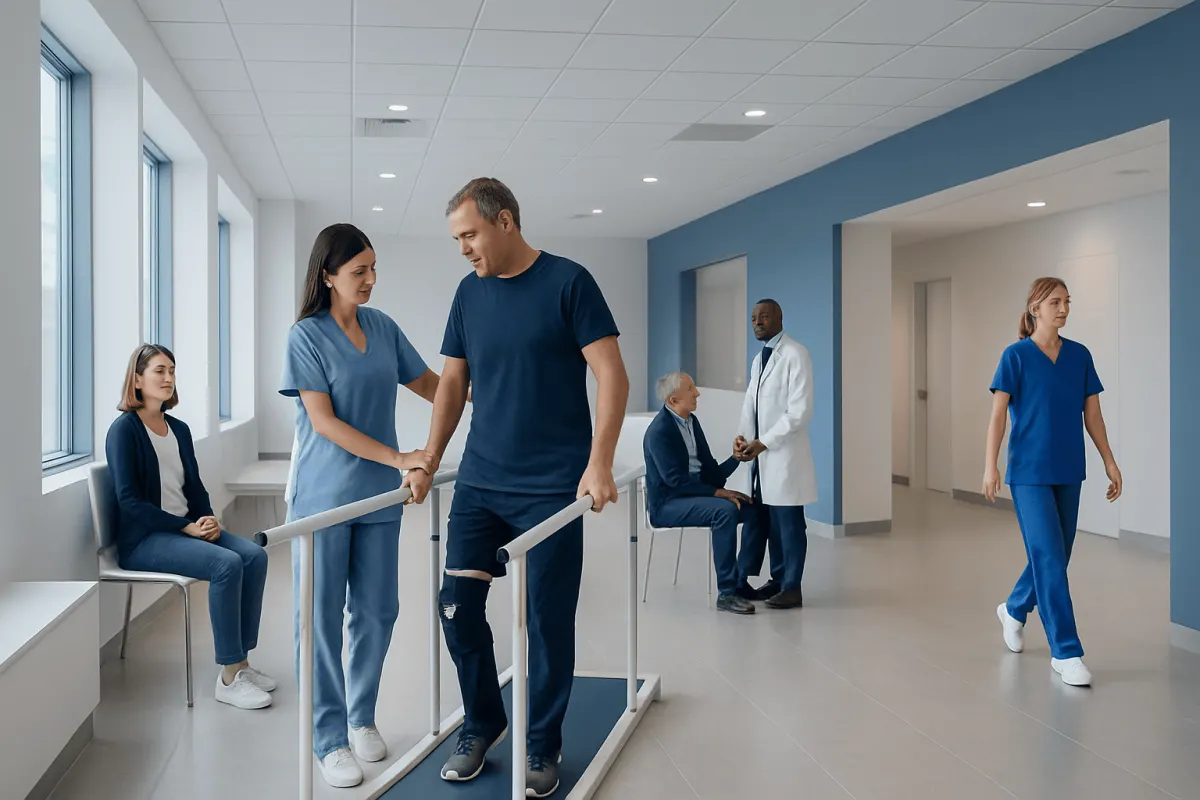
Rehabilitation is a personalized process that helps people recover function, reduce symptoms, and improve independence after illness, injury, surgery, or long-term health conditions. It can include physical, occupational, speech, psychological, and other supportive therapies tailored to a person’s needs and goals.
Overview: what rehabilitation means
Rehabilitation is a form of care designed to help a person recover or improve abilities that may be affected by illness, injury, surgery, or a long-term medical condition. Its main purpose is not only to treat symptoms, but also to support daily function, independence, and participation in work, school, family life, and social activities. Rehabilitation can benefit children, adults, and older people, depending on their needs.
Rather than being a single treatment, rehabilitation is usually a coordinated plan. It may involve exercises, education, assistive devices, practical training, symptom management, and emotional support. The plan is built around what matters most to the individual, such as walking safely, speaking clearly, returning to work, managing pain, or performing self-care tasks more easily.
Rehabilitation may be short term, such as after a fracture or operation, or long term for conditions that affect movement, communication, thinking, breathing, or daily independence. In many cases, a multidisciplinary team works together so that care is comprehensive and realistic. This team may include doctors, nurses, physiotherapists, occupational therapists, speech and language therapists, psychologists, dietitians, and social workers.
Who may need rehabilitation
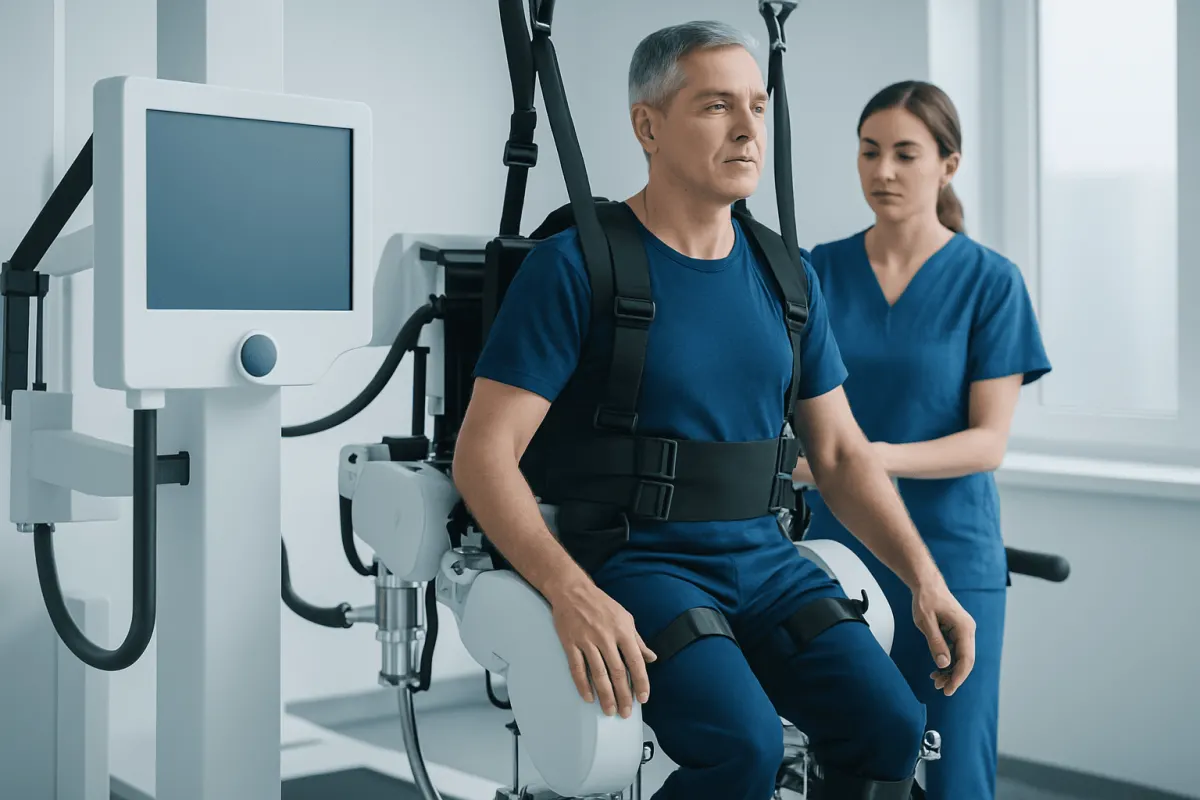
Many different health situations can lead to rehabilitation needs. A person may need support after a stroke, spinal injury, bone fracture, joint replacement, major surgery, sports injury, heart event, lung disease flare, or prolonged hospital stay. Rehabilitation is also commonly used for neurological disorders, chronic pain, cancer recovery, balance problems, arthritis, and age-related loss of function.
It is not limited to severe disability. Even mild changes in strength, endurance, speech, memory, coordination, swallowing, or confidence can affect daily life. Rehabilitation can help when a person has trouble walking, climbing stairs, dressing, bathing, writing, cooking, returning to work, communicating, or participating in activities they enjoy.
Sometimes rehabilitation is part of recovery from a specific condition, such as stroke or a spinal cord problem. In other cases, it is used after treatment such as physical therapy and rehabilitation or after surgery to restore movement and function. The need for rehabilitation is based on how a person is functioning, not only on the medical diagnosis itself.
Types of rehabilitation
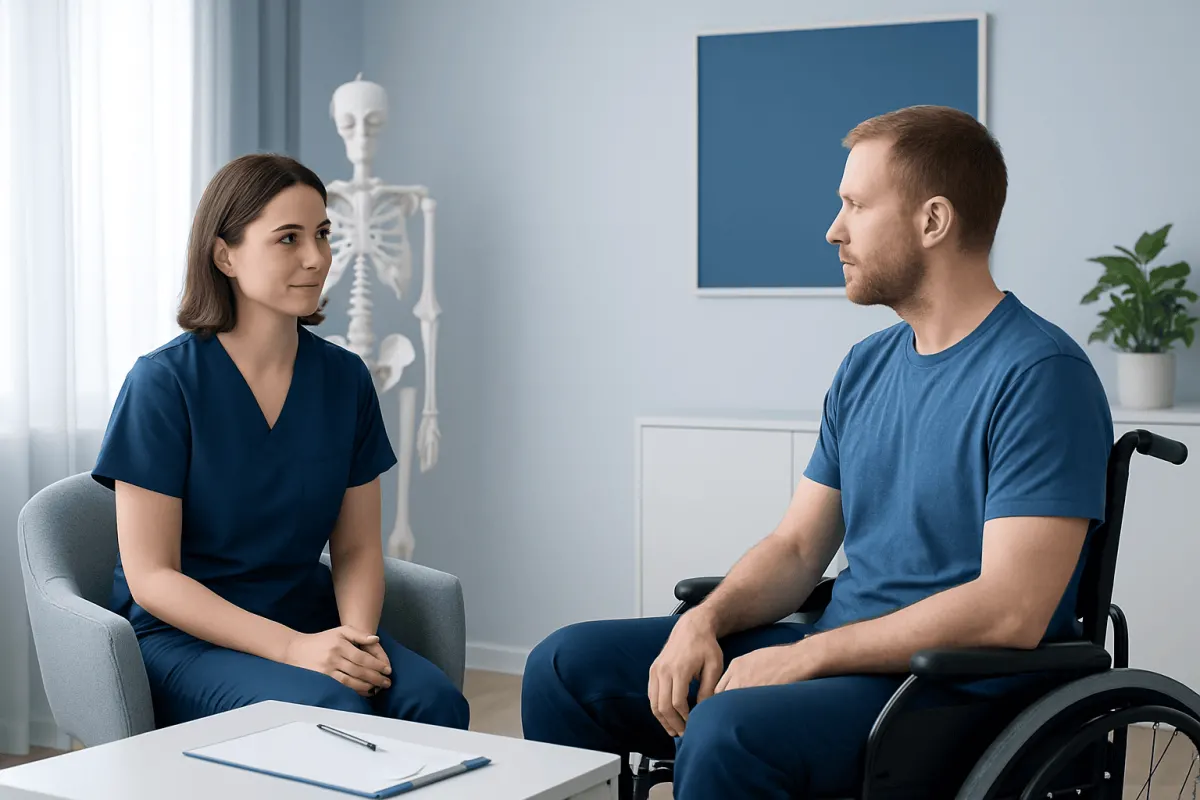
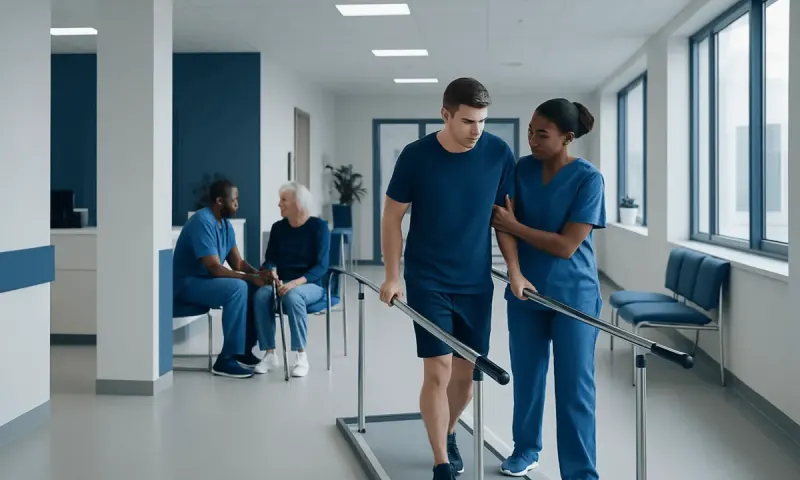
There are several types of rehabilitation, and many people receive more than one at the same time. Physical rehabilitation focuses on movement, strength, balance, coordination, endurance, and pain management. It often includes exercise programs, gait training, posture work, stretching, and techniques that help a person move more safely and comfortably.
Occupational rehabilitation helps people manage everyday tasks and regain practical independence. This may include dressing, bathing, using the kitchen, handwriting, work-related activities, and adapting the home or workplace. Speech and language rehabilitation supports communication, swallowing, voice, and sometimes cognitive skills such as attention and memory.
Some people also benefit from cardiac, pulmonary, neurological, orthopedic, pediatric, geriatric, or cancer rehabilitation. Psychological support may be an important part of care, especially when recovery affects mood, confidence, stress levels, or adjustment to a new diagnosis. Depending on the person’s condition, the team may also recommend assistive devices, splints, prosthetics, wheelchairs, or adaptive tools to improve safety and independence.
- Physical rehabilitation for mobility and strength
- Occupational rehabilitation for daily activities and work skills
- Speech and language rehabilitation for communication and swallowing
- Neurological rehabilitation for conditions affecting the brain, nerves, or spinal cord
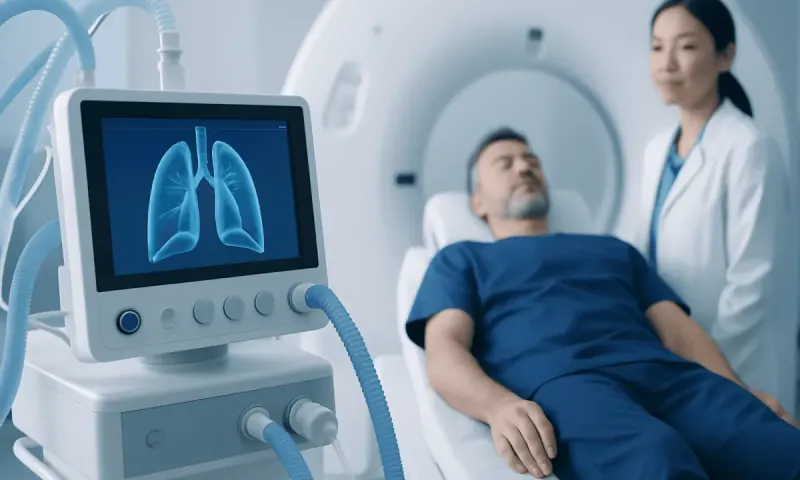
- Cardiac and pulmonary rehabilitation for heart and lung recovery
- Pain, orthopedic, and postoperative rehabilitation for musculoskeletal recovery
Goals of rehabilitation and how it helps recovery
The goals of rehabilitation are individualized. For one person, success may mean walking independently; for another, it may mean swallowing safely, speaking more clearly, reducing fatigue, returning to employment, or learning to use assistive equipment confidently. Rehabilitation usually aims to improve function, reduce complications, increase participation in daily life, and support the highest possible level of independence.
Recovery is not always about returning to exactly the way things were before. In some conditions, rehabilitation helps the body heal and regain lost skills. In others, it helps the person adapt to lasting changes and find safer, more effective ways to live well. This can be especially important in chronic or progressive conditions, where rehabilitation may help maintain current abilities for as long as possible.
Rehabilitation can also support emotional recovery. Living with pain, weakness, speech changes, or loss of independence can be frustrating and tiring. Practical education, realistic goal setting, and regular feedback often help people feel more informed and engaged in their progress. Family involvement may also improve confidence and make daily routines easier at home.
Assessment and what happens during a rehabilitation program
Rehabilitation usually begins with an assessment. The team asks about symptoms, medical history, current abilities, daily challenges, home environment, work demands, and personal goals. They may evaluate strength, joint movement, balance, walking, coordination, speech, swallowing, memory, breathing, pain, and the ability to perform daily activities. This helps identify which therapies are most relevant.
After assessment, a personalized program is developed. Sessions may be offered in an inpatient rehabilitation unit, outpatient clinic, day program, community setting, or at home. The intensity of treatment depends on the condition, overall health, energy level, and how much support is needed. Some people benefit from short, focused treatment, while others need longer follow-up with gradual progression.
A rehabilitation plan often includes supervised therapy sessions and home practice. Education is an important part of care and may cover pacing, fall prevention, posture, breathing techniques, skin care, use of equipment, and safe ways to transfer, lift, or exercise. Progress is reviewed regularly, and the plan is adjusted as recovery changes.
In complex cases, rehabilitation may work alongside other treatments such as robotic rehabilitation or specialist care for mobility and nerve-related problems. The approach is usually practical and goal-based, focusing on meaningful improvements in day-to-day life.
Treatment options and settings for rehabilitation
Rehabilitation can take place in different settings depending on the person’s needs. Hospital-based rehabilitation may be recommended after a serious illness, surgery, or injury when close medical supervision is still needed. Outpatient rehabilitation is common for people who are medically stable but still need regular therapy sessions. Home-based rehabilitation may be appropriate when travel is difficult or when therapy needs to focus directly on the home environment.
Treatment options vary widely. They may include strengthening exercises, stretching, endurance training, mobility practice, speech exercises, swallowing therapy, cognitive rehabilitation, pain management strategies, manual therapy, education, and training in adaptive techniques. Some people need braces, splints, walkers, or wheelchairs, while others benefit more from targeted exercise and self-management strategies.
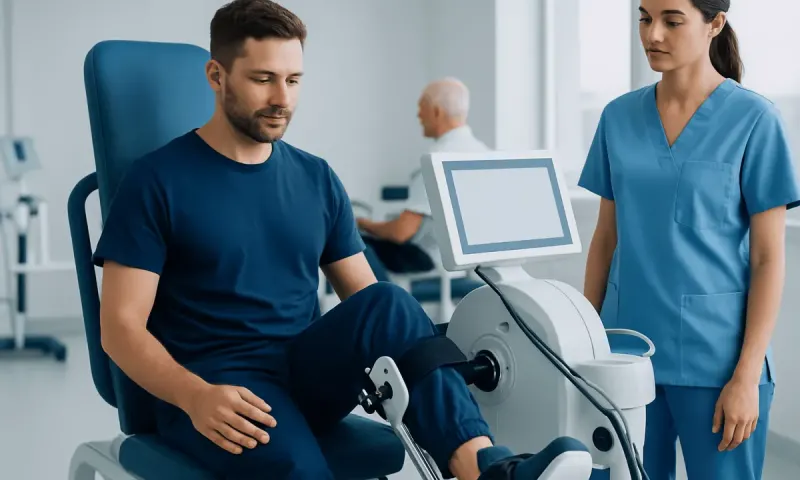
Technology may also play a role. In selected cases, clinicians may use balance systems, gait training equipment, electrical stimulation, or task-specific devices to support practice. For people recovering from neurological or movement-related problems, programs may be coordinated with neurological rehabilitation when that is appropriate for the diagnosis and recovery plan.
Self-care, family support, and preventing setbacks
Recovery often continues between appointments, so self-care is an important part of rehabilitation. A person may be advised to follow a home exercise plan, pace activities, take rest breaks, use equipment correctly, and protect healing tissues while gradually becoming more active. Consistency is often more helpful than doing too much at once, especially early in recovery.
Family members and caregivers can make a meaningful difference. They may help with transportation, motivation, communication practice, meal preparation, home safety changes, and encouragement during difficult periods. When they understand the goals of treatment, they are often better able to support progress without pushing beyond safe limits.
Preventing setbacks is another important aim. This can include reducing the risk of falls, pressure injuries, stiffness, deconditioning, and avoidable hospital readmission. People are often advised to keep follow-up appointments, report new or worsening symptoms, and ask for reassessment if progress stalls. Near the end of the rehabilitation journey, some international patients may seek coordinated evaluation and follow-up; Acıbadem Health Point’s multidisciplinary specialists and JCI-accredited hospitals provide rehabilitation-related diagnosis and treatment planning for a wide range of needs.
When to seek medical advice
A person should speak with a doctor or rehabilitation professional if illness, injury, pain, weakness, breathlessness, speech problems, balance issues, or fatigue are affecting daily activities. Early assessment can be helpful, especially after surgery, hospitalization, stroke, fractures, or new neurological symptoms. Prompt support may improve safety and make recovery more efficient.
Medical advice is also important if symptoms are getting worse rather than better, or if there are concerns such as repeated falls, trouble swallowing, confusion, severe pain, or major difficulty coping at home. These issues may suggest that the rehabilitation plan needs to be adjusted or that another medical problem should be evaluated.
In general, rehabilitation works best when goals are realistic, treatment is tailored, and the person stays actively involved. A qualified healthcare professional can explain which type of rehabilitation is most suitable and what level of recovery may be expected in a particular situation.
Frequently asked questions
01What is rehabilitation in healthcare?
Rehabilitation in healthcare is a personalized process that helps people improve function, independence, and quality of life after illness, injury, surgery, or disability. It may include several therapies working together, depending on the person’s needs and goals.
02What are the main types of rehabilitation?
The main types include physical, occupational, speech and language, neurological, cardiac, and pulmonary rehabilitation. Many people receive a combination of these approaches rather than only one type.
03How long does rehabilitation take?
The length of rehabilitation varies widely depending on the condition, severity, age, general health, and recovery goals. Some people improve within weeks, while others benefit from months of ongoing therapy and follow-up.
04Can rehabilitation help with chronic conditions?
Yes, rehabilitation is often useful for chronic conditions as well as sudden injuries or illnesses. It may help reduce symptoms, maintain function, improve safety, and support daily independence even when a condition is long term.
05Is rehabilitation only for people after surgery?
No, rehabilitation is not limited to postoperative recovery. It can also help after stroke, injury, heart or lung disease, neurological disorders, chronic pain, cancer treatment, or age-related decline in function.
06Do people need a referral for rehabilitation?
This depends on the healthcare system, insurance rules, and the type of service being considered. In many cases, a doctor’s referral is helpful because it clarifies the medical issue and guides the most appropriate rehabilitation plan.
This article is for general information only and is not a substitute for professional medical advice. Please consult a qualified doctor about your individual situation.
Joint and spine care in Turkey — expert assessment & treatment
JCI-accredited · board-certified surgeons · reply within 24h
Add us as a Preferred Source to see more of our trusted health content across Google Search, AI Overviews and Discover.