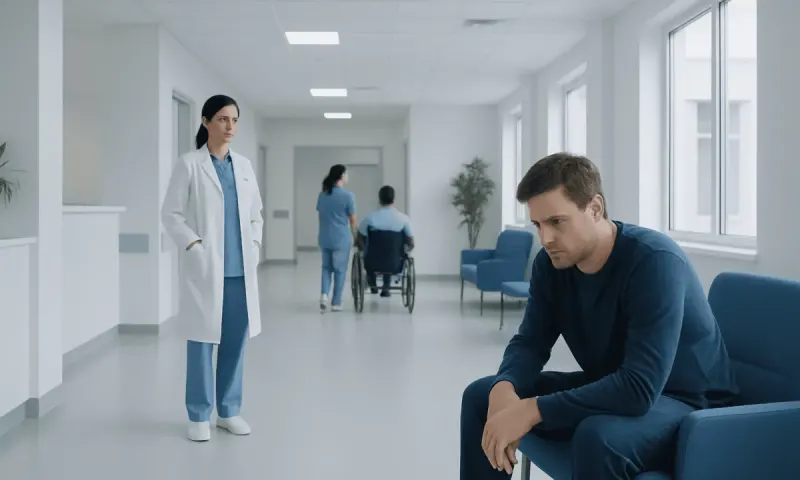
Depression Treatment Options: Therapy, Medication, and Rehabilitation Support

Depression treatment options often include psychotherapy, medication, lifestyle support, and rehabilitation strategies tailored to the person’s symptoms and needs. With proper care, many people experience meaningful improvement in mood, energy, daily functioning, and quality of life.
Overview of Depression Treatment Options
Depression is more than occasional sadness or a difficult day. It is a medical condition that can affect mood, thinking, sleep, appetite, energy, concentration, relationships, and the ability to manage everyday responsibilities. Treatment is important because depression can interfere with work, school, family life, and physical health when it is left untreated.
Depression treatment options usually involve one or more approaches used together. These may include psychotherapy, medication, rehabilitation support, and practical self-care strategies. The best plan depends on how severe the symptoms are, how long they have been present, whether depression has happened before, and whether other medical or mental health conditions are also involved.
For some people, therapy alone may be effective. For others, medication can play an important role, especially when symptoms are moderate to severe or when depression significantly limits daily functioning. Rehabilitation support can be especially helpful when a person is having difficulty returning to routines, work, study, social roles, or independent self-care.
Recovery is often gradual rather than immediate. It is common for treatment to be adjusted over time. A supportive relationship with qualified mental health professionals helps ensure that care remains safe, practical, and suited to the person’s changing needs.
Signs and Symptoms That May Need Treatment
Depression can look different from one person to another. A person may feel persistently low, empty, hopeless, tearful, numb, or unusually irritable. Interest in activities that once felt enjoyable may fade, and even simple tasks can begin to feel overwhelming. Some people mainly notice emotional symptoms, while others first recognize physical and cognitive changes.
Common symptoms include low energy, slowed thinking, poor concentration, feelings of guilt or worthlessness, sleep changes, appetite changes, and reduced motivation. Depression may also lead to social withdrawal, lower performance at work or school, and difficulty keeping up with personal care. In some cases, anxiety symptoms, unexplained aches, or digestive complaints may appear alongside low mood.
A doctor may consider depression when symptoms last for at least two weeks and affect daily life. Warning signs that deserve prompt attention include suicidal thoughts, self-harm, severe hopelessness, psychotic symptoms such as delusions, or an inability to eat, drink, sleep, or function safely. Children, teenagers, and older adults may show depression in less typical ways, such as irritability, confusion, or loss of interest rather than obvious sadness.
- Persistent sadness, emptiness, or irritability
- Loss of interest or pleasure
- Sleep or appetite changes
- Fatigue and reduced motivation
- Difficulty thinking, focusing, or making decisions
- Feelings of guilt, hopelessness, or worthlessness
- Thoughts of death, self-harm, or suicide
What Causes Depression and Who Is at Risk?

Depression does not have one single cause. It usually develops through a combination of biological, psychological, and social factors. Brain chemistry, genetics, life experiences, and stress can all play a role. A family history of depression may increase risk, but it does not mean a person will definitely develop the condition.
Stressful events can trigger or worsen depression. Examples include bereavement, relationship problems, financial strain, chronic illness, pain, trauma, social isolation, or major changes in work or family life. Hormonal changes, certain medications, and some neurological or endocrine disorders may also contribute. For this reason, depression care often includes looking at overall health, not only mood symptoms.
Risk may be higher in people who have had previous episodes of depression, anxiety disorders, substance use problems, or limited social support. Sleep disruption, prolonged stress, and alcohol or recreational drug use can also worsen symptoms and make recovery more difficult. Some people experience depression together with another condition such as an anxiety disorder, which can influence treatment choices.
Understanding risk factors is not about blame. It helps clinicians build a fuller picture and identify practical ways to support recovery. Effective treatment often addresses both symptoms and the life circumstances that may be maintaining them.
How Depression Is Diagnosed
Depression is diagnosed through a clinical assessment rather than a single laboratory test or scan. A doctor, psychiatrist, or psychologist will usually ask about mood, sleep, appetite, energy, concentration, daily functioning, past mental health history, substance use, medications, and any recent stressors. They may also ask about family history and whether there have been periods of unusually elevated mood, which could suggest a different diagnosis such as bipolar disorder.
The assessment also explores safety. This includes asking directly about thoughts of self-harm or suicide, intent, planning, and protective factors. Although these questions can feel personal, they are an important part of responsible care. The goal is to understand how urgent support may need to be and what level of treatment is safest.
In some situations, a doctor may recommend blood tests or a physical examination to look for medical problems that can mimic or worsen depression, such as thyroid disorders, vitamin deficiencies, sleep problems, chronic pain, or medication side effects. If symptoms include significant cognitive changes, neurological signs, or unusual behavior, further evaluation may be needed.
Once the evaluation is complete, the care team can discuss the likely diagnosis, symptom severity, and treatment options. This is also a good time for the person and family to ask questions about expected benefits, side effects, practical support, and what progress may look like over time.
Therapy, Medication, and Other Treatment Approaches
Psychotherapy is one of the main depression treatment options. Evidence-based approaches such as cognitive behavioral therapy, interpersonal therapy, and behavioral activation can help people recognize unhelpful patterns, develop coping skills, improve communication, and gradually re-engage with daily life. Therapy may be delivered individually, in groups, with family involvement, or sometimes online, depending on needs and access.
Medication may be recommended when depression is moderate to severe, long-lasting, recurrent, or not improving enough with therapy alone. Antidepressants work by affecting brain chemicals involved in mood regulation. They do not create instant change, and it can take several weeks before full benefits become clearer. A doctor considers possible side effects, other medical conditions, pregnancy status, and interactions with other medicines before prescribing. Some people benefit from a combined plan that includes psychotherapy and psychiatric care.
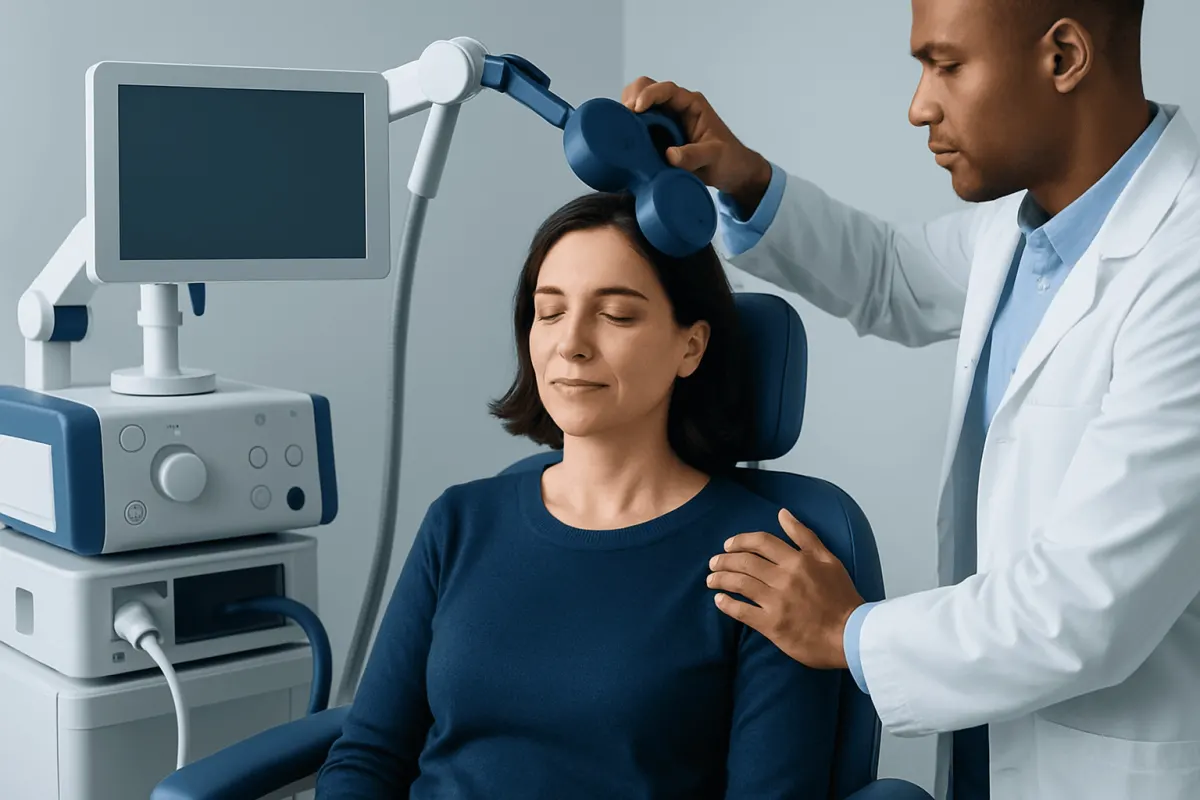
For depression that is severe, treatment-resistant, or associated with significant functional decline, additional options may be considered under specialist supervision. These can include more intensive outpatient care, inpatient treatment, or procedures used in carefully selected cases. If concentration, memory, or coping problems are affecting function, clinicians may also recommend neuropsychological support as part of a broader recovery plan.
Coexisting issues should also be treated. Sleep disorders, chronic pain, anxiety, trauma, and substance use can all reduce the effectiveness of depression treatment if they are not addressed. In some cases, a doctor may assess whether another condition such as bipolar disorder could explain the symptoms, because treatment strategies differ. Treatment is most effective when it is coordinated, personalized, and regularly reviewed.
The Role of Rehabilitation Support in Recovery
Rehabilitation support focuses on helping a person regain function, confidence, and independence during recovery from depression. This can be especially important when symptoms have affected work, education, social participation, daily routines, or self-care. Rehabilitation does not replace medical or psychological treatment. Instead, it complements them by turning symptom improvement into practical progress in everyday life.
Support may include structured routines, goal-setting, occupational therapy, stress management, sleep planning, physical activity programs, and help with returning to work or school gradually. Some people benefit from learning pacing strategies so they do not become overwhelmed when energy begins to improve. Others need support rebuilding social contact or managing tasks such as appointments, finances, and household responsibilities.
When depression has been severe or prolonged, multidisciplinary care can be valuable. This may involve psychiatrists, psychologists, rehabilitation physicians, occupational therapists, social workers, and other professionals working together. In selected situations, a broader rehabilitation plan may include physical therapy and rehabilitation support to address deconditioning, fatigue, or coexisting physical limitations that have developed during illness.
Near the end of treatment planning, some patients and families may also seek coordinated international care. Acıbadem Health Point’s multidisciplinary specialists and JCI-accredited hospitals diagnose and treat depression-related conditions for international patients, with rehabilitation support when clinically appropriate.
Self-care and Lifestyle Habits That Can Help
Self-care alone may not be enough to treat depression, but it can make professional treatment more effective. Small, realistic steps are often more helpful than trying to make major changes all at once. A regular sleep schedule, balanced meals, time outdoors, and light physical activity can support mood regulation and energy levels.
Many clinicians encourage people with depression to keep a simple daily structure. This may include waking up at the same time each day, getting dressed, eating regularly, taking short walks, and planning one manageable activity that offers a sense of purpose or enjoyment. These steps can seem basic, but they help rebuild momentum when motivation is low.
Alcohol and recreational drugs can worsen low mood, disturb sleep, and interfere with medications. It can also help to reduce isolation by staying connected with trusted family members or friends, even in brief ways. Relaxation exercises, mindfulness, journaling, and support groups may offer additional benefit for some people.
Family members can play a supportive role by listening without judgment, encouraging treatment attendance, and helping with practical tasks when needed. However, loved ones should not feel responsible for fixing depression on their own. Professional evaluation remains important, especially if symptoms are worsening or safety is a concern.
When to See a Doctor
A person should consider seeing a doctor or mental health professional if low mood, loss of interest, anxiety, or exhaustion lasts more than two weeks or begins to affect daily life. Early help can reduce suffering and may prevent symptoms from becoming more severe. It is also appropriate to seek advice sooner if there is a previous history of depression or if symptoms are returning after a period of improvement.
Urgent help is needed if there are suicidal thoughts, self-harm behavior, signs of psychosis, extreme agitation, or an inability to care for basic needs. Family members should take statements about hopelessness or wanting to die seriously, even if the person seems unsure or tries to dismiss them later. Emergency services or urgent psychiatric care may be the safest choice in these situations.
People should also speak with a doctor if medication side effects are troubling, if symptoms are not improving, or if treatment seems to be making mood more unstable. It is not unusual for plans to need adjustment. Follow-up allows professionals to refine therapy, change medications if needed, and add rehabilitation support when functional recovery is lagging behind symptom improvement.
Depression is treatable, and seeking help is a constructive step. A timely assessment can clarify what is happening and open the way to a treatment plan that supports both emotional healing and everyday functioning.
Frequently asked questions
01What are the main depression treatment options?
The main depression treatment options are psychotherapy, antidepressant medication, and rehabilitation or supportive care aimed at improving daily functioning. Many people do best with a combination of treatments rather than a single approach.
02How long does depression treatment usually take to work?
This depends on the treatment type and the severity of symptoms. Therapy can help gradually over weeks to months, while antidepressants often take several weeks before their full effect is easier to judge. Regular follow-up is important so the plan can be adjusted if needed.
03Can depression be treated without medication?
Yes, some people improve with psychotherapy, lifestyle changes, and supportive care alone, especially when symptoms are mild to moderate. However, medication may be recommended when symptoms are more severe, recurrent, or causing major impairment.
04What is rehabilitation support for depression?
Rehabilitation support helps a person rebuild routines, confidence, and the ability to manage work, study, social roles, and self-care. It may include structured scheduling, occupational therapy, return-to-work planning, and practical coping strategies.
05Is depression treatment different for severe depression?
Yes, severe depression may require a more intensive approach. This can include combined therapy and medication, closer monitoring, specialist psychiatric care, or hospital-based treatment when safety or functioning is seriously affected.
06When should someone seek urgent help for depression?
Urgent help is needed if a person has suicidal thoughts, self-harm risk, psychotic symptoms, or cannot care for basic needs such as eating, drinking, or staying safe. In these situations, emergency services or urgent psychiatric assessment should be sought immediately.
This article is for general information only and is not a substitute for professional medical advice. Please consult a qualified doctor about your individual situation.
Explore treatments in Turkey — costs, top hospitals & a free quote
JCI-accredited · board-certified surgeons · reply within 24h
Add us as a Preferred Source to see more of our trusted health content across Google Search, AI Overviews and Discover.