Lung Removal Surgery, Recovery, and Rehabilitation
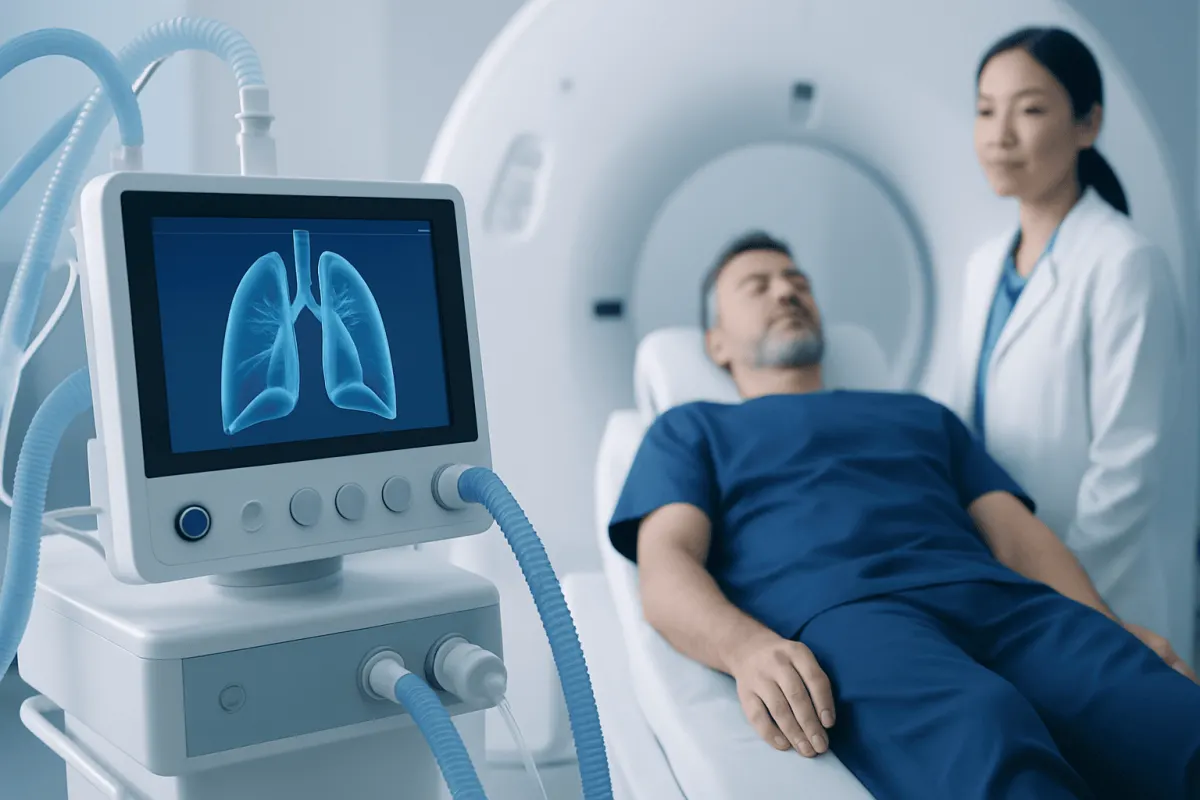
Lung removal is a major chest operation that removes a diseased portion of a lung or, less commonly, an entire lung. It may be recommended when the expected benefit of removing abnormal tissue outweighs the effect of having less working lung capacity.
Lung removal: an overview
Lung removal is surgery performed to remove damaged, infected, or abnormal lung tissue. Depending on the condition and its location, a surgeon may remove a small wedge-shaped area, a larger segment, one lobe of the lung, or an entire lung. Removal of a whole lung is called a pneumonectomy; removal of one lobe is called a lobectomy.
Although the idea of living with less lung tissue can feel overwhelming, many people adapt well after surgery. The remaining lung tissue and the body’s circulation gradually adjust, but the degree of recovery varies with age, baseline lung function, fitness, smoking history, and the underlying reason for surgery.
Lung removal is usually planned by a multidisciplinary team that may include thoracic surgeons, respiratory physicians, oncologists, anesthesiologists, radiologists, and rehabilitation specialists. Their goal is to select the smallest operation that can effectively treat the condition while preserving as much healthy lung as possible.
Why might lung removal be recommended?
The most common reason for lung removal is localized lung cancer when surgery offers a suitable way to remove the tumor. For some people, surgery may be combined with chemotherapy, radiation therapy, immunotherapy, or targeted medicines, depending on the cancer type and stage. Learn more about lung cancer and how treatment decisions are individualized.
Less commonly, a surgeon may recommend removal of lung tissue for severe or repeated infection that has permanently damaged part of the lung, a noncancerous tumor, serious chest trauma, uncontrolled bleeding, or a congenital lung abnormality. In selected cases, surgery may also be considered for severe bronchiectasis limited to one area of the lung.
The decision is not based on imaging alone. The clinical team considers the diagnosis, location and extent of disease, symptoms, response to other treatment, and the likely effect of surgery on day-to-day breathing and quality of life. When possible, alternatives such as medicines, radiation-based treatment, surveillance, or less extensive surgery are discussed.
Types of surgery and how the operation is performed
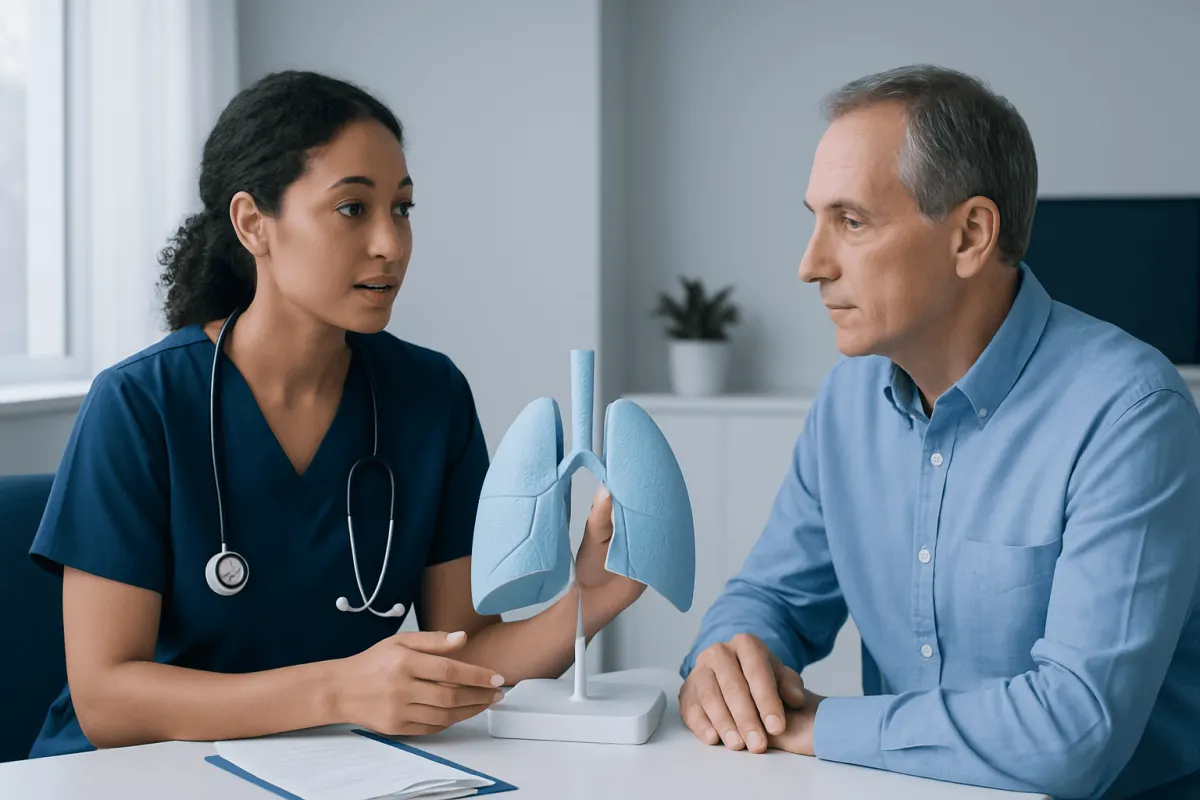
The extent of lung removal is tailored to the diagnosis. A wedge resection removes a small area of lung, while a segmentectomy removes an anatomical segment. A lobectomy removes one of the lung’s lobes and is often used for early-stage cancers. A bilobectomy removes two lobes of the right lung, and a pneumonectomy removes the full right or left lung.
Some procedures can be performed using minimally invasive approaches, including video-assisted thoracoscopic surgery (VATS) or robot-assisted thoracic surgery. These techniques use small incisions and a camera. However, an open operation through a larger incision between the ribs, called a thoracotomy, may be necessary when the disease is extensive or located near major blood vessels or airways.
During surgery, the patient receives general anesthesia. The surgeon removes the planned tissue and may also remove or sample nearby lymph nodes when cancer is suspected. One or more chest drains are commonly placed temporarily to remove fluid and air as the chest heals.
- Wedge resection: removes a small, non-anatomical piece of lung.
- Segmentectomy: removes a defined segment while preserving the rest of the lobe.
- Lobectomy: removes one lobe of the lung.
- Pneumonectomy: removes one entire lung and is reserved for selected situations.
Assessment before lung removal
Careful testing helps determine whether lung removal is appropriate and how extensive surgery can safely be. Imaging may include chest computed tomography (CT), positron emission tomography (PET) in some cancer evaluations, and sometimes brain imaging or other tests to understand the extent of disease.
Breathing tests, known as pulmonary function tests, measure airflow and gas exchange. A doctor may also request an exercise assessment, such as a walking test or cardiopulmonary exercise test, to estimate how the heart and lungs respond to activity. Heart evaluation, blood tests, and review of medicines are also important before an operation.
If cancer is the reason for surgery, a biopsy may be used to confirm the diagnosis before treatment, although this is not always possible or necessary in every situation. Smoking cessation is strongly encouraged before and after surgery because it lowers the risk of complications and supports wound healing and lung function.
People should tell their clinical team about all medicines, supplements, allergies, previous operations, and medical conditions. They should also ask about expected hospital stay, pain-management options, likely activity limits, and whether rehabilitation will be recommended.
Recovery after lung removal
Recovery begins in the hospital with close monitoring of breathing, circulation, pain, and the surgical site. Chest discomfort is expected after thoracic surgery, but effective pain control is important because it helps a person cough, breathe deeply, and move safely. The care team may use several pain-relief methods rather than relying on one medicine alone.
Breathing exercises, use of an incentive spirometer where appropriate, supported coughing, and early walking help reduce the risk of mucus buildup, pneumonia, and blood clots. A physiotherapist or respiratory therapist often guides these activities. Chest drains are removed once the surgical team determines that drainage and air leakage are adequately controlled.
After discharge, fatigue and reduced exercise tolerance are common for weeks and sometimes longer. Gradual activity, rest periods, nutritious meals, adequate fluids when medically appropriate, and attending follow-up appointments all support recovery. Pulmonary rehabilitation can provide supervised exercise, breathing strategies, education, and emotional support for eligible patients.
For people having surgery for cancer, the pathology report helps clarify the final diagnosis and whether additional treatment is advised. Lung cancer treatment may include a carefully coordinated combination of surgery and non-surgical therapies.
Possible risks and longer-term effects
All major operations have potential risks. After lung removal, possible complications include bleeding, infection, pneumonia, air leakage, irregular heart rhythm, blood clots, and reactions to anesthesia. The risk depends on the type of procedure, the person’s overall health, and the condition being treated.
A pneumonectomy generally has a greater effect on breathing capacity than a smaller resection. Some people notice shortness of breath during exertion, especially while climbing stairs or walking quickly. Over time, many learn to pace activities and improve stamina through rehabilitation, but no two recoveries are identical.
It is also normal to experience emotional changes, including worry, low mood, or frustration during recovery. Discussing these concerns with the care team can be helpful. Support from family, rehabilitation professionals, mental health specialists, or patient support groups may make adjustment easier.
Follow-up may include symptom review, physical examinations, lung-function assessments, and imaging. For cancer-related surgery, surveillance is individualized to the diagnosis and treatment plan.
Preparing well and caring for the remaining lung
Not every cause of lung surgery can be prevented, but some measures protect lung health before and after treatment. Avoiding tobacco and secondhand smoke is one of the most important steps. A clinician can recommend evidence-based support for quitting, including counseling and medications when appropriate.
People should take prescribed medicines as directed, remain physically active within their medical limits, and keep vaccinations up to date based on their age, health conditions, and local recommendations. Vaccination against influenza, COVID-19, and pneumococcal disease may be particularly relevant for people with lung disease; the treating clinician can advise which vaccines are suitable.
After recovery, gradual aerobic exercise and strength training can improve endurance when approved by the surgical team. Maintaining a healthy weight, eating enough protein and calories during healing, and treating respiratory infections promptly can also help preserve function in the remaining lung tissue.
Acıbadem Health Point’s multidisciplinary specialists and JCI-accredited hospitals provide assessment, surgery, oncology care, and rehabilitation planning for international patients who need evaluation for lung conditions.
When to seek medical care
Anyone with persistent cough, unexplained coughing of blood, worsening shortness of breath, chest pain, repeated chest infections, or unintended weight loss should arrange a medical assessment. These symptoms have many possible causes and do not necessarily mean surgery is needed, but timely evaluation can identify the cause and guide care.
After lung surgery, urgent medical advice is needed for sudden or worsening breathlessness, chest pain, fever, shaking chills, confusion, fainting, a rapidly worsening cough, coughing blood, or swelling and pain in one leg. These symptoms can signal a complication that requires prompt treatment.
Emergency care should be sought immediately for severe difficulty breathing, blue or gray lips or face, severe chest pressure, loss of consciousness, or signs of a serious allergic reaction. Patients should follow the discharge instructions from their surgical team and contact the designated service if they are uncertain about a new symptom.
Frequently asked questions
01Can a person live normally after lung removal?
Many people can return to independent daily activities after removal of part or all of one lung. However, exercise capacity may be lower, particularly after a pneumonectomy, and adjustment depends on pre-existing lung and heart health. Rehabilitation, gradual activity, and avoiding smoking can support recovery.
02How long does recovery from lung removal take?
Hospital recovery often lasts several days to more than a week, depending on the procedure and any complications. Tiredness, discomfort, and reduced stamina may continue for weeks or months. The surgical team can provide the most accurate recovery estimate for an individual patient.
03Is lung removal always done for lung cancer?
No. Lung cancer is a common reason, but lung removal may also be considered for severe localized infection, major injury, some noncancerous tumors, or permanent damage to one part of the lung. The reason for surgery influences the operation, recovery plan, and follow-up care.
04What is the difference between a lobectomy and a pneumonectomy?
A lobectomy removes one lobe of the lung, while a pneumonectomy removes an entire lung. A lobectomy preserves more lung tissue and is generally preferred when it can adequately treat the condition. A pneumonectomy may be needed when disease involves central structures or more than one lobe.
05Will breathing be difficult after lung removal?
Breathlessness is common early in recovery and may occur with exertion in the longer term, especially after removal of a whole lung. The body often adapts over time, and breathing exercises, rehabilitation, and fitness training can help. New or rapidly worsening breathlessness should be assessed promptly.
06Can lung tissue grow back after surgery?
The removed lung tissue does not grow back in adults. However, the remaining lung can expand somewhat and the body can adapt to make breathing more efficient. The degree of adaptation varies from person to person.
This article is for general information only and is not a substitute for professional medical advice. Please consult a qualified doctor about your individual situation.
Oncology care in Turkey — second opinion and treatment plan
JCI-accredited · board-certified surgeons · reply within 24h
Add us as a Preferred Source to see more of our trusted health content across Google Search, AI Overviews and Discover.