Rehabilitation vs Home Exercise: Which Approach Works Better?

Rehabilitation and home exercise both play important roles in recovery, pain management, and returning to daily activities. The best approach often depends on the person’s diagnosis, symptoms, goals, and whether expert supervision is needed to perform exercises safely and effectively.
Overview
When comparing rehabilitation vs home exercise, there is no single answer that fits everyone. Both approaches can improve strength, flexibility, balance, mobility, and function. What matters most is choosing the right level of support for the person’s condition and making sure the plan is followed consistently.
Rehabilitation usually means a structured program guided by trained professionals such as physiotherapists, rehabilitation physicians, or other specialists. It may take place in a clinic, hospital, or outpatient setting and often includes assessment, hands-on treatment, exercise training, education, and progress monitoring. Home exercise, by contrast, is done independently at home, usually based on general advice or a program prescribed by a clinician.
For many people, the most effective strategy is not rehabilitation or home exercise alone, but a combination of both. Supervised sessions can teach correct technique, adjust the program over time, and address obstacles, while home exercise helps reinforce progress between appointments. This blended approach is common in recovery after surgery, injury, or conditions affecting movement and function.
How Rehabilitation and Home Exercise Differ
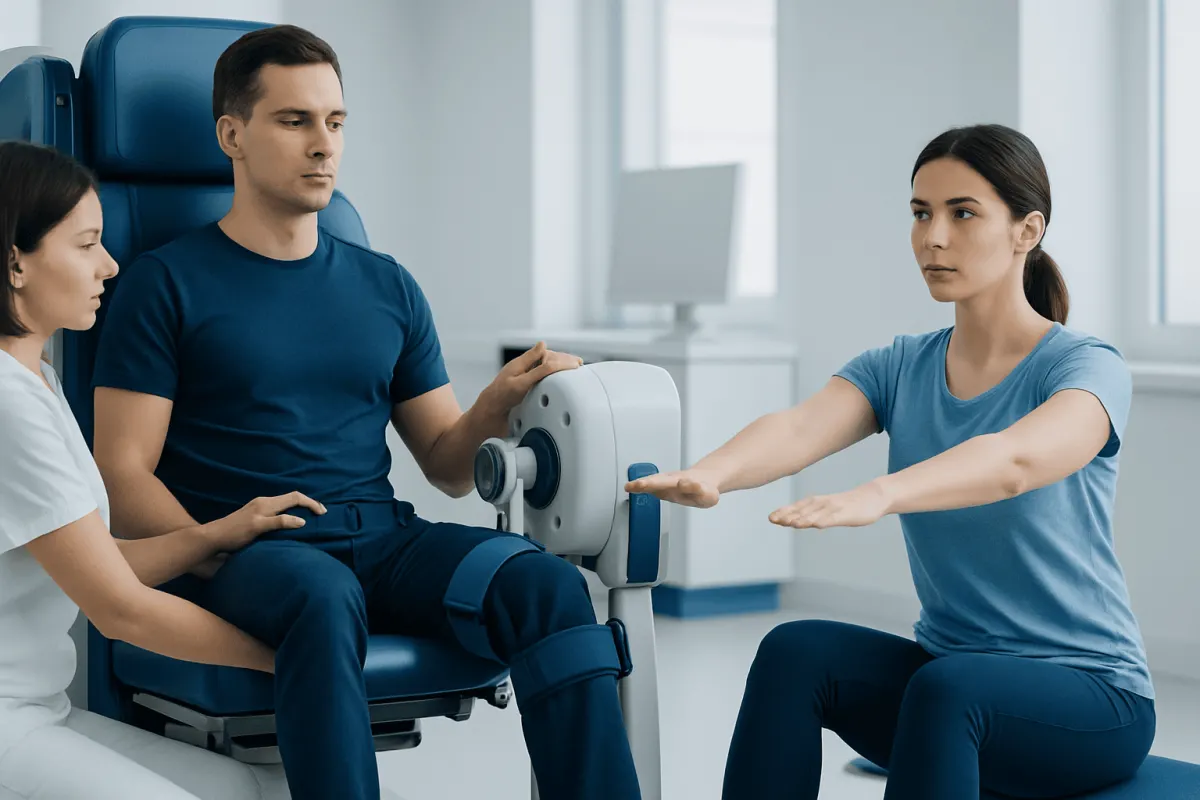
Rehabilitation is more than simply doing exercises. It begins with an evaluation to understand pain, movement limits, strength deficits, balance problems, posture, gait, and daily function. Based on these findings, the clinician creates a personalized plan and adapts it as recovery progresses. This can be especially helpful after orthopedic injury, neurological illness, prolonged immobility, or surgery.
Home exercise offers flexibility and convenience. It removes travel time, may feel less intimidating, and can make it easier to practice exercises regularly. For people with mild symptoms, stable conditions, or a straightforward recovery plan, home exercise can be a practical and effective option, especially when instructions are clear and realistic.
The main difference is supervision. In rehabilitation, a professional can notice movement errors, modify exercises if pain increases, and decide when it is safe to advance. At home, people must rely more on their own understanding, body awareness, and motivation. This is why home exercise tends to work best when the program is simple, the diagnosis is known, and the person has been shown how to perform the exercises properly.
- Rehabilitation: structured, supervised, personalized, and adjustable
- Home exercise: flexible, convenient, lower burden, and self-directed
- Combined approach: often the most balanced and sustainable option
When Supervised Rehabilitation May Work Better
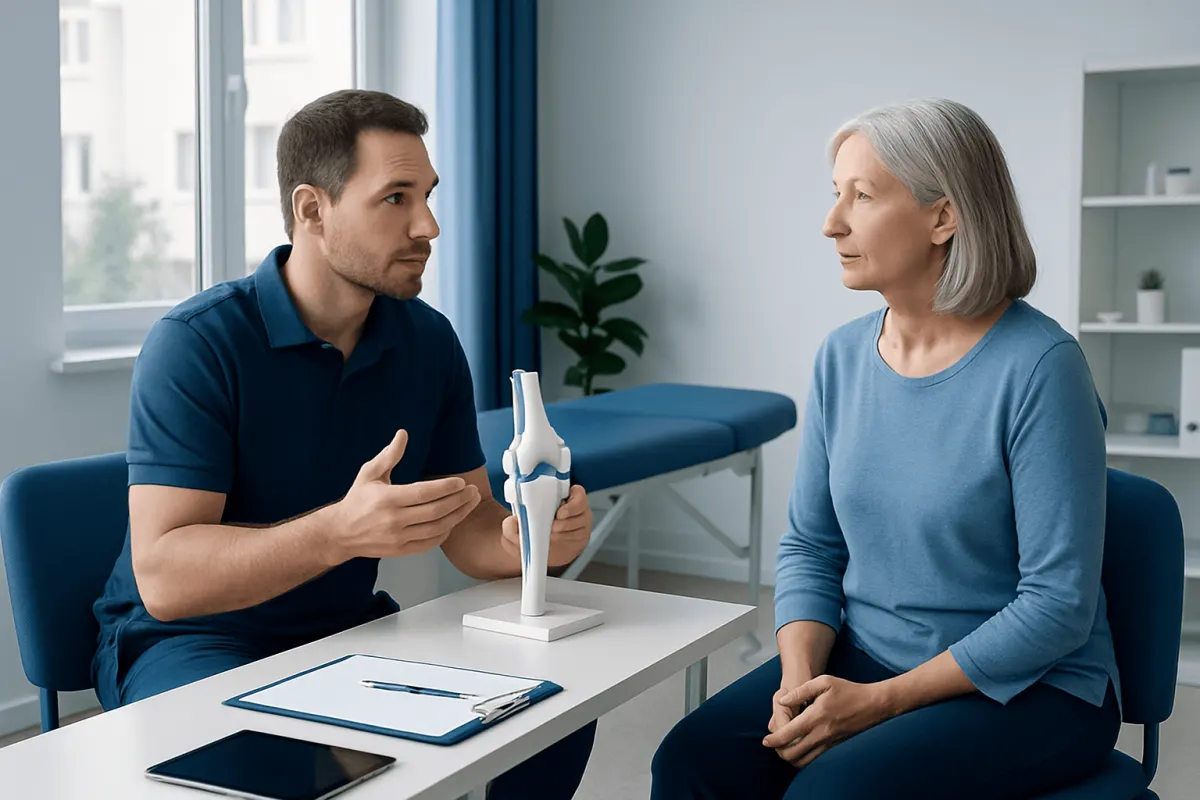
Supervised rehabilitation is often the better choice when symptoms are severe, the diagnosis is complex, or there is a higher risk of worsening the problem with incorrect movement. This may include recovery after fractures, joint replacement, sports injuries, stroke, neurological disorders, or significant balance and walking difficulties. In these situations, expert guidance can improve safety and support a more targeted recovery.
Professional supervision can also be useful when pain is persistent or progress has stalled. A therapist may identify issues such as poor technique, muscle compensation, stiffness, weakness, or fear of movement that are not obvious to the individual. They can then refine the program and provide education about pacing, posture, and pain management.
Rehabilitation may be especially valuable after procedures that require step-by-step recovery. For example, after knee replacement, or during recovery from hip replacement, people often need guidance on swelling control, safe walking, range-of-motion goals, and progressive strengthening. In some cases, supervised rehabilitation is also important for people recovering from stroke or managing ongoing limitations caused by Parkinson's disease.
When Home Exercise May Be Enough
Home exercise may be enough for people with mild symptoms, a simple musculoskeletal issue, or a condition that has already been assessed by a clinician. It can also work well for maintenance after formal rehabilitation has ended. Once a person understands the exercises and can perform them correctly, continuing at home can help preserve mobility, build strength, and reduce the chance of losing progress.
This approach is often suitable when goals are clear and the person feels confident carrying out the plan. Examples may include gentle stretching for stiffness, strengthening exercises for mild weakness, walking programs, or balance exercises prescribed after an initial assessment. Home exercise can also support long-term management of back pain, joint stiffness, and recovery from minor injuries.
Success at home depends on consistency, correct technique, and realistic expectations. Short, regular sessions are often easier to maintain than long, demanding routines. It also helps to have written instructions, demonstration videos, a symptom diary, or follow-up reviews to make sure the plan is still appropriate and effective.
Factors That Influence Which Approach Works Better
Several factors affect whether rehabilitation vs home exercise is likely to work better. The first is the medical condition itself. A newly diagnosed, painful, or unstable problem may need formal assessment and supervision, while a stable condition with predictable symptoms may respond well to a home-based program. The second factor is the person’s starting point, including age, overall health, mobility, and confidence with exercise.
Motivation and daily routine also matter. Some people thrive with independence and prefer to exercise on their own schedule. Others find it hard to stay consistent without appointments, feedback, and encouragement. In those cases, supervised rehabilitation can provide accountability and a sense of structure that improves adherence.
Another important issue is safety. Exercises that challenge balance, load a healing joint, or require precise technique may be better introduced in a supervised setting. People with dizziness, falls risk, severe weakness, or multiple medical conditions may need closer monitoring. Cost, transport, time, and access to local services can also shape the decision, making a hybrid plan particularly useful for many families.
- Diagnosis and severity of symptoms
- Need for expert assessment and progression
- Risk of performing exercises incorrectly
- Motivation, routine, and confidence
- Access, travel, and practical considerations
How to Make Home Exercise More Effective
When home exercise is part of the plan, quality matters as much as effort. It is usually best to start with a professional assessment so the exercises match the diagnosis and current ability level. Even one or two guided sessions can help a person learn proper form, understand what sensations are expected, and know when to stop or ask for advice.
Clear goals can improve results. Rather than exercising without a purpose, it helps to define targets such as walking more comfortably, climbing stairs with less pain, improving shoulder movement, or returning to a sport or hobby. Progress is easier to notice when exercises are linked to meaningful activities and reviewed regularly.
Simple strategies can support consistency at home:
- Schedule exercise at the same time each day
- Keep sessions manageable and realistic
- Use reminders, charts, or apps to track completion
- Stop and seek advice if pain becomes significantly worse
- Arrange follow-up visits if symptoms are not improving
Some people benefit from broader rehabilitation support, especially after injury or surgery, where exercise is only one part of recovery. In these situations, physical therapy and rehabilitation may include mobility training, education, pain management strategies, and progression tailored to the individual.
Signs a Person May Need Rehabilitation Instead of Only Home Exercise
Home exercise should not feel confusing, unsafe, or overwhelming. If a person is not sure what is causing the problem, cannot perform the exercises correctly, or finds that symptoms are getting worse, formal rehabilitation is often the better next step. This does not mean the recovery is failing; it simply means more guidance may be needed.
Other signs include pain that remains high despite rest and simple exercise, swelling that does not improve, repeated loss of balance, weakness that limits daily tasks, or very slow progress over several weeks. People who stop exercising because they are afraid of doing harm may also benefit from supervision and reassurance.
If a doctor has advised structured recovery after surgery, serious injury, or a neurological condition, it is wise to follow that guidance. A tailored plan can help protect healing tissues, restore movement safely, and reduce complications related to inactivity. In selected cases, a multidisciplinary team can coordinate assessment and recovery planning. Acıbadem Health Point’s multidisciplinary specialists in JCI-accredited hospitals diagnose and treat rehabilitation needs for international patients.
When to See a Doctor or Rehabilitation Specialist
A person should seek medical advice if pain is severe, symptoms begin after a significant injury, or there is sudden weakness, numbness, loss of coordination, or difficulty walking. These features may need prompt assessment before starting or continuing exercise. It is also important to seek advice if symptoms disrupt sleep, work, or normal daily activities.
Medical review is also sensible when home exercise has been tried for a reasonable period without improvement. A clinician can confirm the diagnosis, rule out other causes, and decide whether supervised rehabilitation, imaging, medication review, or another treatment is needed. People recovering after surgery should follow the advice of their surgical and rehabilitation teams rather than relying on generic exercise plans.
In general, rehabilitation and home exercise are not competing options. They are tools that can be used at different times and in different combinations. The safest and most effective approach is the one that matches the person’s condition, goals, and need for support, while encouraging steady, sustainable recovery.
Frequently asked questions
01Is rehabilitation better than home exercise?
Not always. Rehabilitation is often better when a person has significant pain, a complex diagnosis, balance problems, or recovery after surgery or serious injury. Home exercise can work very well for mild or stable conditions, especially when the program has been designed or reviewed by a professional.
02Can home exercise replace physical therapy?
Sometimes, but not in every case. For straightforward problems, home exercise may be enough after an initial assessment. However, physical therapy is usually more suitable when progress needs monitoring, exercises require correction, or symptoms are not improving.
03How often should home exercises be done?
The right frequency depends on the condition, the type of exercise, and the person’s tolerance. In general, regular short sessions are easier to maintain than occasional long ones. A clinician can advise on a schedule that matches recovery goals without overloading the body.
04What are the risks of doing exercises at home without supervision?
The main risks are using poor technique, choosing exercises that are not appropriate, and missing signs that symptoms need medical review. This can slow recovery or make pain worse. Starting with professional guidance can reduce these risks and improve confidence.
05Who benefits most from supervised rehabilitation?
People recovering from surgery, fractures, stroke, neurological conditions, severe sports injuries, or major mobility loss often benefit most from supervised rehabilitation. It is also helpful for those with falls risk, persistent pain, or difficulty staying consistent on their own.
06Can rehabilitation and home exercise be combined?
Yes, and this is often the most effective approach. Supervised sessions help with assessment, technique, and progression, while home exercise reinforces gains between appointments. This combination can support better long-term adherence and functional recovery.
This article is for general information only and is not a substitute for professional medical advice. Please consult a qualified doctor about your individual situation.
Joint and spine care in Turkey — expert assessment & treatment
JCI-accredited · board-certified surgeons · reply within 24h
Add us as a Preferred Source to see more of our trusted health content across Google Search, AI Overviews and Discover.