What Does Cancer Remission Mean for Your Outlook?
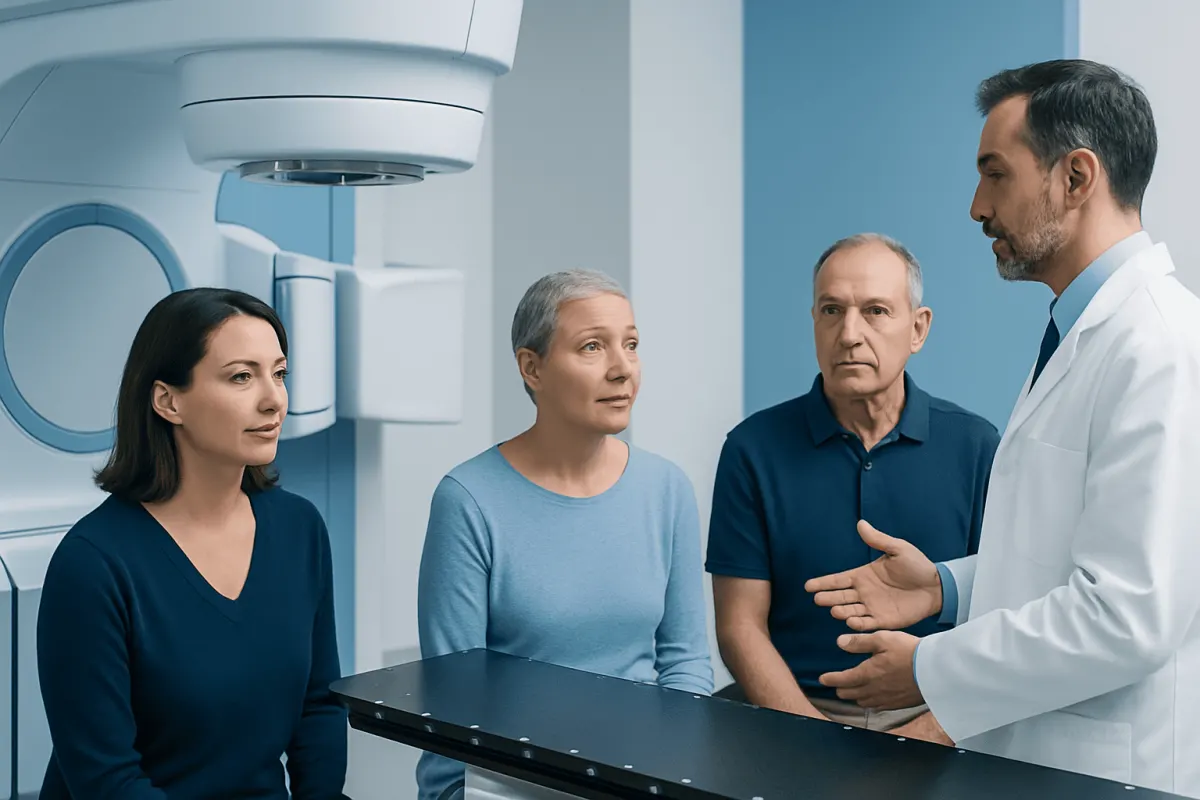
Cancer remission means that cancer has responded to treatment and has decreased or cannot currently be found using available tests. It is encouraging news, but remission is not always the same as a cure, so ongoing follow-up remains an important part of care.
What does in remission mean in cancer?
In cancer care, remission means that treatment has reduced the cancer or that doctors cannot detect signs of it with the tests currently available. This may follow surgery, chemotherapy, radiation therapy, immunotherapy, targeted therapy, hormone therapy, or a combination of treatments. Remission is a positive treatment response, but it does not always mean that every cancer cell has been eliminated from the body.
Doctors may use the term no evidence of disease (NED) when examinations, scans, blood tests, and other relevant assessments show no detectable cancer. Because tests have limits, clinicians usually continue monitoring even when there is no evidence of disease. The individual follow-up plan depends on the original cancer, treatment received, and a person’s overall health.
For many people, hearing the word remission brings relief along with uncertainty. It is reasonable to ask the oncology team what remission means in that particular situation, what tests were used to assess the response, and what follow-up will involve. Clear information can help patients and families plan for the period after active treatment.
Complete remission, partial remission, and stable disease
Remission can be described in different ways. In complete remission, also called a complete response, no cancer is detectable with available examinations and tests. This does not necessarily prove that cancer can never return, but it is generally an important and favorable response to treatment.
In partial remission, also called a partial response, the cancer has decreased in size, amount, or activity but is still detectable. Partial remission may relieve symptoms, improve quality of life, and allow treatment to be adjusted or continued. In some cancers, a partial response can be maintained for a long time.
Another term people may hear is stable disease. This means the cancer has not grown significantly and has not shrunk enough to meet the definition of a partial response. Stable disease can still represent a useful treatment outcome, particularly for cancers that are managed over time.
- Complete remission: no detectable cancer on current testing.
- Partial remission: cancer has reduced but remains detectable.
- Stable disease: cancer is not showing meaningful growth or shrinkage.
- Progression: cancer has grown, spread, or become more active.
How long can you be in remission from cancer?
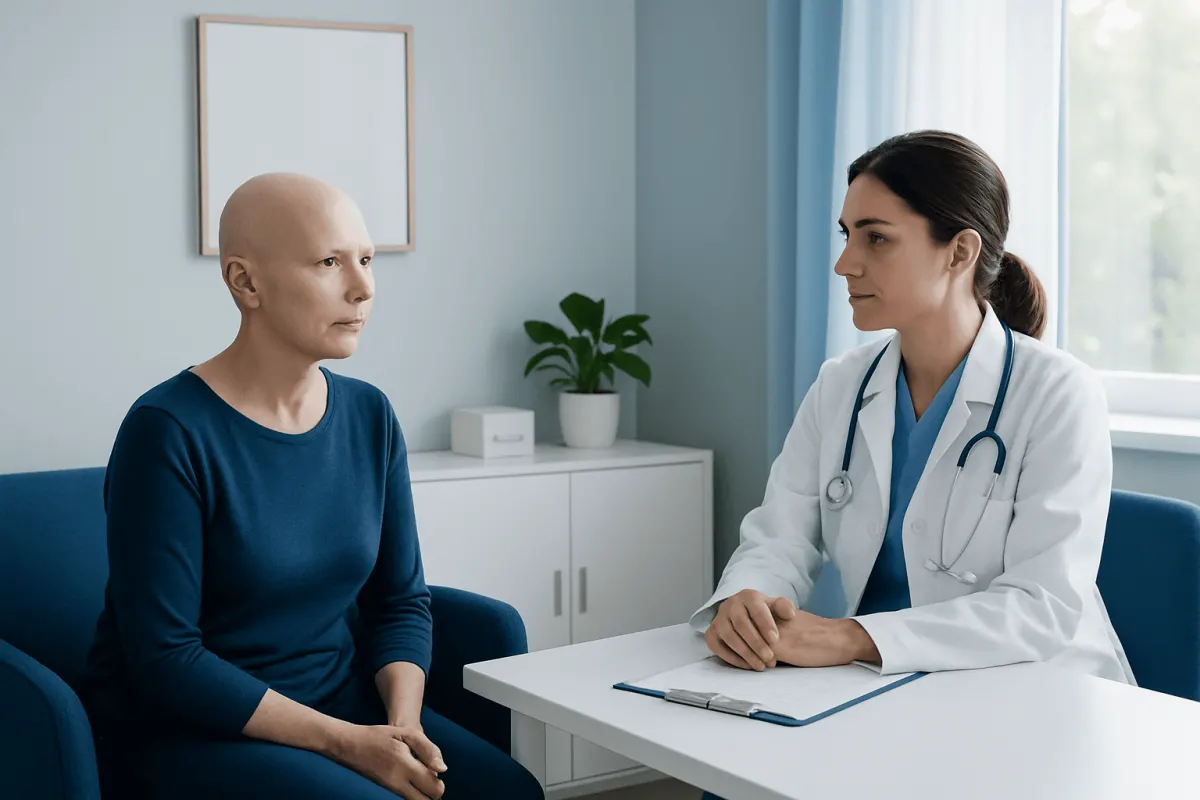
Remission can last for a short period, many years, or indefinitely. There is no single timeline because the outlook depends on the type and stage of cancer, its genetic and biological features, how well it responded to treatment, and whether ongoing therapy is used. Some cancers are more likely to recur early, while others can return after a longer interval.
In general, the longer a person remains in complete remission, the lower the chance of recurrence becomes for many cancers. However, the pattern differs widely between conditions. Some blood cancers may be described using remission and relapse over time, while doctors may more often use no evidence of disease after treatment for solid tumors such as breast, bowel, lung, or prostate cancer.
The oncology team can explain the expected follow-up schedule and the individual factors that influence risk. Rather than focusing only on a specific number of months or years, it can be helpful to focus on attending surveillance visits, reporting new symptoms, and maintaining general health during survivorship.
Which cancer has the highest recurrence rate?
There is no single cancer that can accurately be called the cancer with the highest recurrence rate in every situation. Recurrence risk varies greatly according to the exact cancer type, stage, grade, molecular features, treatment, and the length of follow-up. Comparing cancers without these details can be misleading.
Some cancers are known to have substantial recurrence risks in certain circumstances. For example, pancreatic cancer, ovarian cancer, high-grade brain tumors, some lung cancers, and certain aggressive blood cancers may recur despite successful initial treatment. In contrast, some early-stage cancers have lower recurrence risks after appropriate treatment. Even within one cancer type, risk can differ considerably from one person to another.
Recurrence may be local, meaning it returns near the original site; regional, involving nearby lymph nodes or tissues; or distant, meaning it appears in another part of the body. A doctor can discuss an individual recurrence risk using pathology findings, imaging results, response to treatment, and other relevant information rather than relying on broad comparisons.
Do you still need chemo if cancer is in remission?
Sometimes, yes. Whether chemotherapy is needed after remission depends on the cancer and the purpose of treatment. Chemotherapy given after surgery or after an initial response may be called adjuvant or consolidation treatment. Its aim may be to treat cancer cells that are too small to be detected and reduce the chance of recurrence.
For some blood cancers, remission is followed by planned consolidation or maintenance therapy. For certain solid tumors, additional chemotherapy, hormone therapy, targeted therapy, immunotherapy, or radiation may be recommended even when scans show no visible cancer. In other cases, no further active treatment is necessary, and follow-up monitoring is the appropriate next step.
The decision balances the likely benefit of treatment with possible side effects, overall health, previous treatments, and personal preferences. Patients should not stop or delay prescribed treatment based solely on the word remission. A discussion with the oncology team can clarify why a treatment is recommended and what alternatives may be appropriate.
How to stay in remission
No lifestyle choice can guarantee that cancer will not return. However, following the survivorship plan and supporting overall health can help a person recover from treatment and address factors that may influence long-term wellbeing. The most important step is to keep scheduled oncology appointments, including examinations, blood tests, imaging, or other tests recommended for that cancer type.
Helpful habits often include avoiding tobacco, limiting alcohol or avoiding it altogether, being physically active within personal ability, eating a balanced diet, maintaining a weight that is appropriate for the individual, and prioritizing sleep. Vaccinations, dental care, management of other health conditions, and emotional support also matter. People recovering from treatment should ask before starting supplements, restrictive diets, or alternative therapies, as some may interfere with medicines or cause harm.
It can also help to keep a written treatment summary and follow-up plan. This should include the cancer diagnosis, treatments received, possible late effects, recommended screening, and contact details for the care team. Anxiety about recurrence is common; counseling, support groups, rehabilitation, and supportive care services can be useful parts of recovery.
Follow-up care and modern treatment approaches
Follow-up after remission is tailored rather than identical for every patient. It may include a medical history, physical examination, laboratory tests, imaging, and screening for treatment-related effects. Doctors do not usually order every possible scan at every visit because testing is selected according to symptoms, evidence-based surveillance recommendations, and the particular cancer.
If cancer returns, treatment options depend on where it has recurred, how long remission lasted, prior treatments, and the cancer’s characteristics. Modern care may include surgery, radiation, systemic treatments such as chemotherapy, hormone therapy, targeted therapy, immunotherapy, cellular therapies for selected blood cancers, or clinical trials. Treatment is increasingly personalized through pathology and molecular testing where appropriate.
Some people also receive maintenance treatment to help keep cancer under control after a response. Others transition to surveillance alone. A multidisciplinary oncology team can review the options and explain the expected goals of care, potential benefits, and possible side effects in a way that supports informed decisions.
Acıbadem Health Point’s multidisciplinary specialists and JCI-accredited hospitals diagnose and treat cancer for international patients, including support with follow-up planning and treatment decisions after remission.
When to seek medical care
People in remission should contact their oncology team if they develop a new, persistent, or worsening symptom, especially one that does not have an obvious cause. Most symptoms are not caused by cancer recurrence, but timely assessment is important. Patients should also keep routine follow-up appointments even if they feel well.
Symptoms worth discussing include an unexplained lump or swelling, persistent pain, unusual bleeding, a lasting cough or shortness of breath, marked changes in bowel or bladder habits, unexplained weight loss, severe fatigue, fevers without a clear infection, or new neurological symptoms such as weakness, confusion, or severe headache. The care team can advise whether an urgent assessment is needed.
Emergency care is appropriate for severe chest pain, major breathing difficulty, sudden weakness or speech problems, uncontrolled bleeding, a seizure, or other severe acute symptoms. For non-urgent concerns, contacting the cancer specialist or primary care clinician is the safest first step.
Frequently asked questions
01Is remission the same as being cured of cancer?
Not always. Remission means cancer has decreased or cannot be detected with current tests, while cure generally means cancer is not expected to return. Doctors may use the word cure cautiously because recurrence risk differs by cancer type and can change over time.
02Can cancer come back after complete remission?
Yes, cancer can sometimes return after complete remission because very small numbers of cancer cells may remain undetectable. However, complete remission is still a very positive outcome. Regular follow-up is designed to monitor health and identify concerns promptly.
03What is the difference between remission and no evidence of disease?
Both terms can indicate that current tests do not show cancer. No evidence of disease often describes the result of examinations and tests at a particular time, while remission describes the cancer’s response to treatment. The terms may be used differently depending on the cancer and the medical team.
04Can stress cause cancer to return?
There is no clear evidence that stress alone causes cancer recurrence. Stress can affect sleep, mood, daily functioning, and the ability to follow a care plan, so addressing it is still important. Counseling, relaxation practices, physical activity when appropriate, and support from others may help.
05How often are follow-up visits needed after cancer remission?
Follow-up schedules vary by cancer type, stage, treatment, and time since treatment ended. Visits are often more frequent during the first years and may become less frequent later, but this is not the same for everyone. The oncology team should provide a personalized surveillance plan.
06Should a person in remission avoid all supplements?
Not necessarily, but supplements should be discussed with a doctor or oncology pharmacist before use. Some products can interact with cancer medicines, affect blood tests, or be unsafe at high doses. A balanced diet is usually the preferred source of nutrients unless a clinician identifies a specific need.
This article is for general information only and is not a substitute for professional medical advice. Please consult a qualified doctor about your individual situation.
Oncology care in Turkey — second opinion and treatment plan
JCI-accredited · board-certified surgeons · reply within 24h
Add us as a Preferred Source to see more of our trusted health content across Google Search, AI Overviews and Discover.