SCC Skin Cancer: Diagnosis, Outlook and Treatment
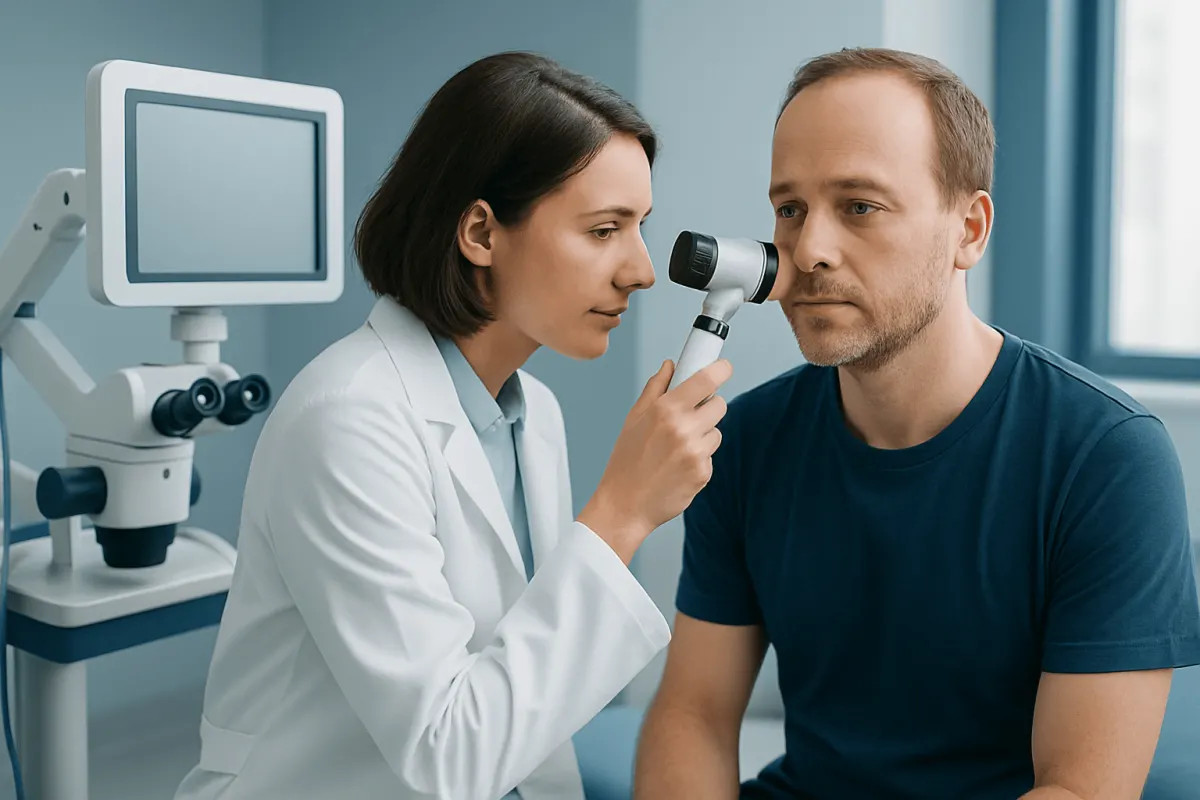
SCC skin cancer, also called cutaneous squamous cell carcinoma, usually develops in sun-exposed skin and is often highly treatable when found early. A persistent scaly patch, sore, growth, or changing lesion should be assessed by a qualified clinician, as some SCCs can grow deeper or spread if left untreated.
SCC Skin Cancer at a Glance
SCC skin cancer is short for cutaneous squamous cell carcinoma, a cancer that begins in squamous cells of the epidermis, the outermost layer of the skin. It is one of the most common forms of skin cancer. It often appears on areas that receive regular ultraviolet (UV) exposure, such as the face, ears, lips, scalp, neck, forearms, hands, and lower legs, although it can develop anywhere on the body.
When identified early, SCC skin cancer is commonly treated successfully with local treatment. However, it should not be ignored: some tumors can grow into nearby tissue, and a smaller number can spread to lymph nodes or other organs. Prompt assessment allows the care team to confirm the diagnosis, estimate risk, and choose an approach that preserves both health and function.
SCC may arise from sun-damaged skin, a long-standing wound or scar, or a precancerous lesion called actinic keratosis. It is different from melanoma and basal cell carcinoma, although all new, changing, or non-healing skin lesions deserve medical attention.
Signs and Symptoms That Need Assessment
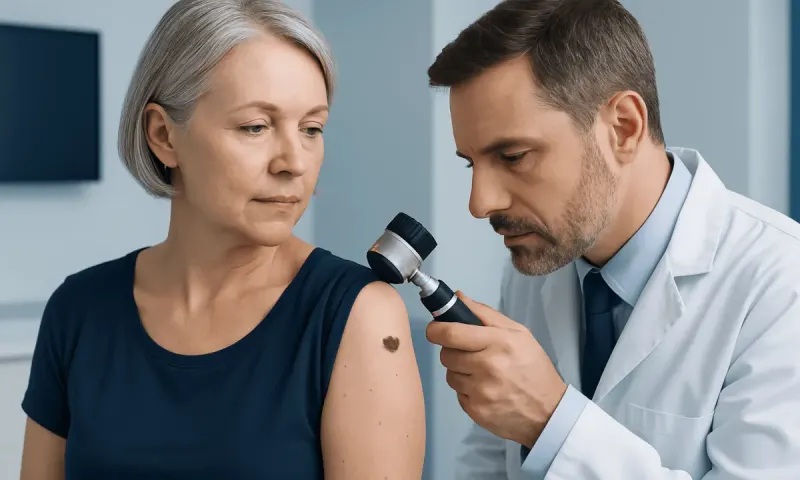
SCC can look different from person to person. It may present as a rough, scaly red patch; a firm, tender bump; a crusted or bleeding growth; or a sore that does not heal. Some lesions have a raised edge and a central depression. On the lip, it may appear as persistent scaling, thickening, or a non-healing ulcer.
Many SCCs are not painful, so the absence of discomfort does not rule out cancer. A lesion that repeatedly crusts, bleeds after minor contact, grows, changes texture, or remains present for several weeks should be examined. People should also mention any numbness, tingling, or weakness around a lesion, particularly on the face, as these symptoms may need more detailed evaluation.
- A persistent red, scaly, or crusted patch
- A rapidly enlarging lump or wart-like growth
- A sore that does not heal or heals and returns
- Bleeding, tenderness, itching, or pain in a changing lesion
- A new lesion within a scar, chronic wound, or area of previous radiation
How Fast Does Squamous Cell Carcinoma Spread?
The speed at which squamous cell carcinoma grows or spreads varies widely. Many SCCs grow gradually over months, while some may enlarge more quickly over weeks. Most skin SCCs remain localized when diagnosed and treated early, but it is not possible to predict behavior from appearance alone.
The chance of spread is higher when a tumor is large, deep, recurrent, poorly differentiated under the microscope, located on higher-risk sites such as the ear or lip, or associated with nerve involvement. Risk can also be higher in people with a weakened immune system, including some transplant recipients or people taking immune-suppressing medicines. SCC arising in chronic scars, ulcers, or previously irradiated skin may also behave more aggressively.
Clinicians assess these features after examination and biopsy. For higher-risk tumors, they may check nearby lymph nodes and consider imaging or referral to a multidisciplinary cancer team. Early review remains the best way to reduce the chance that a lesion grows into surrounding tissue or spreads.
Causes and Factors That Increase Risk
Long-term exposure to UV radiation from sunlight is the leading cause of most SCC skin cancers. UV exposure damages DNA in skin cells over time. Sunburns, outdoor work or recreation, use of tanning beds, and living in areas with intense sunlight can all contribute to cumulative exposure.
Other factors can increase risk. These include fair or easily sunburned skin, older age, a personal history of skin cancer, many actinic keratoses, and immune suppression. Human papillomavirus may contribute to some SCCs in particular body sites, while chronic inflammation, non-healing wounds, burns, and scars can rarely be the setting in which SCC develops.
Risk factors do not mean that a person will develop SCC, and people of all skin tones can be affected. In darker skin, lesions may occur more often in areas with less sun exposure or in scars and chronic wounds, which makes attention to any persistent skin change especially important.
Diagnosis and Risk Assessment
A clinician usually begins with a skin examination and asks when the lesion was first noticed, whether it has changed, and whether there is a history of sun exposure, previous skin cancer, immune suppression, or radiation treatment. They may examine the surrounding skin and nearby lymph nodes as well.
A biopsy is needed to diagnose SCC skin cancer. During this minor procedure, a clinician removes all or part of the abnormal area under local anesthetic and sends it to a laboratory. A pathologist examines the tissue to confirm whether cancer is present and identify features that help estimate its level of risk.
Most small, low-risk SCCs do not need extensive tests beyond biopsy and treatment planning. If a tumor appears high risk, recurrent, or advanced, the team may use imaging to look at deeper tissue or lymph nodes. In selected situations, specialized surgical assessment can help ensure complete removal while preserving healthy tissue.
How Do They Treat Squamous Cell Skin Cancer?
Treatment depends on the tumor’s size, depth, location, pathology findings, whether it has returned, and the person’s overall health. For many localized SCCs, surgery is the main treatment. Standard excision removes the visible tumor with a margin of normal-looking skin, and the specimen is checked in the laboratory to help confirm that the cancer has been removed.
Mohs micrographic surgery is often considered for SCCs in cosmetically or functionally important areas, such as the nose, eyelids, ears, lips, fingers, or genital region, and for selected higher-risk or recurrent tumors. It removes tissue in stages and examines the edges during the procedure, helping spare as much healthy skin as possible.
Depending on the situation, other options may include curettage and electrodessication for carefully selected low-risk lesions, cryotherapy or topical therapies for certain superficial precancerous or in-situ lesions, and radiation therapy when surgery is unsuitable or as additional treatment in selected higher-risk cases. Treatment planning should be individualized by a dermatologist, surgeon, radiation oncologist, or multidisciplinary cancer team.
What Are the Newest Treatments for Squamous Cell Carcinoma (SCC)?
For advanced cutaneous SCC that cannot be removed with surgery or treated effectively with radiation, immunotherapy has changed treatment options. PD-1 immune checkpoint inhibitors can help the immune system recognize and attack cancer cells. These medicines are generally considered for locally advanced or metastatic disease and are prescribed and monitored by oncology specialists.
Not every person is a suitable candidate for immunotherapy. The care team considers the extent of cancer, prior treatment, immune-related conditions, organ health, and possible side effects. Immune-related adverse effects can affect different organs, so new symptoms during treatment should be reported promptly.
Research continues into better combinations of surgery, radiation, systemic therapy, and supportive care for higher-risk SCC. For people with complex disease, review by specialists from dermatology, surgery, pathology, medical oncology, and radiation oncology can help coordinate an evidence-based plan. Acıbadem Health Point’s multidisciplinary specialists and JCI-accredited hospitals assess and treat skin cancer for international patients.
Is There a Natural Cure for Squamous Cell Carcinoma?
There is no proven natural cure for squamous cell carcinoma. Herbal products, supplements, restrictive diets, and topical home remedies have not been shown to eliminate invasive SCC safely. Relying on an unproven approach can delay diagnosis and allow a tumor to become larger or more difficult to treat.
Healthy habits can support overall wellbeing during and after cancer treatment, but they do not replace medical care. These habits include avoiding tanning beds, limiting intense sun exposure, eating a balanced diet, not smoking, and following a clinician’s advice about wound care and follow-up.
People who use supplements or complementary therapies should tell their care team. Some products can interact with medicines, affect bleeding risk, or interfere with surgery or cancer treatment. A clinician can help separate supportive measures from claims that lack reliable evidence.
When to Seek Medical Care
Medical assessment is appropriate for a new or changing skin lesion, especially one that is scaly, thickened, bleeding, painful, rapidly growing, or not healing. An appointment should be arranged promptly if a sore persists beyond a few weeks, returns after seeming to heal, or develops within a scar, chronic wound, or area of prior radiation.
More urgent review is sensible if a lesion is growing quickly, causes numbness or weakness, is on the lip or ear, or is accompanied by a new lump in a nearby lymph node. People with immune suppression or a previous history of skin cancer may benefit from regular clinician-led skin examinations, based on their individual risk.
After SCC treatment, follow-up visits help identify recurrence, new SCCs, and other sun-related skin changes early. Daily broad-spectrum sun protection, protective clothing, shade when practical, and regular self-checks are useful preventive steps. A clinician can advise how often follow-up is needed for an individual situation.
Frequently asked questions
01Is SCC skin cancer curable?
Many SCC skin cancers are treated successfully, especially when they are found early and remain localized. The outlook depends on features such as tumor size, depth, location, pathology findings, and whether the cancer has spread. Follow-up remains important because new skin cancers can develop over time.
02Can squamous cell carcinoma spread to other parts of the body?
Yes, SCC can spread, but most skin SCCs are diagnosed before this occurs. Tumors that are large, deep, recurrent, located on the ear or lip, or present in people with immune suppression may carry a higher risk. A clinician can assess individual risk after examination and biopsy.
03What does squamous cell carcinoma look like?
It may look like a rough or scaly red patch, a crusted sore, a firm raised bump, or a lesion that bleeds and does not heal. SCC can have different appearances and may resemble non-cancerous skin conditions. A biopsy is the reliable way to confirm the diagnosis.
04How do doctors confirm SCC skin cancer?
Doctors confirm SCC with a biopsy, in which a small sample or the entire lesion is removed for laboratory examination. The pathology report identifies whether SCC is present and may describe features that guide treatment. Further imaging is usually reserved for selected higher-risk or advanced cases.
05Does squamous cell carcinoma always require surgery?
Surgery is commonly used because it can remove the cancer and allow tissue analysis, but it is not the only option. Depending on the lesion and the person’s health, radiation therapy or other localized treatments may be considered. Advanced disease may require systemic therapy such as immunotherapy.
06Can sunscreen prevent squamous cell carcinoma?
Regular sun protection can reduce UV exposure, which is a major risk factor for SCC skin cancer. Broad-spectrum sunscreen, protective clothing, hats, sunglasses, and seeking shade work best when used together. Sun protection cannot remove an existing lesion, so suspicious changes should still be evaluated.
This article is for general information only and is not a substitute for professional medical advice. Please consult a qualified doctor about your individual situation.
Hair transplant in Turkey — costs, graft counts & a free assessment
JCI-accredited · board-certified surgeons · reply within 24h
Add us as a Preferred Source to see more of our trusted health content across Google Search, AI Overviews and Discover.