Can Women Develop Pancreatic Cancer?
Yes, women can get pancreatic cancer. However, symptoms such as indigestion, bloating, tiredness, or abdominal discomfort are much more often caused by common conditions, so persistent or concerning changes should be assessed calmly by a doctor.
Does women get pancreatic cancer?
Yes. Women can develop pancreatic cancer, although it is less common than many other health conditions that can cause digestive symptoms. Most episodes of bloating, indigestion, tiredness, appetite changes, or abdominal discomfort are not caused by pancreatic cancer and may relate to diet, reflux, gallstones, infections, medication effects, or other treatable conditions.
Pancreatic cancer begins when abnormal cells grow in the pancreas, an organ behind the stomach that helps digest food and regulate blood sugar. It can occur in women and men, most often later in adulthood. The condition may not cause noticeable symptoms early on, which is why ongoing, unexplained changes deserve medical attention rather than self-diagnosis.
Some warning signs are more specific and should be checked promptly, particularly yellowing of the skin or eyes, dark urine, pale stools, persistent upper abdominal pain that may spread to the back, unintended weight loss, or new diabetes without an obvious explanation. These symptoms do not confirm cancer, but they should lead to a timely medical assessment.
Why symptoms can be difficult to recognize
The pancreas sits deep in the abdomen, so a small tumor may not be felt and may not produce clear symptoms. Early changes can resemble common digestive concerns, including reduced appetite, nausea, fullness after small meals, gas, indigestion, or a change in bowel habits. These symptoms are common and usually have non-cancer causes.
Symptoms may become more noticeable if a growth affects the bile duct, which carries bile from the liver into the intestine. A blockage can lead to jaundice, dark-colored urine, lighter or clay-colored stools, itching, and digestive changes. Jaundice has several possible causes, including gallstones and liver conditions, but it always needs prompt evaluation.
Women should not assume that persistent abdominal or back symptoms are solely due to menstrual changes, menopause, stress, or an existing digestive diagnosis. A new symptom that is persistent, progressive, or different from a person’s usual pattern is worth discussing with a qualified clinician.
Possible signs of pancreatic cancer in women

There is no single symptom that identifies pancreatic cancer in women. The symptoms are broadly similar across sexes, and their importance depends on the pattern, duration, and whether they occur together. A doctor will consider the full medical history rather than relying on any one sign.
- Persistent pain or discomfort in the upper abdomen, sometimes spreading to the middle back
- Unintended weight loss or loss of appetite
- Jaundice, dark urine, pale stools, or generalized itching
- New or worsening diabetes, especially when paired with weight loss
- Nausea, vomiting, indigestion, bloating, or feeling full unusually quickly
- Fatty, floating, foul-smelling, or difficult-to-flush stools, which can occur when digestion is affected
- Ongoing fatigue or a decline in general wellbeing
These symptoms can also occur with gallbladder disease, liver disease, peptic ulcers, irritable bowel syndrome, pancreatic inflammation, and many other conditions. They should be reviewed if they persist for more than a few weeks, recur, worsen, or are accompanied by jaundice, weight loss, or significant pain.
People with persistent pancreatic-type symptoms may also be assessed for related conditions, such as pancreatic cancer, after common causes have been considered. Evaluation is individualized and does not mean that cancer is the expected diagnosis.
Causes and risk factors
In most people, the exact cause of pancreatic cancer cannot be identified. Cancer develops through a combination of genetic changes and environmental or health-related factors. Having a risk factor does not mean a person will develop the disease, and some people diagnosed with pancreatic cancer have no known risk factors.
Risk rises with age. Smoking is one of the best-established modifiable risks. Other factors associated with a higher likelihood include obesity, long-term pancreatitis, long-standing diabetes, and certain inherited genetic changes or family cancer syndromes. A close family history of pancreatic cancer can be relevant, particularly when more than one relative has been affected.
Some inherited cancer syndromes may increase risk for pancreatic and other cancers, including hereditary breast and ovarian cancer syndromes, Lynch syndrome, and Peutz-Jeghers syndrome. Women with a strong family history of pancreatic, breast, ovarian, colorectal, or melanoma cancers may benefit from discussing genetic counseling with their doctor.
Routine screening is not recommended for everyone because pancreatic cancer is uncommon and available tests can cause unnecessary follow-up procedures. However, specialist surveillance may be considered for selected people at high inherited risk.
How doctors investigate concerning symptoms
A doctor usually begins by asking about symptoms, their timing, medical conditions, medicines, smoking history, weight changes, and family history. They may examine the abdomen and look for jaundice or other signs of illness. This first step helps identify whether urgent testing is needed and which common conditions should also be considered.
Blood tests may check liver function, bilirubin levels, blood sugar, blood count, and markers of inflammation or nutritional status. A blood test called CA 19-9 may sometimes be used during assessment or follow-up, but it cannot diagnose pancreatic cancer by itself and is not a screening test for the general population.
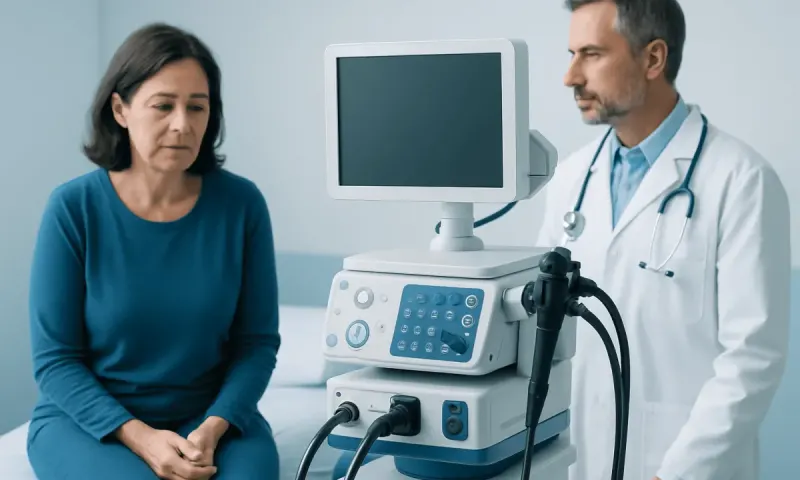
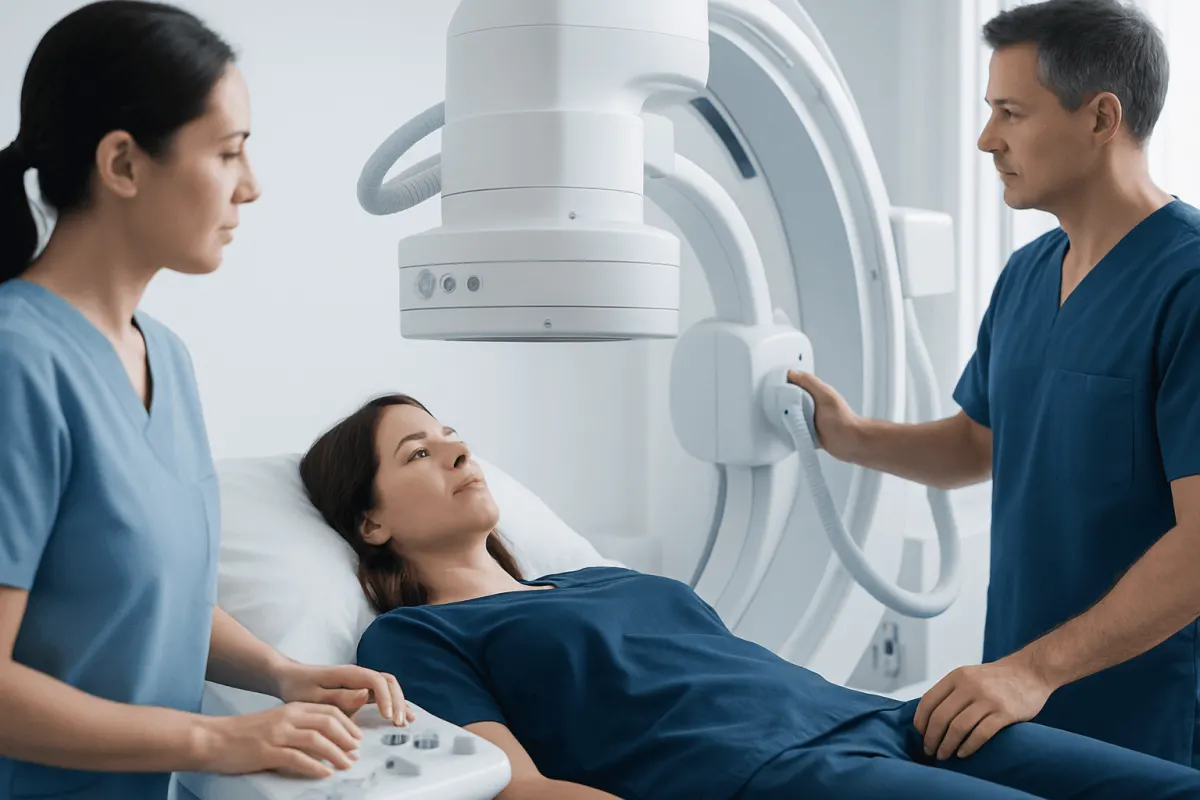
Imaging may include an abdominal ultrasound, contrast-enhanced CT scan, MRI, or MRCP, which provides detailed images of the bile and pancreatic ducts. If more detailed assessment is needed, an endoscopic ultrasound may be used. This involves passing a thin flexible camera through the mouth into the stomach and small intestine while an ultrasound probe creates images close to the pancreas.
If imaging identifies an area that needs clarification, a small tissue sample may be collected, often during endoscopic ultrasound. A pathologist examines the cells to establish a diagnosis and guide treatment decisions. The process can feel worrying, but each test has a specific role in reaching an accurate explanation for the symptoms.
Treatment options and supportive care
Treatment depends on the type of pancreatic cancer, its location, whether it has spread, a person’s overall health, and individual preferences. Care is commonly planned by a multidisciplinary team that may include surgeons, medical oncologists, radiation oncologists, gastroenterologists, radiologists, pathologists, dietitians, and specialist nurses.
For tumors that can be removed safely, surgery may be recommended. This may involve removal of part of the pancreas and nearby structures, depending on the tumor location. Drug treatments such as chemotherapy may be given before or after surgery, or when surgery is not suitable. Radiation therapy may be considered in selected circumstances.
Supportive treatment is important at every stage. It may include help with pain, nausea, nutrition, diabetes management, pancreatic enzyme replacement when digestion is impaired, and treatment to relieve a blocked bile duct. Chemotherapy and radiotherapy are tailored to the individual clinical situation by the treating oncology team.
Acıbadem Health Point’s multidisciplinary specialists and JCI-accredited hospitals diagnose and treat pancreatic conditions for international patients, with treatment planning based on clinical findings and individual needs.
Prevention and practical self-care
Not all pancreatic cancer can be prevented, especially when inherited factors or age are involved. Still, practical health measures can support general cancer prevention and may reduce risk. Avoiding tobacco is particularly important; people who smoke can ask a clinician about evidence-based support to stop.
A balanced eating pattern, regular physical activity, and maintaining a weight that is appropriate for the individual can support metabolic health. People with diabetes should work with their healthcare team to manage blood sugar and attend regular reviews. Limiting alcohol may also be advised, particularly for those with pancreatitis or liver disease.
There is no reliable home test, supplement, or diet that can detect or prevent pancreatic cancer. It is better to seek medical advice for persistent symptoms than to rely on online symptom checkers or restrictive diets. Keeping a brief record of symptom timing, food intake, bowel changes, weight, and any jaundice can be useful during an appointment.
When to seek medical care
Medical review is appropriate when digestive symptoms persist, recur, become more severe, or are different from a person’s usual experience. It is especially important to book an appointment for unexplained weight loss, reduced appetite, ongoing upper abdominal or back pain, persistent fatigue, new bowel changes, or recently diagnosed diabetes accompanied by other concerning symptoms.
Urgent medical assessment is needed for jaundice, particularly yellow eyes or skin, dark urine, pale stools, severe itching, fever with abdominal pain, repeated vomiting, or rapidly worsening pain. These symptoms can be caused by conditions other than cancer, including bile duct blockage or infection, but they should not be delayed.
Women with a strong family history of pancreatic cancer or known inherited cancer-related gene changes should discuss their risk with a doctor. A clinician can explain whether referral for genetic counseling or specialist surveillance is appropriate. Seeking advice early is a sensible step and often helps identify common, manageable causes of symptoms.
Frequently asked questions
01Can women get pancreatic cancer?
Yes. Pancreatic cancer can affect women as well as men, particularly in later adulthood. Sex alone does not determine whether someone will develop the condition, and individual risk is influenced by age, smoking, health history, family history, and other factors.
02What is usually the first sign of pancreatic cancer in women?
There is no single first sign, and early symptoms may be absent or vague. Some people notice indigestion, appetite loss, abdominal discomfort, or fatigue, while jaundice may occur when a tumor affects the bile duct. Because these symptoms are common in other conditions, persistent changes should be assessed by a doctor.
03Does pancreatic cancer cause lower abdominal pain?
Pancreatic cancer more often causes discomfort in the upper abdomen, which may spread to the back. Lower abdominal pain has many more common causes, including bowel, urinary, and gynecological conditions. A clinician can assess the location, pattern, and accompanying symptoms to determine appropriate testing.
04Can a blood test detect pancreatic cancer?
Blood tests can identify clues such as liver or bile duct problems, changes in blood sugar, anemia, or inflammation. CA 19-9 can sometimes support monitoring or assessment, but it cannot diagnose pancreatic cancer on its own. Imaging and, when necessary, a tissue biopsy are used to confirm a diagnosis.
05Should women be screened for pancreatic cancer?
Routine screening is not recommended for people at average risk. Screening or surveillance may be appropriate for a smaller group with a strong family history or specific inherited genetic conditions. A doctor or genetic counselor can help determine whether specialist monitoring is suitable.
06Is new diabetes a sign of pancreatic cancer?
Most new diabetes is not caused by pancreatic cancer. However, new diabetes developing later in life, particularly alongside unintended weight loss, abdominal symptoms, or jaundice, may prompt a doctor to consider further evaluation. The assessment will also consider common causes of diabetes and other health factors.
This article is for general information only and is not a substitute for professional medical advice. Please consult a qualified doctor about your individual situation.
Medical weight-loss options in Turkey — costs & eligibility
JCI-accredited · board-certified surgeons · reply within 24h
Add us as a Preferred Source to see more of our trusted health content across Google Search, AI Overviews and Discover.