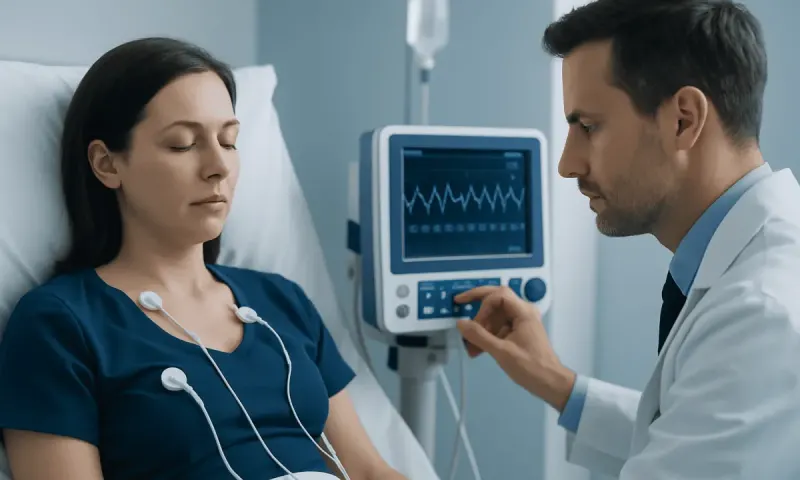
Pacemaker Age Limit: Who Can Safely Have One?
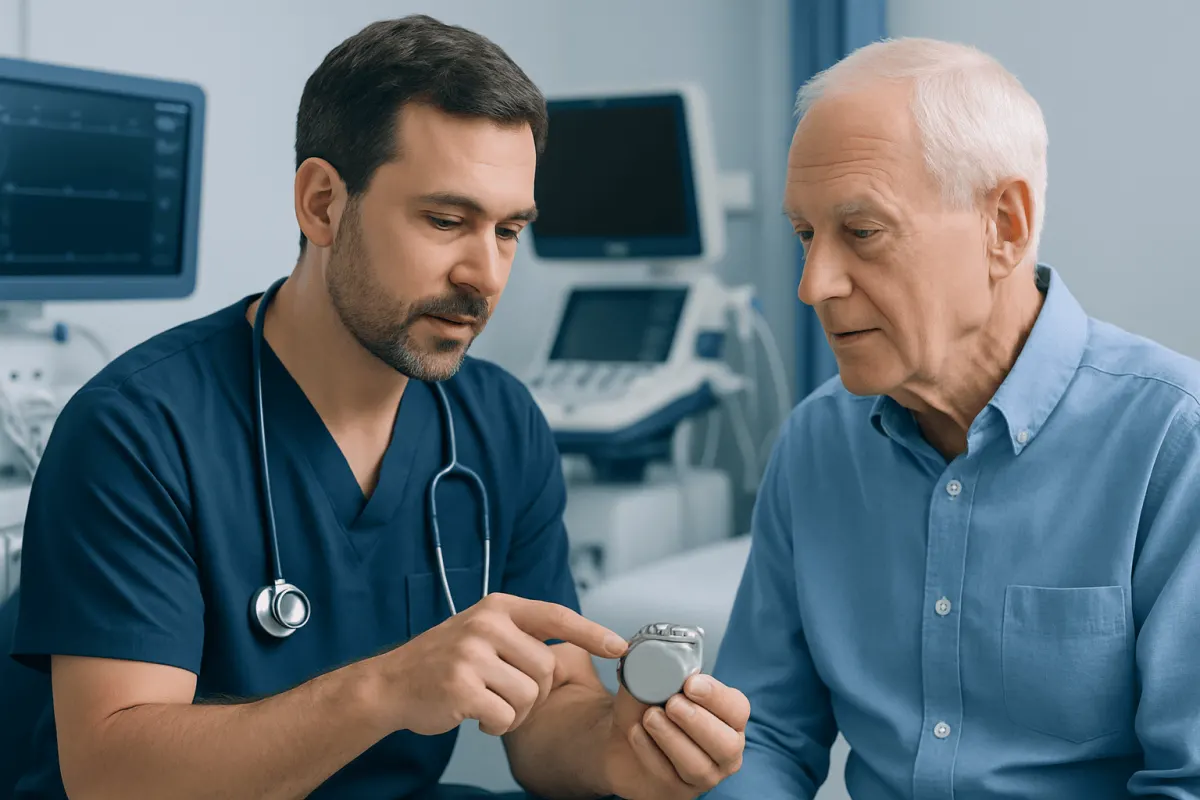
There is no upper or lower pacemaker age limit. A pacemaker is considered when a person’s heart rhythm, symptoms and overall health suggest that the device is likely to improve safety or quality of life, whether the person is a child, age 20, age 25 or in later life.
Is there a pacemaker age limit?
There is no fixed pacemaker age limit. A pacemaker may be recommended at almost any age when the heart beats too slowly, pauses unexpectedly or has an electrical conduction problem that causes symptoms or creates a meaningful health risk. The decision depends much more on the diagnosis, symptoms, daily functioning and overall medical condition than on a person’s date of birth.
A pacemaker is a small implanted device that monitors the heart’s rhythm and sends gentle electrical signals when needed to help maintain an appropriate heartbeat. It does not usually treat every type of heart condition. Instead, it is used for selected rhythm disorders, including some forms of bradycardia, sinus node dysfunction and heart block.
For someone searching for a pacemaker age 20 or pacemaker age 25, the same principle applies: younger adults can need a pacemaker if they have an appropriate rhythm disorder. In children and young people, the procedure and follow-up are tailored to body size, growth, heart anatomy and the likely need for device changes over time.
How doctors decide whether a pacemaker is appropriate
Doctors first confirm whether symptoms are linked to an abnormal heart rhythm. Possible symptoms include fainting, near-fainting, dizziness, unusual tiredness, shortness of breath, reduced exercise tolerance, palpitations or confusion in some older adults. Some people have few symptoms but have a rhythm finding that requires timely treatment.
Assessment commonly includes a medical history, physical examination, electrocardiogram (ECG), blood tests and heart rhythm monitoring. A Holter monitor or longer-term event recorder may be used when symptoms come and go. An echocardiogram may also help assess heart structure and pumping function.
Clinicians also review medicines, thyroid problems, sleep-related breathing disorders and other reversible causes of a slow heart rate. If the rhythm issue is temporary or caused by a medication that can be adjusted safely, a permanent pacemaker may not be needed. Where a lasting conduction problem is present, pacemaker implantation may offer a reliable way to prevent excessively slow heart rates.
- The type and frequency of rhythm disturbance
- Whether symptoms are affecting safety or daily life
- Other health conditions, frailty and personal treatment goals
- The expected benefits, possible risks and follow-up needs
Is it safe for an 80 year old to get a pacemaker?

Yes, an 80-year-old can often safely receive a pacemaker. Advanced age by itself is not a reason to withhold treatment. Many older adults benefit when a pacemaker addresses fainting, dizziness or fatigue caused by a documented slow heart rhythm or heart block.
Before recommending the procedure, the heart team considers factors such as kidney and lung health, infection risk, blood-thinning medicines, mobility, cognition, skin condition and the person’s own goals. These details help clinicians plan the safest approach and discuss realistic benefits. A comprehensive assessment is more useful than using age alone as a measure of suitability.
Implantation is usually performed using local anaesthetic with sedation when appropriate. Recovery needs may differ from person to person, particularly if someone is frail or has several health conditions. Follow-up appointments are important to review the incision, check device function and adjust settings if needed.
Is there a downside to getting a pacemaker?
A pacemaker can be highly beneficial, but it is still an implanted medical device and has potential downsides. Short-term risks from the procedure can include bruising or bleeding around the device pocket, infection, discomfort, a blood vessel injury, a collapsed lung or movement of a lead. Serious complications are uncommon, but the treating team explains individual risks before the procedure.
Over the longer term, the battery gradually runs down and the generator must be replaced. Leads can occasionally malfunction, and some people require further procedures. The device can also create practical considerations around certain medical scans, security systems and strong electromagnetic fields, although many modern pacemakers are designed to be compatible with MRI under specific conditions.
Some people feel anxious about living with a device or need time to adapt to activity restrictions during healing. A pacemaker also may not resolve symptoms if another condition is contributing to tiredness, breathlessness or dizziness. Clear diagnosis and regular device follow-up help ensure the pacemaker is providing the intended support.
Why can't you drive with a pacemaker?
Having a pacemaker does not usually mean a person can never drive. Driving may be temporarily restricted after implantation because the incision and shoulder area need to heal, and because the underlying rhythm problem may have caused fainting or sudden dizziness. The goal is to reduce the chance of an episode that could affect safe control of a vehicle.
The appropriate waiting period differs according to local driving regulations, whether the person drives privately or professionally, the reason for the pacemaker and whether they had loss of consciousness. People should follow the specific advice of their cardiologist and local licensing authority rather than relying on a general timeframe from the internet.
Once recovery is adequate and the treating team confirms that the condition is controlled, many people return to driving. Anyone who develops fainting, severe dizziness, chest pain or new palpitations while driving or after returning to driving should stop driving and seek medical advice promptly.
What are four things to be avoided if you have a pacemaker device?
Most daily activities, household appliances and electronic devices can be used safely with a pacemaker. However, people should avoid or take precautions around certain situations that could affect the device or delay treatment. Their pacemaker clinic can provide advice specific to the device model and the person’s work and lifestyle.
- Do not place strong magnets directly over the pacemaker: magnetic therapy products, some electronic devices and magnetic clasps should be kept away from the chest. A mobile phone is generally best carried away from the device and used on the opposite ear.
- Avoid strong industrial electromagnetic fields unless cleared: this may include some welding equipment, high-powered generators and industrial machinery. Workplace assessment may be needed.
- Do not miss device follow-up appointments: regular checks monitor battery life, leads and rhythm information, including through remote monitoring when offered.
- Do not undergo a medical procedure without informing the clinical team: MRI, radiation treatment, electrocautery used in surgery and some physical Light Therapy Devices: How It Works, Results and What to Expect" class="ahp-ilk">therapy devices may require precautions or specialist planning.
People should carry their pacemaker identification card and tell dentists, surgeons, radiology staff and other healthcare professionals about the device. Airport and security screening is usually manageable, but the identification card and device clinic advice can help guide the process.
Life after pacemaker implantation
Most people can return gradually to usual activities after their incision heals and their clinician clears them to do so. During early recovery, the team may advise avoiding heavy lifting and limiting repeated, forceful movement of the arm on the implantation side. This helps protect the wound and allows the leads to settle.
Long-term, regular walking, balanced eating, sleep and management of conditions such as high blood pressure, diabetes or coronary artery disease remain important. A pacemaker supports the heartbeat when needed, but it does not replace broader heart health care. Taking prescribed medicines and attending reviews remain essential.
People should contact their care team if they notice redness, warmth, swelling, drainage or increasing pain at the implant site; fever; persistent hiccups or twitching near the chest or abdomen; new fainting; or a return of previous symptoms. These signs do not always mean there is a device problem, but they warrant assessment.
When to seek medical care
Urgent medical care is needed for chest pain, severe shortness of breath, fainting, signs of stroke, or a fast or irregular heartbeat accompanied by feeling very unwell. New confusion, severe weakness or repeated near-fainting should also be assessed promptly, especially in an older person.
People with a pacemaker should contact their cardiology or device clinic soon if the wound appears infected, if the device area becomes swollen or painful, or if they experience symptoms similar to those that led to implantation. They should not try to adjust, press on or test the device themselves.
Acıbadem Health Point’s multidisciplinary specialists and JCI-accredited hospitals assess heart rhythm concerns and provide coordinated care for international patients. A qualified cardiologist can explain whether a pacemaker is appropriate for an individual’s age, rhythm diagnosis and health priorities.
Frequently asked questions
01What is the pacemaker age minimum?
There is no universal pacemaker age minimum. Pacemakers can be used in infants, children and adults when a heart rhythm disorder makes one medically necessary. In younger patients, doctors consider growth, heart anatomy and long-term device planning.
02Can a 20-year-old or 25-year-old get a pacemaker?
Yes. A pacemaker age 20 or pacemaker age 25 is possible when testing confirms a rhythm condition such as significant bradycardia or heart block. Younger age does not prevent implantation, but long-term follow-up is especially important because the device may need replacements over a lifetime.
03How long does a pacemaker last?
The battery and generator do not last forever, but they commonly function for several years. Battery life depends on the device type, settings and how often pacing is needed. Device checks estimate remaining battery life and help schedule replacement before the battery is depleted.
04Can a person exercise with a pacemaker?
Many people can exercise safely after recovering from implantation and receiving clearance from their clinician. The right activity level depends on the underlying heart condition and overall fitness. Contact sports or activities that could cause a direct blow to the device area may need discussion with the cardiac team.
05Can a pacemaker be removed if it is no longer needed?
A pacemaker is not routinely removed simply because it is being used infrequently. Removing leads or a generator involves its own risks and is considered only for specific reasons, such as infection, device complications or a carefully assessed clinical need. This decision should be made by an experienced heart rhythm specialist.
06Will a pacemaker cure a heart condition?
A pacemaker treats selected problems caused by a heartbeat that is too slow or interrupted. It does not cure every heart disease and may not treat symptoms caused by other conditions. Ongoing care for blood pressure, coronary disease, heart failure or other diagnoses may still be needed.
This article is for general information only and is not a substitute for professional medical advice. Please consult a qualified doctor about your individual situation.
Explore treatments in Turkey — costs, top hospitals & a free quote
JCI-accredited · board-certified surgeons · reply within 24h
Add us as a Preferred Source to see more of our trusted health content across Google Search, AI Overviews and Discover.
More from the Health Library
Pulmonary Embolism Recovery: Blood Thinners, Activity, and Follow-Up Care

Persistent Infection: Why Symptoms May Not Improve After Treatment