Does Ashwagandha Lower Blood Pressure?

Ashwagandha may have a small blood-pressure-lowering effect for some people, particularly where stress is a contributing factor, but current research is limited. It should not replace prescribed treatment or medical assessment for high or low blood pressure.
Does Ashwagandha Lower Blood Pressure?
Ashwagandha may lower blood pressure slightly in some people, but the evidence is limited and it is not a proven or recommended treatment for high blood pressure. Small clinical studies have suggested possible benefits, often alongside improvements in stress or sleep, but the studies are generally short and use different supplement preparations. This makes it difficult to know who may benefit and by how much.
For many people, taking ashwagandha without concerning symptoms is unlikely to be an emergency. However, a person should seek medical advice if they develop persistent light-headedness, unusual weakness, palpitations, or readings that are much lower or higher than usual. Chest pain, shortness of breath, fainting, new confusion, severe headache, weakness on one side of the body, or vision changes require urgent medical assessment.
Blood pressure is influenced by many factors, including age, stress, sleep, salt intake, activity, body weight, alcohol, medicines, and medical conditions. A doctor can repeat blood pressure measurements correctly, review all medicines and supplements, and decide whether blood tests, heart assessment, or other checks are appropriate. This is especially important before using a supplement to manage a diagnosed health condition.
What the Research Shows
Ashwagandha, also called Withania somnifera, is a plant used in traditional medicine. It is often marketed for stress, sleep, energy, and general wellbeing. Some researchers have explored whether reducing stress responses may also improve cardiovascular measures, including blood pressure.
A few small trials have found reductions in systolic blood pressure, the top number in a reading, or diastolic blood pressure, the bottom number. Other studies have not shown a clear effect. The research differs in participant health, duration, study design, and the type and amount of ashwagandha extract used. Many studies are too small or too brief to establish that the supplement prevents heart disease or safely treats hypertension.
Stress reduction may partly explain any observed change. Stress can temporarily raise blood pressure and may make healthy routines harder to maintain. Still, a lower stress level does not mean that high blood pressure has been cured. High blood pressure often has no noticeable symptoms and needs regular measurement rather than relying on how a person feels.
Professional hypertension guidance focuses on validated monitoring, lifestyle measures, and prescribed medicines when indicated. Ashwagandha has not been established as an alternative to these approaches. Anyone considering it should discuss the decision with a doctor or pharmacist, particularly if they already have a cardiovascular diagnosis.
Why Blood Pressure May Change With Ashwagandha

The body regulates blood pressure through the heart, blood vessels, kidneys, hormones, and nervous system. Ashwagandha may influence stress-related signaling, sleep, or anxiety symptoms in some individuals. These effects could indirectly affect blood pressure, but this proposed pathway does not prove a consistent clinical benefit.
Blood pressure naturally changes throughout the day. It can rise temporarily after exercise, caffeine, nicotine, pain, poor sleep, emotional stress, or a medical appointment. It may fall with dehydration, illness, alcohol, heat exposure, standing up quickly, or certain medicines. A single reading therefore cannot reliably show whether a supplement is responsible.
People with high blood pressure may also have other contributors, such as kidney disease, diabetes, obstructive sleep apnea, thyroid disorders, or medication effects. A clinician may consider these possibilities based on a person’s age, symptoms, family history, examination, and repeated readings. Treating the underlying cause can be more important than adding a supplement.
It is also possible for blood pressure to become too low, especially when several factors occur together. Low blood pressure is not always harmful, but it can cause dizziness, blurred vision, nausea, fatigue, confusion, or fainting when it reduces blood flow to the brain and other organs.
Who Should Be Careful With Ashwagandha?
Ashwagandha can have biological effects and is not suitable for everyone. People taking medication for high blood pressure should be especially cautious because combining treatments may lower blood pressure more than intended. This could increase the risk of dizziness or falls, particularly in older adults or people who already have low readings.
It may also interact with medicines that affect blood sugar, thyroid function, immunity, sleep, or anxiety. Ashwagandha has been associated, rarely, with liver injury, and it may affect thyroid hormone levels in some people. A person who develops yellowing of the skin or eyes, dark urine, severe tiredness, persistent nausea, or upper abdominal pain should stop the supplement and seek prompt medical advice.
Pregnant or breastfeeding people should avoid ashwagandha unless a qualified clinician specifically recommends it. Caution is also sensible for people with autoimmune conditions, thyroid disease, liver disease, hormone-sensitive conditions, or a history of severe reactions to herbal products. Children should not be given supplements without pediatric medical guidance.
Supplements are not regulated to the same standard as prescription medicines in many countries. The stated amount, extract type, purity, and presence of other ingredients can vary between products. Choosing a product marketed as “natural” does not guarantee that it is safe, effective, or appropriate for an individual’s health needs.
How to Check Blood Pressure Safely
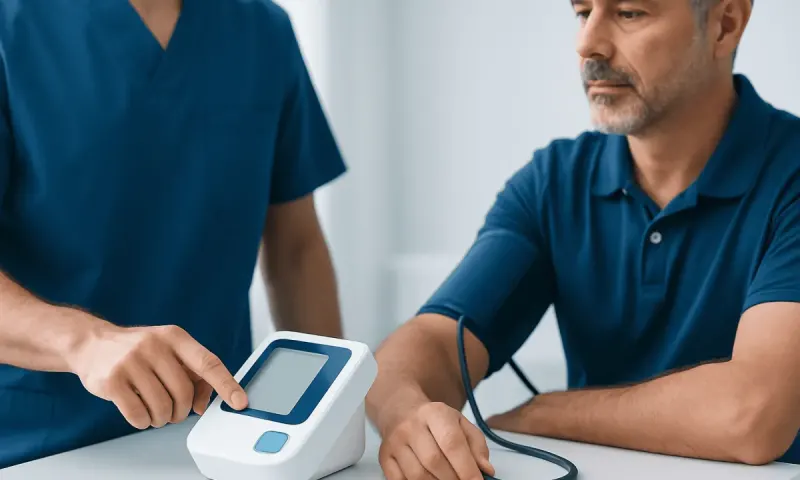
Home blood pressure monitoring can help distinguish a temporary change from a persistent pattern. A validated upper-arm monitor is generally preferred. Before measuring, a person should avoid smoking, caffeine, and exercise for about 30 minutes if possible, empty their bladder, sit quietly for several minutes, and keep both feet on the floor with the arm supported at heart level.
Taking two readings about one minute apart and recording the results can be more useful than relying on one number. Measurements are often taken at similar times each day for several days, following a clinician’s instructions. The record should include symptoms, relevant medicines, and any supplements, including when ashwagandha was started or stopped.
A blood pressure reading should be interpreted in context. Readings may be affected by cuff size, talking during the test, body position, anxiety, and an irregular heartbeat. A clinician may ask for home readings, repeat measurements in the clinic, or arrange ambulatory monitoring over 24 hours to gain a clearer picture.
If high blood pressure is confirmed, care may include nutrition and activity changes, limiting excess alcohol, stopping smoking, improving sleep, and medicines when appropriate. These plans are individualized. Stopping prescribed blood pressure medicine because a supplement seems to be helping can allow blood pressure to rise without causing obvious symptoms.
Evidence-Based Ways to Support Healthy Blood Pressure
For people with elevated blood pressure, sustainable daily habits have stronger evidence than herbal supplements. A balanced eating pattern rich in vegetables, fruits, whole grains, legumes, and other minimally processed foods can support heart health. Reducing excess sodium, particularly from packaged and restaurant foods, may also help.
Regular physical activity, if medically appropriate, can support blood pressure, mood, sleep, and weight management. Even gradual increases in walking and other enjoyable activity can be meaningful. A clinician can advise on safe exercise choices for people with heart disease, severe hypertension, mobility limitations, or new symptoms.
Stress management can be useful, whether or not a person uses ashwagandha. Approaches such as regular sleep routines, relaxation exercises, counseling, social connection, and limiting nicotine and excess alcohol may help reduce stress-related blood pressure fluctuations. These measures work best as part of an overall plan rather than as a substitute for medical care.
Before starting any supplement, it is helpful to bring the container or a clear product list to an appointment. A doctor or pharmacist can check whether it is compatible with current treatments and help decide whether monitoring is needed. Acıbadem Health Point’s multidisciplinary specialists and JCI-accredited hospitals can assess blood pressure concerns and treatment needs for international patients.
When to Seek Medical Care
Medical review is appropriate for repeated high readings, new low readings with symptoms, or any concern that ashwagandha is affecting medicines. A person should arrange a non-urgent appointment if they have ongoing dizziness, fatigue, headaches, palpitations, swelling in the legs, or home readings that remain outside the range their clinician has advised.
Urgent care is needed for chest pain, severe shortness of breath, fainting, seizure, severe or sudden headache, confusion, trouble speaking, facial drooping, weakness or numbness on one side, or sudden vision changes. These symptoms can have causes other than blood pressure, but they should not be managed by taking or stopping a supplement.
A doctor may ask about symptoms, family history, diet, sleep, alcohol, smoking, activity, pregnancy status, and all medicines and supplements. Assessment may include repeated blood pressure readings, examination, blood and urine tests, an electrocardiogram, or further testing when clinically indicated. The aim is to identify whether blood pressure is persistently abnormal and whether an underlying condition requires treatment.
People should not change the dose of prescribed blood pressure medicine on their own after starting ashwagandha. If side effects or low readings occur, the safest step is to contact the prescribing clinician or pharmacist for individualized guidance.
Frequently asked questions
01Can ashwagandha replace blood pressure medication?
No. Ashwagandha is not a proven replacement for prescribed blood pressure treatment, and research does not show that it can reliably control hypertension. A person should continue medicines as prescribed unless their clinician advises a change.
02Can ashwagandha cause low blood pressure?
It may contribute to lower blood pressure in some people, especially when combined with blood pressure medicines, dehydration, alcohol, or other factors. Dizziness when standing, faintness, weakness, or blurred vision should be discussed with a healthcare professional.
03How quickly does ashwagandha affect blood pressure?
There is no reliable timeframe because studies are limited and individual responses vary. Blood pressure also changes naturally from day to day, so a single reading after taking a supplement cannot confirm an effect.
04Is ashwagandha safe for people with hypertension?
Some people with hypertension may be able to use it, but safety depends on their medicines, other medical conditions, and the specific product. A doctor or pharmacist should review it before use, particularly for anyone taking antihypertensive medication.
05Should someone stop ashwagandha before a medical appointment?
They should not make abrupt changes solely because of an upcoming routine appointment unless a clinician has advised this. It is important to tell the healthcare team exactly what product is being used, how often it is taken, and when it was started.
06What is the best way to tell whether blood pressure is high?
High blood pressure is confirmed through properly taken repeated measurements, often at home and in a clinical setting. Because it commonly causes no symptoms, a person should not rely on headaches, stress, or how well they feel to judge their blood pressure.
This article is for general information only and is not a substitute for professional medical advice. Please consult a qualified doctor about your individual situation.
Heart care in Turkey — expert evaluation and treatment
JCI-accredited · board-certified surgeons · reply within 24h
Add us as a Preferred Source to see more of our trusted health content across Google Search, AI Overviews and Discover.