What Do Blind People See?
Key Takeaways
- Blindness can mean anything from reduced vision to no useful light perception.
- Some people experience darkness, while others notice shapes, movement, light, or blurred fragments of images.
- Eye conditions, injuries, and certain diseases can cause vision loss, and some causes are treatable or manageable.
- A careful eye examination helps doctors identify the level and cause of vision loss.
- Supportive tools, rehabilitation, and home adjustments can improve independence and safety.
Blindness does not always mean complete darkness, and the experience can vary widely from person to person. Understanding what vision loss feels like can help families, caregivers, and patients navigate care with more clarity and confidence.
Overview
The question “What do blind people see?” does not have one simple answer. Vision loss exists on a spectrum, and the experience depends on the cause, how much vision remains, and whether the condition developed suddenly or gradually.
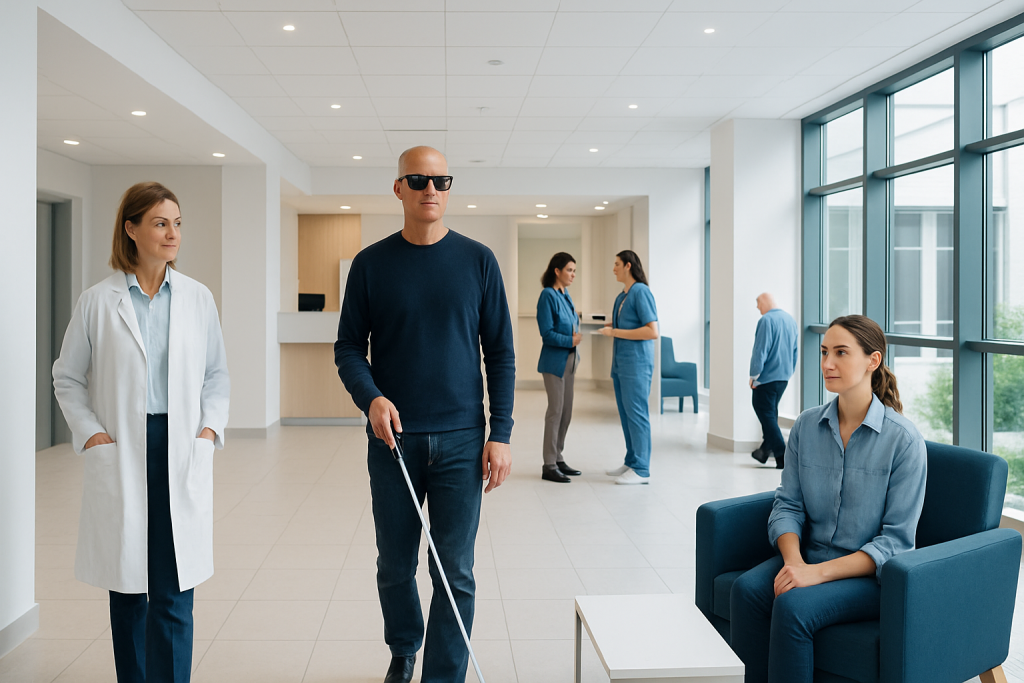
Some blind people see no light at all. Others may still detect brightness, shadows, outlines, movement, or patchy shapes. A person may be legally blind yet still use limited vision for daily tasks, especially with assistive devices or mobility support.
For patients and families, it helps to think of blindness as a medical and functional description rather than a single visual experience. Two people with the same diagnosis may describe their vision in very different ways.
Symptoms
Vision loss can appear in many forms, and the changes are not always dramatic at first. A person may notice difficulty reading signs, bump into objects, or struggle to see in dim light before realizing there is a deeper problem.
Common experiences can include blurred vision, missing parts of the visual field, trouble recognizing faces, glare sensitivity, or a tunnel-like view. Some people report flickering light, floating shadows, or only seeing motion instead of clear details.
In complete blindness, there is no usable visual input. In partial blindness or low vision, the brain may still receive limited information such as light, color, or vague outlines. Because symptoms vary so much, a careful description of what the person can and cannot see is very helpful during an eye evaluation.
Causes & Risk Factors

Blindness can result from many different eye and brain-related conditions. Some causes affect the eye itself, such as cataracts, glaucoma, diabetic eye disease, macular degeneration, retinal detachment, optic nerve disorders, infections, or trauma.
In other cases, vision loss is linked to the nervous system. A stroke, brain injury, or certain neurological disorders can affect how visual information is processed, even if the eyes are otherwise healthy.
Risk increases with age, uncontrolled diabetes, high blood pressure, smoking, eye injury, prolonged inflammation, and a family history of inherited eye disease. Some causes are preventable or slow to progress when identified early, which is why routine eye care matters even when vision seems stable.
Diagnosis
Doctors begin by asking what the person sees, when the change started, and whether one or both eyes are affected. These details often point toward the most likely cause and help determine how urgent the situation may be.
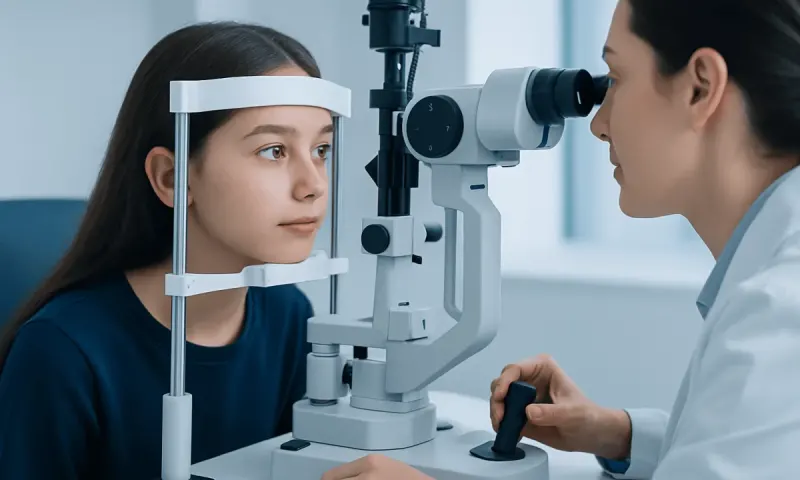
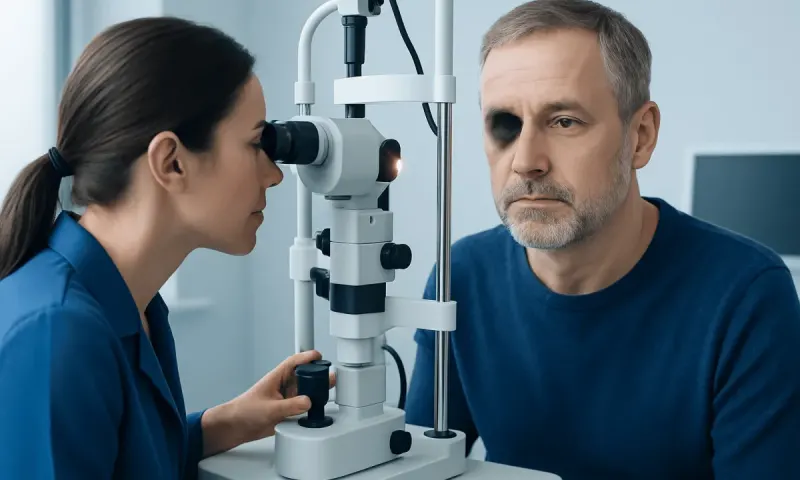
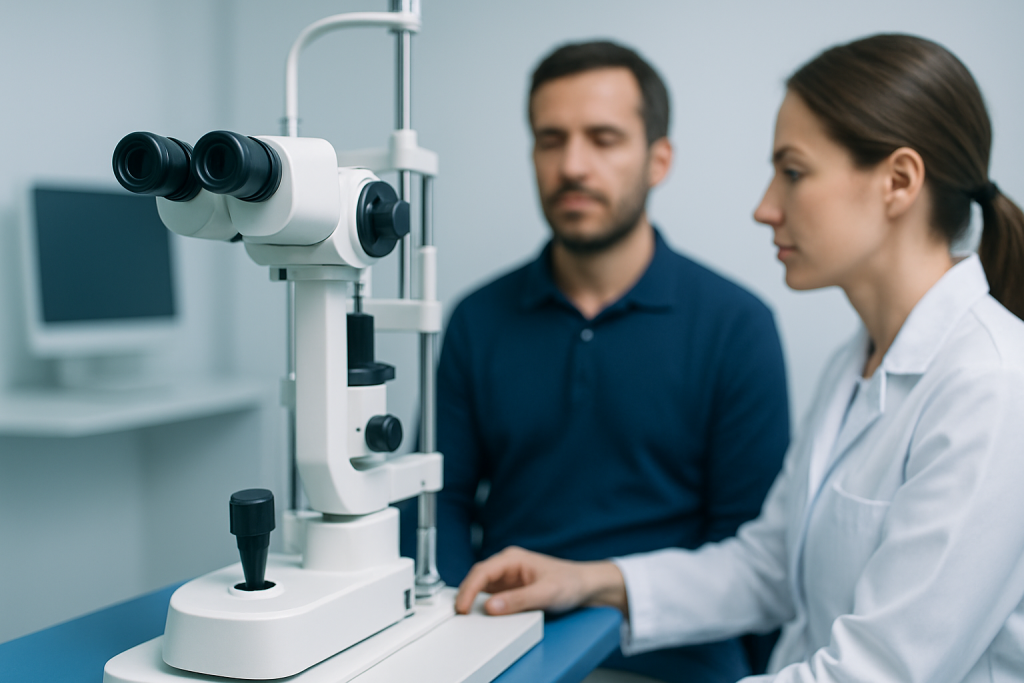
An eye examination may include visual acuity testing, peripheral vision testing, pupil assessment, pressure measurement, and a close look at the retina and optic nerve. Imaging or specialized tests may be used when the eye exam suggests retinal disease, nerve damage, or another deeper problem.
For patients who are traveling for care, it can be useful to bring any previous prescriptions, imaging reports, and a short timeline of symptoms. That preparation helps the medical team compare old and new findings and build a treatment plan more efficiently.
Treatment Options
Treatment depends on the cause and on how much vision remains. Some conditions are treated with medication, laser procedures, injections, surgery, or a combination of approaches. In other cases, the goal is to preserve remaining vision and prevent further loss rather than restore full sight.
Low-vision rehabilitation is often an important part of care. It may involve magnifiers, specialized glasses, lighting adjustments, screen readers, orientation and mobility training, and practical strategies for daily tasks. These tools do not cure blindness, but they can make everyday life more manageable and independent.
When vision loss is permanent, support focuses on safety, communication, and adaptation. Patients may benefit from rehabilitation services, occupational therapy, and training in assistive technology so they can continue working, studying, and moving through daily routines with greater confidence.
Prevention & Self-care
Not every cause of blindness can be prevented, but eye health habits can make a meaningful difference. Regular eye exams are especially important for people with diabetes, glaucoma risk, strong family history, or new visual symptoms.
General self-care includes protecting the eyes from injury, controlling blood sugar and blood pressure, avoiding smoking, and wearing protective eyewear when appropriate. People should also seek timely evaluation for flashes, a sudden shower of floaters, eye pain, or sudden vision loss, because some conditions need quick treatment.
For someone already living with blindness or low vision, day-to-day self-care may also mean using consistent home organization, high-contrast labels, voice-assisted devices, and good lighting. Safe routines help reduce falls and support independence, especially during travel or after returning home from treatment.
When to See a Doctor
A doctor should evaluate any sudden change in vision, even if it seems temporary. Rapid loss of sight, eye pain, new double vision, a curtain-like shadow, or vision loss after injury should be treated as urgent.
People with gradual changes should still arrange an eye appointment rather than waiting for symptoms to settle. Early diagnosis can sometimes preserve vision, and even when treatment cannot fully restore sight, it can often improve function and comfort.
For international patients, coordinated care can be especially helpful when diagnosis, treatment, and rehabilitation need to be planned across different stages of travel. Acibadem Health Point’s multidisciplinary specialists and JCI-accredited hospitals diagnose and treat eye conditions for international patients, with attention to both medical care and practical follow-up planning.
Frequently asked questions
01Do blind people always see complete darkness?
No. Some people with blindness see no light at all, but others may still notice light, shadows, movement, or partial shapes. The visual experience depends on the cause and how much vision remains.
02Can a person be blind and still see something?
Yes. Many people who are legally blind still have some usable vision, even if it is limited. They may rely on that remaining vision along with assistive tools and training.
03Is blindness always permanent?
No. Some causes of vision loss can be treated or improved, especially when found early. Other conditions may be permanent, but rehabilitation can still help a person function more independently.
04What is the difference between low vision and blindness?
Low vision means vision is reduced but still usable to some degree, even with correction. Blindness usually refers to vision loss so severe that it is no longer helpful for everyday tasks, though definitions can vary by medical and legal context.
05Can a doctor tell what caused blindness from an eye exam?
Often, yes, but not always from the first visit. Doctors may need imaging, pressure testing, blood tests, or neurological evaluation to understand the full cause.
06How can someone support a family member with blindness?
Clear communication, consistent home organization, and respecting the person’s preferred level of help are important. It also helps to encourage regular follow-up care and the use of low-vision aids when recommended.
This article is for general information only and is not a substitute for professional medical advice. Please consult a qualified doctor about your individual situation.
Explore treatments in Turkey — costs, top hospitals & a free quote
JCI-accredited · board-certified surgeons · reply within 24h
Add us as a Preferred Source to see more of our trusted health content across Google Search, AI Overviews and Discover.