Can Girls Be Color Blind? Genetics and Color Vision
Yes, girls can be color blind, although inherited red-green color vision deficiency is less common in girls than boys. It is usually lifelong and harmless, but a new or worsening change in color vision should be assessed by an eye doctor.
Can girls be color blind?
Yes, girls can be color blind. The term usually refers to a color vision deficiency, meaning a person sees some colors differently or has difficulty telling certain colors apart. In girls, the most common form is inherited red-green color vision deficiency, which is typically present from birth, stays stable, and does not harm the eyes.
Many girls with an inherited color vision difference feel well and have normal visual sharpness. They may only notice it during a school screening, a color-based activity, or a formal eye examination. The main practical issue is recognizing colors in situations such as reading charts, selecting clothing, interpreting school materials, or noticing color-coded warning signs.
New color vision changes are different. If color vision becomes suddenly less vivid, affects only one eye, or occurs with blurred vision, eye pain, headache, weakness, or other new symptoms, medical review is important. An eye specialist can determine whether the change is related to the eye, optic nerve, medicines, or another health condition.
How color vision works
Color vision depends on specialized light-sensing cells in the retina, the thin tissue lining the back of the eye. These cells are called cones. Different cone types respond most strongly to different wavelengths of light, and the brain compares their signals to identify color.
Most common inherited color vision deficiencies involve the cone pigments that help distinguish reds from greens. A person may confuse shades of red, green, brown, orange, or gray, especially when lighting is dim or colors are muted. This is not the same as seeing the world only in black and white.
Less commonly, people have blue-yellow color vision differences or a very marked reduction in color vision. These patterns can be inherited, but they may also develop because of an eye or optic nerve problem. The pattern, timing, and associated symptoms help a clinician decide what testing is needed.
- Red-green deficiency: the most common inherited pattern.
- Blue-yellow deficiency: less common and more likely than red-green deficiency to be acquired later in life.
- Complete color vision loss: rare and often associated with other visual difficulties.
Why color blindness can occur in girls

Inherited red-green color vision deficiency is linked to genes on the X chromosome. Boys usually have one X chromosome, so one altered gene can affect their color vision. Girls usually have two X chromosomes, so an unaffected copy often compensates for an altered copy on the other chromosome. This is why the condition is less common in girls, but it is still possible.
A girl may have inherited red-green color vision deficiency if she receives an altered color-vision gene from both parents. For example, this can occur when her father has the condition and her mother is a carrier or also has a color vision deficiency. Genetic patterns can vary, and a family history may not always be known.
Some girls who carry an altered gene may have subtle differences in color discrimination even if standard testing does not identify a typical deficiency. In addition, rare chromosome variations and other genetic factors can affect how color vision genes are expressed. A doctor or genetic counselor can explain inheritance questions when there is a strong family pattern.
Color vision changes can also be acquired rather than inherited. Possible causes include retinal disease, problems affecting the optic nerve, glaucoma, diabetes-related eye disease, certain medicines, and exposure to toxic substances. Acquired changes deserve assessment because treating an underlying condition may help protect vision.
Signs parents, teachers, and girls may notice
A young child may not realize that she sees colors differently, because her own visual experience seems normal to her. She may use color names confidently but apply them differently, or she may rely on brightness, position, labels, and context rather than color alone.
Possible clues include difficulty sorting colored objects, confusion between red and green crayons, trouble reading information on color-coded maps or graphs, or challenges with games that depend on color matching. These signs do not prove color blindness; children also learn color names at different rates and may simply need more practice.
Inherited color vision deficiency usually affects both eyes similarly and does not cause pain, redness, double vision, or a sudden drop in sight. If a girl reports that colors look faded, one eye sees color differently from the other, or vision has changed recently, this is not typical of a stable inherited difference and should be checked.
Supportive adjustments can reduce frustration. Families and schools can label supplies, use patterns or symbols as well as colors, choose high-contrast materials, and avoid giving instructions based only on color. These small changes can help a child participate fully without drawing unnecessary attention to the issue.
How doctors diagnose color vision differences
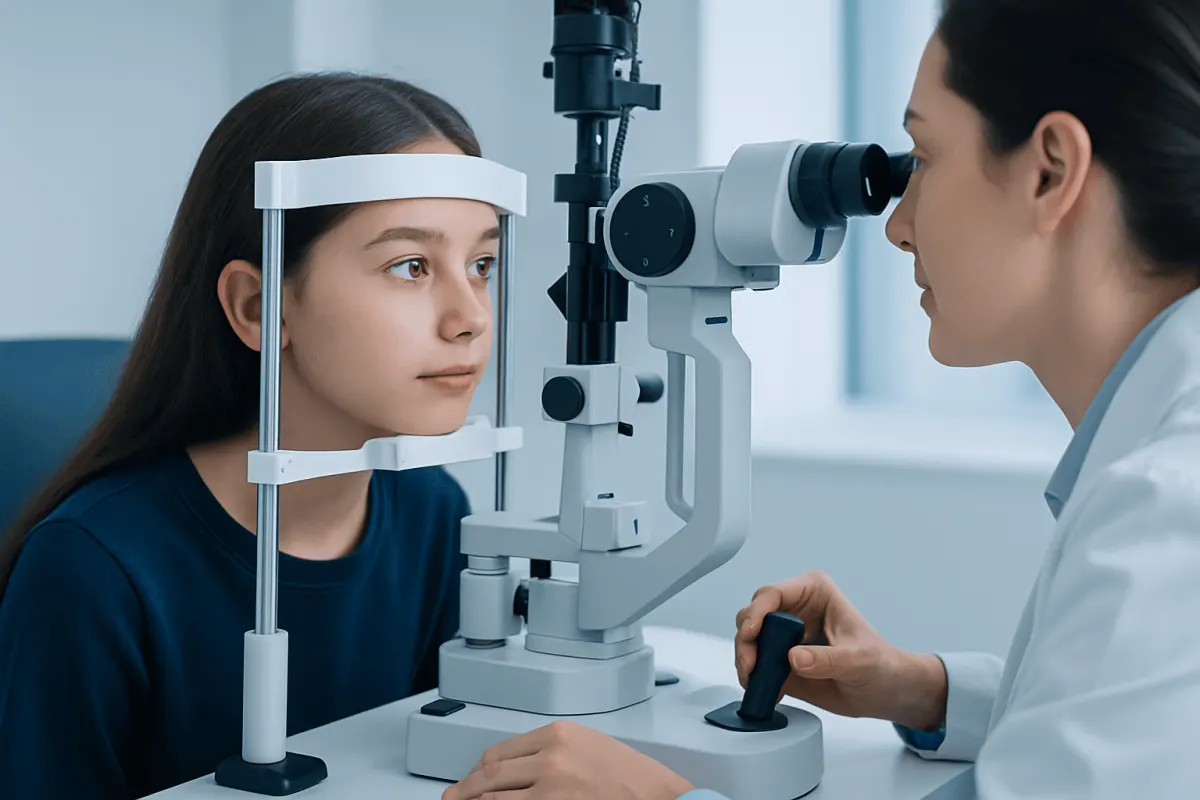
An optometrist or ophthalmologist can assess color vision using standardized tests. These often use colored dots that form numbers, shapes, or paths. For younger children or people who cannot read numbers, clinicians can use age-appropriate matching or arrangement tests.
A complete eye assessment may also include testing visual acuity, checking pupil responses, examining the front and back of the eyes, and reviewing medical history and medicines. Comparing each eye separately is especially useful when an acquired problem is possible.
If color vision is reduced unexpectedly or there are other visual symptoms, further testing may be recommended. Depending on the findings, this could include imaging of the retina or optic nerve, visual field testing, or assessment by other specialists. These steps are intended to identify an underlying cause, not simply to confirm a color vision difference.
Genetic testing is not necessary for most children with typical, stable inherited red-green color vision deficiency. It may be considered when the presentation is unusual, when there are additional eye findings, or when a family would benefit from more detailed genetic information.
Treatment, daily support, and long-term outlook
There is currently no established treatment that changes the underlying inherited red-green color vision deficiency. However, most girls adapt very well and can lead normal lives. Understanding the diagnosis early helps families, educators, and the child make practical adjustments when needed.
Specially tinted lenses, glasses, or digital filters may improve contrast or help some people distinguish selected shades in certain settings. They do not cure color blindness or restore typical color vision, and their usefulness varies. An eye-care professional can offer guidance before purchasing any visual aid.
For acquired color vision changes, treatment focuses on the cause. Managing an eye, optic nerve, or general health condition may be important for protecting vision. Regular eye care is particularly relevant for children or adults with diabetes, glaucoma risk, retinal conditions, or medicines known to affect vision.
When evaluation or ongoing eye care is needed, a comprehensive eye examination can clarify the type of color vision change and guide next steps. Acıbadem Health Point’s multidisciplinary specialists and JCI-accredited hospitals also assess and treat eye conditions for international patients.
When to seek medical care
Arrange a routine eye examination if a girl has persistent difficulty identifying colors, if a school screening suggests a problem, or if there is a family history of color vision deficiency. Testing can provide a clear explanation, reduce misunderstandings, and help the family plan practical support at school and home.
Seek prompt medical assessment for color changes that are new, worsening, or noticeably different between the two eyes. Review is also important if color changes occur with blurred or reduced vision, eye pain, eye redness, flashes, new floaters, or loss of part of the visual field.
Urgent care is appropriate if visual changes are sudden or occur with severe headache, facial drooping, weakness, numbness, trouble speaking, confusion, or difficulty walking. These symptoms may indicate a condition that needs immediate assessment.
Parents do not need to assume the worst when a child confuses colors. In many cases, the finding is a harmless inherited difference. A qualified eye-care professional can distinguish this common pattern from the less common causes that require treatment or monitoring.
Frequently asked questions
01Is color blindness in girls rare?
Inherited red-green color vision deficiency is less common in girls than in boys because of the way the relevant genes are commonly inherited through the X chromosome. However, it is not impossible, and girls can have mild or more noticeable color vision differences.
02Can a girl be color blind if her father is color blind?
Yes, but a color-blind father alone does not mean that his daughter will have color blindness. He passes his X chromosome to his daughters, and whether a daughter has red-green color vision deficiency also depends on the color-vision gene inherited from her mother and other genetic factors.
03Can color blindness appear later in childhood?
Typical inherited red-green color vision deficiency is present from birth, though it may only be recognized later. A new change in color vision is not typical and should be evaluated by an eye doctor, especially if it affects one eye or comes with other visual symptoms.
04Will color blindness get worse over time?
Inherited color vision deficiency is generally stable and does not progressively damage eyesight. If color perception is worsening, colors appear faded, or visual clarity is changing, medical assessment is important to look for an acquired cause.
05Can glasses cure color blindness in girls?
No glasses or contact lenses cure inherited color blindness. Some tinted lenses or filters may help certain people distinguish selected colors or improve contrast in particular environments, but results vary and they do not restore typical color vision.
06Should a child with color blindness tell her school?
It can be helpful to inform teachers, particularly if classroom materials, charts, science activities, or tests rely heavily on color. Simple changes, such as labels, patterns, written color names, and high-contrast materials, can make learning easier without limiting the child’s opportunities.
This article is for general information only and is not a substitute for professional medical advice. Please consult a qualified doctor about your individual situation.
Explore treatments in Turkey — costs, top hospitals & a free quote
JCI-accredited · board-certified surgeons · reply within 24h
Add us as a Preferred Source to see more of our trusted health content across Google Search, AI Overviews and Discover.