Eye Infection: Symptoms, Causes and Treatment

Key Takeaways
- Eye infections may cause redness, discharge, pain, tearing, swelling, or light sensitivity.
- The cause matters because treatment differs for viral, bacterial, allergic, and fungal infections.
- Some eye infections are contagious and spread through hand-to-eye contact or shared items.
- Do not use leftover eye drops or contact lenses when symptoms begin.
- Seek medical care promptly if vision changes, severe pain, or symptoms in only one eye worsen.
Eye infections can affect the surface of the eye, the eyelids, or deeper eye tissues, and they may be caused by viruses, bacteria, allergies, or fungi. Most cases are treatable, but prompt evaluation helps protect vision and reduce discomfort.
Overview
An eye infection is not one single illness. It is a broad term for conditions that irritate or infect the surface of the eye, the eyelids, the tear ducts, or, less commonly, the structures inside the eye. For patients, the first clue is often simple: the eye looks different, feels uncomfortable, or starts producing unusual discharge.
Most eye infections are manageable when the cause is identified early. Some clear with basic supportive care, while others need prescription treatment to prevent complications. Because the eye is delicate, it is wise to treat persistent redness, pain, or blurred vision as a reason for professional assessment rather than a problem to watch indefinitely.
For people traveling for care, eye symptoms can be especially inconvenient. A specialist can help confirm whether the issue is infectious, allergic, or related to another eye condition, which is important before deciding on treatment or return travel.
Symptoms
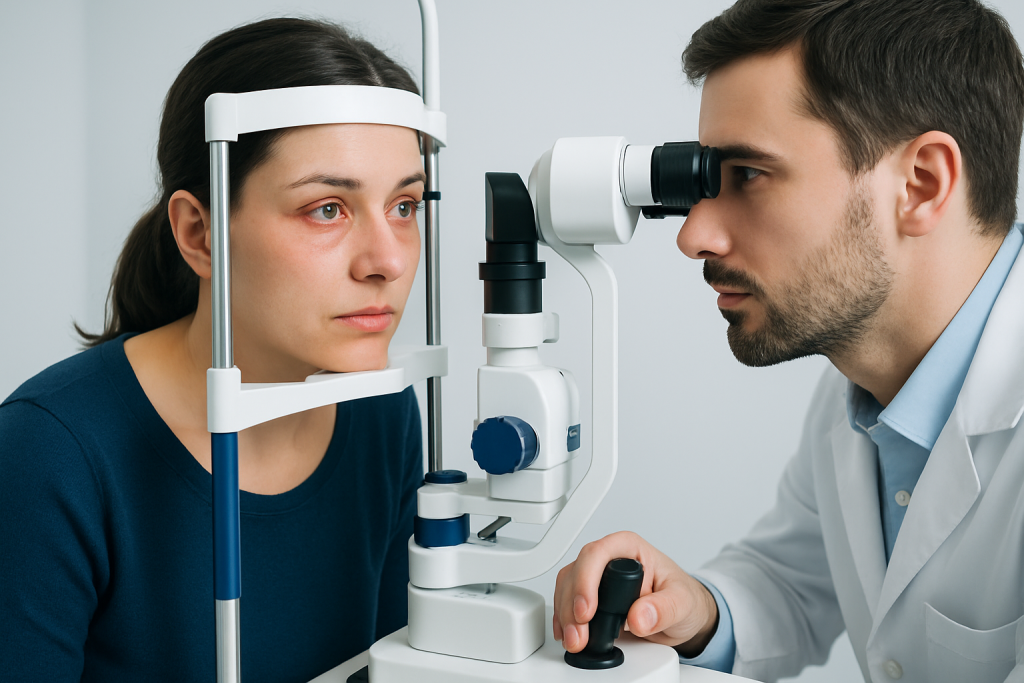
The symptoms of an eye infection depend on where the infection is and what is causing it. Many patients notice redness, watering, irritation, or a gritty feeling first. Discharge may be watery, thick, yellow, or green, and eyelids can become sticky after sleep.
Other common symptoms include:
- Itching or burning
- Swelling of the eyelids or the area around the eye
- Crusting on the lashes
- Sensitivity to light
- Blurred vision that improves or worsens during the day
- Foreign-body sensation, as if something is in the eye
Some infections cause more discomfort than others. Viral conjunctivitis often spreads easily and may begin in one eye before affecting the other. Bacterial infections are more likely to cause thicker discharge. Pain deep in the eye, marked light sensitivity, or reduced vision can suggest a more serious problem that needs prompt evaluation.
Causes & Risk Factors

Eye infections can be caused by viruses, bacteria, fungi, or, in some situations, parasites. Allergies are not infections, but they can look similar because they also cause redness, swelling, and watering. A clinician’s job is to separate these possibilities, since treatment depends on the underlying cause.
Common triggers and risk factors include close contact with someone who has a contagious eye infection, touching the eyes with unwashed hands, wearing contact lenses for too long, sleeping in lenses not meant for overnight use, or using contaminated cosmetics and eye drops. Dry eye, eyelid inflammation, recent eye surgery, and a weakened immune system may also make infections more likely.
Children, contact lens wearers, and people who work in shared environments are often exposed more often. In international patients, changes in climate, travel fatigue, and difficulty accessing routine eye products can make symptoms feel more disruptive, especially when combined with long flights or delayed follow-up care.
Diagnosis
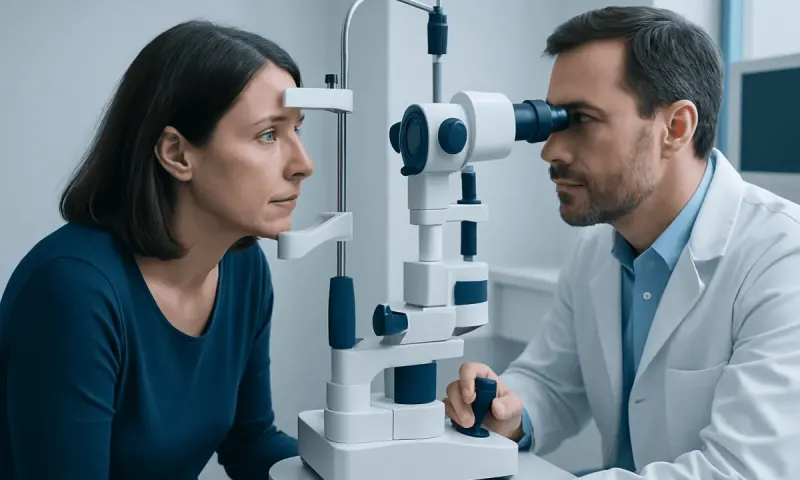
Diagnosis usually begins with a detailed conversation about symptoms, contact lens use, recent exposures, travel, and any injury to the eye. A doctor will also ask whether the problem started in one eye or both, because that pattern can help narrow the cause.
The eye examination may include checking vision, looking at the eyelids and the front surface of the eye, and using a special light or dye to identify corneal irritation. If discharge is present or the infection is severe, a sample may sometimes be taken for laboratory testing. This is more likely when the cause is unclear, the infection is unusual, or the response to initial treatment is not as expected.
For patients who are preparing to travel or who have recently arrived from another country, documenting the diagnosis clearly is useful. It helps ensure the right medications are chosen and makes follow-up easier if care continues elsewhere.
Treatment Options
Treatment depends entirely on the cause. Viral eye infections often improve with supportive care such as artificial tears, cool compresses, and careful hygiene, while bacterial infections may need prescription antibiotic drops or ointment. Allergic eye symptoms are treated differently and usually respond best when the trigger is reduced and anti-allergy medication is used appropriately.
Fungal or deeper eye infections are less common but require specialist management. These cases may involve stronger medications, closer monitoring, or treatment in a hospital setting. If contact lenses contributed to the problem, they should be stopped immediately until a doctor says it is safe to resume use.
General treatment principles usually include:
- Avoid rubbing the eyes
- Wash hands frequently and do not share towels or eye makeup
- Stop wearing contact lenses until cleared by a doctor
- Use only the drops or ointments prescribed for that specific condition
- Follow the full treatment plan, even if symptoms start to ease
In some cases, a doctor may need to rule out corneal infection, uveitis, or other eye disorders that can resemble a simple infection but require different care. That distinction is particularly important when vision is affected.
Prevention & Self-care
Good prevention starts with simple habits that protect both the eyes and the hands that touch them. Frequent handwashing, careful contact lens hygiene, and avoiding shared eye products can make a meaningful difference. If someone around the patient has an eye infection, extra attention to hand and surface hygiene helps reduce spread.
Helpful self-care steps include:
- Use a clean cloth or compress for each eye if advised by a clinician
- Discard makeup used during an active infection
- Replace or disinfect contact lens cases as recommended
- Avoid swimming in lenses unless a specialist has said it is safe
- Do not use old antibiotic drops or leftover medications without medical advice
For patients recovering while away from home, it is useful to keep medication names, the diagnosis, and the doctor’s instructions in writing. That makes pharmacy replacement, airport travel, and follow-up appointments much easier if symptoms last longer than expected.
When to See a Doctor
Medical evaluation is recommended if redness, discharge, or irritation does not improve within a short time, especially if symptoms are worsening. A doctor should assess the eye sooner when pain is significant, vision is blurred, light sensitivity is strong, or the eye is difficult to open.
Prompt care is also important if the patient wears contact lenses, recently had eye surgery, had an injury to the eye, or notices symptoms in only one eye that are becoming more intense. These situations can involve the cornea or deeper structures, where delays may affect recovery.
Emergency attention is appropriate for sudden vision loss, severe eye pain, a chemical exposure, or a suspected foreign body that cannot be removed safely. Acibadem Health Point’s multidisciplinary specialists and JCI-accredited hospitals diagnose and treat eye infections for international patients who need coordinated care and clear follow-up planning.
Living With Recovery and Follow-up
Recovery from an eye infection is often straightforward, but the healing process can still interrupt daily life, reading, driving, screen use, and travel. Patients may feel better quickly and assume treatment can stop, yet the eye may still be vulnerable to relapse or irritation if medications are discontinued early.
Follow-up is especially helpful when symptoms were severe, when the diagnosis involved the cornea, or when care needs to continue after returning home. A clear discharge plan should explain what improvement should look like, what symptoms mean the treatment is not working, and how soon to recheck the eye if needed.
With the right diagnosis, careful hygiene, and timely treatment, most eye infections heal without lasting problems. The main goal is to match the treatment to the cause and to protect vision while the eye recovers.
Frequently asked questions
01Is every red eye an infection?
No. Redness can also come from allergies, dry eye, irritation, injury, or inflammation. Because the treatment depends on the cause, an eye exam is the safest way to tell the difference.
02Are eye infections contagious?
Some are, especially viral and certain bacterial infections. Careful handwashing, not sharing towels or makeup, and avoiding eye-touching can reduce spread.
03Can an eye infection go away on its own?
Some mild viral infections improve with time and supportive care, but not all eye problems should be left alone. Pain, vision changes, or thick discharge should be checked by a doctor.
04Should contact lenses be worn during an eye infection?
No, contact lenses should usually be stopped until a doctor says it is safe to restart. Wearing lenses too soon can slow healing or worsen irritation.
05Do eye infections always need antibiotic drops?
No. Antibiotics are used when bacteria are likely or confirmed, but viral and allergic problems need different care. Using the wrong drops can delay recovery.
06When is an eye infection urgent?
It is urgent if there is severe pain, sudden blurred vision, light sensitivity, eye injury, chemical exposure, or worsening symptoms in a contact lens wearer. These signs need prompt medical assessment.
This article is for general information only and is not a substitute for professional medical advice. Please consult a qualified doctor about your individual situation.
Explore treatments in Turkey — costs, top hospitals & a free quote
JCI-accredited · board-certified surgeons · reply within 24h
Add us as a Preferred Source to see more of our trusted health content across Google Search, AI Overviews and Discover.