What Are the Best Foods After Prostate Surgery?
The best foods to eat after prostate surgery are easy-to-digest, protein-rich and fiber-containing foods, along with regular fluids, because they support healing, bowel regularity and energy. Meals should be adapted to the person’s appetite, bowel function, medications and the surgical team’s instructions.
Overview: What Are the Best Foods to Eat After Prostate Surgery?
What are the best foods to eat after prostate surgery? In most cases, the best choices are nourishing foods that provide protein, fiber, vitamins and fluids: eggs, fish, poultry, beans, yogurt, cooked vegetables, fruit, oats, whole-grain foods and soups. These foods can help the body repair tissue, maintain energy and reduce the likelihood of constipation, which is common after anesthesia, pain medicines and reduced activity.
After a prostatectomy or another prostate procedure, appetite and digestion may be temporarily different. A person may start with smaller meals and softer foods, then return gradually to a usual balanced pattern as nausea settles and bowel movements normalize. The surgical team’s discharge instructions always take priority, especially if there are individual conditions such as diabetes, kidney disease, swallowing problems or a prescribed fluid restriction.
Diet cannot replace medical follow-up or determine whether prostate cancer returns. However, healthy foods to eat after prostate surgery can support overall recovery and long-term health. For people who had surgery for cancer, a plant-forward eating pattern may also fit well within a broader survivorship plan developed with their urologist, oncologist and dietitian.
How Prostate Surgery Works and Who May Need It
Prostate surgery refers to several procedures performed for different reasons. A radical prostatectomy removes the prostate gland and nearby tissues to treat localized prostate cancer. Other procedures, such as transurethral resection of the prostate (TURP), laser procedures or simple prostatectomy, can relieve urinary blockage caused by an enlarged prostate.
Candidacy depends on the diagnosis, symptoms, prostate size, cancer stage when applicable, overall health and personal preferences. Before surgery, clinicians usually review medical history, medicines, urinary symptoms, imaging or laboratory tests, and possible alternatives. Patients with prostate cancer may also discuss active surveillance, radiation therapy, hormone therapy or other treatments depending on their clinical situation.
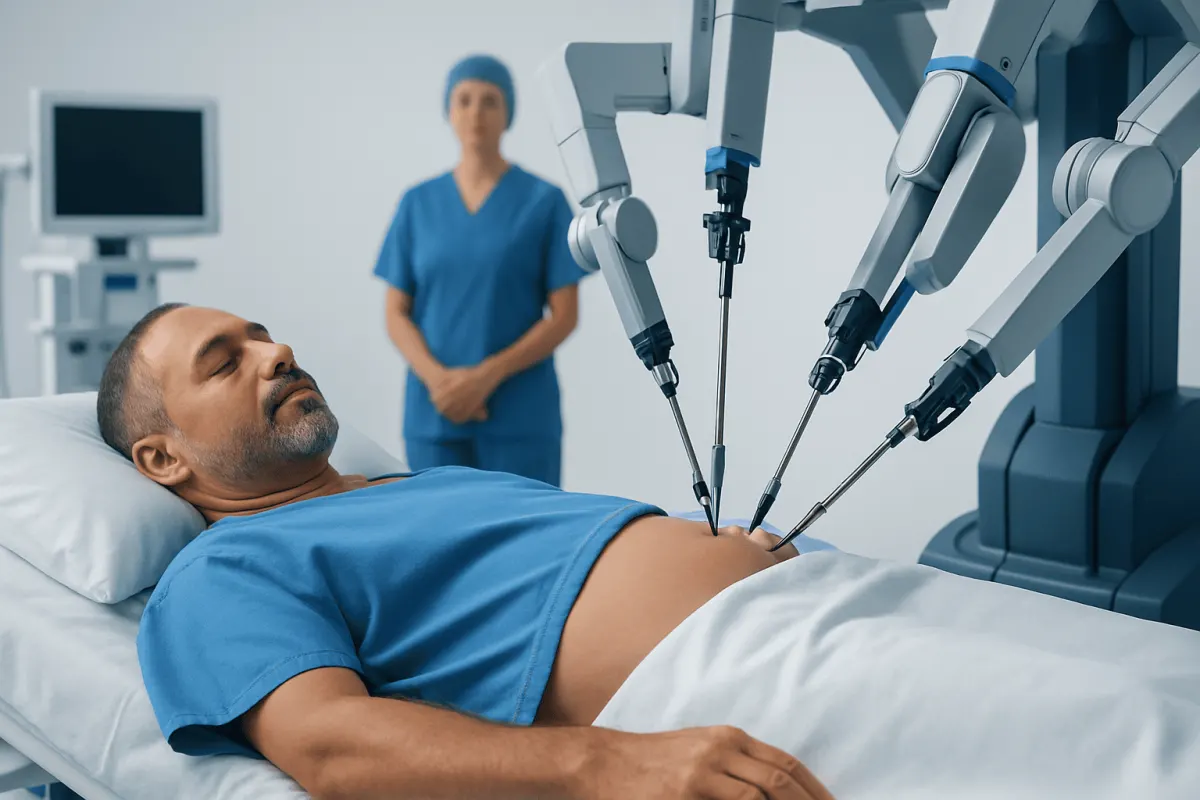
During a radical prostatectomy, the surgeon removes the prostate through an open, laparoscopic or robotic-assisted approach and reconnects the bladder to the urethra. A urinary catheter is commonly used during early healing. The operation and recovery plan vary by procedure, so nutrition guidance should be considered part of individualized postoperative care rather than a substitute for the surgical team’s advice.
Foods That Support Healing, Energy and Bowel Regularity

Protein is especially important after surgery because the body needs amino acids to repair tissues and maintain muscle. Good options include eggs, fish, skinless poultry, Greek yogurt, milk or fortified alternatives, tofu, lentils, beans and nut butters. If appetite is low, adding protein to small meals and snacks may be more manageable than trying to eat large portions.
Fiber-rich foods help soften stools and support regular bowel movements, but should be increased slowly to avoid gas or bloating. Oatmeal, whole-grain toast, brown rice, beans, lentils, vegetables, prunes and fruit are practical choices. Cooked vegetables and peeled or stewed fruit may be gentler during the first few days than large salads or very high-fiber raw foods.
Useful fruits to eat after prostate surgery include berries, oranges, kiwi, pears, apples, bananas and prunes. They provide fluid, vitamins and fiber, while prunes can be particularly helpful for constipation. A varied diet is more useful than relying on one “superfood.”
- Breakfast: oatmeal with yogurt and berries, or eggs with whole-grain toast.
- Lunch or dinner: vegetable soup with beans, baked fish with potatoes and cooked greens, or chicken with brown rice and vegetables.
- Snacks: fruit, yogurt, hummus with soft vegetables, a handful of nuts if tolerated, or whole-grain crackers with cheese.
These are generally good foods to eat after prostate surgery, but dietary progression should be slower if a person has ongoing nausea, abdominal discomfort or other postoperative symptoms. A registered dietitian can tailor choices for those who are losing weight, have poor appetite or need special dietary restrictions.
What Foods Should You Not Eat After Prostate Surgery?
There is usually no permanent list of forbidden foods after prostate surgery. In the first days, it is sensible to limit foods that are difficult to digest or likely to worsen nausea, constipation, diarrhea, gas or bladder irritation. Examples include very greasy meals, heavily fried foods, highly processed snacks, large portions of red or processed meat, and very spicy foods if they cause discomfort.
Constipation can make recovery more uncomfortable and may lead to straining. For this reason, people should not rely heavily on low-fiber foods such as large amounts of white bread, pastries, chips or cheese without balancing them with fluids, fruit, vegetables and whole grains. If prescribed opioid pain relief is being used, the care team may also recommend a stool-softening medicine or laxative.
Alcohol should generally be avoided until the surgeon confirms it is safe, particularly while taking prescription pain medicine, antibiotics or medicines that cause drowsiness. Caffeine, carbonated drinks and acidic beverages may irritate the bladder or worsen urgency in some people, especially after catheter removal. Individual tolerance varies, so it can help to reduce these drinks temporarily and reintroduce them cautiously.
What Is the Number One Food for the Prostate?
There is no single number one food for the prostate. Prostate health and recovery are better supported by an overall eating pattern than by one ingredient. A pattern centered on vegetables, fruit, beans, whole grains, nuts, fish and other minimally processed foods provides a broad range of nutrients and can support heart health, bowel health and healthy weight management.
Tomatoes and tomato-based foods are often discussed because they contain lycopene, an antioxidant pigment. They can be included as part of balanced meals, but they should not be viewed as a treatment for prostate cancer or as a replacement for screening, follow-up testing or medical care. Cooked tomato sauces can be a convenient way to include tomatoes if they do not cause heartburn or bladder discomfort.
For people asking what are the best foods to eat to prevent prostate cancer, the most evidence-aligned answer is to focus on a healthy long-term lifestyle rather than promising prevention from any specific food. Maintaining a healthy weight, being physically active, not smoking and following recommended medical assessments are important alongside dietary choices.
What Is Best to Drink After Prostate Surgery?
Water is usually the best drink after prostate surgery. Regular hydration supports circulation, helps prevent constipation and can keep urine less concentrated, which may reduce burning or irritation. Unless the healthcare team has advised fluid limits, small frequent sips are often easier than trying to drink a large amount at once.
Clear soups, milk or fortified plant-based drinks, and caffeine-free herbal drinks may also be suitable if tolerated. Some people find warm fluids helpful for bowel regularity. The appropriate amount of fluid varies with body size, activity level, weather, kidney and heart health, and whether a catheter is still in place, so personal guidance should be followed.
It is generally wise to avoid alcohol during early recovery. Coffee, strong tea, energy drinks and fizzy beverages may worsen urinary frequency, urgency or bladder sensitivity for some people. If urine is dark, output is low or drinking causes vomiting or significant discomfort, the person should contact their clinical team for advice.
What Is the Fastest Way to Recover From Prostate Surgery?
The fastest safe way to recover from prostate surgery is to follow the surgeon’s postoperative plan consistently rather than trying to rush healing. This usually includes taking prescribed medicines correctly, drinking fluids, eating enough protein and fiber, walking regularly as advised, avoiding heavy lifting until cleared, and attending scheduled follow-up appointments.
Early gentle movement can support circulation, lung function and bowel activity. Short walks often become longer over time as strength returns. Pelvic floor exercises may be recommended to help regain urinary control after certain procedures, but patients should begin them only according to instructions from their surgeon or pelvic health physiotherapist.
Recovery timelines differ. After minimally invasive prostate cancer surgery, many people resume light daily activity within days to a few weeks, while fatigue, urinary leakage and sexual recovery can take longer. A catheter may remain for a short period after radical prostatectomy. The team can explain what is expected for the specific procedure and discuss individualized treatment options, including prostate cancer treatment when surgery is part of cancer care.
When to Seek Medical Care
After prostate surgery, patients should contact their surgical team promptly for a fever, chills, worsening rather than improving pain, persistent vomiting, increasing abdominal swelling, heavy bleeding, foul-smelling drainage or redness spreading around an incision. They should also seek advice if they cannot pass urine after catheter removal, if a catheter stops draining, or if there are large blood clots in the urine.
Urgent medical assessment is needed for chest pain, shortness of breath, fainting, new confusion, one-sided leg swelling or severe calf pain. These symptoms may have causes unrelated to diet and should not be managed at home. Severe constipation, especially with vomiting or marked abdominal pain, also requires timely medical advice.
Acıbadem Health Point’s multidisciplinary specialists and JCI-accredited hospitals diagnose and treat prostate conditions for international patients. Follow-up care should remain coordinated with the treating urology team, particularly when surgery was performed for prostate cancer.
Frequently asked questions
01Can I eat normally after prostate surgery?
Many people can gradually return to normal meals once nausea has resolved and they are passing gas or stools comfortably. Starting with smaller, lighter meals may be easier in the first few days. The surgeon’s discharge instructions should guide the pace of dietary progression.
02What are the best foods to eat after prostate cancer surgery?
Protein-rich foods, fruits, vegetables, whole grains, beans and adequate fluids are generally helpful after prostate cancer surgery. These choices support healing and may help prevent constipation. A varied, plant-forward pattern is usually more beneficial than focusing on a single food.
03Can I eat fruit after prostate surgery?
Yes, fruit is usually a useful part of recovery because it provides fluid, vitamins and fiber. Bananas, berries, pears, apples, oranges and prunes are common choices. If digestion is sensitive, softer, peeled or cooked fruit may be more comfortable at first.
04Should I avoid coffee after prostate surgery?
Coffee is not necessarily prohibited, but caffeine can worsen urinary urgency, frequency or bladder irritation for some people after surgery. It may be helpful to avoid it initially and reintroduce a small amount once symptoms settle. The person should also avoid caffeine if the surgical team has specifically advised against it.
05How can I prevent constipation after prostate surgery?
Regular fluids, gradual fiber intake, protein-containing meals and gentle walking can all support normal bowel function. Prunes, oats, vegetables, beans and fruit may help when tolerated. If constipation persists, the surgical team can recommend an appropriate stool-softening treatment or laxative.
06Can diet prevent prostate cancer from coming back?
No food or diet can guarantee that prostate cancer will not return. A balanced eating pattern, physical activity, healthy weight management and scheduled follow-up can support general health after treatment. Ongoing PSA monitoring and clinical follow-up remain essential when recommended by the treating clinician.
This article is for general information only and is not a substitute for professional medical advice. Please consult a qualified doctor about your individual situation.
Persistent digestive symptoms? Get evaluated in Turkey
JCI-accredited · board-certified surgeons · reply within 24h
Add us as a Preferred Source to see more of our trusted health content across Google Search, AI Overviews and Discover.