What Affects Laser Skin Resurfacing Price?
Laser skin resurfacing price is individualized because the treatment plan, laser technology, skin concerns, and recovery needs differ from person to person. A consultation with a qualified dermatologist or plastic surgeon is the best way to understand the full expected cost, benefits, and limitations of treatment.
Laser Skin Resurfacing Price and Treatment Planning
Laser skin resurfacing price cannot be determined from the procedure name alone. The total amount depends on the type of laser, the size and location of the area treated, the number of treatments recommended, the clinician’s expertise, the setting where treatment is performed, and the level of aftercare needed.
When people ask, “laser skin resurfacing how much does it cost?”, it is helpful to distinguish a single treatment visit from the complete treatment plan. Non-ablative and some fractional laser approaches may be performed as a series, while a more intensive ablative procedure may be planned as one treatment with a longer recovery. A written, personalized estimate should clarify whether consultation fees, topical medications, anesthesia or sedation, follow-up appointments, and post-treatment skincare are included.
Laser skin resurfacing cost per session is only one part of planning, since the number of sessions and recovery time can influence the overall commitment. Searches for “laser skin resurfacing cost near me with insurance” are also common, but cosmetic resurfacing is often not covered by health insurance. Coverage may occasionally be considered when treatment is part of reconstructive or medically necessary care, but this depends on the diagnosis, policy rules, and prior authorization requirements. Patients should confirm coverage directly with their insurer before treatment.
How Laser Skin Resurfacing Works
Laser skin resurfacing uses concentrated light energy to renew the skin in a controlled way. Depending on the device, the laser may remove very thin layers of the outer skin or create carefully spaced microscopic treatment zones while leaving surrounding skin intact. This controlled injury prompts healing processes that can support new collagen formation and smoother skin texture.
Ablative lasers, including carbon dioxide and erbium laser systems, remove portions of the skin surface and can produce more noticeable changes in deeper wrinkles, texture, and some scars. They generally require more healing time. Non-ablative lasers heat deeper skin layers while preserving more of the surface, often allowing a shorter recovery but sometimes requiring several sessions for the desired improvement.
Fractional technology can be used with either ablative or non-ablative systems. Rather than treating the entire surface continuously, it treats small columns of skin, which may balance effectiveness with recovery needs. The most suitable approach depends on the person’s skin tone, concerns, medical history, available downtime, and goals.
Value and Expected Benefits
Is laser skin resurfacing worth the money?
Whether laser skin resurfacing is worth the money is personal and depends on the concern being treated, the degree of improvement hoped for, the expected downtime, and the availability of alternatives. It may be a reasonable option for people who want to address several concerns at once, such as fine lines, rough texture, sun-related discoloration, enlarged pores, or certain acne scars. However, it is not necessary for everyone, and less intensive treatments or a consistent topical skincare plan may be appropriate for some goals.
Patients can make a more informed decision by asking what result is realistic for their skin, how long it may last, whether repeat treatments are likely, and what alternatives exist. Results can be long-lasting with good skincare and sun protection, but no resurfacing procedure prevents future aging or new sun damage. The best value is usually a treatment plan that matches the person’s priorities rather than the most aggressive laser option available.
Candidacy and Safety Assessment
Who is a good candidate for laser resurfacing?
A good candidate is generally a person in good overall health who has a specific skin concern that can be improved by resurfacing and who can follow recovery instructions carefully. Laser resurfacing may be considered for fine to moderate wrinkles, uneven skin tone or texture, sun damage, some surgical or acne scars, and selected benign pigment concerns. A consultation helps determine whether the concern is appropriate for laser treatment or needs a different medical assessment.
Skin tone and tendency toward pigment change require special attention. People with darker skin tones, a history of post-inflammatory hyperpigmentation, melasma, <a href="https://acibademhealthpoint.com/diseases/keloid-scars/”>keloid scars, or poor wound healing may still be treated in some circumstances, but laser type and settings should be selected conservatively by an experienced clinician. A test area, pre-treatment skincare, or alternative treatment may be recommended.
Active acne, an open wound, a skin infection, a recent tan, or a current flare of certain inflammatory skin conditions may mean treatment should be postponed. The clinician should also know about cold sore outbreaks, medications and supplements, smoking or nicotine use, prior cosmetic procedures, and any current or recent use of isotretinoin. These details help reduce avoidable risks and support a safer treatment plan.
What Happens During Treatment
The process starts with a consultation, skin examination, and discussion of goals. The clinician may review photographs, explain expected improvement and recovery, and recommend an ablative, non-ablative, or fractional approach. Patients may be asked to avoid tanning, use sun protection consistently, pause certain topical products, and follow other preparation instructions tailored to their health history.
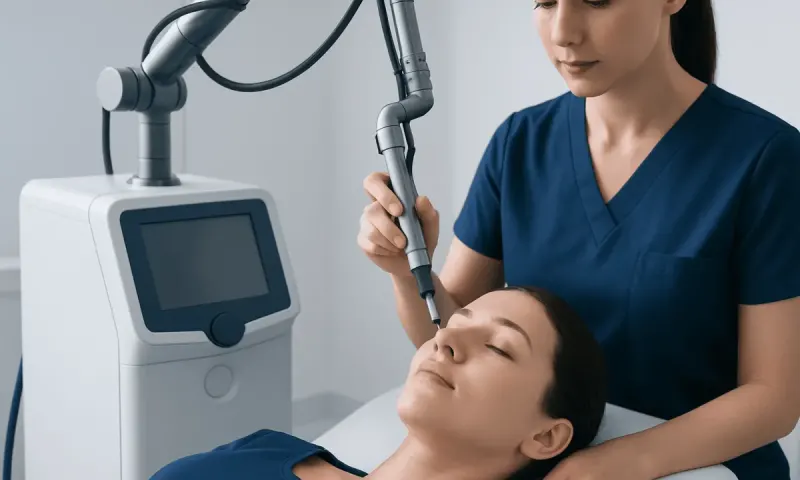
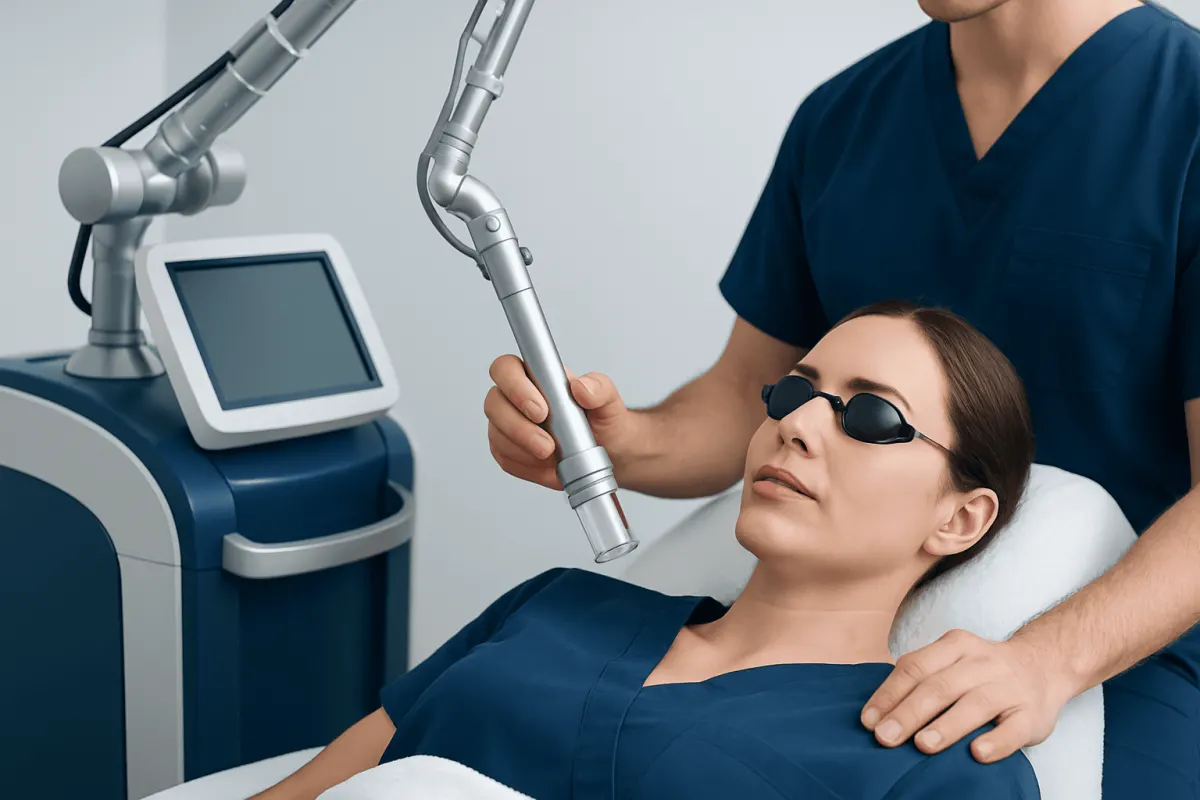
On the day of the procedure, the skin is cleansed and protective eyewear is used. A topical anesthetic may be sufficient for limited or less intensive treatments, while local anesthesia, sedation, or another form of anesthesia may be considered for larger areas or deeper resurfacing. The laser handpiece is passed systematically over the planned areas, and the duration varies with the size of the area and the type of laser.
After treatment, the skin may feel warm, tight, swollen, or sunburned. The care team provides instructions for cleansing, moisturizing, pain relief if appropriate, sun avoidance, and follow-up. When comparing laser skin resurfacing pricing, patients should ask whether these necessary recovery supplies and review visits are included in the proposed plan.
Recovery Timeline and Appearance Changes
Recovery differs substantially between laser types. After a non-ablative treatment, temporary redness and mild swelling may settle over hours to several days, although the skin can remain sensitive for longer. Ablative resurfacing has a more involved recovery, with redness, swelling, crusting, and peeling as the treated surface heals. The skin may remain pink for weeks and, in some cases, longer.
During recovery, patients should use only the products approved by their clinician, cleanse gently, avoid picking or exfoliating skin, and protect the treated area from sunlight. Broad-spectrum sunscreen and physical sun protection are especially important once the skin has healed enough for their use. Makeup, exercise, swimming, and return to social activities should follow the treating clinician’s guidance because timing depends on the laser and the healing response.
Can laser resurfacing make you look younger?
Laser resurfacing can make skin look smoother, brighter, and more even, which may create a more refreshed or youthful-looking appearance. It can soften some wrinkles and improve texture, but it cannot change facial structure, remove all lines, or stop natural aging. Improvement develops gradually as healing and collagen remodeling continue, and results vary based on the initial skin condition, treatment depth, and aftercare.
Risks and Limitations
What is the downside of laser resurfacing?
The main downside of laser resurfacing is that meaningful improvement can require downtime, careful aftercare, and patience while the skin heals. More intensive treatments may involve visible redness, peeling, swelling, and temporary activity restrictions. There is also a possibility that several less intensive sessions will be needed to achieve a comparable level of improvement for some concerns.
Possible complications include prolonged redness, acne-like breakouts, infection, reactivation of cold sores, pigment lightening or darkening, burns, scarring, and uneven texture. These outcomes are not expected in every patient, but the risk can be higher when the skin is tanned, aftercare instructions are not followed, treatment settings are unsuitable, or the procedure is performed by an inexperienced provider.
Results are also limited by the type of concern being treated. Deep wrinkles, significant skin laxity, extensive scarring, and active pigment disorders may need other approaches or combination care. An experienced dermatologist or plastic surgeon can explain whether laser resurfacing is likely to help, what degree of improvement is realistic, and whether another procedure would better fit the patient’s needs.
When to Seek Medical Care
Patients should contact their treating clinician promptly if they develop increasing rather than improving pain, spreading redness, marked swelling, pus-like drainage, fever, blisters, a new rash, or unexpected changes in skin color after laser treatment. These symptoms do not always indicate a serious problem, but timely assessment can help identify infection, irritation, or another complication early.
Before scheduling resurfacing, a medical evaluation is important for anyone with a history of abnormal scarring, recurrent cold sores, pigment disorders, autoimmune disease, poor wound healing, or use of medicines that affect the skin or immune system. A clinician should also assess any changing, bleeding, painful, or non-healing skin lesion before cosmetic laser treatment, rather than assuming it is a cosmetic concern.
For international patients considering treatment, Acıbadem Health Point’s multidisciplinary specialists at JCI-accredited hospitals can assess skin concerns, discuss suitable laser options, and coordinate appropriate follow-up care. A qualified clinician should always provide individualized recommendations based on the person’s skin type, medical history, and treatment goals.
Frequently asked questions
01Why do laser skin resurfacing prices vary so much?
Pricing varies because laser resurfacing is not one single procedure. The laser technology, treatment depth, size of the area, number of sessions, clinician experience, anesthesia needs, and aftercare arrangements can all affect the treatment plan. A personalized consultation is the most reliable way to receive a complete estimate.
02Does insurance pay for laser skin resurfacing?
Insurance commonly does not cover laser resurfacing when it is performed for cosmetic improvement. In selected cases, coverage may be possible if treatment is medically necessary or part of reconstructive care, depending on the policy and diagnosis. Patients should ask their insurer about eligibility and authorization requirements before proceeding.
03How many laser resurfacing sessions will be needed?
The number of sessions depends on the type of laser and the skin concern being treated. Some ablative treatments may be planned as a single procedure, while non-ablative or gentler fractional treatments are often performed in a series. The clinician will recommend a schedule after examining the skin and discussing the desired outcome.
04How long does laser skin resurfacing last?
Improvement can be long-lasting, particularly when patients use sunscreen, avoid tanning, and follow a suitable skincare routine. However, the skin continues to age naturally, and future sun exposure can cause new changes. Maintenance treatments may be considered for some people, depending on their goals.
05Is laser resurfacing painful?
Comfort levels vary according to the device, treatment area, and treatment intensity. Topical numbing cream may be used for some procedures, while more extensive resurfacing can require local anesthesia or sedation. The treating team should explain the comfort plan and expected sensations before treatment.
06Can laser resurfacing remove acne scars completely?
Laser resurfacing may reduce the visibility of certain acne scars, especially when uneven texture is the main concern. Complete removal is not always possible, and different scar types may need combined treatment approaches. A skin assessment can help determine whether laser treatment is suitable and what improvement is realistic.
This article is for general information only and is not a substitute for professional medical advice. Please consult a qualified doctor about your individual situation.
Explore treatments in Turkey — costs, top hospitals & a free quote
JCI-accredited · board-certified surgeons · reply within 24h
Add us as a Preferred Source to see more of our trusted health content across Google Search, AI Overviews and Discover.