Endo Lift: Laser Skin Tightening and Recovery
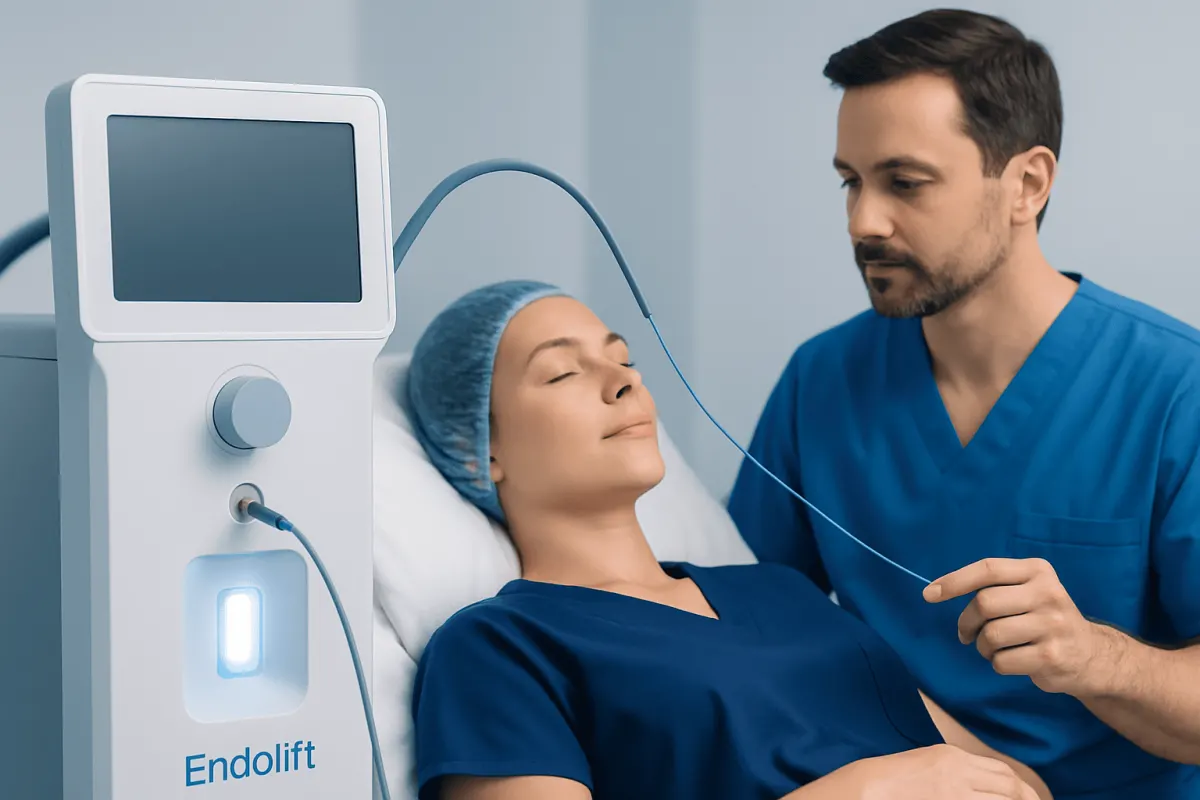
Endo lift, often called Endolift, is a minimally invasive laser-based procedure used to improve mild skin laxity and, in selected areas, reduce small pockets of fat. It is not a surgical facelift, and results develop gradually as the treated tissues heal and produce new collagen.
Endo lift overview: what the procedure is
Endo lift is a minimally invasive aesthetic procedure that uses laser energy delivered beneath the skin through an extremely fine optical fiber. It is commonly used on areas such as the lower face, jawline, under-chin area, neck, cheeks, abdomen, arms, knees or thighs when there is mild skin laxity, small localized fat deposits, or both. The aim is to stimulate tissue tightening and collagen remodeling while helping contour selected areas.
The name may be written as Endolift, Endo Lift or endolifting. Although it can create a more defined or refreshed appearance, it does not reposition deeper facial structures or remove substantial excess skin. For this reason, it should not be considered equivalent to a surgical facelift, neck lift or body-contouring operation.
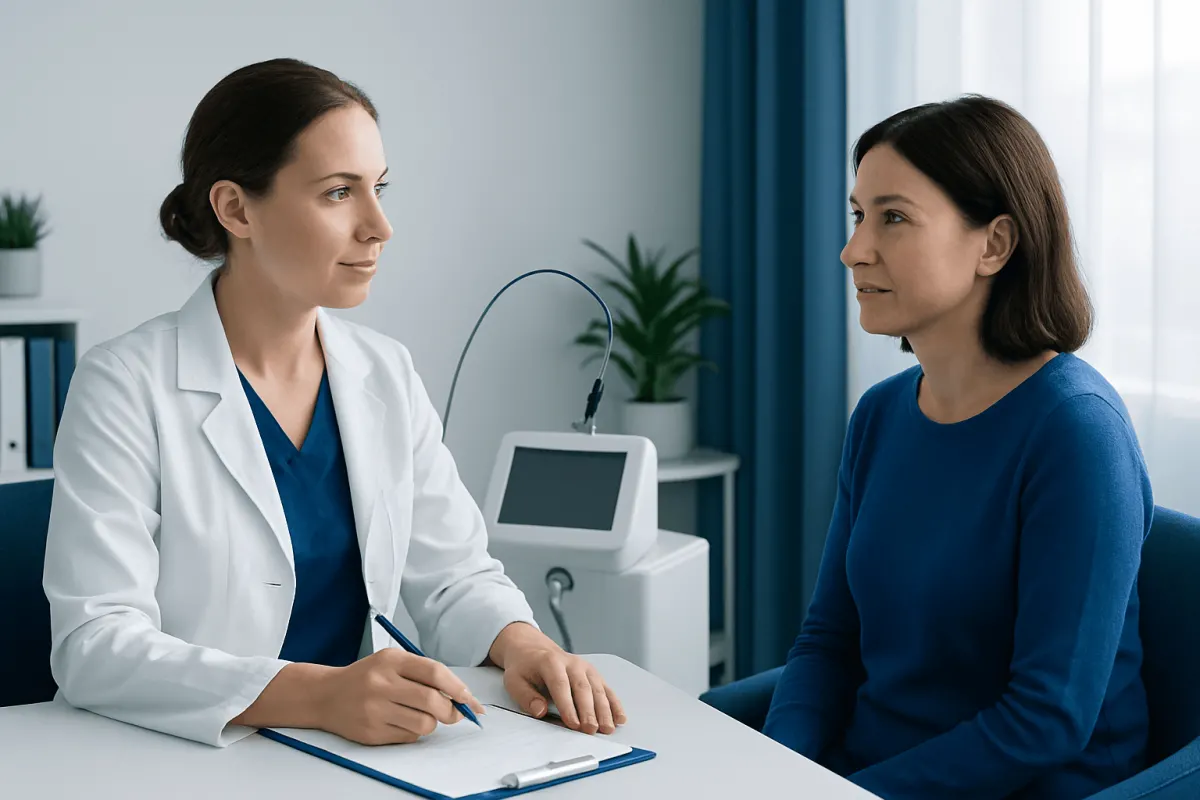
During the consultation, the clinician considers skin thickness, degree of laxity, facial or body anatomy, medical history and the person’s goals. A realistic discussion is important: the procedure can provide a subtle to moderate change for an appropriately selected person, but it cannot guarantee a particular contour or replace surgery when laxity is significant.
How endo lift works and who may be a candidate
The laser fiber delivers energy into the layer beneath the skin. This controlled heating may encourage collagen contraction and longer-term collagen production, which can gradually improve firmness. In some treatment plans, the energy may also act on small amounts of fatty tissue to support contouring. The exact technique, laser settings and treatment depth depend on the body area and the clinician’s assessment.
Potential candidates are generally adults in good overall health who have mild to moderate skin looseness, good skin quality and localized fullness that does not require major fat removal. People often choose this approach because it involves small entry points rather than surgical incisions and usually has a shorter recovery than an operation.
Endo lift may not be appropriate for everyone. Significant skin excess, marked jowling, substantial weight changes or advanced tissue sagging may respond better to surgical options. Pregnancy, active infection or inflammation in the treatment area, certain healing problems, uncontrolled medical conditions, and use of medicines that increase bleeding risk may require postponement or a different treatment plan. A clinician should also review any history of scarring, pigment changes or prior procedures in the same area.
- Often considered for: mild laxity, small fat deposits and people seeking a minimally invasive treatment.
- May be less suitable for: substantial loose skin or a need for major lifting and volume repositioning.
- Essential first step: an individual examination and informed discussion of alternatives.
What happens during an endo lift procedure
An endo lift treatment is usually performed in an outpatient setting. The skin is cleansed, treatment areas are marked, and local anesthetic is commonly used to improve comfort. Depending on the area, the person’s needs and the planned procedure, additional sedation may sometimes be discussed.
The clinician makes a very small skin entry point and introduces the fine laser fiber beneath the skin. The fiber is moved carefully through the planned treatment plane while laser energy is applied in a controlled manner. This is intended to heat target tissue evenly and safely. The procedure time varies according to the number and size of areas being treated.
After the fiber is removed, the entry point may be covered with a small dressing. Some people are advised to wear a compression garment or facial support for a period after treatment, especially when the jawline, neck or a body area has been treated. Instructions differ by technique and should be followed exactly.
Before proceeding, the clinician should explain expected benefits, limitations, alternatives, likely aftercare needs and possible complications. Patients should share their complete health history, allergies, previous aesthetic procedures and all prescribed, over-the-counter and herbal medicines. For people considering a broader facial rejuvenation plan, a specialist may discuss whether facelift surgery is a more predictable option for substantial lifting needs.
Endo lift recovery timeline and aftercare
Recovery is generally shorter than after surgery, but it still requires time for swelling to settle and for the tissues to heal. Mild to moderate swelling, bruising, tenderness, firmness, numbness or temporary unevenness can occur in the first days. These effects often improve progressively, though recovery varies by treatment area, extent of treatment and individual healing.
Many people return to desk-based activities within a few days, while visible bruising or swelling may take longer to resolve. A clinician may recommend limiting strenuous exercise, heat exposure and alcohol for a short period. If a compression garment is prescribed, it should be worn as directed. Gentle walking is often encouraged unless the treating team advises otherwise.
It is important not to massage, press, pick at, or apply unapproved products to the treated area. Patients should avoid smoking and nicotine products, as these can impair healing. Sun protection is especially important after facial or body procedures because ultraviolet exposure may worsen post-inflammatory pigment changes in susceptible skin.
Final results are not immediate. Early swelling can temporarily obscure the contour, while collagen remodeling takes place gradually. Follow-up appointments allow the clinician to review healing, answer questions and identify any concerns early.
Benefits, limitations and possible risks
A potential benefit of endo lift is that it can target skin laxity and small fat deposits through very small access points. It may offer gradual skin tightening and contour refinement without the scars and longer recovery associated with surgery. For the right candidate, it can be a useful middle ground between non-invasive treatments and an operation.
However, the outcome is variable and usually more modest than surgical lifting. The procedure does not stop natural aging, does not create the same degree of correction as surgery, and may not address substantial loose skin. More than one treatment or an additional procedure may be considered in some cases, depending on the area and the desired result.
Possible risks include pain or prolonged tenderness, swelling, bruising, infection, bleeding, burns, changes in sensation, skin irregularities, pigment changes, asymmetry, fibrosis or scarring. Rare but important complications can occur when energy is delivered too close to the skin or an unintended structure. Choosing an appropriately trained clinician and following aftercare guidance can help reduce risk, but cannot eliminate it.
Patients should contact their treating clinician promptly for worsening pain, rapidly increasing swelling, marked redness or warmth, fever, drainage, blistering, skin color changes, persistent numbness, or any unexpected concern. A careful assessment before treatment is the best way to balance potential benefits and risks.
How long do endolifting results last?
Endolifting results are usually gradual and can continue to become more noticeable for several months as collagen remodeling develops. How long the improvement lasts differs from person to person. It is influenced by age, genetics, skin quality, sun exposure, smoking, weight changes and the area treated.
Because the skin continues to age, endo lift results are not permanent. Some people maintain a satisfactory improvement for years, while others may notice changes sooner or decide on maintenance treatments. A clinician can give a more individualized expectation after examining the skin and discussing the treatment plan.
Healthy lifestyle habits may help support skin health after treatment. This includes regular sun protection, avoiding smoking, maintaining a stable weight and following a suitable skincare plan. These measures cannot prevent aging, but they may reduce factors that contribute to premature skin changes.
What are the downsides of Endolift?
The main downside of Endolift is that it has limits. It may improve mild to moderate laxity and contour concerns, but it cannot reliably achieve the degree of lift possible with surgery when there is substantial sagging or excess skin. The improvement may be gradual rather than dramatic, which can be disappointing if expectations are not aligned with what the procedure can realistically do.
There is also a recovery period. Although it is usually less extensive than surgical recovery, swelling, bruising, tenderness and temporary irregularity may affect appearance and comfort for days or sometimes longer. Results can take months to fully develop, so the treatment is not ideal for someone seeking an immediate final result before an important event.
As with any procedure involving energy beneath the skin, complications are possible. An experienced clinician should discuss risk reduction, whether the treatment is appropriate for the person’s anatomy, and alternatives such as injectables, energy-based skin treatments, liposuction or surgery. In some cases, liposuction or a surgical lifting procedure may better match the treatment goal.
How painful is an endo lift and what not to do afterward
Most people describe endo lift as tolerable when local anesthesia is used. They may feel pressure, movement or warmth during the procedure, followed by soreness, tightness or tenderness afterward. Pain experiences vary, and the clinician should discuss the planned anesthesia, comfort measures and safe options for managing discomfort after treatment.
After an endo lift, patients should not resume strenuous exercise, heavy lifting, saunas, steam rooms or very hot baths until their treating clinician says it is safe. They should also avoid alcohol, smoking, nicotine use, excessive sun exposure and any unapproved massage or cosmetic treatment in the area during early healing. Makeup and skincare products should be restarted only according to the care instructions, particularly around small entry points.
It is also wise not to judge the result too early. Swelling and tissue healing can temporarily change the appearance of the treated area. Attending scheduled reviews and raising concerns promptly supports safe recovery. Acıbadem Health Point’s multidisciplinary specialists and JCI-accredited hospitals assess and treat aesthetic concerns for international patients with individualized planning.
When to seek medical care
Routine follow-up should be arranged as advised by the treating clinician. Medical advice should be sought sooner if symptoms are worsening rather than improving, or if there is severe or persistent pain, spreading redness, warmth, fever, pus-like drainage, blistering, unusual skin discoloration, significant bleeding or new weakness or numbness.
Urgent assessment is appropriate for symptoms of a serious allergic reaction, such as difficulty breathing, swelling of the lips or tongue, or widespread hives. Although these symptoms are uncommon, they should not be ignored. Anyone who feels unwell after a procedure or is uncertain about a symptom should contact their treating team or local urgent-care service.
People considering endo lift should seek medical care before booking a procedure if they have a new lump, unexplained facial asymmetry, persistent skin lesion, infection, or sudden change in the appearance of an area. Cosmetic treatment should not delay assessment of a possible medical condition.
Frequently asked questions
01Is endo lift the same as a facelift?
No. Endo lift is a minimally invasive laser procedure intended to improve mild skin laxity and localized fullness. A facelift is surgery that can reposition deeper tissues and remove excess skin, generally producing a more substantial lift when it is clinically appropriate.
02How long do endolifting results last?
Results vary and are not permanent because the skin continues to age. Improvement may last for years in some people, but duration depends on skin quality, age, lifestyle, weight stability and the treated area. A clinician can provide a more personalized estimate after assessment.
03What are the downsides of Endolift?
Endolift may provide a more limited change than surgery and results take time to develop. Swelling, bruising, tenderness and temporary unevenness can occur, and there is a small risk of complications such as burns, infection, pigment changes or contour irregularities.
04What not to do after an endolift?
Patients should avoid strenuous activity, heat exposure, alcohol, smoking and nicotine products until cleared by their clinician. They should not massage or manipulate the treated area unless specifically instructed, and they should protect the skin from sun exposure.
05How painful is an endo lift?
Local anesthesia is commonly used, so many people experience pressure, warmth or movement rather than sharp pain during treatment. Soreness and tenderness can occur afterward, and the treating clinician can advise on appropriate comfort measures.
06When will endo lift results be visible?
Some early contour change may be visible after initial swelling settles, but the result usually develops gradually. Collagen remodeling can continue for several months, so the final appearance should not be judged immediately after treatment.
This article is for general information only and is not a substitute for professional medical advice. Please consult a qualified doctor about your individual situation.
Joint and spine care in Turkey — expert assessment & treatment
JCI-accredited · board-certified surgeons · reply within 24h
Add us as a Preferred Source to see more of our trusted health content across Google Search, AI Overviews and Discover.