CO2 Laser Resurfacing: How It Works and What It Treats
Maybe you’ve been told a CO2 laser could smooth those acne scars, and you’re wondering what you’d actually be signing up for. It’s a medical laser that removes very thin layers of tissue with high precision. Doctors use it for skin resurfacing, scar treatment, and selected benign or precancerous lesions.
What you can expect afterwards isn’t the same for everyone. Results, downtime, and side effects vary by the treatment depth, the area treated, and your skin type. That’s why an evaluation by a qualified doctor matters before anything else.
Overview: what a CO2 laser is and what it is used for
CO2 laser is a medical laser that targets water in tissue, allowing doctors to remove or reshape very thin layers with precision. In dermatology and related fields, it is most often used for skin resurfacing, scar revision, treatment of certain benign growths, and carefully selected precancerous or superficial lesions. Because the laser can work at different depths and patterns, treatment can be tailored to the concern being addressed.
One reason CO2 laser remains widely used is that it can improve skin texture and stimulate remodeling in the deeper layers of the skin while also treating the surface. It may help soften fine lines, reduce acne scar irregularity, improve sun-damaged skin, and refine rough or thickened areas. In some cases, it is also used to remove tissue in ENT, gynecology, and other surgical settings, but in everyday patient information it is most often discussed as a skin procedure.
There isn’t one thing called a “CO2 laser treatment.” Fully ablative treatment removes the top layer of skin over the entire treated area, while fractional CO2 laser treats a grid of tiny columns and leaves surrounding skin intact to support healing. This difference affects downtime, aftercare, and the balance between visible results and recovery time.
How CO2 laser works
The CO2 laser produces infrared light at a wavelength that is strongly absorbed by water. Since human tissue contains a high amount of water, the laser energy can vaporize targeted tissue very precisely. At the same time, controlled heat reaches nearby tissue, which may tighten collagen and trigger new collagen formation during healing.
In practice, your doctor dials in the energy level, pulse duration, density, and treatment pattern. Lower-intensity or fractional settings can improve texture and mild scarring with a shorter recovery period. Deeper or more aggressive settings may be chosen for more significant wrinkles, thicker scars, or certain growths, but they usually involve more healing time and a higher risk of side effects.
The same machine can be gentle or intensive, so the right approach comes down to your diagnosis, skin type, medical history, and what you want to achieve. A person who wants modest improvement with less downtime may be guided toward fractional treatment, while someone with deeper scarring may need a more customized plan.
Common medical and cosmetic uses
CO2 laser is best known for laser skin resurfacing. Doctors may recommend it for fine lines around the mouth or eyes, uneven skin texture, actinic sun damage, enlarged pores, and age-related skin changes. It can also be helpful for acne scars, some surgical scars, and selected traumatic scars when the skin has fully healed.
It may also be used to treat or remove certain benign lesions, such as warts, seborrheic keratoses, skin tags, and other superficial growths, depending on the location and diagnosis. When there is any doubt about what a lesion is, a doctor may first examine it closely or perform a biopsy rather than treating it immediately with laser. If the concern relates to a possible skin disease, evaluation may overlap with care for skin cancer or other dermatologic conditions.
Not every skin concern responds best to CO2 laser. For example, vascular redness, melasma, or very deep folds may respond better to different treatments. In some cases, CO2 laser is combined with other approaches such as dermatology care, chemical peels, microneedling, scar therapies, or lesion removal to build a treatment plan around the person’s needs.
- Fine lines and wrinkles
- Acne scars and some surgical scars
- Sun damage and rough texture
- Selected benign skin growths
- Precancerous changes in carefully chosen cases
Who may be a good candidate
Good candidates are people who have a clear diagnosis, realistic expectations, and skin concerns that are known to respond to CO2 laser. Doctors consider the person’s skin type, history of abnormal scarring, tendency to develop dark or light marks after inflammation, current medications, recent tanning, and whether there is an active infection or rash in the area.
People with lighter skin tones often have a lower risk of pigment changes after ablative laser treatment, but CO2 laser can still be used in darker skin types with careful planning and experienced supervision. The settings may need adjustment, and pretreatment skin care may be recommended to lower the risk of post-inflammatory hyperpigmentation. This is one reason why a personalized assessment matters more than broad claims about who can or cannot have treatment.
CO2 laser may be postponed or avoided in people with active acne flares, herpes simplex outbreaks, open wounds, recent isotretinoin use in some cases, uncontrolled medical conditions that impair healing, or a strong history of keloids. Pregnancy, immune suppression, and certain photosensitizing medicines may also affect planning. If the goal is overall skin renewal or rejuvenation, a specialist may compare options such as medical aesthetics procedures or other laser types before recommending CO2 laser.
What happens before, during, and after treatment
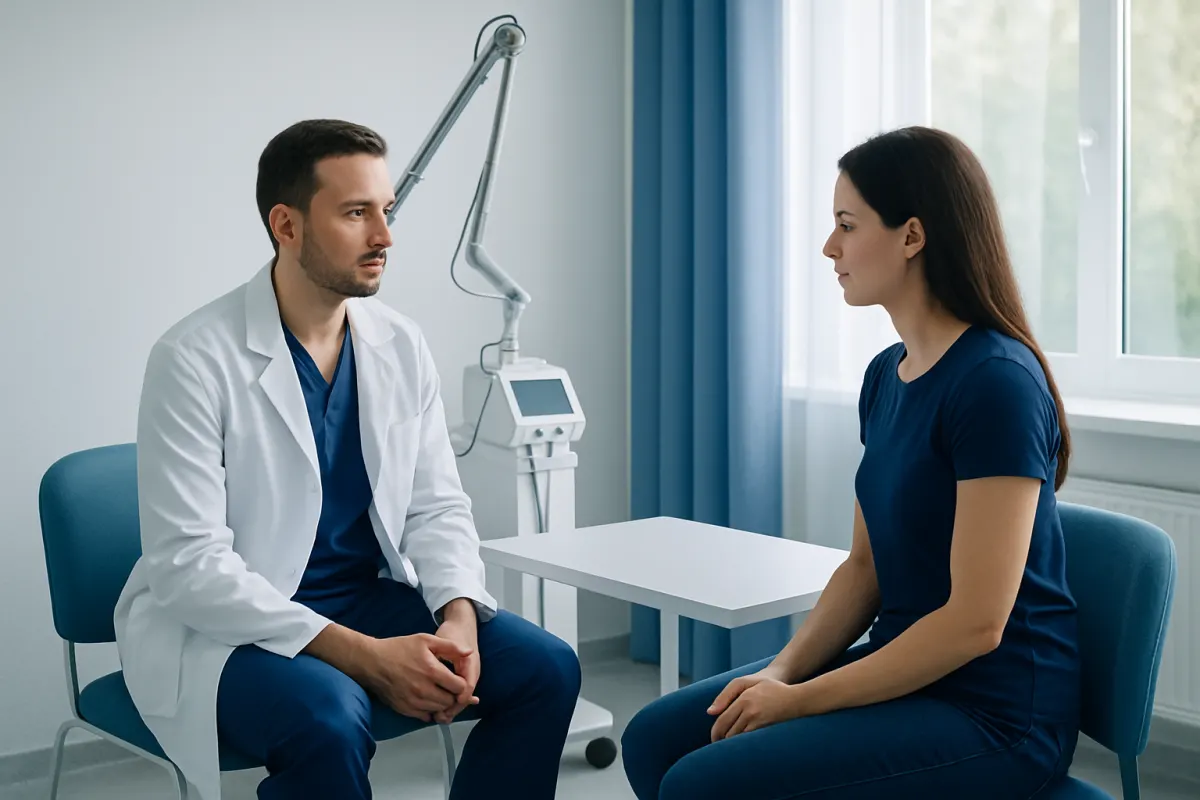
Before treatment, the doctor reviews the person’s medical history, skin type, medications, and treatment goals. Photographs may be taken for planning and follow-up. The clinician usually explains what degree of improvement is realistic, how many sessions might be needed, how long recovery may take, and what side effects to watch for. Sun protection before treatment is important because recent tanning increases the risk of complications.
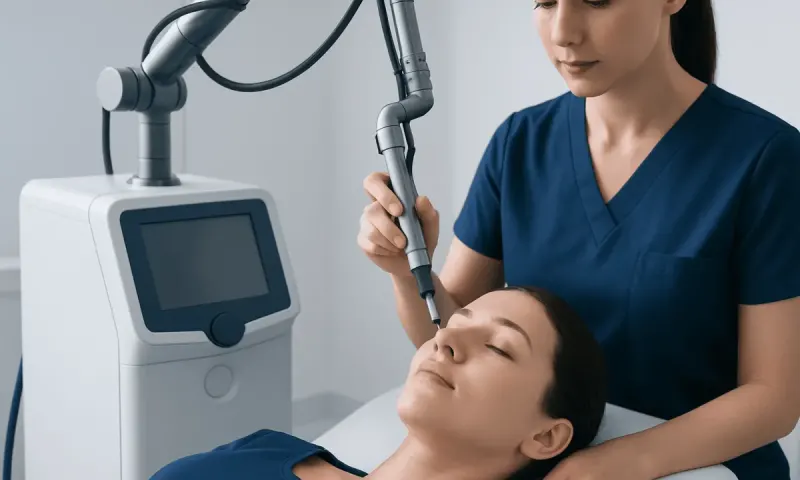
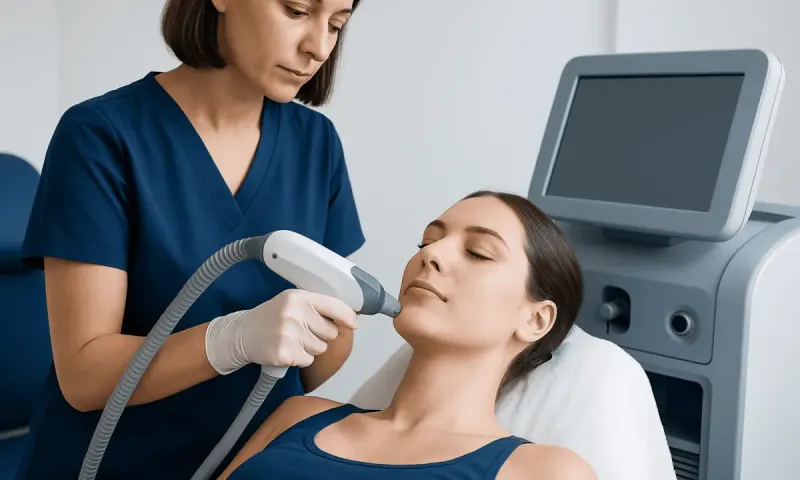
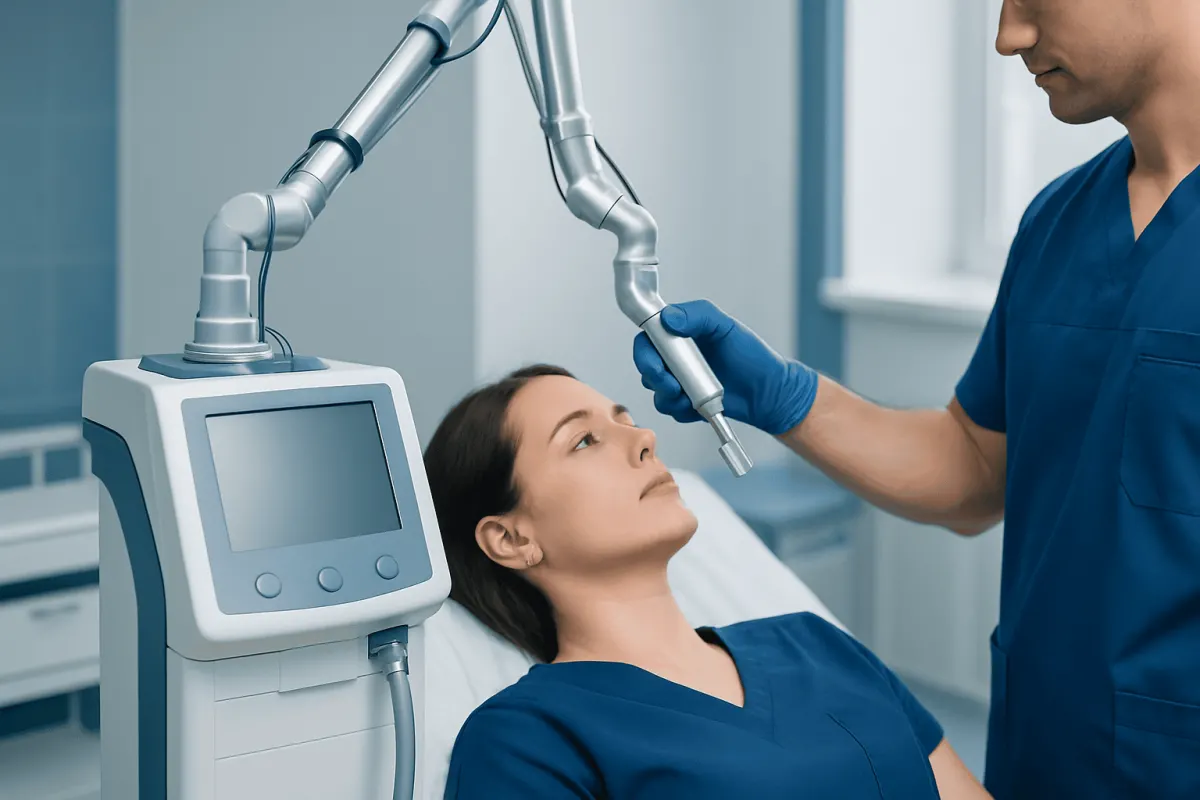
During the procedure, the skin is cleansed and a numbing cream, local anesthetic, or another form of pain control may be used depending on the area and treatment intensity. Protective eye shields are used. The laser is then passed across the skin according to the treatment plan. Small areas may be treated relatively quickly, while full-face resurfacing or scar revision can take longer.
After treatment, the skin often feels warm, tight, and sensitive. Redness, swelling, oozing, pinpoint bleeding, or crusting can occur, especially after deeper settings. The treated area is usually kept clean and moist with products recommended by the doctor, and sun exposure must be limited while healing continues. Recovery can range from several days to a few weeks depending on whether the treatment was fractional or fully ablative and how large the area was.
Many patients notice early improvement once the surface heals, but collagen remodeling continues for weeks to months. Some people need a series of treatments, especially for scars. If laser resurfacing is part of a broader skin plan, the person may also receive guidance from specialists in plastic surgery or dermatologic care, depending on the concern.
Benefits, risks, and possible side effects
The main benefit of CO2 laser is precision. It can remove damaged surface layers and stimulate skin remodeling in a controlled way, often improving texture, roughness, and selected scars more effectively than many topical products alone. Fractional approaches can deliver visible results while shortening downtime compared with traditional fully ablative resurfacing.
CO2 laser carries risks, as any medical procedure does. Short-term effects commonly include redness, swelling, tenderness, scaling, crusting, and temporary sensitivity. Some people develop acne-like bumps or milia during healing. Bacterial, fungal, or viral infection can occur, including reactivation of cold sores in susceptible individuals.
Less common but important risks include prolonged redness, delayed healing, scarring, and changes in skin color. Hyperpigmentation or hypopigmentation may be more likely in people with darker skin tones, those with recent sun exposure, or those who do not follow aftercare instructions. The risk is lower when the correct diagnosis is made, the right settings are chosen, and aftercare is closely followed.
There are limits to what this can do. CO2 laser can improve many concerns, but it does not stop natural aging, remove every scar completely, or replace evaluation for suspicious lesions. For concerns involving changing moles, bleeding growths, or unexplained nonhealing patches, medical assessment comes first rather than cosmetic treatment.
Self-care, recovery, and protecting results
Recovery isn’t something you just wait out — it’s part of the treatment. The skin barrier is temporarily disrupted, so gentle cleansing, regular moisturizing with doctor-approved products, and strict sun protection are essential. Picking crusts or using harsh exfoliants too soon can slow healing and increase the risk of marks or infection.
Sun avoidance and daily broad-spectrum sunscreen become especially important after recovery, because new skin is more vulnerable to discoloration from ultraviolet exposure. Long-term skin care often includes bland moisturizers and, once the skin has healed, ingredients such as retinoids or antioxidants if the doctor advises them. Smoking cessation can also support healing and collagen health.
Results usually last longest when underlying causes of skin damage are addressed. That may include treating acne, reducing sun exposure, managing rosacea, or following a scar care plan. For medically indicated treatment of lesions or chronic skin issues, follow-up matters because some conditions can recur or need reassessment over time.
Some patients prefer to be seen where several specialties work side by side. Acıbadem Health Point’s specialists and JCI-accredited hospitals diagnose and treat CO2 laser candidates and related skin concerns for international patients when coordinated specialist care is needed.
When to seek medical care
A doctor should assess any skin lesion that is new, changing, bleeding, painful, or not healing, rather than assuming it can be treated with laser. Medical care is also important for scars that restrict movement, symptoms that suggest infection, or skin changes that are causing significant distress or affecting daily life.
After CO2 laser treatment, prompt medical advice is recommended if there is worsening pain, spreading redness, pus, fever, a cluster of blisters, unusual swelling, or delayed healing. These signs do not always mean a serious problem, but they deserve early review so the doctor can guide treatment and protect the result.
People with a history of cold sores, pigment problems, keloids, immune suppression, or recent intense sun exposure should mention this before treatment. When there is uncertainty about the diagnosis or the best procedure, consultation with a qualified dermatologist or surgeon is the safest next step.
Frequently asked questions
01Is CO2 laser the same as fractional CO2 laser?
Not exactly. CO2 laser refers to the technology, while fractional CO2 laser is one way of delivering it in a pattern of tiny treatment zones. Fractional treatment usually leaves some surrounding skin untouched, which can help healing and shorten downtime compared with fully ablative resurfacing.
02How long does CO2 laser recovery take?
Recovery depends on how deeply the skin is treated and how large the area is. Mild fractional treatment may involve several days of redness and peeling, while deeper or fully ablative treatment can require a longer healing period and more intensive aftercare. The doctor usually explains the expected timeline before the procedure.
03Does CO2 laser hurt?
Discomfort varies by the treatment area and intensity. Many treatments are performed with numbing cream, local anesthesia, or other pain-control measures to improve comfort. Afterward, the skin may feel warm, tight, or similar to a sunburn for a short time.
04Can CO2 laser remove acne scars completely?
CO2 laser can improve the texture and visibility of many acne scars, but complete removal is uncommon. Some people need multiple sessions or a combination of treatments because scars differ in depth and shape. A specialist can explain what degree of improvement is realistic.
05Is CO2 laser safe for darker skin tones?
It can be used in darker skin tones, but it requires careful assessment and experienced treatment planning. The main concern is a higher chance of temporary or longer-lasting pigment changes after inflammation. Pre- and post-treatment skin care, sun protection, and conservative settings can help reduce this risk.
06What should be avoided after CO2 laser treatment?
Patients are usually advised to avoid direct sun exposure, picking or scrubbing the skin, and using irritating products until the doctor says the skin has healed enough. Swimming pools, saunas, and heavy sweating may also need to be limited for a short period depending on the depth of treatment. Following aftercare instructions closely helps healing and lowers complication risk.
This article is for general information only and is not a substitute for professional medical advice. Please consult a qualified doctor about your individual situation.
Explore treatments in Turkey — costs, top hospitals & a free quote
JCI-accredited · board-certified surgeons · reply within 24h
Add us as a Preferred Source to see more of our trusted health content across Google Search, AI Overviews and Discover.