Laser Skin Rejuvenation Price: What Changes the Cost
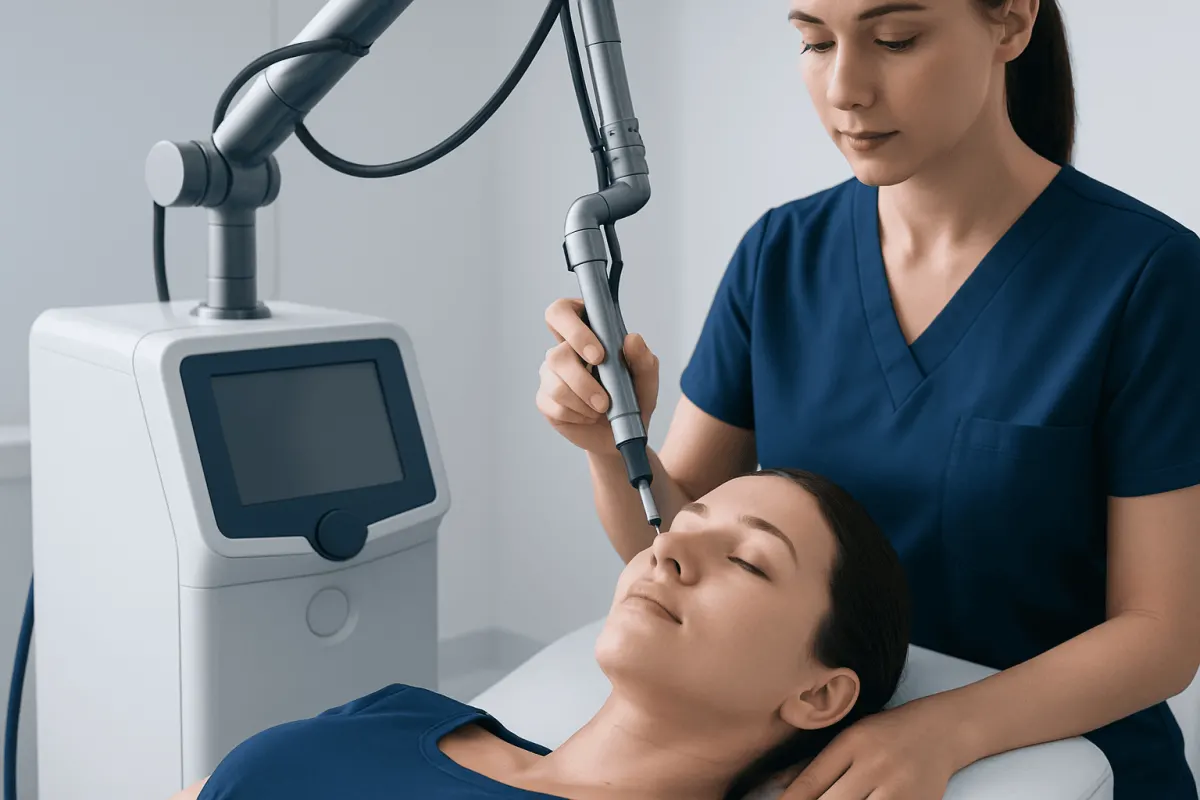
Laser skin rejuvenation price is not a single fixed figure because treatment plans differ widely in laser technology, skin concerns, treatment area, number of sessions and recovery requirements. A consultation with a qualified dermatologist or plastic surgeon helps determine whether laser treatment is appropriate and what the complete plan is likely to involve.
Overview: what patients really pay for laser skin rejuvenation
Laser skin rejuvenation price reflects much more than the time spent having a procedure. It is shaped by the laser technology used, the area being treated, the goal of treatment, the clinician’s expertise, the number of sessions expected and the level of aftercare required. For this reason, laser rejuvenation prices should be discussed as a complete treatment plan rather than compared as a single headline figure.
Laser skin rejuvenation, sometimes called laser skin renewal or laser resurfacing, uses focused light energy to improve selected signs of sun damage and skin aging. It may be considered for uneven pigmentation, fine lines, rough texture, enlarged pores, mild laxity and certain acne or surgical scars. It does not stop the skin’s natural aging process, and it is not the right treatment for every concern.
A responsible consultation should provide a clear explanation of the recommended laser, expected benefits, likely recovery and all anticipated costs. Patients should feel comfortable asking what is included in the estimate, whether repeat treatment may be useful and what alternatives could better suit their skin type, lifestyle or goals.
How laser skin rejuvenation works
Lasers deliver controlled energy to targeted layers of the skin. Depending on the device and settings, that energy may heat the skin below the surface, remove very thin layers of damaged skin, or create tiny treatment zones while leaving surrounding tissue intact. The intended response is skin renewal and, in many treatments, stimulation of collagen remodeling over time.
Non-ablative lasers heat the skin without removing its outer layer. They generally involve less visible recovery, but gradual improvement and a series of sessions may be needed. Ablative lasers remove or vaporize microscopic amounts of the skin’s surface. They can provide more substantial resurfacing for some concerns, yet they usually involve more intensive wound care and a longer recovery period.
Fractional laser systems treat columns or small zones of skin rather than the entire surface uniformly. This approach can support healing from untreated surrounding skin. The best option depends on the concern being treated, skin tone, previous procedures, tolerance for downtime and the clinician’s assessment of safety.
What affects laser skin rejuvenation costs?

Laser skin rejuvenation costs vary because there is no universal procedure. A small, focused treatment for a limited concern is different from treatment of the full face, neck, chest or hands. More extensive areas, deeper resurfacing and complex scar treatment generally require more time, planning and follow-up care than a superficial procedure.
The laser type matters. Devices have different purposes, maintenance requirements and treatment protocols. Non-ablative treatment may be planned as a course of appointments, whereas one ablative procedure may involve a longer recovery and more structured aftercare. Neither approach is automatically better value; the appropriate option is the one that matches the person’s skin concern and realistic goals.
Other elements that can influence a laser skin renewal price include the clinician’s training and supervision, facility standards, pre-treatment skin preparation, topical or local anesthesia, sedation when appropriate, prescribed medications, recovery products and scheduled reviews. Treating active acne, pigmentation disorders or sun damage beforehand may also be recommended to improve safety or outcomes.
- Ask whether the estimate covers the full recommended number of sessions.
- Ask which laser or light-based technology is proposed and why.
- Clarify whether consultation, anesthesia, aftercare products and follow-up appointments are included.
- Discuss possible additional treatment if the skin response differs from expectations.
Candidacy and the treatment journey
Good candidates are generally people in good overall health who have a specific, realistic concern that laser treatment can address. A clinician will examine the skin, ask about previous cosmetic procedures, review medications and discuss factors such as sun exposure, smoking, cold sore history, acne, eczema, melasma and any tendency toward abnormal or raised scars.
People with darker skin tones can be candidates, but careful selection of the device and settings is especially important because irritation can lead to unwanted pigment changes. Recent tanning, an active rash, open wounds, a bacterial or viral skin infection, and some medications may mean treatment should be delayed. A qualified clinician can explain whether another option is safer or more likely to achieve the desired result.
During the procedure, the skin is cleansed and photographs may be taken for planning and comparison. Protective eyewear is used. Depending on the treatment, a topical numbing cream, local anesthetic or other pain-control approach may be used. The laser is then passed over the planned area in a controlled pattern. Afterward, the skin is cooled and protective products are applied, followed by written home-care instructions.
Patients should disclose any history of recurrent cold sores, as laser treatment around the mouth can occasionally trigger an outbreak. The treating clinician may recommend preventive medication when clinically appropriate. It is also important to pause or adjust certain skincare products only under professional guidance.
Benefits, recovery and possible risks
Potential benefits include smoother texture, a more even-looking tone, softer fine lines and improvement in selected scars or sun-related changes. Results develop differently depending on the laser. Some changes may be visible after healing, while collagen-related improvement can continue gradually over subsequent weeks or months. Maintenance treatment and diligent sun protection may help preserve benefits.
Recovery ranges from mild redness and temporary swelling after gentler treatments to several days or longer of redness, peeling, crusting and sensitivity after deeper resurfacing. The skin should be handled gently while it heals. Patients are commonly advised to avoid sun exposure, heat, strenuous exercise for a short period when advised, picking or scrubbing the skin, and unapproved active skincare ingredients.
Possible side effects include discomfort, redness, swelling, dryness, itching, acne-like eruptions and temporary changes in pigment. Less commonly, infection, prolonged redness, scarring, cold sore reactivation or persistent darkening or lightening of the skin can occur. The risk can be reduced by appropriate patient selection, experienced treatment, careful aftercare and strict sun protection, but it cannot be eliminated completely.
Contact the treating team promptly if there is worsening pain, spreading redness, pus, fever, blisters, marked swelling or another unexpected change during recovery. Early assessment is important when infection or an unusual healing response is possible.
Does laser skin rejuvenation really work?
Laser skin rejuvenation can work for appropriately selected concerns, particularly texture irregularity, photoaging, fine lines, certain pigment changes and some scars. Its effects depend on the laser used, the depth and cause of the concern, skin type, adherence to aftercare and the body’s individual healing response. It should be viewed as a medical procedure with measurable but variable outcomes, rather than a guaranteed transformation.
It is less likely to replace treatments aimed at significant skin laxity, deep volume loss, very deep wrinkles or active inflammatory skin disease. In some situations, a clinician may recommend a combined plan involving skincare, chemical peels, injectable treatments, surgery or another procedure. Choosing a treatment based on diagnosis rather than trends is the most reliable way to pursue a meaningful result.
Before-and-after images can be useful when they show patients with similar skin concerns and skin tones, photographed under consistent conditions. They cannot predict an individual result. A consultation should define what improvement is realistic, how long it may take and what maintenance could be needed.
Is laser skin tightening worth the money?
Whether laser skin tightening is worth the money is a personal decision based on the degree of laxity, the desired result, recovery preferences and budget. Laser or energy-based tightening may offer gradual, modest improvement for some people with mild skin laxity. It is generally not equivalent to a surgical lifting procedure, which addresses tissue position and excess skin more directly.
Value is best considered by comparing the likely benefit with the complete plan, including possible repeat sessions and ongoing skincare. The lowest advertised price may not include the consultation, medical supervision, safety measures or aftercare that support an appropriate treatment experience. Conversely, a more intensive treatment is not necessarily the most suitable option.
A clinician should explain whether the proposed procedure is intended mainly to improve texture, pigment, scars, fine lines or laxity. This distinction helps prevent disappointment. Patients should avoid treatment providers who promise permanent tightening, guarantee results or recommend a procedure without reviewing their skin and medical history.
How much does a full facial rejuvenation cost?
A full facial rejuvenation cost cannot be estimated accurately without knowing what “rejuvenation” means for the individual. For one person, it may involve laser resurfacing alone; for another, it may include treatment of pigment, scars, wrinkles, volume loss or skin laxity with several different approaches. Each component has different equipment, clinical time, recovery needs and follow-up requirements.
For a meaningful comparison of laser skin rejuvenation price, patients can request a written, itemized plan after assessment. It should state the treatment area, technology, anticipated number of sessions, preparation, anesthesia or comfort measures, recovery supplies, review appointments and any optional complementary procedures. It is also reasonable to ask what costs could arise if additional treatment becomes clinically appropriate.
Health insurance commonly does not cover cosmetic laser procedures, though coverage rules vary when a treatment is medically necessary. Patients should confirm coverage directly with their insurer where relevant. Decisions should prioritize safety, appropriate credentials and transparent communication rather than price alone.
When to seek medical care
Anyone considering laser resurfacing should seek an evaluation from a qualified dermatologist, plastic surgeon or other properly trained clinician before booking treatment. Professional assessment is particularly important for changing moles, unexplained bleeding, a non-healing sore, new or rapidly changing pigmentation, painful scars, severe acne or symptoms that could indicate an underlying skin condition rather than a cosmetic concern.
Medical advice should also be sought before laser treatment by people who are pregnant or breastfeeding, have a weakened immune system, take medications that affect healing or photosensitivity, have a history of keloid scarring, or have recurrent cold sores. A clinician can advise on timing, precautions and alternative approaches where needed.
Acıbadem Health Point’s multidisciplinary specialists and JCI-accredited hospitals can assess skin concerns and discuss suitable laser-based treatment options for international patients. A consultation is the appropriate place to review potential benefits, limitations, recovery expectations and a personalized cost plan.
Frequently asked questions
01Why do laser rejuvenation prices vary so much?
Laser rejuvenation prices differ because lasers treat different skin layers and concerns, and treatment plans vary in intensity, size of area and number of sessions. The experience of the clinician, facility standards, pain-control measures, aftercare and follow-up can also affect the total cost. An itemized estimate after an in-person assessment is more informative than an advertised starting price.
02Does laser skin rejuvenation really work?
Laser skin rejuvenation can improve specific concerns such as uneven texture, fine lines, some sun damage and selected scars. The degree of improvement varies with the device, treatment settings, skin type and the underlying cause of the concern. It does not stop aging or guarantee the same result for every patient.
03Is laser skin tightening worth the money?
It may be worthwhile for someone seeking gradual improvement in mild laxity and who understands that results are usually more modest than surgery. The decision should consider the full course of treatment, likely maintenance and recovery time. A clinician can help determine whether tightening is a realistic goal or whether another treatment is more appropriate.
04How much does a full facial rejuvenation cost?
There is no single full facial rejuvenation cost because facial rejuvenation may involve laser treatment alone or a tailored combination of procedures. The total depends on the concerns being treated, treatment areas, technologies used, number of sessions and aftercare needs. A written plan from a qualified clinic should clarify what is included.
05What is the downside of laser resurfacing?
Laser resurfacing can involve redness, swelling, peeling, discomfort and downtime, especially with deeper or ablative procedures. Risks include infection, pigment changes, prolonged redness, scarring and reactivation of cold sores in susceptible people. Careful screening, experienced treatment and following recovery instructions reduce risk but do not remove it entirely.
06How long does recovery after laser skin resurfacing take?
Recovery depends on the laser and treatment depth. Gentler non-ablative treatments may cause redness or swelling for a short period, while ablative resurfacing can involve more noticeable peeling and healing over a longer period. The treating clinician should provide a personalized timeline and guidance on returning to work, exercise, makeup and sun exposure.
This article is for general information only and is not a substitute for professional medical advice. Please consult a qualified doctor about your individual situation.
Explore treatments in Turkey — costs, top hospitals & a free quote
JCI-accredited · board-certified surgeons · reply within 24h
Add us as a Preferred Source to see more of our trusted health content across Google Search, AI Overviews and Discover.