VQ Mismatch: When Lung Airflow and Blood Flow Differ
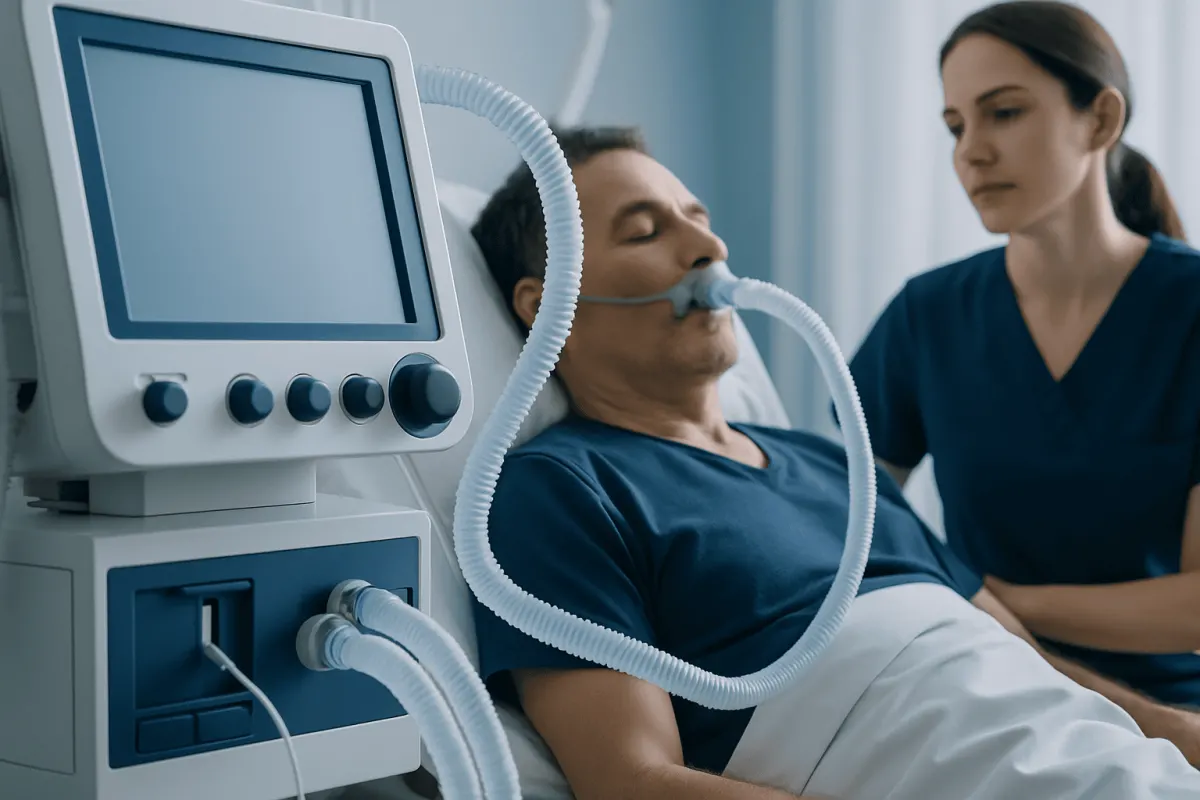
VQ mismatch, also called ventilation-perfusion mismatch, occurs when air reaching parts of the lungs does not match the blood flow available to collect oxygen. It is a common mechanism behind low blood oxygen levels and may result from several lung, heart, or circulation-related conditions.
What Is VQ Mismatch?
VQ mismatch is a problem with gas exchange in the lungs. “V” stands for ventilation, meaning the movement of air into and out of the air sacs of the lungs. “Q” stands for perfusion, meaning the flow of blood through the small lung blood vessels. For oxygen to enter the bloodstream efficiently, each area of the lung needs a reasonable match between the air it receives and the blood flowing past it.
When ventilation and perfusion are unevenly matched, some blood may pass through lung areas that receive too little air, or some air may reach areas with too little blood flow. As a result, the body may not take up as much oxygen as it needs. VQ mismatch is not a diagnosis by itself; it is a physiological finding that helps clinicians understand why a person may have low oxygen levels.
A mild mismatch can occur temporarily and may not cause noticeable symptoms. More significant mismatch can contribute to breathlessness or low oxygen saturation, particularly during activity. The appropriate response depends on the cause, how quickly symptoms developed, and the person’s overall health.
How the Lungs Match Airflow and Blood Flow
With each breath, air travels through the airways into tiny sacs called alveoli. Oxygen moves across the alveolar walls into nearby capillaries, while carbon dioxide moves from the blood into the lungs to be exhaled. This exchange works best when air and blood arrive in similar proportions.
Not every part of a healthy lung has exactly the same VQ ratio. Gravity, posture, and normal differences in lung structure affect the distribution of air and blood. The lungs usually compensate for these small variations. Problems arise when disease, inflammation, blockage, or fluid changes the balance enough to limit oxygen transfer.
Two patterns are especially useful to understand. In a low VQ area, blood flow is present but airflow is reduced, such as when airways narrow or alveoli fill with fluid. In a high VQ area, air arrives but blood flow is reduced, such as when a blood vessel is blocked. Both patterns can occur in the same illness.
Symptoms and Possible Effects

The main consequence of clinically important VQ mismatch is hypoxemia, meaning lower-than-normal oxygen in the blood. Symptoms vary widely. Some people notice breathlessness only while walking or climbing stairs, while others feel short of breath at rest. Symptoms may reflect the underlying condition as much as the mismatch itself.
Possible symptoms include:
- Shortness of breath or a feeling of not getting enough air
- Fast or labored breathing
- Reduced exercise tolerance, tiredness, or weakness
- Wheezing, cough, fever, or mucus when airway or lung infection is involved
- Chest discomfort, palpitations, light-headedness, or faintness in some conditions
- Low readings on a pulse oximeter, when measured correctly
Low oxygen levels do not always cause symptoms immediately, and pulse oximeter results can be affected by cold hands, movement, poor circulation, nail products, and other factors. A reading should be interpreted alongside symptoms and a clinical assessment rather than used alone to diagnose VQ mismatch.
What Can Cause VQ Mismatch?
Many conditions can disrupt the relationship between ventilation and perfusion. Airway narrowing is a common low VQ cause because less air can reach parts of the lung while blood flow continues. This may occur with asthma, chronic obstructive pulmonary disease (COPD), mucus plugging, or bronchitis.
Inflammation or fluid in the air sacs can also create low VQ regions. Examples include pneumonia, pulmonary edema, and some forms of lung injury. Pneumonia may cause cough, fever, and breathlessness, but symptoms differ according to the organism involved, the affected lung area, and the individual’s health.
A high VQ pattern can occur when blood flow to part of the lung is reduced. One important example is a pulmonary embolism, in which a blood clot blocks a lung artery or one of its branches. Other contributors may include chronic lung disease, changes in the lung blood vessels, or reduced circulation in critically ill patients.
Some people have more than one contributing factor. For example, an older adult with COPD may develop an infection, or a person with heart disease may have fluid accumulation in the lungs. Identifying the cause is essential because treatment is directed at the condition creating the mismatch.
How Doctors Evaluate VQ Mismatch
Clinicians begin by asking about symptom onset, triggers, recent infections, medical history, medications, smoking or vaping exposure, recent travel or surgery, and risks for blood clots. They also check breathing rate, heart rate, temperature, blood pressure, oxygen saturation, and lung and heart sounds. The urgency of testing depends on the person’s condition.
A blood test called an arterial blood gas may be used to measure oxygen, carbon dioxide, and acid-base balance in the blood. It can help assess the severity of impaired gas exchange. Other blood tests may help identify infection, inflammation, anemia, or conditions that increase the likelihood of clotting.
Imaging may include a chest X-ray or chest CT scan to look for infection, fluid, collapse of lung tissue, or other structural causes. If pulmonary embolism is suspected, clinicians may use CT pulmonary angiography or, in selected circumstances, a ventilation-perfusion scan. A VQ scan compares the distribution of inhaled material with blood flow through the lungs and can help assess for areas of mismatched ventilation and perfusion.
Breathing tests, such as spirometry, may be appropriate when asthma or COPD is suspected. Testing is individualized; no single test alone explains every case of low oxygen or breathlessness.
Treatment Options and Recovery
VQ mismatch improves when its underlying cause is addressed. Supplemental oxygen may be used when a clinician determines that oxygen levels are low or a person is in respiratory distress. Oxygen supports the body while assessment and treatment take place, but it does not replace treatment of the cause.
For airway-related disease, treatment may include inhaled medicines that open narrowed airways, reduce inflammation, or help clear secretions. Infections may require supportive care and, when clinically appropriate, medicines directed at the likely cause. Fluid in the lungs may need treatment for the underlying heart, kidney, or inflammatory problem.
When a pulmonary embolism is diagnosed, treatment commonly involves anticoagulant medicines to prevent clot growth and reduce the risk of further clots. Severe cases may require hospital-based therapies and close monitoring. The safest option depends on clot severity, bleeding risk, and other health conditions.
People with persistent or complex breathing symptoms may benefit from coordinated care involving respiratory, cardiology, imaging, and emergency specialists. Acıbadem Health Point’s multidisciplinary specialists and JCI-accredited hospitals assess and treat respiratory and circulation-related conditions for international patients.
Prevention and Everyday Self-Care
Not every cause of VQ mismatch can be prevented, but reducing avoidable lung and clotting risks can support respiratory health. Avoiding smoking and secondhand smoke is important, and people who vape or use tobacco can speak with a clinician about evidence-based support to stop. Keeping vaccinations current according to local medical advice may also reduce the risk of certain respiratory infections.
People with asthma, COPD, heart disease, or other long-term conditions should follow their agreed treatment plan, use inhalers as instructed, and attend recommended reviews. Correct inhaler technique matters; a pharmacist, nurse, or doctor can demonstrate and check it. New or worsening symptoms should not be managed by increasing or sharing medicines without medical guidance.
Regular movement, hydration, and breaks during long journeys may help lower the risk of blood clots for many people. Those with a previous clot, recent surgery, cancer, pregnancy, or other major risk factors should ask their clinician for individualized prevention advice. Home oxygen should only be used when prescribed and monitored by a healthcare professional.
When to Seek Medical Care
Medical assessment is advisable for new, persistent, or worsening shortness of breath, especially if it limits usual activities, occurs at rest, or is accompanied by cough, wheezing, fever, swelling of the legs, or unexplained fatigue. A clinician can determine whether symptoms relate to lung disease, heart disease, anemia, infection, anxiety, or another cause.
Urgent medical care is needed for sudden severe breathlessness, chest pain or pressure, coughing up blood, fainting, new confusion, blue or gray lips or fingertips, or a rapid deterioration in breathing. These symptoms can occur with serious conditions, including pulmonary embolism, severe infection, or heart-related problems, and should not be managed at home.
People who have a low pulse oximeter reading along with symptoms should contact a healthcare professional promptly. If there is marked breathlessness or other emergency warning signs, local emergency services should be contacted rather than waiting for a routine appointment.
Frequently asked questions
01Is VQ mismatch the same as low oxygen?
VQ mismatch is one common reason a person may have low oxygen in the blood, but the terms are not identical. Low oxygen, or hypoxemia, can also result from other problems, such as reduced breathing effort, high altitude, or a right-to-left heart or lung shunt. A clinician evaluates the overall picture to identify the cause.
02Can VQ mismatch be cured?
VQ mismatch is a mechanism rather than a single disease, so whether it resolves depends on what is causing it. It may improve when asthma, infection, fluid accumulation, or a blood-flow problem is treated. Long-term lung disease may require ongoing management to reduce symptoms and prevent flare-ups.
03Does a normal pulse oximeter reading rule out VQ mismatch?
No. A normal reading does not completely rule out a mild or early gas-exchange problem, particularly if symptoms occur only during exertion. Pulse oximeters also have limitations, so clinicians consider symptoms, examination findings, and additional tests when needed.
04What is the difference between low VQ and high VQ?
Low VQ means an area of lung receives relatively too little air for the blood flow reaching it. High VQ means an area receives air but has relatively too little blood flow. Both patterns can reduce the efficiency of gas exchange across the lungs.
05Can anxiety cause VQ mismatch?
Anxiety can cause a sensation of breathlessness, rapid breathing, chest tightness, or light-headedness, but it does not typically create the lung ventilation-perfusion abnormalities seen with conditions such as pneumonia or pulmonary embolism. New or unexplained breathing symptoms should be assessed rather than assumed to be anxiety.
06Is VQ mismatch dangerous?
Its significance depends on the degree of oxygen impairment and the underlying cause. Mild mismatch may be manageable, while sudden or severe symptoms can signal a condition requiring urgent treatment. Prompt assessment is particularly important when breathlessness begins suddenly or is accompanied by chest pain, fainting, confusion, or bluish discoloration.
This article is for general information only and is not a substitute for professional medical advice. Please consult a qualified doctor about your individual situation.
Persistent digestive symptoms? Get evaluated in Turkey
JCI-accredited · board-certified surgeons · reply within 24h
Add us as a Preferred Source to see more of our trusted health content across Google Search, AI Overviews and Discover.