Sarcoidosis Diagnosis: Tests Used to Confirm It
Sarcoidosis diagnosis is a step-by-step process that looks for characteristic inflammation, assesses which organs are affected, and excludes infections, cancer, and other conditions that can look similar. Testing may include blood work, chest imaging, breathing tests, eye and heart assessments, and a biopsy when confirmation is needed.
Sarcoidosis Diagnosis: What to Expect
Sarcoidosis diagnosis usually involves several tests rather than one definitive examination. A clinician reviews symptoms, medical and occupational history, examination findings, chest images, and laboratory results. When possible, the diagnosis is confirmed by finding non-caseating granulomas—small clusters of inflammatory cells—in a tissue sample, while also excluding other causes of granulomas.
The diagnostic pathway is tailored to the organs involved. Some people are diagnosed after an abnormal chest X-ray taken for another reason, while others seek care for persistent cough, breathlessness, skin changes, eye symptoms, fatigue, or swollen lymph nodes. Because the condition can resemble infections, autoimmune diseases, and some cancers, careful evaluation is important before treatment begins.
Diagnosis also establishes a baseline for future care. Doctors assess whether sarcoidosis is active, whether it is affecting organ function, and whether observation alone is appropriate. Many cases improve over time, but regular follow-up helps identify complications early.
Initial Evaluation and Tests Used to Diagnose Sarcoidosis
The first appointment typically includes a discussion of symptoms, past illnesses, medicines, family history, environmental exposures, and travel. The clinician may ask about cough, chest discomfort, shortness of breath, fatigue, fever, joint pain, rash, vision changes, palpitations, fainting, numbness, or weakness. A physical examination may include the lungs, skin, lymph nodes, eyes, heart, and nervous system.
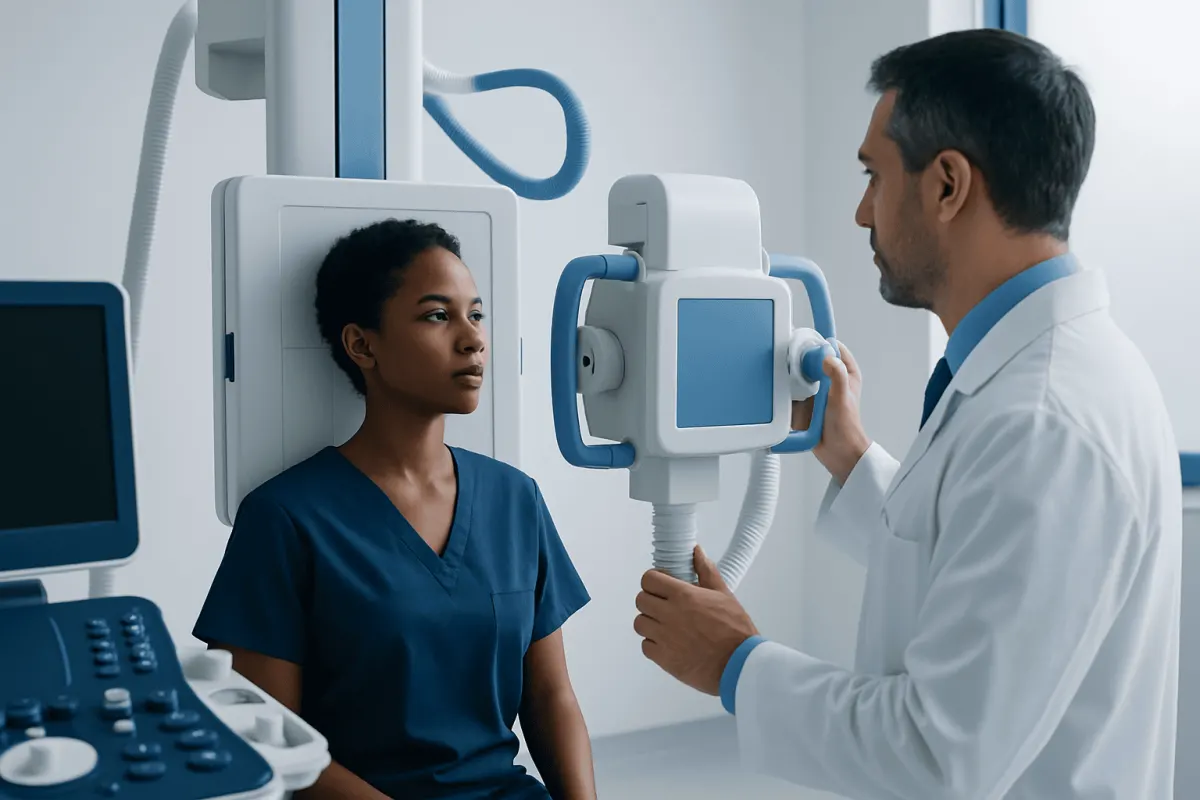
Chest X-ray is often the starting imaging test because sarcoidosis commonly affects the lungs and lymph nodes in the chest. A chest CT scan can provide more detailed images of lymph nodes, lung tissue, and scarring. Pulmonary function tests measure airflow and how efficiently the lungs transfer oxygen; they are useful both at diagnosis and during follow-up.
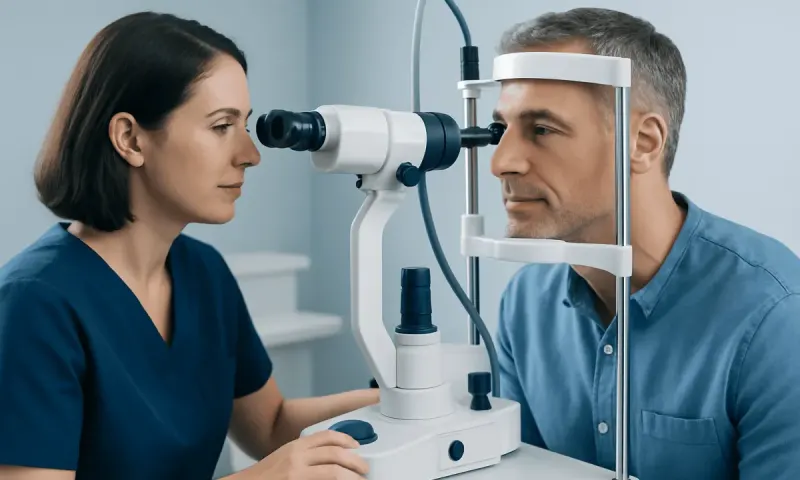
Blood and urine tests may check calcium levels, kidney function, liver enzymes, blood cell counts, and markers of inflammation. Although blood levels of angiotensin-converting enzyme may be measured in some circumstances, they cannot diagnose sarcoidosis by themselves. An electrocardiogram may screen for heart involvement, and specialist tests such as echocardiography, cardiac MRI, eye examination, or brain imaging may be advised when symptoms or initial findings suggest disease outside the lungs.
- Imaging helps identify the pattern and extent of organ involvement.
- Function tests show whether an organ is working normally.
- Biopsy can provide tissue confirmation when it is needed.
- Tests for infection and other conditions help avoid an incorrect diagnosis.
Biopsy Procedures, Preparation and Recovery

Not everyone needs a biopsy. In a person with a very typical presentation, such as certain acute syndromes, a specialist may make a clinical diagnosis with close monitoring. More commonly, doctors recommend sampling the safest accessible abnormal tissue to confirm granulomas and rule out conditions such as tuberculosis, fungal infection, lymphoma, or other inflammatory disorders.
If chest lymph nodes or the lungs are involved, bronchoscopy is frequently used. A thin flexible tube is passed through the nose or mouth into the airways after local anaesthetic and, often, sedation. The clinician may collect small tissue samples from lymph nodes using ultrasound guidance, take lung biopsies, or wash a small part of the lung for laboratory analysis. Enlarged lymph nodes, skin lesions, or minor salivary glands may sometimes offer easier biopsy sites.
Recovery after a simple skin or lymph-node biopsy is generally brief, with mild local tenderness or bruising possible. Following bronchoscopy, a temporary sore throat, hoarse voice, cough, or small streaks of blood in mucus can occur. The care team gives instructions about eating, driving after sedation, activity, and medicines. Urgent advice should be sought for worsening shortness of breath, heavy bleeding, persistent fever, severe chest pain, or any symptom that feels concerning.
Pathology results may take several days to a few weeks, particularly if additional stains or cultures are required to exclude infection. A granuloma result supports sarcoidosis only in the full clinical context; it is not specific to sarcoidosis on its own.
Understanding Results and Stage 3 Sarcoidosis
Results are interpreted as a whole. A diagnosis is most secure when the person has a compatible clinical and imaging pattern, biopsy evidence of non-caseating granulomas when appropriate, and no better alternative explanation. After diagnosis, clinicians identify the affected organs and measure their function, which guides monitoring and treatment decisions.
What are the characteristics of stage 3 sarcoidosis? Stage 3 refers to a chest X-ray pattern with lung infiltrates—areas of inflammation or shadowing in the lung tissue—without enlarged lymph nodes at the center of the chest. It is part of a radiographic staging system: stage 0 has a normal chest X-ray, stage 1 has enlarged hilar lymph nodes, stage 2 has lymph-node enlargement plus lung infiltrates, stage 3 has infiltrates without hilar lymph-node enlargement, and stage 4 shows lung fibrosis or scarring.
Stage 3 does not by itself determine how unwell a person feels, whether sarcoidosis affects other organs, or what treatment will be required. Lung function, symptoms, CT findings, evidence of progression, and the presence of heart, eye, neurological, or other organ involvement all matter. A respiratory specialist may repeat breathing tests and imaging over time to distinguish active inflammation from permanent scarring.
How Sarcoidosis Can Affect Daily Life and Treatment Decisions
How does sarcoidosis affect a person’s life? Its effects vary widely. Some people have no symptoms and need only periodic monitoring, while others experience fatigue, cough, breathlessness, skin discomfort, joint symptoms, or difficulties related to eye, heart, nerve, or other organ involvement. Symptoms may fluctuate, and uncertainty during testing can also affect emotional wellbeing, work, sleep, activity, and family life.
Practical support can make a meaningful difference. People may benefit from pacing activities, planning rest, avoiding smoking and second-hand smoke, attending recommended eye and lung appointments, and discussing work or exercise adjustments with their clinician. It is also helpful to tell the medical team about new symptoms rather than assuming they are unrelated, particularly palpitations, fainting, reduced vision, severe headache, weakness, or increasing breathlessness.
Treatment depends on the organs affected and the risk to their function. Observation is appropriate for many mild or stable cases. When inflammation is causing troublesome symptoms or could damage an organ, corticosteroids such as prednisone are commonly used. Other immune-modifying medicines may be considered when steroids are not suitable, cannot be reduced safely, or are insufficient. Care may involve respiratory, dermatology, cardiology, ophthalmology, neurology, rheumatology, and other specialists as needed.
Acıbadem Health Point’s multidisciplinary specialists and JCI-accredited hospitals assess and treat sarcoidosis for international patients, with care plans based on the organs involved and the individual’s clinical findings.
How Long Prednisone Is Used and Whether Sarcoidosis Can Return
How long do you take prednisone for sarcoidosis? The duration varies and should be individualized by the treating clinician. Some people do not need prednisone at all, while others may take it for months, often starting with a dose that is gradually reduced as symptoms, imaging, and organ function improve. More persistent, severe, or organ-threatening sarcoidosis may require longer treatment or a steroid-sparing medicine to limit corticosteroid exposure.
Prednisone should not be stopped suddenly unless a clinician specifically advises it. The body may need time to resume normal cortisol production after corticosteroid treatment, and abrupt withdrawal can cause problems. Doctors monitor response and potential side effects, which may include changes in blood pressure, blood sugar, mood, sleep, bone health, infection risk, and weight.
Can sarcoidosis lay dormant? Yes. Sarcoidosis can become inactive after improving, and some people remain well for years without treatment. However, symptoms or inflammation can recur after a period of remission, so follow-up plans are individualized. New symptoms should be reviewed rather than self-treated, because they may represent recurrence, treatment effects, or an unrelated health issue.
When to Seek Medical Care
Medical assessment is appropriate for a persistent unexplained cough, increasing breathlessness, chest symptoms, ongoing fever, unexplained swollen lymph nodes, new rash, painful red eyes, vision changes, or prolonged fatigue—especially when these occur together. These symptoms have many possible causes, and evaluation helps identify the right explanation and treatment.
Prompt medical advice is particularly important for palpitations, fainting, new severe dizziness, chest pain, sudden neurological symptoms, marked weakness, or significant changes in eyesight. These do not always indicate sarcoidosis, but they require timely assessment because heart, nervous system, or eye conditions may need urgent care.
After diagnosis, regular follow-up is important even when a person feels well. Repeat lung-function testing, imaging, blood tests, ECGs, eye assessments, or other investigations may be scheduled according to the organs involved. Patients should bring a current medicine list and report changes in symptoms, treatment side effects, and plans for pregnancy or vaccination to their healthcare professional.
Frequently asked questions
01Is a biopsy always required for sarcoidosis diagnosis?
A biopsy is often used to confirm sarcoidosis, especially when the findings could also be caused by infection, cancer, or another inflammatory condition. However, it may not be necessary in every case when the clinical pattern is highly characteristic and a specialist considers the diagnosis sufficiently clear. The decision depends on the likely biopsy site, potential risks, and how the result would affect care.
02What does a lung function test show in sarcoidosis?
Lung function testing measures airflow, lung volumes, and how well oxygen moves from the lungs into the blood. It can identify reduced lung function even when symptoms are mild and provides a baseline for later comparison. Results are interpreted alongside symptoms and imaging rather than in isolation.
03Can blood tests confirm sarcoidosis?
No blood test can confirm sarcoidosis on its own. Blood and urine tests help assess inflammation, calcium balance, and organ function, and can help rule out other conditions. They are also useful for monitoring disease activity and treatment safety over time.
04Does stage 3 sarcoidosis mean severe disease?
Not necessarily. Stage 3 describes a chest X-ray appearance of lung infiltrates without enlarged hilar lymph nodes. Severity depends on symptoms, lung function, progression, scarring, and whether other organs such as the heart, eyes, or nervous system are involved.
05How quickly are sarcoidosis biopsy results available?
Initial pathology findings may be available within several days, but final results can take longer when special testing is needed. Laboratories may perform stains, cultures, or other studies to exclude infections and alternative causes of granulomas. The clinical team will explain when and how results will be discussed.
06Can sarcoidosis go away without treatment?
Yes, sarcoidosis can improve or become inactive without medicine, particularly when disease is mild and does not threaten organ function. Even so, planned monitoring is important because the course is unpredictable and recurrence can occur. Treatment is considered when symptoms are significant or inflammation risks lasting organ damage.
This article is for general information only and is not a substitute for professional medical advice. Please consult a qualified doctor about your individual situation.
Joint and spine care in Turkey — expert assessment & treatment
JCI-accredited · board-certified surgeons · reply within 24h
Add us as a Preferred Source to see more of our trusted health content across Google Search, AI Overviews and Discover.