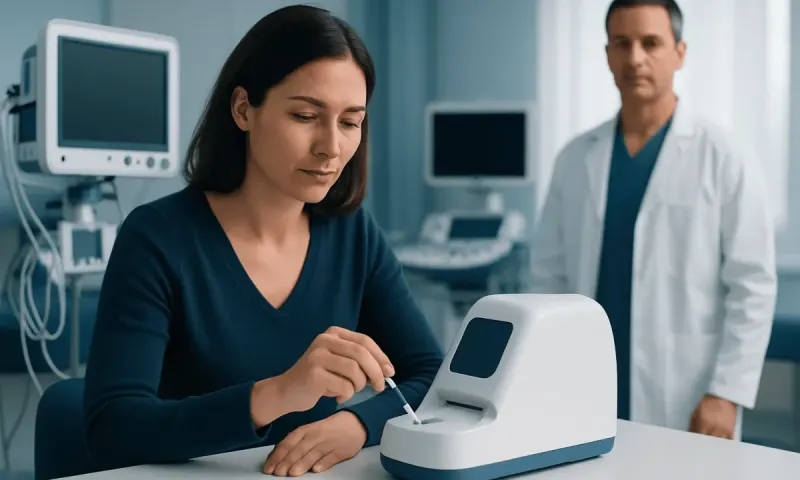
UTI Test: Preparing for Urine Testing and Results

A UTI test usually involves providing a urine sample that is checked for signs of infection, such as bacteria, white blood cells, or blood. The process is quick, generally painless, and can help a clinician decide whether treatment is needed and which antibiotic may be appropriate.
What Is a UTI Test?
A UTI test is a urine-based test used to look for evidence of a urinary tract infection (UTI). It is commonly requested when a person has symptoms such as burning during urination, needing to urinate more often, passing only small amounts of urine, lower abdominal discomfort, or urine that appears cloudy or unusually strong-smelling. Testing helps distinguish a possible UTI from other conditions that can cause similar symptoms.
The term “UTI test” can refer to more than one laboratory assessment. A urinalysis checks the urine for chemical and microscopic signs that may suggest inflammation or infection. A urine culture attempts to grow any bacteria present in the sample, identify the organism, and, when needed, assess which antibiotics are likely to work against it.
Not every urinary symptom requires the same testing approach. For example, clinicians may be more likely to request a urine culture for recurrent symptoms, pregnancy, fever, suspected kidney involvement, symptoms in men or children, or when an earlier treatment has not helped. A test result is interpreted alongside symptoms, medical history, examination findings, and any relevant medicines.
How Is a UTI Test Performed?
Most UTI tests use a urine sample collected in a clean, sterile cup. The preferred method is often called a clean-catch, midstream sample. This reduces the chance that bacteria from the skin or genital area will enter the container and make the result difficult to interpret.
Before collecting the sample, the person is usually asked to clean the genital area with the provided wipe. They begin urinating into the toilet, then briefly place the container in the urine stream to collect the middle portion, before finishing in the toilet. The inside of the cup and lid should not be touched. The sample should be labeled and given to the healthcare team promptly.
In some circumstances, a clinician may collect urine through a catheter, particularly if a person cannot provide a suitable sample or is already using a urinary catheter. In infants and young children, special collection methods may be used. These approaches are chosen carefully because contamination can affect results.
- Dipstick test: A test strip is placed in urine to look for markers such as leukocyte esterase, nitrites, blood, and protein.
- Microscopy: A laboratory examines urine for white blood cells, red blood cells, bacteria, crystals, or other findings.
- Urine culture: The laboratory grows and identifies bacteria and may perform antibiotic susceptibility testing.
Preparing for a Urine Test for UTI

Most people do not need special preparation for a UTI test. Drinking fluids as usual is generally appropriate. However, drinking a very large amount immediately before testing may dilute the urine and can sometimes make findings less clear. If possible, a person should not urinate just before arriving unless their clinician has given different instructions.
It is important to tell the clinician about antibiotics, urinary pain medicines, vitamins, supplements, and other medicines. Antibiotics taken before a urine culture may reduce bacterial growth and lead to a negative or less informative result. Clinicians may advise collecting the sample before starting an antibiotic when this is safe and practical.
Menstrual blood, vaginal discharge, and stool contamination can affect a urine sample. People who are menstruating or have vaginal symptoms should mention this to the healthcare professional, who can advise on the best way to collect the sample. A sample should not be taken from a toilet bowl, bedpan, or an old container because it may not be suitable for accurate testing.
Understanding UTI Test Results
Urinalysis results can be available during the visit or within a short time, depending on the setting. White blood cells or leukocyte esterase can indicate inflammation in the urinary tract. Nitrites may support a bacterial infection because some bacteria convert naturally occurring nitrates in urine into nitrites. Blood can occur with a UTI but may also have other causes.
A urine culture usually takes longer, often a few days, because bacteria need time to grow in the laboratory. A positive culture may identify the bacteria causing the infection and show whether they are susceptible or resistant to particular antibiotics. This information can guide treatment, especially for complicated or recurrent infections.
Results need careful interpretation. Bacteria in urine without urinary symptoms, known as asymptomatic bacteriuria, does not always require treatment. This is particularly important because unnecessary antibiotics can cause side effects and contribute to antibiotic resistance. Treatment is commonly considered in selected situations, including pregnancy or before certain urological procedures, based on a clinician’s assessment.
A negative test does not completely rule out every cause of urinary discomfort. Symptoms may result from dehydration, kidney stones, sexually transmitted infections, vaginal conditions, bladder pain syndrome, or other concerns. Persistent symptoms deserve medical review, even if the first test is not clearly positive.
What Happens After the Test?
There is no physical recovery period after providing a urine sample. A person can eat, drink, work, travel, and return to usual activities straight away. If a catheterized sample was needed, there may be brief mild discomfort, but ongoing pain, bleeding, or fever should be discussed with a healthcare professional.
If symptoms and initial testing strongly suggest an uncomplicated infection, a clinician may recommend treatment before culture results return. If a culture is performed, the treatment plan may be adjusted once the result identifies the bacteria and antibiotic susceptibility pattern. People should take medicines exactly as prescribed and should not save leftover antibiotics for future symptoms.
Some people may be asked to repeat the test if the sample was contaminated, results were inconclusive, symptoms continue, or infection is recurrent. Further evaluation may include blood tests, imaging, or assessment by a urology specialist when infections are frequent, severe, associated with stones, or suspected to involve the kidneys.
For people seeking coordinated assessment, Acıbadem Health Point’s multidisciplinary specialists and JCI-accredited hospitals diagnose and treat urinary conditions for international patients. Care plans are tailored to the person’s symptoms, test findings, and medical history.
Reducing the Risk of Urinary Infections
While not all UTIs can be prevented, everyday measures may help lower risk for some people. Regular fluid intake supports normal urine flow. Urinating when needed rather than holding urine for long periods, and taking time to empty the bladder fully, may also be helpful.
Good genital hygiene is important, but harsh soaps, douches, and fragranced intimate products may irritate sensitive tissue and are not necessary for preventing infection. After using the toilet, wiping from front to back can help reduce the transfer of bacteria from the bowel area. Urinating after sexual activity may be a practical measure for people who notice infections are linked with intercourse.
People with repeated UTIs should speak with a clinician rather than repeatedly self-treating. Individual risk factors can include pregnancy, menopause, diabetes, urinary tract abnormalities, enlarged prostate, kidney stones, catheter use, and incomplete bladder emptying. Addressing the underlying contributor is often more useful than relying on repeated short-term remedies.
When to Seek Medical Care
Medical advice is appropriate when urinary symptoms are new, troublesome, persistent, or recurring. A prompt assessment is particularly important for people who are pregnant, children, men, older adults with new symptoms, and people with diabetes, reduced immunity, kidney disease, or a urinary catheter. These situations may require a urine culture or a different treatment approach.
Urgent medical assessment is needed for fever, chills, pain in the side or back below the ribs, nausea or vomiting, confusion, severe weakness, or symptoms that worsen quickly. These can occur when infection may involve the kidneys or when a person is becoming systemically unwell. Anyone unable to keep fluids down or experiencing severe pain should seek urgent care.
Blood in the urine should be assessed, especially if it is visible, persistent, painless, or occurs after UTI symptoms have improved. Although infection can cause blood in urine, there are several other possible explanations. A clinician can advise on appropriate testing and follow-up.
Frequently asked questions
01How long does a UTI test take?
A urine dipstick or basic urinalysis may provide preliminary results within minutes to hours. A urine culture typically takes a few days because bacteria must be grown and identified in a laboratory. Timing can vary between healthcare settings.
02Can a UTI test be done at home?
Home urine dipstick kits can detect certain urine markers, but they do not confirm every infection or identify the bacteria responsible. They may also give misleading results if the sample is contaminated or if symptoms have another cause. Persistent, severe, or recurrent symptoms should be assessed by a healthcare professional.
03Should a urine sample be collected before antibiotics?
When possible, a urine culture sample is often collected before antibiotics are started. Antibiotics can reduce or stop bacterial growth in the culture, making the result harder to interpret. A person should not delay urgent medical care or change prescribed treatment without speaking to their clinician.
04Can a UTI test be negative even when symptoms are present?
Yes. A negative result may occur if there are few bacteria in the sample, if antibiotics were taken recently, or if symptoms are caused by something other than a UTI. Further assessment may be needed when symptoms continue or return.
05What does blood in a UTI test mean?
Blood in urine can occur with a urinary tract infection because inflammation may irritate the urinary tract lining. It can also occur for other reasons, including menstruation, stones, injury, kidney conditions, or other urinary tract problems. A clinician should interpret the finding in context, especially if blood is visible or persists.
06Do all positive urine cultures need antibiotics?
No. Some people have bacteria in their urine without urinary symptoms, and antibiotics are not routinely recommended in many of these cases. Treatment decisions depend on symptoms and individual factors, such as pregnancy or an upcoming urological procedure.
This article is for general information only and is not a substitute for professional medical advice. Please consult a qualified doctor about your individual situation.
Explore treatments in Turkey — costs, top hospitals & a free quote
JCI-accredited · board-certified surgeons · reply within 24h
Add us as a Preferred Source to see more of our trusted health content across Google Search, AI Overviews and Discover.