Is There an At-Home Test for Yeast Infection?
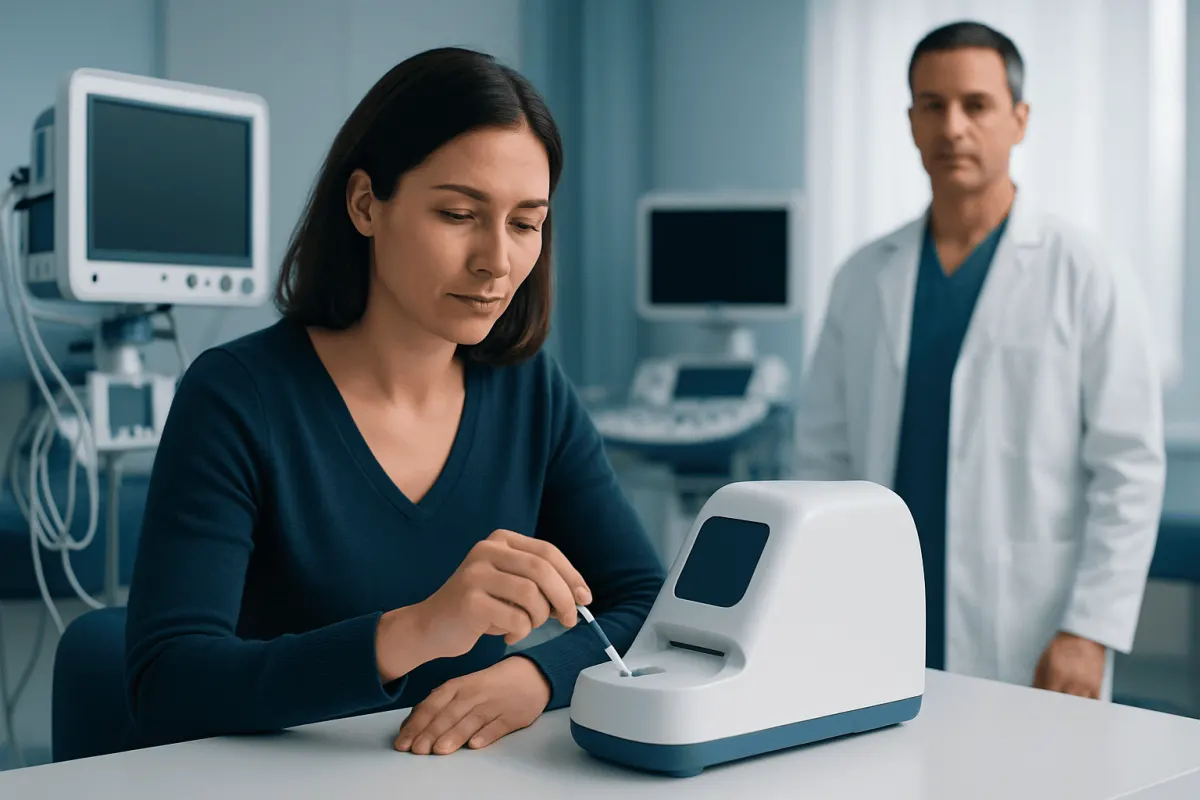
Is there an at home test for yeast infection? Home kits can provide limited clues, usually by measuring vaginal pH, but they cannot reliably diagnose a yeast infection or distinguish it from all other causes of itching, discharge, or burning. A clinician’s assessment and, when needed, a vaginal swab remain the most dependable way to confirm the cause of symptoms.
Overview: what home tests can and cannot tell you
Is there an at home test for yeast infection? There are home test kits marketed for vaginal symptoms, but most do not directly identify Candida, the yeast most often involved. Instead, they measure vaginal pH, which can offer a clue about whether symptoms may be linked to a yeast infection or another vaginal condition.
Vaginal yeast infections often occur when the vaginal pH remains in the usual acidic range. In contrast, bacterial vaginosis (BV) and trichomoniasis commonly raise pH. This means a normal pH result may be consistent with a yeast infection, but it cannot prove one. An elevated pH makes yeast less likely, yet does not identify the exact cause.
Symptoms alone are also not enough for a reliable diagnosis. Itching, irritation, discharge, burning, and discomfort with urination can overlap with several conditions. A clinician can review symptoms, examine the area when appropriate, and test a sample of discharge to guide treatment safely.
Can you confirm a yeast infection at home?
Can you confirm a yeast infection at home? No home test can confirm every yeast infection with the same certainty as a clinical evaluation. A pH self-test may be useful as a screening clue, particularly for people who have had medically diagnosed yeast infections before and recognize familiar symptoms, but it should not be treated as a definitive result.
Some products are described as an at home yeast infection test kit or a self test for yeast infection. Their instructions and capabilities vary. A kit that only measures pH cannot distinguish yeast from normal vaginal acidity, allergic irritation, some skin conditions, or certain sexually transmitted infections. A positive or negative result should therefore be considered alongside symptoms and personal health history.
People who are pregnant, have diabetes, have a weakened immune system, are experiencing symptoms for the first time, or have frequent episodes should seek professional advice rather than relying on self-testing. Testing may include microscopy, a vaginal swab, culture, or molecular testing, depending on the situation.
What are three signs of yeast infection?

What are three signs of yeast infection? Common signs include intense vaginal or vulvar itching, thick white discharge that may be described as clumpy or cottage-cheese-like, and redness or swelling around the vulva. Burning, soreness, and discomfort during sex or when urine touches irritated skin can also occur.
Not everyone has the same pattern. Discharge may be minimal, and symptoms can range from mild irritation to substantial discomfort. A typical yeast infection usually does not cause a strong fish-like odor. However, smell alone cannot diagnose or exclude any condition.
Symptoms affecting the penis are less common but can occur, particularly in people with diabetes or after contact with a partner who has a yeast infection. Redness, itching, burning, or a rash on the head of the penis or beneath the foreskin may be present. There is no widely reliable at home yeast infection test for men; a healthcare professional can assess persistent genital symptoms and rule out other causes.
What gets mistaken for a yeast infection?
What gets mistaken for a yeast infection? Bacterial vaginosis is a frequent possibility. BV may cause thin white, gray, or watery discharge and a noticeable fish-like odor, particularly after sex. Unlike a typical yeast infection, BV often causes less intense itching, although symptoms can overlap. This is why people asking whether there is an at home test for yeast infection or BV should know that pH testing may suggest a difference but cannot diagnose either condition on its own.
Sexually transmitted infections, including trichomoniasis, chlamydia, gonorrhea, and genital herpes, can also cause irritation, discharge, pain, sores, or burning with urination. Contact dermatitis from scented products, pads, detergents, lubricants, or tight clothing may produce itching and redness without an infection. Vaginal dryness related to hormonal changes and inflammatory skin conditions can cause similar discomfort.
Urinary tract infections are another common source of confusion. A UTI more often causes burning felt inside during urination, frequent urges to urinate, and lower abdominal discomfort, rather than vaginal itching or unusual discharge. For people wondering whether there is an at home test for UTI or yeast infection, urine dipstick tests can provide limited information about a UTI, but they do not diagnose yeast infection. Persistent symptoms need a medical assessment because the treatments are different.
When symptoms do not fit a familiar, previously diagnosed pattern, it is best not to assume yeast is the cause. Using antifungal products repeatedly when another condition is present can delay accurate diagnosis and appropriate care.
How yeast infections are diagnosed and treated
A healthcare professional may diagnose a straightforward yeast infection based on symptoms and an examination, but testing is especially useful when symptoms are new, severe, recurring, or do not improve with initial treatment. A sample of vaginal discharge may be checked under a microscope or sent for laboratory testing to identify yeast and rule out other infections.
For uncomplicated vaginal yeast infections, antifungal medicines are commonly used as creams, suppositories, or oral medicines prescribed by a clinician. The most suitable option depends on the person’s symptoms, medical history, pregnancy status, other medicines, and the specific organism involved. Treatment should be selected with professional guidance when there is uncertainty about the diagnosis.
Some people develop recurrent yeast infections, often defined clinically as repeated confirmed episodes over time. These may need testing to identify the Candida species and a longer, individualized treatment plan. Other health issues, including poorly controlled diabetes or medications that affect immunity, may also need attention.
Acıbadem Health Point’s multidisciplinary specialists and JCI-accredited hospitals assess vaginal and genital symptoms for international patients and can arrange appropriate testing and treatment when needed.
What kills a yeast infection quickly?
What kills a yeast infection quickly? An appropriate antifungal medicine is the treatment that targets a confirmed yeast infection. Relief can begin within a few days for many uncomplicated cases, but timing varies by the treatment used, symptom severity, and whether yeast is truly the cause. It is important to complete treatment as directed, even if symptoms improve sooner.
Over-the-counter antifungal products may be appropriate for some adults who have had a healthcare professional confirm similar yeast infections in the past and have no warning signs. They are not a good substitute for evaluation when symptoms are new, recurrent, severe, associated with pelvic pain or fever, or accompanied by sores, bleeding, or a strong odor.
Home remedies such as inserting yogurt, garlic, essential oils, or other non-medical products into the vagina are not proven treatments and may worsen irritation or disrupt the vaginal environment. Gentle external hygiene, avoiding fragranced products, and wearing breathable underwear can support comfort, but they do not replace antifungal treatment when an infection is present.
When to seek medical care
Medical care is recommended for a first episode of vaginal symptoms, symptoms that are different from past episodes, or symptoms that do not improve after an appropriate course of treatment. A clinician should also be consulted if symptoms return soon after treatment or recur repeatedly over several months.
Prompt assessment is important for fever, pelvic or lower abdominal pain, nausea or vomiting, genital sores or blisters, abnormal bleeding, a strong odor, or pain with urination that may indicate a urinary infection. These features are not typical of a simple yeast infection and may require different testing and care.
Pregnant people and those with diabetes, immune suppression, or a history of sexually transmitted infections should seek advice before self-treating vaginal symptoms. Sexual partners do not usually need treatment for uncomplicated vaginal yeast infection unless they have symptoms, but a clinician can provide individualized advice.
Frequently asked questions
01Are at home yeast infection tests accurate?
Most home kits assess vaginal pH, not the presence of yeast itself. They can provide a useful clue but are not accurate enough to confirm all yeast infections or rule out other causes of symptoms. Clinical testing is more reliable when symptoms are new, severe, recurrent, or unclear.
02Can a vaginal pH test diagnose bacterial vaginosis or yeast infection?
A pH test cannot diagnose either condition by itself. An elevated pH can be associated with BV or trichomoniasis, while a normal pH may occur with yeast infection. Other infections and noninfectious conditions can still be present, so results need to be interpreted with symptoms and, when needed, medical testing.
03Can an at-home test tell the difference between a UTI and a yeast infection?
Urine dipstick tests may detect findings that can occur with a UTI, while vaginal pH kits assess the vaginal environment. Neither type of test can reliably distinguish every cause of burning or discomfort. A healthcare professional can arrange urine and vaginal testing if symptoms overlap.
04Should someone use over-the-counter yeast treatment before testing?
People with a previously confirmed yeast infection and identical mild symptoms may choose an over-the-counter antifungal product if they have no warning signs. However, first-time symptoms, pregnancy, recurrent episodes, severe discomfort, or lack of improvement should be assessed before further self-treatment. Antifungal treatment can make later testing less informative if used unnecessarily.
05Can men get yeast infections, and can they test at home?
Men can develop yeast-related irritation of the penis, although many genital symptoms have other causes. There is no standard, reliable home test designed to confirm a yeast infection in men. Persistent redness, itching, rash, pain, discharge, or sores should be evaluated by a healthcare professional.
06How can yeast infections be prevented?
Risk may be reduced by avoiding unnecessary antibiotics, changing out of wet clothing promptly, choosing breathable underwear, and avoiding fragranced genital products that can irritate sensitive skin. Good diabetes management can also be important for people with diabetes. Prevention is not always possible, and recurrent symptoms should be medically evaluated rather than repeatedly self-treated.
This article is for general information only and is not a substitute for professional medical advice. Please consult a qualified doctor about your individual situation.
Explore treatments in Turkey — costs, top hospitals & a free quote
JCI-accredited · board-certified surgeons · reply within 24h
Add us as a Preferred Source to see more of our trusted health content across Google Search, AI Overviews and Discover.