Herpes in the Underarm: Symptoms and Treatment
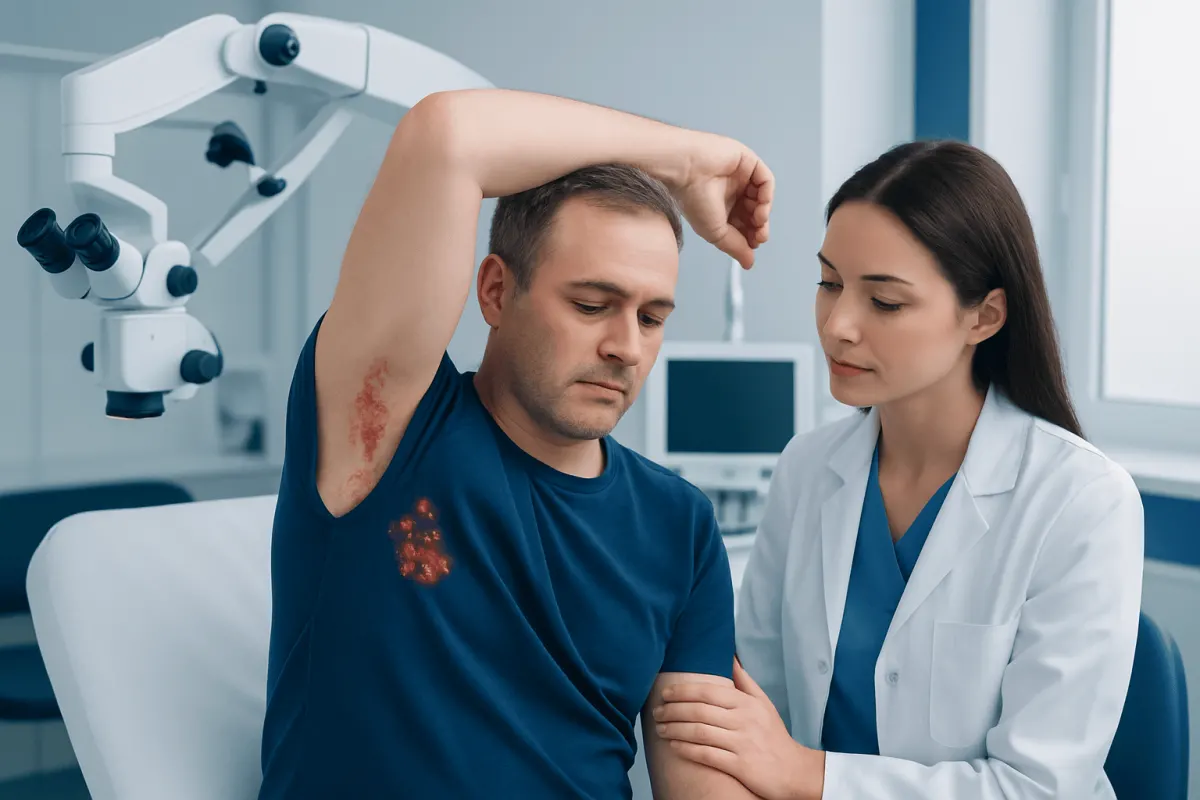
Herpes in underarm may describe a blistering, painful rash caused by herpes zoster (shingles) or, less commonly, herpes simplex virus. Because several non-herpes skin conditions can look similar, a clinician can help confirm the cause and advise appropriate treatment.
Overview: Can Herpes Affect the Underarm?
Herpes in underarm can occur, although it is not the most common location for herpes-related rashes. The term may refer to either herpes zoster, also called shingles, or herpes simplex virus infection. Shingles is often the more likely explanation when a person develops burning pain followed by grouped blisters on one side of the chest, upper back, shoulder, or underarm.
Herpes simplex virus (HSV) more often causes sores around the mouth or genitals, but it can infect other skin sites. In the underarm, it may appear as small, closely grouped painful blisters that later crust over. A physical examination and, when needed, a swab test from a fresh blister can help distinguish HSV from shingles and from non-herpes causes of an underarm rash.
Many conditions can cause red, itchy, tender, or blistered skin in this area. Friction, shaving, deodorant reactions, bacterial folliculitis, fungal infections, and inflammatory skin disorders may resemble herpes. For this reason, it is best not to self-diagnose based on appearance alone.
What an Underarm Herpes Rash May Feel and Look Like
Symptoms depend on the virus involved and the individual. With shingles, unusual sensitivity, tingling, itching, burning, or sharp pain may begin before visible skin changes. Within several days, a band or cluster of fluid-filled blisters can develop, usually on one side of the body and often following a strip-like path along a nerve. The underarm may be involved alone or together with the upper chest, back, or upper arm.
HSV-related lesions often begin with local tingling, itching, or soreness. Small blisters may then appear in a cluster, break open, and form shallow sores or crusts. A first episode can be more uncomfortable than later recurrences. Nearby lymph nodes, including those in the armpit, may become tender or enlarged while the body responds to an infection.
Some features point away from herpes. A rash that is mainly itchy in both armpits after a new antiperspirant may be contact dermatitis. Pus-filled bumps centered on hair follicles may suggest folliculitis. A clinician should assess any rash that is persistent, worsening, painful, blistering, or difficult to identify.
- Burning, tingling, pain, or tenderness before blisters
- Clusters of clear fluid-filled blisters that may crust as they heal
- A rash limited mainly to one side, especially with shingles
- Swollen or tender nearby lymph nodes, sometimes with tiredness or mild fever
Why Herpes Can Develop in the Underarm

Shingles develops when varicella-zoster virus becomes active again after remaining inactive in the body following chickenpox. It does not mean that a person has recently caught chickenpox. The virus can reactivate along a nerve pathway, producing a rash in the related area of skin. Age, a weakened immune system, certain medicines or illnesses, and periods of physical or emotional stress may increase the chance of reactivation, although shingles can occur in otherwise healthy adults.
HSV is spread through direct contact with infectious skin, sores, or body fluids. It may occasionally affect the underarm through close skin-to-skin contact, contact during sport, or transfer from an active sore elsewhere on the body. Transmission is most likely when blisters or sores are present, but HSV can sometimes be passed on when skin looks normal.
Neither shingles nor HSV should be assumed from an underarm rash without assessment. Shingles blisters contain virus and can transmit varicella-zoster virus to a person who is not immune to chickenpox, causing chickenpox rather than shingles. Keeping the rash covered and avoiding direct contact with vulnerable people helps reduce this risk.
How Clinicians Diagnose the Cause
A doctor will usually begin by asking about the timing of symptoms, pain or itching, prior chickenpox or shingles, recent contacts, medications, immune health, and previous similar outbreaks. The pattern and location of the rash can offer useful clues. Shingles often follows a one-sided nerve distribution, while HSV may recur in the same general area.
If the diagnosis is uncertain, a clinician may collect a swab from a new blister or sore for laboratory testing. Polymerase chain reaction (PCR) testing can identify viral material and distinguish HSV from varicella-zoster virus. Testing is most useful before lesions have fully dried or crusted.
Additional tests are not always necessary. However, clinicians may consider other causes if a rash does not heal as expected, recurs often, is unusually extensive, or occurs with signs of reduced immunity. Accurate diagnosis matters because the treatment, infection-control advice, and follow-up can differ between herpes infections and other skin conditions.
Treatment Options and Comfort Measures
Antiviral medicines may be recommended for shingles or HSV. They work best when started early, ideally soon after the rash or symptoms begin, so prompt contact with a clinician is worthwhile. The specific medicine and duration depend on the diagnosis, timing, severity, general health, pregnancy status, and whether the person has an immune condition or takes immune-suppressing treatment.
For shingles, treatment may help reduce the duration and severity of the episode and may lower the risk of ongoing nerve pain in some people. For HSV, antiviral treatment can shorten an outbreak; people with frequent recurrences may discuss episodic or suppressive treatment with a doctor. General information on herpes infections can help patients understand the different virus types and patterns of illness.
Comfort measures include keeping the area clean and dry, wearing loose breathable clothing, and using cool compresses if soothing. Non-prescription pain relief may be suitable for some people, but a pharmacist or clinician can advise on options that fit an individual’s health history. Blisters should not be picked, squeezed, or shaved over, as this can irritate the skin and increase the chance of secondary infection.
Until lesions have healed, avoid direct skin contact between the rash and other people. Do not share towels, razors, clothing, or deodorant products that touch the affected skin. Wash hands after touching the area, and keep the rash covered with a clean, non-stick dressing if practical.
Prevention and Everyday Self-Care
Good hand hygiene and avoiding direct contact with active sores are practical ways to reduce HSV transmission. Someone with a suspected HSV rash should avoid touching the lesions and then touching their eyes, mouth, genitals, or another person’s skin without washing their hands. If recurrent outbreaks occur, identifying personal triggers such as skin irritation, illness, or stress may be useful, though triggers vary between individuals.
For shingles prevention, vaccination may be recommended for eligible adults according to national immunization guidance. Eligibility varies by country, age, and health status, so a doctor or local immunization service can provide current advice. Vaccination does not treat an active rash, but it can help reduce the likelihood of future shingles and related complications in appropriate groups.
Underarm skin is prone to heat, moisture, rubbing, and irritation. During healing, gentle cleansing, thorough patting dry, and loose clothing can limit discomfort. It may be sensible to pause shaving and avoid fragranced deodorants or new topical products until the cause of the rash is clear and the skin has recovered.
When to Seek Medical Care
A person should arrange prompt medical care for a new painful, burning, or blistering rash in the underarm, especially if it appears on one side of the body. Early review is particularly important because antiviral treatment may be more helpful when started soon after symptoms begin. A clinician can also check for look-alike conditions that require different care.
Urgent assessment is needed if the rash involves the eye, face, or ear; spreads rapidly; is associated with high fever, severe headache, confusion, weakness, breathing difficulty, or severe pain; or shows signs of bacterial infection such as increasing redness, warmth, pus, or marked swelling. People who are pregnant, have a weakened immune system, are receiving chemotherapy or immune-suppressing medicines, or have extensive skin disease should seek advice without delay.
Acıbadem Health Point’s multidisciplinary specialists and JCI-accredited hospitals assess and treat skin infections and rashes for international patients. A healthcare professional can provide an individual diagnosis and treatment plan based on the person’s symptoms and medical history.
Frequently asked questions
01Is herpes in the underarm usually shingles?
A painful blistering rash in one underarm or along one side of the upper body may be shingles, particularly if burning or tingling started before the rash. However, HSV and several non-herpes skin conditions can produce similar symptoms. A clinician can confirm the likely cause, sometimes with a swab test.
02Can herpes simplex spread to the underarm?
Yes. HSV can occasionally infect skin outside the mouth or genital area through direct contact with infectious skin or sores. It may also be transferred from one body site to another by touching an active lesion and then another area, especially if there is broken or irritated skin.
03Is an underarm herpes rash contagious?
HSV can spread through direct contact with lesions and sometimes from skin without visible sores. Shingles can pass varicella-zoster virus through direct contact with blister fluid to people who are not immune, causing chickenpox rather than shingles. Covering the rash, washing hands, and avoiding direct contact until lesions crust and heal can reduce risk.
04How long does herpes in the underarm last?
The duration varies with the cause, treatment timing, and a person’s immune health. Shingles commonly evolves over a few weeks, while HSV sores often heal within days to a few weeks. Persistent, worsening, or recurrent rashes should be reviewed by a healthcare professional.
05Can deodorant cause a rash that looks like herpes?
Yes. Deodorants, antiperspirants, fragrances, shaving products, and friction can cause underarm irritation or allergic contact dermatitis. These rashes are often itchy, may occur on both sides, and may follow use of a new product, but they can still need medical assessment if blistering or painful.
06Should a person pop underarm blisters?
No. Popping blisters can delay healing, increase discomfort, and raise the risk of bacterial infection or viral spread to another site. The area should be kept clean, dry, and protected from friction while a clinician advises on treatment.
This article is for general information only and is not a substitute for professional medical advice. Please consult a qualified doctor about your individual situation.
Joint and spine care in Turkey — expert assessment & treatment
JCI-accredited · board-certified surgeons · reply within 24h
Add us as a Preferred Source to see more of our trusted health content across Google Search, AI Overviews and Discover.