Ureter Stent: Keeping Urine Flowing During Healing

A ureter stent is a soft, flexible tube placed inside the ureter to help urine drain from the kidney into the bladder. It is commonly used after stone treatment or when swelling, a stone, or another blockage could interfere with urine flow, and most people recover well with temporary urinary symptoms.
Overview: What Is a Ureter Stent?
A ureter stent is a thin, hollow, flexible tube placed inside a ureter, the passage that carries urine from a kidney to the bladder. It keeps this pathway open so urine can drain normally. Most stents have a soft curl at each end, with one curl sitting in the kidney and the other in the bladder, helping prevent the tube from moving out of position.
Ureter stents are commonly used when a kidney stone, swelling after a procedure, narrowing of the ureter, infection with obstruction, or pressure from another condition affects urine drainage. They may be placed before or after treatment for kidney stones, including endoscopic stone removal. A stent may stay in place for a few days, weeks or longer depending on the clinical reason.
Although the term “stent” can sound serious, a ureter stent is usually a temporary supportive device rather than a treatment for the underlying cause on its own. Its main purpose is to protect kidney drainage while the ureter heals or while a doctor plans further treatment.
Why a Ureter Stent May Be Needed
A urologist may recommend a ureter stent when urine cannot pass freely from the kidney to the bladder. A blocked ureter can cause pressure to build within the kidney, which may lead to pain and can be especially important to address when infection is present. Restoring drainage can help relieve obstruction and protect kidney function.
One common setting is after ureteroscopy, an endoscopic procedure used to assess or treat stones and other ureter problems. During this procedure, instruments pass through the natural urinary passage to reach the ureter or kidney. A stent can reduce the risk that temporary swelling or small stone fragments will block urine flow afterward.
Other possible reasons include narrowing from scar tissue, injury to the ureter, tumors pressing on the urinary tract, or pregnancy-related obstruction in selected situations. The decision to use a stent is individualized. Not every person undergoing ureteroscopy or stone treatment requires one.
- Relief of an obstructed ureter caused by a stone
- Support after ureteroscopy or other urinary tract procedures
- Temporary drainage when infection and obstruction occur together
- Management of ureter narrowing or external pressure on the ureter
Placement, Removal and What to Expect

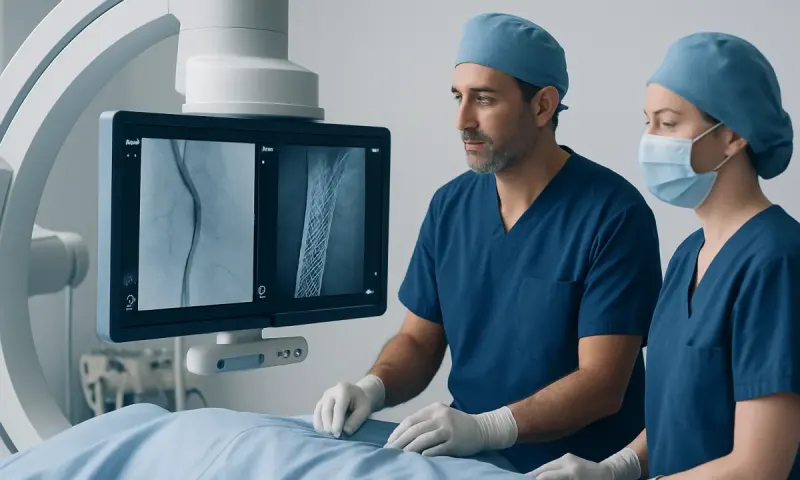
Ureter stent placement is usually performed by a urologist using cystoscopy, where a slim camera is passed through the urethra into the bladder. The stent is then guided into the ureter, often with X-ray imaging or other guidance. The procedure is commonly done with anesthesia or sedation, depending on the situation and whether another procedure is being performed at the same time.
Some stents have a small string that remains outside the body. In appropriate cases, this allows removal by gently pulling the string as instructed by the clinical team. Other stents are removed during a short office cystoscopy. Removal is generally quick, though there can be brief discomfort, urgency or burning afterward.
It is important to know the planned removal or exchange date before leaving care. A ureter stent should not be forgotten or left in longer than advised because mineral deposits, infection, blockage and difficult removal can become more likely over time. Patients should contact their urology team if they are uncertain about their stent plan.
Ureter Stent Recovery: Symptoms, Activity and Self-Care
Ureter Coronary Stent Recovery: Driving, Exercise, Travel, and Follow-Up" class="ahp-ilk">stent recovery differs from person to person. Some people notice only mild urinary changes, while others have more bothersome symptoms. Common effects include a frequent need to urinate, urgency, a sense of bladder pressure, pink-tinged urine, discomfort at the end of urination, and ache in the lower abdomen, groin or flank. Symptoms may become more noticeable with exercise, walking or a full bladder.
After ureteroscopy, the ureteroscopy stent recovery time also reflects healing from the stone procedure itself. Rest is often helpful for the first day or two, followed by a gradual return to regular activities as comfort permits. The treating team may recommend short-term pain relief, medicines to reduce bladder symptoms, or other individualized measures. People should take only medicines recommended for them and follow any instructions about existing medical conditions.
Drinking adequate fluids, unless a doctor has advised fluid restriction, can help keep urine flowing and may reduce clotting or concentrated urine irritation. Light activity is generally reasonable once a person feels able, but strenuous exercise may increase discomfort or visible blood in the urine. Planning quieter activities and easy access to a bathroom can make the first days more manageable.
Results are assessed by symptom improvement, urine drainage and follow-up imaging or testing when needed. For stone-related obstruction, successful care may include resolution of blockage, clearance of the stone or preparation for later stone treatment. A stent does not prevent all discomfort, but it can play an important protective role during recovery.
How long does it take to heal after an ureteral stent?
Healing after an ureteral stent depends mainly on why it was placed. If it follows an uncomplicated ureteroscopy, many people feel substantially better within several days after the stent is removed, although mild urinary irritation can last a little longer. The overall ureteral stent surgery recovery time may be longer when there was infection, significant obstruction, a larger stone burden, ureter injury or another underlying condition.
While the stent remains in place, it can continue to cause pressure, urgency or intermittent discomfort even when healing is progressing normally. This means the ureteral stent recovery time is not always the same as the time spent feeling completely symptom-free. The urologist can give the most relevant estimate based on the procedure, imaging findings and the planned duration of the stent.
After removal, many people can return to usual daily routines quickly. It is still sensible to allow time for rest, hydration and observation for symptoms. If pain, fever, urinary difficulty or marked blood in the urine develops after removal, medical advice should be sought rather than assuming it is routine recovery.
Why is a ureteral stent so painful?
A ureteral stent can be painful because it touches sensitive areas in both the kidney and bladder. The bladder-end curl may irritate the bladder lining and create urgency, frequency and pressure. When the bladder squeezes during urination, urine can briefly move backward toward the kidney along the stent, which may cause flank pain or a cramping sensation.
Discomfort can also come from inflammation related to the original stone, infection or procedure. Physical activity may move the stent slightly within the urinary tract and make symptoms more noticeable. Pain levels vary widely; significant symptoms do not necessarily mean the stent is misplaced, but they should be discussed with the care team if they are difficult to manage.
A doctor may check for infection, stent position or other causes if symptoms are severe, new or worsening. Patients should not attempt to adjust or remove a stent themselves unless they have specifically been instructed to remove a stringed stent and understand exactly how and when to do so.
How long will it hurt to pee after getting a stent?
Burning or discomfort when urinating is common for the first few days after stent placement, especially if cystoscopy or ureteroscopy was performed at the same time. For some people, discomfort continues intermittently throughout the period the stent is in place because the bladder remains irritated by the lower end of the tube.
After a stent is removed, burning often settles within a day or two, though mild symptoms may last several days. The ureter stent removal recovery time can be affected by the length of time the stent was in place, recent procedures and individual sensitivity. Drinking fluids as advised may help, but it is important not to dismiss symptoms that could indicate infection.
Burning that is worsening rather than improving, occurs with fever or chills, is accompanied by cloudy or foul-smelling urine, or comes with difficulty passing urine should be assessed promptly. The treating team may recommend a urine test or other evaluation to determine whether treatment is needed.
Is a ureteral stent a big deal? When to Seek Medical Care
A ureteral stent is a common urology device and is often placed through a minimally invasive procedure, so it is not usually considered major surgery by itself. However, it is important because it is used to maintain kidney drainage and because it requires follow-up. The underlying reason for the stent, such as a stone, infection or narrowing, may be more clinically significant than the stent procedure itself.
People should follow their discharge instructions and contact their care team for symptoms that are persistent or hard to control. Urgent medical care is appropriate for fever or chills, severe or rapidly worsening flank or abdominal pain, inability to urinate, vomiting that prevents fluid intake, large blood clots in urine, or heavy bleeding. These symptoms can indicate infection, obstruction or another issue requiring prompt assessment.
For planned care, Acıbadem Health Point’s multidisciplinary specialists and JCI-accredited hospitals diagnose and treat urinary tract conditions for international patients, including evaluation and procedures such as ureteroscopy. Clear communication about stent removal timing, expected symptoms and follow-up is an essential part of safe recovery.
Frequently asked questions
01Can a person work with a ureter stent in place?
Many people can return to desk work and usual light activities soon after placement, depending on their comfort and the procedure performed. Jobs involving heavy lifting, prolonged physical exertion or limited bathroom access may be more difficult while symptoms are active. A urology team can provide individualized activity advice.
02How long does a ureter stent usually stay in?
The planned duration varies from a few days to several weeks, and sometimes longer when ongoing drainage is necessary. The exact schedule depends on the cause of obstruction and the treatment plan. Patients should confirm the removal or exchange date and keep all follow-up appointments.
03Is blood in the urine normal with a ureter stent?
A small amount of pink or light red urine can occur after placement, after activity or following stent removal. It often improves with rest and fluids if these are appropriate for the person. Heavy bleeding, clots, worsening blood in the urine or symptoms such as fever should be reported promptly.
04Can a ureter stent move out of place?
Stent movement is uncommon because the curled ends are designed to hold it in position. A stent string can occasionally shift or be accidentally pulled, so it should be handled carefully. New severe pain, visible stent material or concerns about the string should be discussed with the urology team.
05What should be avoided with a ureter stent?
The care team may advise avoiding strenuous activities temporarily if they worsen pain or bleeding. People should not pull on a stent string or attempt removal unless specifically instructed. It is also important not to postpone scheduled removal or exchange.
06Does stent removal hurt?
Removal can cause brief discomfort, pressure or burning, but it is usually a short procedure. Some people experience urinary urgency, cramps or mild blood in the urine afterward. Symptoms generally improve quickly, but persistent or severe symptoms should be medically assessed.
This article is for general information only and is not a substitute for professional medical advice. Please consult a qualified doctor about your individual situation.
Heart care in Turkey — expert evaluation and treatment
JCI-accredited · board-certified surgeons · reply within 24h
Add us as a Preferred Source to see more of our trusted health content across Google Search, AI Overviews and Discover.