Stent Placement: What Recovery May Involve
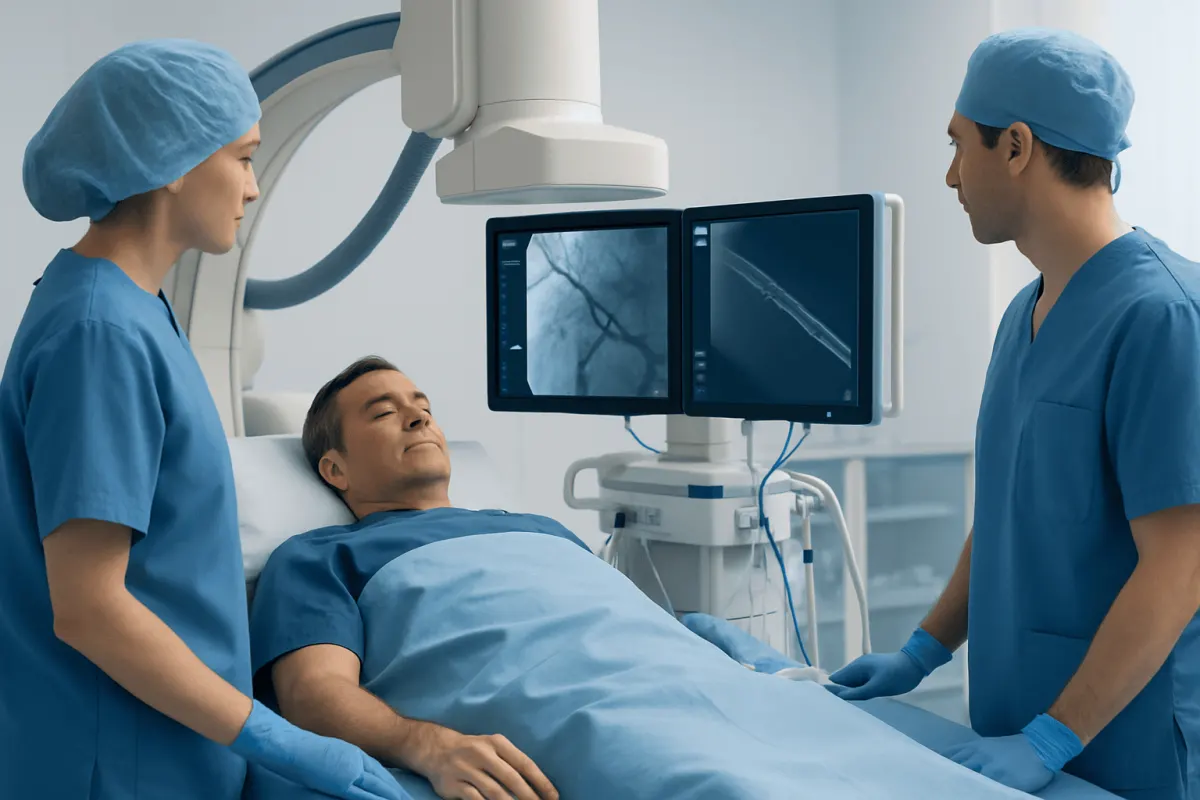
Stent placement is a minimally invasive procedure that uses a small expandable tube to keep a narrowed blood vessel or body passage open. Most people recover quickly after a planned procedure, but the exact recovery period, restrictions and long-term results depend on where the stent is placed and the condition being treated.
Overview: what is stent placement?
Stent placement is a procedure in which a clinician places a small tube, usually made of metal mesh, inside a narrowed blood vessel or another body passage. The stent expands to support the area and help restore normal flow. In the heart, a stent is most often used to improve blood flow through a coronary artery narrowed by plaque.
For coronary artery disease, stent placement is commonly performed with balloon angioplasty, also called percutaneous coronary intervention (PCI). A thin flexible tube called a catheter is guided through an artery, usually from the wrist or groin, to the narrowed heart artery. A small balloon opens the narrowed area, and the stent is expanded there to help keep it open.
Stents are also used in selected cases involving arteries outside the heart, bile ducts, airways, ureters and the digestive tract. This article focuses mainly on coronary stent placement because recovery advice and medication needs can differ substantially by stent location. A cardiology team can explain whether a procedure is appropriate for coronary artery disease or another condition.
Why a stent may be recommended
A heart stent may be recommended when a coronary artery narrowing is causing symptoms such as exertional chest pressure, breathlessness or reduced exercise tolerance despite appropriate medical care. It is also often used urgently during a heart attack, when rapidly restoring blood flow can limit heart muscle damage.
Before a planned procedure, clinicians consider symptoms, heart tests, the location and severity of narrowing, overall health and the expected benefit of treatment. In some situations, medicines and lifestyle changes may be the preferred first approach. In others, bypass surgery may be more suitable, especially when several major arteries have complex disease.
Most modern coronary stents release medication slowly to reduce the chance that tissue will grow back and narrow the treated segment. These are called drug-eluting stents. Even with a successful procedure, a stent treats one narrowed area; it does not remove the underlying tendency for plaque to develop elsewhere in the arteries.
- Planned stent placement may help relieve angina and improve daily activity.
- Emergency stent placement can be lifesaving during certain heart attacks.
- Long-term heart protection still relies on medicines, smoking cessation, activity, nutrition and management of blood pressure, cholesterol and diabetes.
What happens during stent placement?

Stent placement is usually performed in a catheterization laboratory by an interventional cardiology team. The person is awake but receives local anesthetic at the catheter entry site and may receive medicine to relax. The procedure is generally not the same as open-heart surgery.
After the skin is cleaned and numbed, the clinician inserts a small sheath into an artery in the wrist or groin. Contrast dye and X-ray imaging help guide the catheter to the coronary arteries. A very thin guidewire crosses the narrowing, and a balloon-mounted stent is positioned and expanded. The balloon is then removed, while the stent remains in place.
The procedure length varies with the number and complexity of narrowed arteries. People may feel brief warmth from contrast dye or pressure at the access site, but significant pain should be reported to the team. The care team monitors heart rhythm, blood pressure and symptoms throughout the procedure and afterward.
Potential complications are uncommon but can include bleeding or bruising at the access site, contrast-related kidney problems, abnormal heart rhythm, artery injury, allergic reaction, heart attack, stroke or a blood clot in the stent. Individual risk is influenced by whether the procedure is emergency or planned and by conditions such as kidney disease, diabetes and bleeding disorders.
Stent placement recovery: what to expect
Stent placement recovery often begins with several hours of observation. Nurses check the catheter site, blood pressure, pulse and heart rhythm. Some people leave hospital later the same day after an uncomplicated planned procedure, while others stay overnight or longer, particularly after a heart attack or a more complex intervention.
The stent placement recovery time is often shorter when the wrist is used for access, because people can usually sit up and walk sooner. Mild tenderness, bruising or a small lump at the wrist or groin can occur. Tiredness for a few days is also common, especially after an emergency procedure or if symptoms had limited activity beforehand.
Before discharge, the team explains medicines, wound care, activity limits and follow-up. A prescription for antiplatelet medication is common after coronary stenting. These medicines reduce the risk of a dangerous clot forming in the stent, so they should never be stopped, skipped or changed without the prescribing clinician’s advice.
Cardiac rehabilitation may be recommended after a heart attack or coronary intervention. This supervised program supports a gradual return to activity and provides education on exercise, nutrition, medicines and emotional recovery. It is an important part of stent placement surgery recovery, even though the procedure itself is catheter-based rather than open surgery.
How many days bed rest after stent?
Most people do not need days of bed rest after a coronary stent. After wrist access, brief rest is usually followed by walking the same day when the care team confirms it is safe. After groin access, lying flat for several hours may be necessary to reduce bleeding risk before getting up.
At home, gentle movement is generally encouraged unless the treating team gives different instructions. Resting when tired is sensible, but prolonged bed rest may delay a return to usual mobility. The appropriate activity plan depends on the access site, whether the procedure was planned or performed during a heart attack, and other health conditions.
For the first few days, people are often advised to avoid strenuous exercise, heavy lifting and repeated bending at the access site. Exact restrictions vary, so discharge instructions should take priority over general guidance. Anyone with increasing swelling, bleeding, numbness, coolness or severe pain in the arm or leg used for access should seek urgent medical advice.
What should you not do after having a stent put in?
After a coronary stent, people should not stop antiplatelet medicines unless a cardiologist specifically instructs them to do so. This is especially important during the early months after placement, when stopping treatment can raise the risk of a clot within the stent. A dentist, surgeon or other clinician should be told about the stent and all current medicines before any procedure is planned.
For a short period, people should avoid heavy lifting, strenuous exercise and activities that could strain or injure the wrist or groin access site. Driving restrictions vary by local regulations, the reason for the procedure and the person’s recovery, so the treating team should advise when driving is safe. Alcohol, smoking and recreational drugs can interfere with recovery or heart health and should be discussed with a clinician.
It is also important not to assume that symptom improvement means follow-up is no longer needed. Taking cholesterol-lowering and blood pressure medicines as prescribed, attending reviews, and participating in cardiac rehabilitation where available can lower future cardiovascular risk. A heart-healthy eating pattern, regular gradual activity and avoiding tobacco support the benefit of treatment.
Do you feel better after a heart stent?
Many people feel better after a heart stent, particularly if the treated narrowing was causing angina. Chest pressure, shortness of breath during exertion and limits on physical activity may improve as blood flow increases. Improvement may be noticed quickly, although recovery of energy can take longer after a heart attack.
Results vary. A stent may not relieve symptoms if they are caused by another heart problem, lung condition, anemia or narrowing in arteries that were not treated. Some people have no symptoms before the procedure, particularly when a stent is placed during an emergency, so they may not notice a major symptom change afterward.
New or returning chest discomfort should not be ignored. It does not always mean the stent has narrowed, but it requires medical assessment, particularly if it occurs at rest, becomes more severe, spreads to the arm, jaw or back, or comes with sweating, nausea or breathlessness. Ongoing preventive care remains essential because coronary artery disease can progress in other vessels.
How serious is having a stent put in? When to seek medical care
Having a stent put in is a significant medical procedure, but coronary stenting is well-established and is commonly performed using minimally invasive catheter techniques. For many people, especially those having a planned uncomplicated procedure, recovery is straightforward. The seriousness depends on why it is needed: emergency stenting for a heart attack reflects a more urgent situation than a planned procedure for stable symptoms.
Following discharge, urgent assessment is needed for chest pain that is new, severe, persistent or similar to prior heart symptoms; severe shortness of breath; fainting; palpitations with dizziness; or signs of stroke such as facial drooping, arm weakness or speech difficulty. Emergency services should be contacted rather than driving oneself if symptoms suggest a heart attack or stroke.
Promptly contact the treating team for bleeding that does not stop with firm pressure, rapidly enlarging swelling, increasing redness or drainage at the catheter site, fever, or a cold, pale, numb or painful limb. For planned care, Acıbadem Health Point’s multidisciplinary specialists and JCI-accredited hospitals can assess and treat patients requiring coronary interventions, with individualized follow-up planning for international patients.
Long-term results are supported by regular cardiology review and risk-factor management. These may include a tailored exercise plan, tobacco cessation support, nutrition guidance, diabetes care and treatment for high cholesterol or high blood pressure. The care team can also advise when cardiac rehabilitation is suitable after a coronary procedure.
Frequently asked questions
01How long does stent placement take?
A straightforward coronary stent procedure may take about an hour, though preparation and recovery monitoring take longer. It can take more time when several arteries are treated, anatomy is complex, or the procedure is performed during an emergency. The cardiology team can provide a more individualized estimate.
02Is stent placement painful?
The catheter entry site is numbed with local anesthetic, so people usually feel pressure rather than sharp pain. Some may feel brief discomfort when the balloon is inflated or warmth when contrast dye is injected. Any chest pain, severe discomfort or anxiety during the procedure should be reported immediately.
03How long does it take to recover from a heart stent?
Many people return to light daily activities within a few days after an uncomplicated planned coronary stent procedure. The full stent placement recovery period can be longer after a heart attack, a complex procedure or when other health conditions are present. The treating team should provide personalized advice about work, exercise and driving.
04Can a stent become blocked again?
A stent can rarely develop a blood clot or become narrowed again over time, although modern drug-eluting stents have reduced the risk of re-narrowing. Taking prescribed antiplatelet medicines is essential for preventing clots in the stent. Managing cholesterol, blood pressure, diabetes and smoking risk also helps protect the heart arteries.
05Can someone exercise after stent placement?
Gentle walking is often encouraged soon after recovery, provided the care team agrees and the access site is healing well. Strenuous exercise and heavy lifting are usually avoided for a short period, then reintroduced gradually. Cardiac rehabilitation can offer a structured and safer route back to exercise for many people.
06Will I need to take medication after a stent?
Most people need antiplatelet medication after a coronary stent, often alongside medicines for cholesterol, blood pressure or other heart risks. The exact combination and duration depend on the type of stent, the reason for treatment and individual bleeding risk. Medication should not be stopped without advice from the cardiologist.
This article is for general information only and is not a substitute for professional medical advice. Please consult a qualified doctor about your individual situation.
Heart care in Turkey — expert evaluation and treatment
JCI-accredited · board-certified surgeons · reply within 24h
Add us as a Preferred Source to see more of our trusted health content across Google Search, AI Overviews and Discover.