What Adenopathy Means and When Enlarged Nodes Need Evaluation
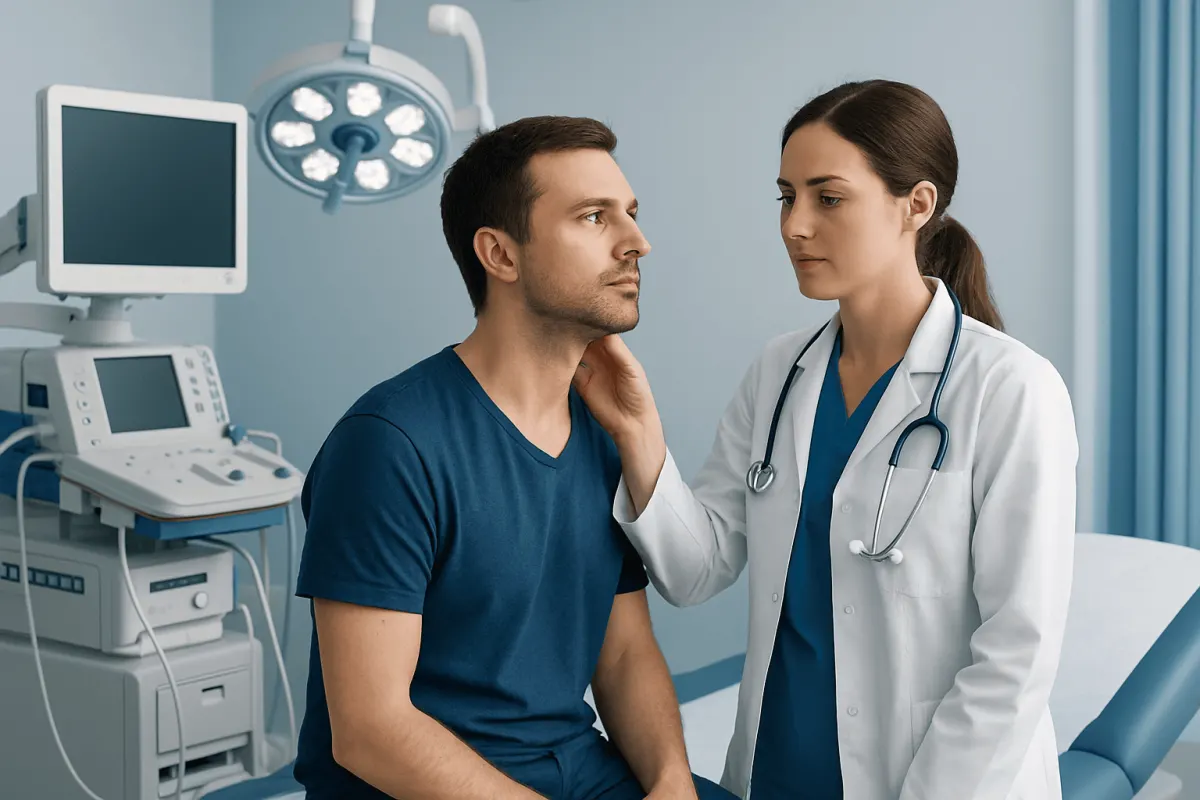
You feel a small lump in your neck while washing your face, and suddenly nothing else matters. Most of the time, that lump is a swollen lymph node — and the medical word for it is adenopathy.
It is often linked to infection or inflammation. But in some cases it can signal an autoimmune disorder, a medication reaction, or cancer. That is why the cause matters far more than the term itself.
What adenopathy means
Adenopathy is the medical term for enlarged lymph nodes. Lymph nodes are small, bean-shaped structures that are part of the immune system. They help filter lymph fluid and support the body in responding to infections, inflammation, and other health conditions.
When your doctor says adenopathy, they are not naming a disease. They are describing something they found. The real questions come next: why are the nodes enlarged, where are they, how long have they been there, and what else is going on with you?
Lymph nodes can become enlarged in one area, such as the neck, armpit, or groin, or in several areas at once. In many people, adenopathy is temporary and related to a common viral or bacterial infection. In others, it may require more detailed evaluation to rule out conditions such as autoimmune disease or lymphoma.
How lymph nodes work and where swelling can happen
Lymph nodes are part of a network that includes lymph vessels, the spleen, tonsils, and other immune tissues. They act like checkpoints, where immune cells can recognize germs, remove damaged material, and coordinate a response to threats. Because of this role, they often enlarge when the body is fighting something.
Swollen lymph nodes may appear in places that can be felt through the skin, including:
- Neck
- Under the jaw
- Behind the ears
- Armpits
- Above the collarbone
- Groin
Some lymph nodes are deeper in the chest or abdomen and cannot be felt during a routine self-check. These deeper nodes may be found on imaging tests if a person is being evaluated for fever, pain, infection, or another medical problem. The location often gives clues about the possible cause, because nearby tissues may be draining into that node group.
Symptoms that may occur with adenopathy
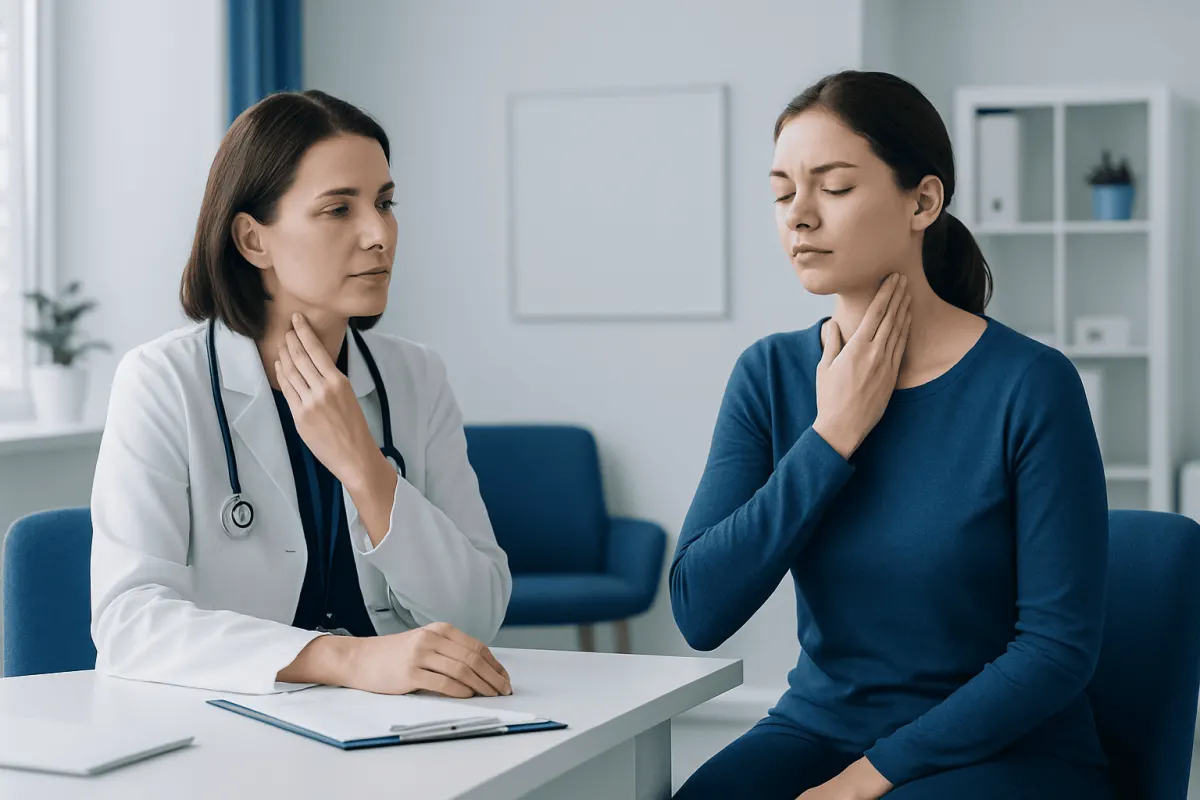
The most noticeable sign is a lump or swelling where a lymph node is located. Some enlarged nodes are tender or painful, especially when they are reacting to an infection. Others may feel firm, rubbery, or fixed in place. A doctor considers not only size, but also texture, mobility, and whether one node or several are involved.
Symptoms can vary depending on the cause. For example, a sore throat, runny nose, ear pain, or dental problem may accompany swollen nodes in the neck. Skin infections can lead to swelling in nearby nodes, and some viral illnesses can cause more widespread adenopathy with fatigue, body aches, or fever.
Additional symptoms that may need prompt attention include unexplained Turkey Neck After Weight Loss: Treatment Options" class="ahp-ilk">weight loss, night sweats, persistent fever, difficulty swallowing, shortness of breath, or swelling that continues to grow. These symptoms do not always mean a serious illness, but they do make medical assessment more important.
Common causes and risk factors
The most common causes of adenopathy are infections and inflammation. Viral infections such as colds, influenza, mononucleosis, and some childhood infections often cause temporary lymph node enlargement. Bacterial infections, including throat infections, tooth abscesses, skin infections, and tuberculosis, can also lead to swollen nodes. In some cases, fungal or parasitic infections are involved.
Inflammatory and autoimmune conditions can cause adenopathy as well. Examples include lupus, rheumatoid arthritis, and sarcoidosis. Certain medicines may trigger lymph node enlargement as part of a drug reaction. Less commonly, adenopathy may be associated with blood cancers or cancers that have spread to lymph nodes from another part of the body.
Doctors also consider personal risk factors, such as recent travel, animal exposure, sexual history, immune suppression, recent vaccination, and contact with someone who has an infectious illness. Age matters too: children often develop enlarged nodes from common infections, while persistent unexplained adenopathy in adults may need closer review.
Most people’s first thought is cancer. Usually it isn’t. Still, a node that persists, feels hard, doesn’t hurt, or keeps growing should be looked at — particularly above the collarbone, or alongside symptoms affecting your whole body.
How doctors diagnose adenopathy
Diagnosis begins with a careful medical history and physical examination. A doctor asks when the swelling started, whether it is painful, and if there are symptoms such as fever, sore throat, cough, rash, fatigue, or weight loss. The examination includes checking the size and location of the lymph nodes and looking for signs of infection or inflammation elsewhere in the body.
Blood tests may help identify infection, inflammation, or blood-related conditions. Depending on the situation, testing may include a complete blood count, inflammatory markers, viral studies, or tests for specific infections. If a local source is suspected, a dental, skin, or ear-nose-throat examination may also be important.
Imaging may be recommended when nodes are deep, persistent, unusually large, or difficult to assess on examination. Ultrasound is often useful for superficial nodes, while computed tomography or magnetic resonance imaging may be used in selected cases. Some patients may need MRI or PET-CT as part of a broader evaluation, particularly when doctors are investigating a possible tumor or widespread disease.
If the cause remains unclear, or if the node has concerning features, a biopsy may be advised. This involves removing part or all of the lymph node for laboratory analysis. Tissue testing can help distinguish between infection, inflammatory disease, leukemia, metastatic cancer, and other conditions.
Treatment options and what recovery depends on
Treatment for adenopathy depends on the underlying cause. If a viral infection is responsible, the swelling often improves as the illness resolves. Supportive care may include rest, fluids, and over-the-counter pain relief if recommended by a doctor. Bacterial infections may need antibiotics, while fungal, parasitic, or tuberculosis-related causes require more specific treatment plans.
When adenopathy is related to an autoimmune or inflammatory disorder, treatment focuses on controlling that condition. If a medication reaction is suspected, a doctor may review whether an alternative treatment is safer. Enlarged lymph nodes themselves usually do not need separate treatment unless they are causing discomfort or there is an abscess that needs drainage.
If testing shows cancer, care is tailored to the exact diagnosis and stage. This may involve blood specialists, surgeons, radiologists, and oncologists working together. In selected cases, management may include chemotherapy or other targeted cancer therapies, depending on the disease involved.
Recovery time varies. Nodes related to mild infections may shrink within days to weeks, while some remain enlarged for longer even after the trigger has improved. A doctor may recommend follow-up if the node does not return toward normal, enlarges further, or if new symptoms appear.
Self-care, monitoring, and when to seek medical care
Try to resist poking at it. Squeezing or checking a swollen node again and again irritates the area and can make it seem bigger than it is. Just keep a quiet eye on it. People can note the location, whether tenderness changes, and if other symptoms develop. Good hydration, rest, and managing the underlying illness as advised by a clinician may help recovery.
Medical care should be sought if adenopathy lasts more than two to four weeks, continues to enlarge, feels hard or fixed, or occurs with fever that does not improve, night sweats, unexplained weight loss, ongoing fatigue, shortness of breath, or difficulty swallowing. Swollen nodes above the collarbone, generalized adenopathy affecting several regions, or swelling in someone with a weakened immune system should also be evaluated promptly.
Children commonly develop enlarged lymph nodes with routine infections, but parents should still contact a pediatrician if the swelling is very large, very painful, associated with high fever, redness, or poor overall condition. Adults should also seek advice if there is no obvious explanation, especially after recent travel or unusual exposures.
Sometimes several specialists need to look at the same picture together. At Acıbadem Health Point’s JCI-accredited hospitals, our teams diagnose and treat the conditions behind adenopathy for international patients — infections, immune disorders, and suspected cancers.
Frequently asked questions
01Is adenopathy the same as cancer?
No. Adenopathy simply means enlarged lymph nodes, and the most common causes are infections or inflammation. Cancer is one possible cause, but it is far less common than temporary immune reactions, especially in younger people.
02How long can swollen lymph nodes last?
Swollen lymph nodes often improve within days to a few weeks after a minor infection. Some nodes stay slightly enlarged for longer even after recovery. If swelling persists beyond a few weeks or keeps growing, a doctor should evaluate it.
03Can stress cause adenopathy?
Stress itself is not considered a direct cause of enlarged lymph nodes. However, stress can affect sleep, immunity, and overall well-being, which may make infections or other conditions more noticeable. Persistent lymph node swelling should not be assumed to be caused by stress alone.
04Are painful lymph nodes a good sign?
Painful or tender lymph nodes are often associated with infection or active inflammation, which can be less concerning than a hard, painless node. Still, pain does not rule out the need for medical assessment. The full pattern of symptoms and the examination findings are what matter most.
05What is the difference between localized and generalized adenopathy?
Localized adenopathy means swollen lymph nodes are present in one area, such as only the neck or groin. Generalized adenopathy means multiple lymph node regions are involved. Generalized swelling may suggest a broader infection, immune condition, medication reaction, or blood-related disorder.
06Should a swollen lymph node be massaged or treated at home?
It is usually better not to massage or frequently press on a swollen node, because this can irritate the area. Home care should focus on rest, hydration, and following advice for the underlying illness. If the node is enlarging, very painful, or persistent, medical review is important.
This article is for general information only and is not a substitute for professional medical advice. Please consult a qualified doctor about your individual situation.
Oncology care in Turkey — second opinion and treatment plan
JCI-accredited · board-certified surgeons · reply within 24h
Add us as a Preferred Source to see more of our trusted health content across Google Search, AI Overviews and Discover.