Why Do My Fingers Feel Hard? Common Causes
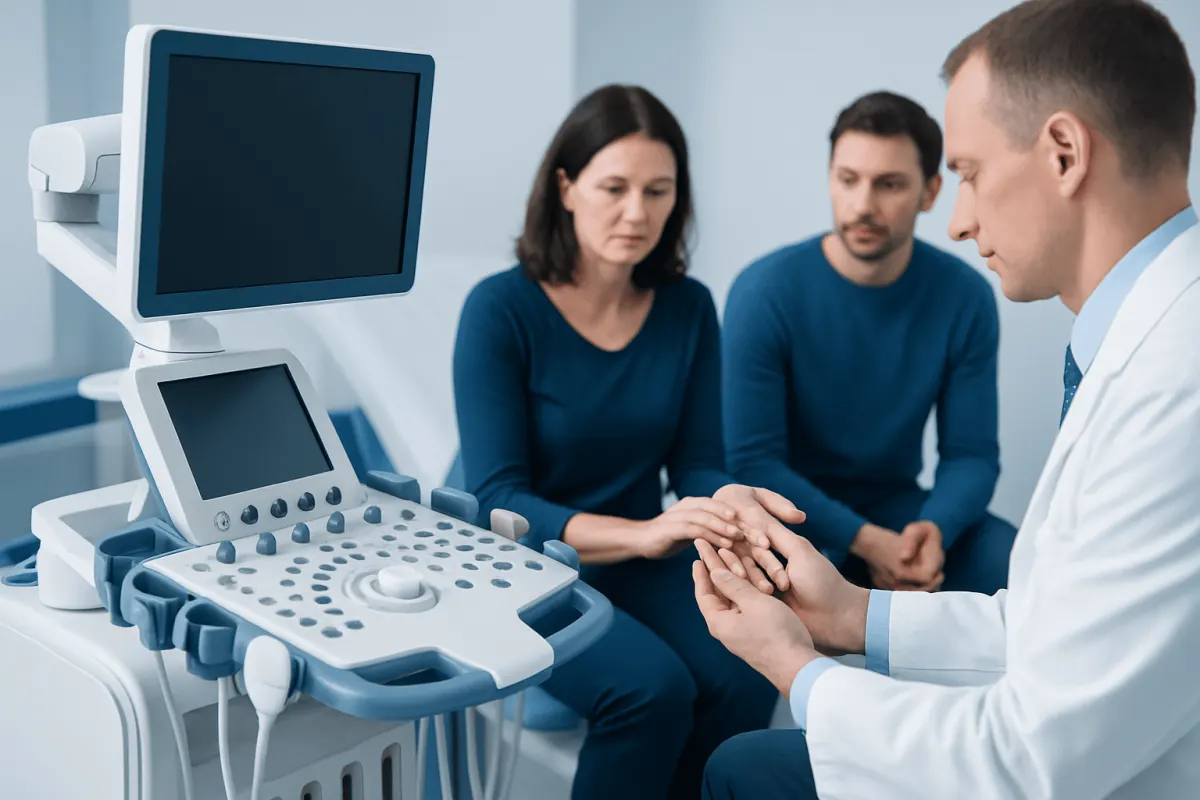
Fingers that feel hard, stiff, swollen, or difficult to bend can have several causes, from temporary swelling after activity or injury to joint inflammation, tendon problems, or skin changes. The pattern of symptoms, affected joints, skin appearance, and accompanying signs help a clinician identify the cause and recommend appropriate care.
What does it mean when fingers feel hard?
When people describe their fingers as hard, they may mean the fingers feel stiff, swollen, thickened, tight, lumpy, or difficult to bend. The sensation can involve the finger joints, tendons, soft tissues, or skin. It may be temporary, such as after repetitive hand use or minor injury, or persistent because of an underlying joint, connective-tissue, or circulation condition.
The most useful starting point is to notice where the hardness is felt. A firm lump near a joint is different from widespread swelling of the whole finger, and tight shiny skin is different from a finger that catches or locks when bending. Symptoms affecting one finger after trauma have different likely causes from stiffness in several fingers on both hands.
Fingers that are hard without pain can still deserve assessment if the change lasts, progresses, or affects function. A doctor can examine movement, joints, tendons, skin, sensation, and blood flow to clarify what is happening and help protect hand use.
Common patterns and associated symptoms
Joint-related stiffness often causes difficulty making a fist, gripping objects, opening jars, typing, or carrying bags. Stiffness that is most noticeable after waking or following rest may improve with gentle movement. Pain, warmth, tenderness, or visible swelling around the knuckles and smaller finger joints can point toward inflammation or osteoarthritis.
A whole finger that looks swollen and feels firm may be described as “sausage-like.” This can occur with inflammation in joints and tendon sheaths. A finger that catches, clicks, or locks during bending may be related to tendon thickening, commonly called trigger finger. A localized hard bump can arise from joint changes, a cyst, scar tissue, or a prior injury.
Skin features are also important. Skin that becomes tight, waxy, shiny, or difficult to pinch may limit finger motion. Fingers that turn white, blue, or red in cold conditions, followed by tingling or pain as they rewarm, can indicate a blood-vessel spasm such as Raynaud’s phenomenon. Numbness, weakness, or loss of dexterity may suggest nerve involvement and should be discussed with a clinician.
- Stiffness or reduced ability to bend or straighten the fingers
- Joint pain, tenderness, warmth, or swelling
- Knobs, lumps, or thickened areas in the palm or near a joint
- Clicking, catching, or locking during movement
- Skin tightness, color changes, tingling, or numbness
Causes of hard or stiff fingers

Minor injuries, bruising, sprains, fractures, and dislocations can cause swelling and stiffness that make a finger feel hard. Immobilization after an injury can also reduce movement and contribute to stiffness. Because small hand injuries are sometimes overlooked, ongoing pain, deformity, or limited movement after trauma should be checked rather than assumed to be a simple sprain.
Osteoarthritis can affect the finger joints and may lead to hard bony enlargements, aching, and reduced flexibility. It is more common with age, previous joint injury, and repeated mechanical stress, although it can affect adults of different ages. Inflammatory arthritis, including rheumatoid arthritis and psoriatic arthritis, may cause swollen, tender joints and prolonged stiffness, often involving more than one joint or both hands.
Tendon and soft-tissue conditions can produce focused stiffness. Trigger finger occurs when a flexor tendon does not glide smoothly through its sheath. Dupuytren’s disease can cause firm nodules or cords in the palm and gradually pull one or more fingers toward the palm. Other possibilities include ganglion cysts, scar tissue, infection, and less commonly deposits around a joint.
Systemic connective-tissue diseases may affect the skin and circulation of the fingers. In systemic sclerosis, also called scleroderma, skin can thicken and tighten, sometimes together with Raynaud’s phenomenon. These changes require medical assessment because the condition can affect more than the hands. For related information, see scleroderma.
How clinicians assess hard fingers
A healthcare professional will ask when the symptoms started, whether they came on suddenly or gradually, and whether there was an injury, infection, repetitive activity, new medication, or cold exposure. They may ask about the timing of stiffness, pain severity, family history, skin rashes, fatigue, psoriasis, circulation symptoms, and whether other joints are affected.
During an examination, the clinician may compare both hands, assess finger motion and grip, and feel the joints, tendons, palm, and skin for warmth, swelling, nodules, or tenderness. They may also assess sensation, strength, nail changes, and circulation. These details help distinguish a joint problem from a tendon, nerve, skin, or blood-vessel problem.
Tests are not always necessary. When needed, X-rays can show fractures, joint alignment, and changes associated with arthritis. Ultrasound or MRI may help evaluate tendons, soft tissues, and inflammation. Blood tests may be appropriate when inflammatory arthritis, infection, or a connective-tissue disease is suspected. Results are interpreted alongside the history and examination rather than in isolation.
Treatment options and restoring hand movement
Treatment is based on the cause, severity, duration, and effect on daily activities. For a recent minor strain or overuse problem, a clinician may recommend a period of relative rest, gentle movement within comfort, and avoiding the activity that aggravates symptoms. Cold or heat can be helpful in different situations, but should be used carefully and not directly on numb or poorly circulating skin.
For arthritis or tendon conditions, options may include tailored exercises, hand therapy, splints, topical or oral medicines where medically suitable, or an injection for selected problems. Hand therapists can teach techniques that support joint mobility, protect painful joints, and improve everyday tasks without overloading the hand. Persistent trigger finger or significant Dupuytren’s contracture may require specialist procedures or surgery.
Inflammatory arthritis and connective-tissue conditions need condition-specific treatment directed by a rheumatology team. Early assessment is important because controlling inflammation can help preserve movement and reduce long-term joint damage. If symptoms relate to a hand injury, specialist hand surgery assessment may be considered when there is a fracture, tendon injury, nerve injury, major deformity, or ongoing functional limitation.
People should avoid repeatedly forcing a stiff finger through pain or attempting to break up a lump themselves. This can worsen a tendon, joint, or skin injury. A clinician can recommend the safest plan for the individual situation.
Self-care and prevention where appropriate
Not every cause of hard fingers can be prevented, but practical measures can reduce strain and support hand health. Regular gentle movement, short breaks during repetitive tasks, and varying hand positions may help prevent overuse symptoms. Tools with wider grips, ergonomic adjustments, and gloves for vibration or cold exposure can also be useful for some people.
For stiffness related to arthritis, keeping the hands comfortably warm and using gentle range-of-motion exercises may improve comfort. Exercises should not create sharp pain, persistent swelling, or worsening symptoms. A doctor or hand therapist can provide individual guidance, particularly after surgery, injury, or during an inflammatory flare.
People with cold-triggered color changes should keep the whole body warm, use insulated gloves, and avoid sudden temperature shifts when possible. Smoking can worsen circulation and is best avoided. Balanced nutrition, regular physical activity, adequate sleep, and management of long-term conditions such as diabetes can support overall joint, nerve, and vascular health.
When to seek medical care
Medical care is advisable when hard or stiff fingers last more than a short period, recur, interfere with work or self-care, or are accompanied by pain, visible swelling, or reduced movement. An appointment is particularly important when symptoms involve several joints, both hands, or prolonged morning stiffness, as these patterns may need assessment for inflammatory disease.
Urgent medical evaluation is needed after a significant injury, especially if a finger looks crooked, cannot be moved, is rapidly swelling, or has an open wound. Prompt care is also important if a finger becomes pale, blue, very cold, numb, severely painful, or if redness and swelling spread with fever or feeling unwell. These signs can indicate a problem requiring timely treatment.
Acıbadem Health Point’s multidisciplinary specialists and JCI-accredited hospitals assess and treat hand, joint, tendon, and connective-tissue conditions for international patients. A qualified clinician can determine whether symptoms need routine care, specialist referral, or urgent treatment.
Frequently asked questions
01Why are my fingers hard and stiff in the morning?
Morning stiffness can occur with osteoarthritis, inflammatory arthritis, tendon irritation, or swelling that develops during rest. Stiffness that lasts a long time after waking, occurs with swollen joints, or affects both hands should be evaluated by a doctor.
02Can arthritis make fingers feel hard?
Yes. Osteoarthritis can cause firm bony enlargements at finger joints, while inflammatory arthritis can cause swelling, warmth, tenderness, and stiffness. A clinical assessment helps identify the type of arthritis and the most appropriate management.
03What does a hard lump on a finger mean?
A hard lump may be related to osteoarthritis, a cyst, scar tissue, a tendon problem, or an old injury. It should be checked if it grows, is painful, limits movement, changes the nail or skin, or appears without an obvious explanation.
04Can dehydration cause hard fingers?
Dehydration is not a usual direct cause of hard fingers. It can contribute to general discomfort or muscle cramping, but persistent finger stiffness, swelling, or skin changes usually have another explanation and should be assessed if they continue.
05Are hard fingers a sign of scleroderma?
Skin tightening and thickening of the fingers can occur in scleroderma, often alongside cold-triggered color changes in the fingers. However, many more common conditions can also cause stiffness or firmness, so diagnosis requires medical evaluation.
06What should someone do for a stiff finger after an injury?
They should avoid forcing the finger to move and seek assessment if there is major swelling, deformity, significant pain, numbness, or difficulty bending or straightening it. Even a minor injury should be reviewed if stiffness does not steadily improve or normal function does not return.
This article is for general information only and is not a substitute for professional medical advice. Please consult a qualified doctor about your individual situation.
Joint and spine care in Turkey — expert assessment & treatment
JCI-accredited · board-certified surgeons · reply within 24h
Add us as a Preferred Source to see more of our trusted health content across Google Search, AI Overviews and Discover.