Underbite: Symptoms, Causes and Treatment

Key Takeaways
- An underbite is a bite problem in which the lower teeth or jaw sit forward of the upper teeth.
- It may be caused by genetics, jaw growth differences, habits, or a combination of factors.
- Diagnosis usually includes a dental exam, bite assessment, and imaging to understand jaw position.
- Treatment can involve braces, aligners, growth guidance, jaw surgery, or a combination of approaches.
- Early evaluation can make treatment simpler in growing children, but adults can also be treated successfully.
An underbite occurs when the lower teeth sit in front of the upper teeth, often because the jaws do not align in the usual way. It can affect chewing, speech, jaw comfort, and facial balance, but effective treatments are available for children, teens, and adults.
Overview
An underbite is a type of malocclusion, meaning the upper and lower teeth do not meet in the usual way. In an underbite, the lower teeth may extend in front of the upper teeth when the mouth is closed, or the lower jaw may sit noticeably forward.
This is more than a cosmetic concern. A pronounced underbite can make biting and chewing less efficient, place strain on the jaw joints, and affect speech in some people. The exact impact varies widely: some people notice it early in childhood, while others only seek care when they become bothered by worn teeth, jaw fatigue, or changes in facial appearance.
For families considering treatment from another country, it is helpful to think of underbite care as a planned process rather than a single procedure. The first step is understanding whether the problem comes mainly from the teeth, the jaw bones, or both, because that distinction shapes every later decision.
Symptoms and Everyday Effects
The most visible sign is usually the lower front teeth sitting ahead of the upper front teeth. In some cases, the lower jaw looks prominent, while in others the bite problem is noticeable only when the person smiles or closes the mouth.
Functional symptoms may include difficulty biting into foods such as sandwiches or apples, uneven tooth wear, speech sounds that feel unclear, and jaw discomfort after chewing. Some people also report clicking or tightness in the jaw, especially if the bite has forced the surrounding muscles to work harder for a long time.
Children with an underbite may also develop compensating habits, such as shifting the jaw sideways to make the teeth meet. Over time, that kind of adaptation can make the bite feel even less comfortable and may influence facial growth if not assessed early.
Causes and Risk Factors

Underbites usually arise from a mismatch in the growth of the upper jaw, lower jaw, or both. In many people, the tendency is inherited, so family history is an important clue. If one parent or close relative had a similar bite pattern, the chance of it appearing in a child may be higher.
Growth patterns are only part of the picture. Childhood habits that affect jaw development, such as prolonged thumb sucking or pacifier use beyond the usual developmental window, can contribute in some cases. Mouth breathing, early loss of baby teeth, and certain dental crowding patterns may also influence how the bite settles as the child grows.
Less commonly, an underbite may be associated with congenital conditions, facial asymmetry, or injury that altered jaw development. For this reason, clinicians look at the whole face, the teeth, and the patient’s growth history rather than focusing on the front teeth alone.
Diagnosis
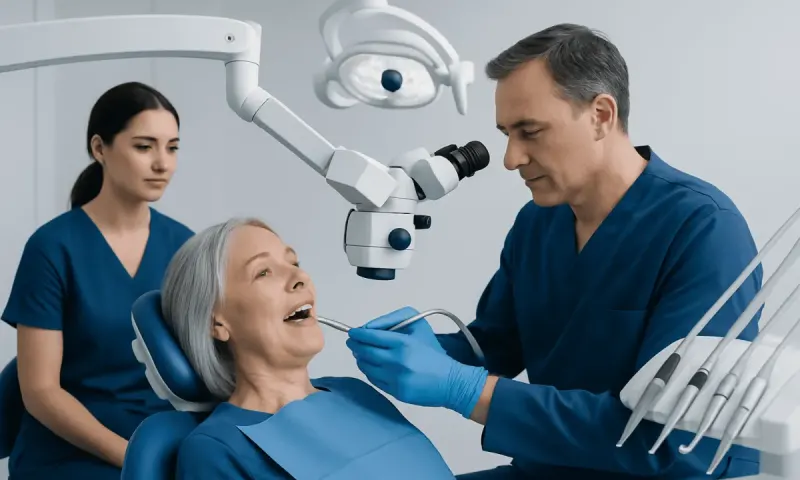
Diagnosis begins with a careful dental and facial examination. The clinician checks how the teeth meet, whether the lower jaw shifts during closure, and whether the problem is primarily dental, skeletal, or both. Photographs and bite records are often taken to document the starting point.
Imaging is commonly part of the evaluation. Dental X-rays, panoramic views, cephalometric measurements, and sometimes 3D scans help show the relationship between the jaws and teeth. This information is especially valuable when treatment decisions need to balance function, appearance, and the patient’s age or stage of growth.
For international patients, a well-organized diagnostic visit can save time later. When records are complete at the start, specialists can usually offer a clearer treatment plan, estimate the likely sequence of care, and explain whether treatment can begin before travel or needs to be coordinated over multiple visits.
Treatment Options
There is no single treatment for every underbite. The best approach depends on how severe the problem is, whether the jaw is still growing, and whether the issue is mainly in the teeth, the upper jaw, the lower jaw, or a combination of both.
In growing children, orthodontic appliances may help guide jaw development or create a better balance between the upper and lower jaws. Braces can align the teeth, while functional or orthopedic appliances may be used in selected cases to influence growth. In mild cases, orthodontic camouflage may improve the bite without changing the jaws themselves, although this is not appropriate for everyone.
For moderate to severe skeletal underbites, especially after growth is complete, jaw surgery may be recommended together with orthodontic treatment. Surgery can reposition one or both jaws so that the bite and facial balance improve. This approach is usually planned carefully in stages: orthodontics first to prepare the teeth, surgery to correct the jaw relationship, and then finishing orthodontics to fine-tune the bite.
- Braces or clear aligners: used to move teeth into a better position when the bite problem is mild or when part of a larger treatment plan.
- Growth guidance appliances: sometimes used in children while facial growth is still active.
- Jaw surgery: considered when the jaw alignment itself needs correction.
- Combined orthodontic-surgical care: often the most predictable option for significant skeletal underbite.
Because treatment can involve more than one specialty, patients traveling for care may benefit from a coordinated team that includes orthodontists, oral and maxillofacial surgeons, and restorative dentists when needed. In Acibadem Health Point’s multidisciplinary setting, specialists and JCI-accredited hospitals diagnose and treat underbite for international patients with coordinated planning and follow-up.
Prevention and Self-care
Not every underbite can be prevented, especially when genetics and natural growth patterns are the main drivers. Still, early dental review can help identify a developing problem before it becomes more complex. Parents should consider evaluation if a child’s lower teeth consistently sit ahead of the upper teeth or if the child’s jaw seems to move forward when biting.
Good oral care remains important throughout treatment. Brushing carefully, cleaning between the teeth, and attending regular dental visits help protect teeth and gums, particularly if braces or other appliances are being used. If the bite causes uneven tooth wear, dentists may also recommend ways to reduce grinding or clenching when appropriate.
For people planning treatment abroad, self-care also includes practical preparation. Bringing previous X-rays, orthodontic records, and a list of past dental work can make the first consultation more efficient. After treatment, following written instructions, keeping scheduled follow-up visits, and maintaining good communication with the care team support a smoother recovery.
When to See a Doctor
A dental or orthodontic evaluation is worthwhile if the bite looks reversed, the teeth do not meet properly, or chewing feels awkward. Persistent jaw pain, worn front teeth, frequent biting of the cheeks or palate, and speech concerns are also good reasons to seek professional advice.
Children should be assessed sooner rather than later if the lower jaw appears to grow forward, because timing can matter while the face is still developing. Adults should not assume they have missed the opportunity for treatment; even long-standing underbites can often be improved with a carefully chosen plan.
If the underbite is part of a broader facial or jaw concern, the clinician may refer the patient to an orthodontist, oral and maxillofacial surgeon, or another specialist. A proper evaluation is the safest way to understand the options and avoid unnecessary or incomplete treatment.
Frequently asked questions
01What exactly is an underbite?
An underbite is a bite alignment problem in which the lower teeth sit in front of the upper teeth. It may happen because the lower jaw is too far forward, the upper jaw is underdeveloped, or both.
02Can an underbite be fixed without surgery?
Some mild underbites can be improved with orthodontic treatment alone, especially when the issue is mainly in the teeth. More significant jaw-related underbites often need a combination of orthodontics and jaw surgery for the most stable result.
03Is it better to treat an underbite in childhood?
Often, yes. In growing children, specialists may be able to guide jaw development or reduce the severity of the problem before it becomes more complex. That said, adults can still benefit from treatment even if the bite has been present for years.
04Does an underbite always affect appearance?
Not always, but it can. Some people have a mild underbite that is mainly a dental finding, while others notice changes in facial profile or jaw symmetry. The degree of visible change depends on the size and cause of the imbalance.
05Can an underbite cause jaw pain?
It can contribute to jaw strain, muscle fatigue, or joint discomfort in some people, especially if the bite forces the jaw to close in an awkward position. Pain is not present in every case, but persistent discomfort should be evaluated.
06What should someone bring to a consultation abroad?
It helps to bring previous dental records, X-rays, a list of treatments already tried, and any notes about symptoms such as chewing difficulty or jaw pain. This makes it easier for the specialist team to understand the case and plan next steps efficiently.
This article is for general information only and is not a substitute for professional medical advice. Please consult a qualified doctor about your individual situation.
Joint and spine care in Turkey — expert assessment & treatment
JCI-accredited · board-certified surgeons · reply within 24h
Add us as a Preferred Source to see more of our trusted health content across Google Search, AI Overviews and Discover.