A Twisted Bowel (Volvulus) Is an Emergency, Not a Myth
Sudden, severe belly pain that keeps getting worse. Vomiting. A stomach that looks swollen. And nothing — no stool, no gas — is coming out. That combination is not something to wait out at home.
“Twisted bowel” is the plain-language term for a condition in which part of the intestine twists, causing a blockage and sometimes cutting off its blood supply. It is not a myth or a vague digestive upset. It is a real medical problem that can become urgent, especially when pain, vomiting, swelling, or the inability to pass stool or gas appear suddenly.
What a twisted bowel really means
When people say “twisted bowel,” the condition doctors usually mean is volvulus — part of the intestine twisting around itself and the tissue that holds it in place. This twist can block the movement of food, fluid, and gas through the bowel. In some cases, it also squeezes the blood vessels that supply the intestine.
That loss of blood flow is why the condition matters medically. A simple stomach upset, constipation, or temporary cramping may be uncomfortable, but a true twisted bowel can injure bowel tissue if not treated in time. This is why doctors treat suspected bowel twisting as more than just “bad gas” or a passing digestive complaint.
Twisted bowel can affect different parts of the intestines. In adults, it more often involves the large bowel, especially the sigmoid colon. In infants and children, twisting may be related to congenital problems in how the intestines formed or rotated before birth. Although causes differ by age, the basic issue is the same: the bowel becomes obstructed and may lose circulation.
Symptoms and warning signs
The symptoms of twisted bowel often start suddenly, though in some people they can come and go before becoming severe. The pattern depends on which part of the intestine is involved and whether the blood supply is affected. A person may first notice cramping pain and bloating, then develop vomiting and increasing discomfort.
Common symptoms include:
- Sudden or worsening abdominal pain
- Swelling or bloating of the abdomen
- Nausea and vomiting
- Constipation or inability to pass stool
- Inability to pass gas
- Abdominal tenderness
If blood flow is compromised, symptoms may escalate quickly. The pain may become constant and more intense rather than coming in waves. Fever, marked weakness, or signs of dehydration can appear later. In severe cases, bowel tissue can become damaged, and the abdomen may become very tender.
Not every blockage comes from a twist, and not every stomachache is a blockage. But if the symptoms are severe or they will not go away, do not brush them off. Conditions such as bowel obstruction can share similar features, so medical assessment is important to identify the exact cause.
Causes, myths, and who is at risk

You may have heard that a twisted bowel comes from moving the wrong way, exercising after a meal, or eating the “wrong” food. The evidence does not back any of that up as a usual cause. In reality, a twisted bowel is typically linked to anatomy, bowel motility, prior disease, or structural changes in the abdomen.
Risk factors vary by the type of volvulus. In adults, risk may be higher in people with a long or mobile colon, chronic constipation, previous abdominal surgery, neurologic or mobility-related conditions, or disorders that affect normal bowel movement. In children, congenital intestinal malrotation can make twisting more likely. Enlarged bowel segments and some forms of chronic intestinal dysfunction may also increase risk.
Doctors may also consider whether there is a related disorder affecting the intestine, such as colon cancer or another cause of narrowing and blockage. However, many cases of twisted bowel are not caused by cancer. The key point is that this is a structural and functional medical issue, not a result of a simple lifestyle mistake.
Because it can look like constipation, a stomach bug, or another digestive complaint, people often wait too long before coming in. Understanding that a twisted bowel is a real and potentially urgent condition helps counter the myth that it will always resolve at home.
How doctors diagnose a twisted bowel
Diagnosis begins with a medical history and physical examination. Doctors ask when the pain started, whether vomiting is present, and whether stool or gas is still passing. They also examine the abdomen for swelling, tenderness, bowel sounds, and signs that may suggest a blockage or reduced blood flow.
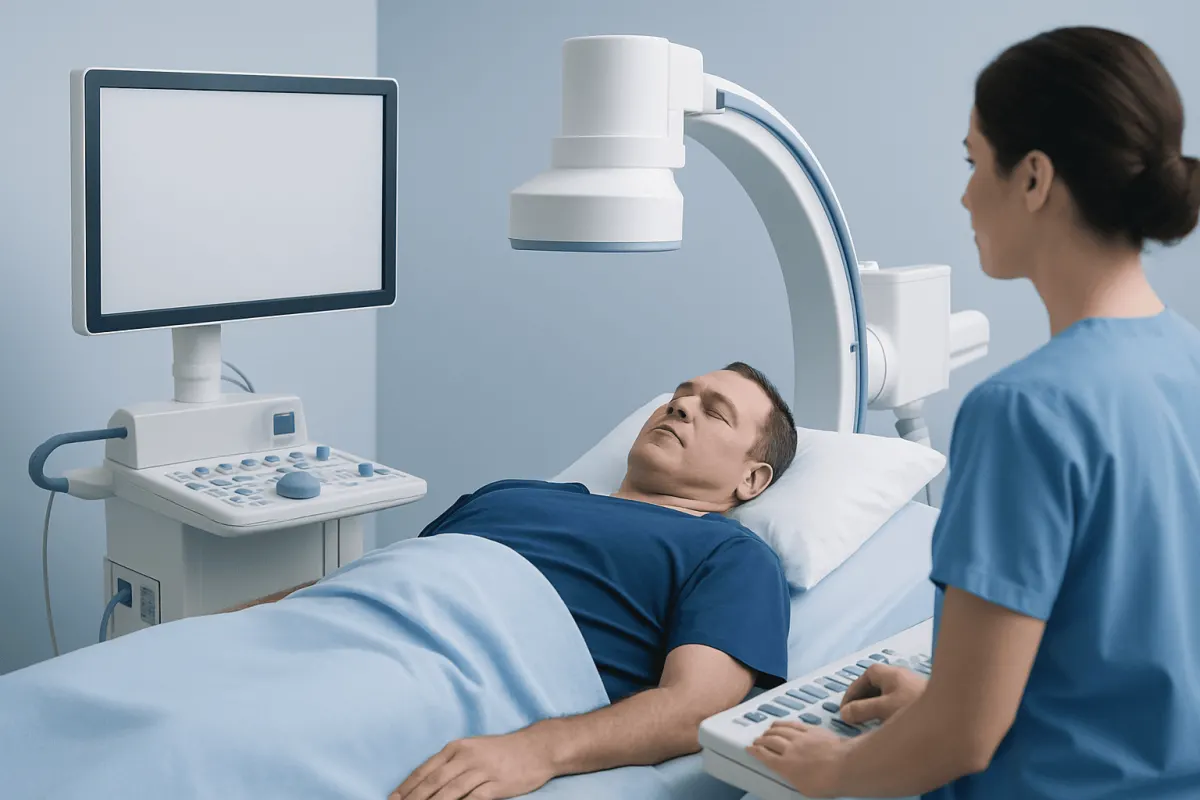
Imaging is usually central to diagnosis. A plain abdominal X-ray may show a distended bowel loop or other signs of obstruction. A CT scan often gives more detail and can help identify the site of twisting, the degree of blockage, and whether the bowel wall or blood supply appears threatened. In some cases involving the large bowel, contrast studies may also help clarify the problem.
Blood tests do not diagnose twisted bowel by themselves, but they can support the overall assessment. They may help detect dehydration, infection, inflammation, or metabolic imbalances caused by vomiting and obstruction. If there is concern that the bowel is not getting enough blood, blood work may add useful information while imaging is arranged.
The main goal of diagnosis is not only to confirm that twisting has occurred, but also to decide how urgent treatment must be. A bowel that is blocked but still well supplied with blood is managed differently from one that may already be injured.
Treatment options and why timing matters
Treatment depends on the location of the twist, the person’s age, the severity of symptoms, and whether there are signs of bowel damage. Supportive care often starts right away. This may include intravenous fluids, pain relief, correction of electrolyte imbalance, and avoidance of food and drink until the bowel is assessed.
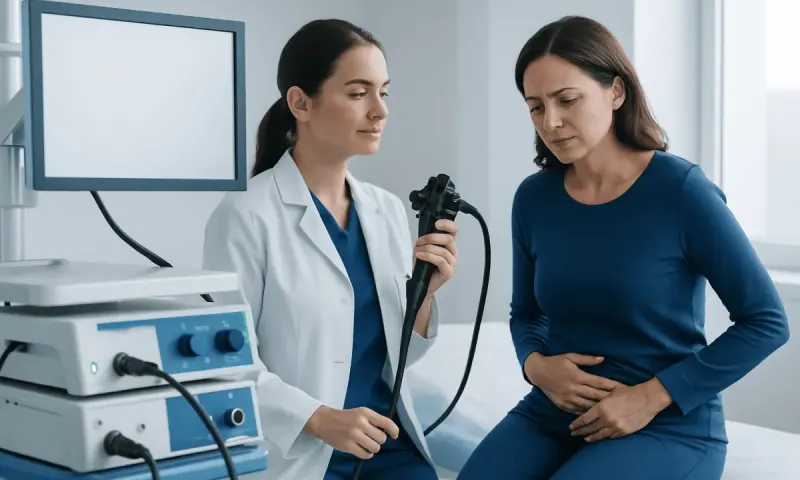
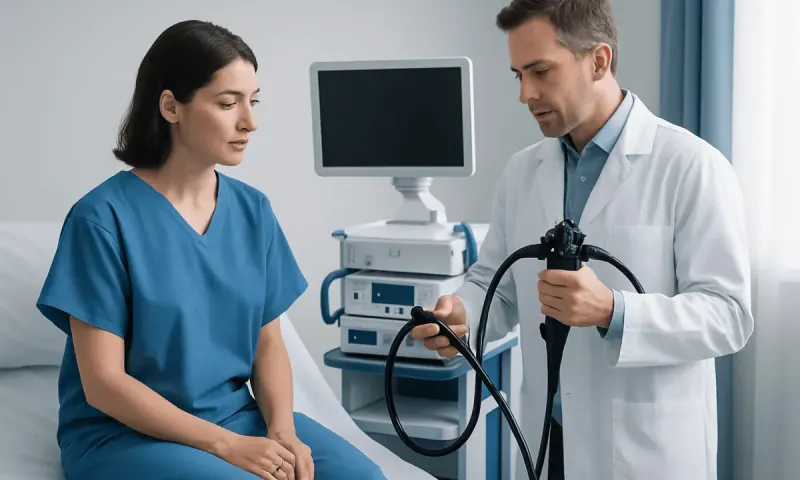
For some forms of large-bowel volvulus, doctors may first try to relieve the twist using an endoscopic procedure. This can sometimes decompress the bowel and temporarily restore passage. In selected patients, a specialist may use colonoscopy both to assess the bowel from inside and to attempt decompression when appropriate.
Surgery is often needed, especially if the bowel looks damaged, if blood supply is reduced, if the twist cannot be relieved safely, or if the problem returns. Surgical treatment may involve untwisting the bowel, removing a section that is no longer healthy, or fixing the bowel in a way that lowers the chance of recurrence. Depending on the situation, this may be done through gastrointestinal surgery and tailored to the patient’s condition.
Doctors may also use imaging guidance such as computed tomography (CT) scan during diagnosis and planning. If bowel tissue has died or perforation is suspected, urgent surgery becomes especially important. Timing matters because delayed treatment can increase the risk of infection, perforation, and more complex recovery.
Recovery, prevention, and self-care
Recovery depends on how early the condition was treated and whether surgery was required. After treatment, doctors monitor bowel function, hydration, pain control, and signs of infection. Some people recover quickly after successful decompression, while others need a longer hospital stay if surgery or bowel resection was necessary.
There is no universal way to prevent every twisted bowel, because many cases relate to anatomy or congenital factors. Still, managing chronic constipation, staying well hydrated, following medical advice for bowel motility disorders, and attending follow-up appointments may help reduce risk in some people. If a doctor recommends further evaluation after an episode, that follow-up matters because some twists can recur.
Home care can support you, but it cannot fix this. Once severe symptoms start, laxatives, home remedies, massage, or simply waiting for the gas to pass are no substitute for being seen — and they can cost you time you do not have. For ongoing digestive concerns, clinicians may evaluate related problems such as Crohn’s disease or other intestinal disorders when symptoms suggest them.
Some patients prefer a center where gastroenterology, radiology, emergency, and surgical teams work side by side. At Acıbadem Health Point, our specialists and JCI-accredited hospitals diagnose and treat twisted bowel and related digestive conditions for international patients who need advanced evaluation.
When to seek medical care
Medical care should be sought promptly for sudden severe abdominal pain, repeated vomiting, increasing bloating, or inability to pass stool or gas. These symptoms do not always mean a twisted bowel, but they can signal an intestinal blockage or another urgent abdominal problem that should be assessed without delay.
Immediate evaluation is especially important if pain is constant and worsening, the abdomen is very swollen or tender, or there is fever, faintness, or signs of dehydration. Infants and young children with vomiting, severe belly swelling, unusual sleepiness, or inconsolable crying also need urgent medical attention because bowel twisting can progress quickly in children.
People who have previously had volvulus, bowel surgery, chronic severe constipation, or known intestinal abnormalities should be cautious about new obstructive symptoms. Do not try to work it out at home — call a doctor or emergency service. Early assessment gives the best chance of relieving the blockage before complications develop.
Frequently asked questions
01Is a twisted bowel the same as constipation?
No. Constipation can sometimes cause bloating and discomfort, but a twisted bowel is a structural problem in which the intestine twists and may become blocked. Because the symptoms can overlap, a doctor may need imaging to tell the difference.
02Can a twisted bowel fix itself?
Some symptoms may come and go for a time, but a true twisted bowel should not be assumed to resolve on its own. It can progress from partial blockage to reduced blood flow and bowel injury. Medical evaluation is important when symptoms suggest obstruction.
03What is the medical name for twisted bowel?
The medical term is usually volvulus. It refers to twisting of a loop of intestine around itself and its supporting tissue. Depending on the location, doctors may describe sigmoid volvulus, cecal volvulus, or midgut volvulus.
04Does a twisted bowel always require surgery?
Not always. Some cases, especially certain large-bowel volvulus cases, may first be treated with endoscopic decompression. Surgery is often needed if decompression does not work, the problem returns, or there are signs that the bowel has lost blood supply or become damaged.
05Who is more likely to get a twisted bowel?
Risk can be higher in people with certain anatomical differences, chronic constipation, previous abdominal surgery, or disorders affecting bowel movement. Babies and children may be affected because of congenital intestinal malrotation. Risk varies depending on which part of the bowel is involved.
06How is a twisted bowel diagnosed?
Doctors usually combine symptoms, physical examination, and imaging tests. Abdominal X-rays and CT scans are commonly used to identify obstruction and look for the site of twisting. Blood tests may also help show dehydration or other complications.
This article is for general information only and is not a substitute for professional medical advice. Please consult a qualified doctor about your individual situation.
Persistent digestive symptoms? Get evaluated in Turkey
JCI-accredited · board-certified surgeons · reply within 24h
Add us as a Preferred Source to see more of our trusted health content across Google Search, AI Overviews and Discover.