IBS-M: Managing Mixed Bowel Symptoms and Pain
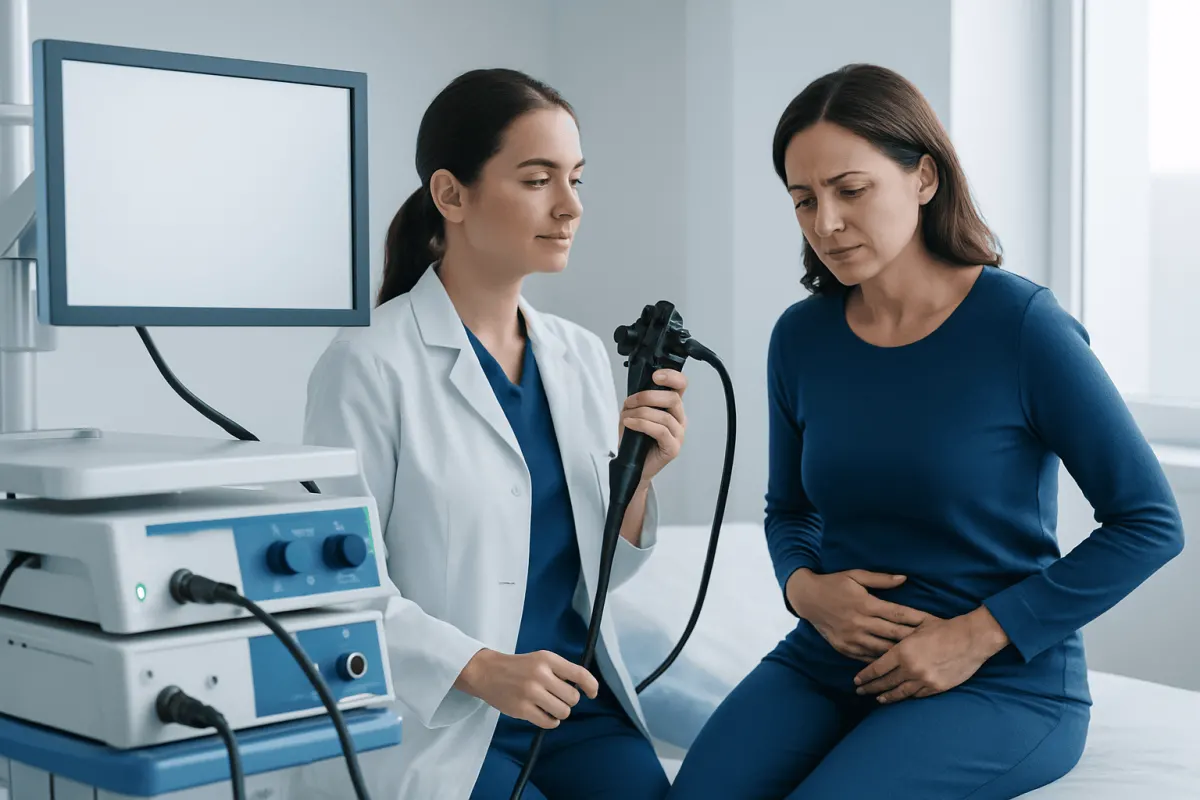
IBS M, also called mixed-type irritable bowel syndrome or IBS-M, is a disorder of gut-brain interaction in which recurrent abdominal pain occurs alongside periods of both constipation and diarrhea. It is a real, diagnosable condition; while it does not damage the bowel, symptoms can be disruptive and deserve individualized medical care.
IBS M overview: what mixed-type IBS means
IBS M is short for mixed-type irritable bowel syndrome, often written as IBS-M. It describes a pattern of irritable bowel syndrome in which a person has recurrent abdominal pain and experiences both constipation and diarrhea. The bowel pattern may alternate over weeks or months, or it may change from one flare to another. Some people have days with hard, difficult-to-pass stools followed by days of loose or urgent bowel movements.
IBS is classified as a disorder of gut-brain interaction. This means that communication between the digestive tract and the nervous system is altered, making the gut more sensitive and affecting how the bowel moves. IBS M is not “all in the mind,” and symptoms are not imagined. Stress and emotions can influence the digestive system, but they are only part of a broader biological and lifestyle picture.
Unlike Ulcerative Colitis, and Flares" class="ahp-ilk">inflammatory bowel disease, IBS does not cause ongoing inflammation that damages the intestines. It also does not increase the risk of colorectal cancer. Nevertheless, pain, unpredictable bowel habits, bloating and worry about finding a bathroom can significantly affect daily life, work, eating and travel. Proper evaluation can confirm the likely diagnosis and help identify an effective management plan.
Symptoms and bowel-pattern changes
The central symptom of IBS M is recurrent abdominal pain, usually linked with passing stool or a change in how often someone opens their bowels or what the stool looks like. Pain may feel like cramping, aching, pressure or sharp discomfort. It can improve after a bowel movement for some people, although this is not always the case.
During constipation-predominant periods, stools may be hard, lumpy, infrequent or difficult to pass. A person may strain, feel incompletely emptied or have lower abdominal discomfort. During diarrhea-predominant periods, stools may be loose or watery, more frequent and accompanied by urgency. It is important to distinguish diarrhea from simply having several normal, formed stools in one day.
Bloating, visible abdominal distension, excess gas, nausea, fatigue and a sense that bowel movements are unpredictable are also common. Symptoms often vary in intensity. Certain meals, hormonal changes, infections, poor sleep, anxiety or major routine changes may coincide with flares, but triggers differ substantially among individuals.
- Constipation and diarrhea occur at different times rather than as a fixed daily pattern.
- Abdominal pain is recurrent and related to bowel activity.
- Bloating and gas may occur even when tests of the intestines are normal.
- Mucus in stool can occur in IBS, but bleeding is not a typical IBS symptom.
Why IBS M happens and who may develop it

There is no single cause of IBS M. Current medical evidence supports several interacting factors: increased gut sensitivity, altered movement of the intestines, differences in gut-brain signaling, changes in the gut microbiome and immune activity near the intestinal lining. These factors may make ordinary intestinal stretching or gas feel painful and may contribute to alternating stool patterns.
Some people notice IBS symptoms after an episode of infectious gastroenteritis, sometimes called post-infectious IBS. Others may have a family tendency, although shared environment and learned responses to symptoms can also play a role. IBS is more often diagnosed in women, and symptoms may vary with the menstrual cycle in some people. It can occur at any adult age and may also affect younger people.
Food does not cause IBS M in every case, and the condition should not be blamed on a lack of willpower or a “bad diet.” However, meals can influence symptoms. Large or high-fat meals, alcohol, caffeine, carbonated drinks, certain fermentable carbohydrates and some sugar substitutes may be troublesome for particular individuals. Restrictive diets without professional guidance can create nutritional gaps or unnecessary anxiety around food.
How clinicians diagnose IBS M
Clinicians diagnose IBS M primarily from a careful symptom history. A widely used clinical framework, known as the Rome IV criteria, describes IBS as recurrent abdominal pain occurring on average at least one day per week in the previous three months, associated with bowel movements and changes in stool frequency or form, with symptoms beginning at least six months before diagnosis. The mixed subtype is identified when both hard stools and loose or watery stools occur often enough during symptomatic periods.
A doctor will ask about the timing of symptoms, stool appearance, diet, medicines, prior infections, family history and the effect on everyday life. A stool diary can be useful because it shows patterns that may be hard to recall during a short appointment. The Bristol Stool Form Scale is often used to describe stool consistency in a standardized way.
Testing is individualized rather than automatic. Depending on age, symptoms and medical history, a clinician may recommend blood tests for anemia or celiac disease, stool tests to look for inflammation or infection, or colonoscopy when warning signs are present or age-appropriate colorectal cancer screening is due. These tests are not intended to dismiss IBS; they help ensure that conditions requiring different treatment are not missed.
Treatment options tailored to mixed symptoms
There is no one treatment that suits every person with IBS M. Care is usually guided by the symptom that is most bothersome at a given time, whether pain, constipation, diarrhea, bloating or urgency. A clinician may recommend changes one at a time, allowing enough time to assess whether they help. Keeping a brief record of food, symptoms, stress and bowel movements can support this process.
Dietary management may include regular meals, adequate fluids and adjustment of fiber intake. Soluble fiber may help some people with overall IBS symptoms, but increasing fiber too quickly can worsen gas and bloating. A qualified dietitian may suggest a time-limited low-FODMAP approach, followed by structured reintroduction, to identify personal food triggers while preserving a varied diet. Long-term broad food avoidance is generally not the goal.
Medicines may be used for specific symptoms. Depending on the bowel pattern and an individual’s health needs, options can include treatments for constipation, short-term medicines for diarrhea, antispasmodics for cramping, or medicines that modify pain signaling in the gut. Because IBS M alternates, a medicine appropriate during a constipation phase may be unsuitable during a diarrhea phase. Medical advice is especially important before frequent use of over-the-counter laxatives, antidiarrheals or herbal products.
Gut-directed psychological therapies, such as cognitive behavioral therapy, relaxation-based approaches or gut-directed hypnotherapy, can reduce symptom burden for some people. These approaches do not suggest symptoms are psychological; they address the two-way gut-brain pathways involved in pain, motility and stress responses. Acıbadem Health Point’s multidisciplinary specialists and JCI-accredited hospitals can assess and manage digestive symptoms for international patients when specialist care is needed.
Everyday self-care and reducing symptom disruption
Self-care for IBS M focuses on consistency rather than perfection. Eating regular meals, taking time to eat, drinking enough water and avoiding very large meals may reduce digestive stress. Gentle, regular physical activity can support bowel function, sleep and mood. People with constipation periods may benefit from a routine that allows unhurried toilet time, particularly after meals.
Stress does not cause IBS M by itself, but it can amplify gut symptoms through the gut-brain connection. Practical strategies such as paced breathing, mindfulness, counseling, yoga, regular activity or setting aside time for restorative hobbies may be helpful. Improving sleep habits is also worthwhile, since poor sleep is associated with increased pain sensitivity and more disruptive digestive symptoms.
It is generally safer to make one manageable change at a time. For example, a person might first establish a regular breakfast and hydration routine before changing fiber intake. A symptom diary can identify useful associations, but it should not become a source of constant monitoring or fear. If symptoms persist despite basic measures, a doctor or registered dietitian can help develop a more individualized plan.
When to seek medical care
Anyone with ongoing abdominal pain or changing bowel habits should consider discussing symptoms with a qualified healthcare professional, particularly if the symptoms affect eating, sleep, work or quality of life. IBS M can often be managed successfully, but an accurate diagnosis matters because several other digestive conditions can cause similar symptoms.
Prompt medical assessment is important for rectal bleeding or black stools, unexplained weight loss, persistent fever, anemia, vomiting, severe or worsening pain, a persistent change in bowel habits later in adulthood, or symptoms that wake a person from sleep. A family history of colorectal cancer, inflammatory bowel disease or celiac disease should also be shared with the clinician.
Urgent care may be needed for severe abdominal pain with a rigid or swollen abdomen, inability to pass stool or gas with vomiting, fainting, signs of dehydration, or heavy bleeding. These features are not typical of uncomplicated IBS and should not be managed solely with home remedies. Seeking care early can provide reassurance and the right treatment.
Frequently asked questions
01What does IBS M stand for?
IBS M stands for mixed-type irritable bowel syndrome, also called IBS-M. It means a person has IBS-related abdominal pain along with both constipation and diarrhea at different times. The pattern may change from week to week or during different flares.
02Is IBS M a serious disease?
IBS M can be very uncomfortable and can interfere with daily life, but it does not usually damage the intestines or lead to cancer. Symptoms should still be evaluated, especially when they are new, severe or accompanied by warning signs. A clinician can help rule out conditions that need different care.
03Can IBS M cause both diarrhea and constipation on the same day?
It can. Some people may pass a hard stool and later have loose stool, while others alternate on separate days or weeks. A stool and symptom diary can help a clinician understand the pattern and guide treatment.
04What foods should a person with IBS M avoid?
There is no universal IBS M food list. Common triggers for some people include high-fat meals, alcohol, caffeine, carbonated drinks and certain fermentable carbohydrates, but individual tolerance varies. Rather than removing many foods indefinitely, it is best to identify patterns with guidance from a doctor or registered dietitian.
05Does stress cause IBS M?
Stress is not the sole cause of IBS M, and symptoms are not imagined. However, stress can affect gut movement and sensitivity through the gut-brain connection, making symptoms more noticeable or more frequent. Stress-management methods can be a useful part of a broader treatment plan.
06How is IBS M different from inflammatory bowel disease?
IBS M is a disorder of gut-brain interaction and does not cause the ongoing intestinal inflammation or tissue damage seen in inflammatory bowel disease. Inflammatory bowel disease includes conditions such as Crohn’s disease and ulcerative colitis, which may require anti-inflammatory or immune-targeting treatment. Testing may be needed when symptoms or warning signs suggest inflammation.
This article is for general information only and is not a substitute for professional medical advice. Please consult a qualified doctor about your individual situation.
Persistent digestive symptoms? Get evaluated in Turkey
JCI-accredited · board-certified surgeons · reply within 24h
Add us as a Preferred Source to see more of our trusted health content across Google Search, AI Overviews and Discover.