Colonoscopy Kit: What Your Bowel Prep Contains
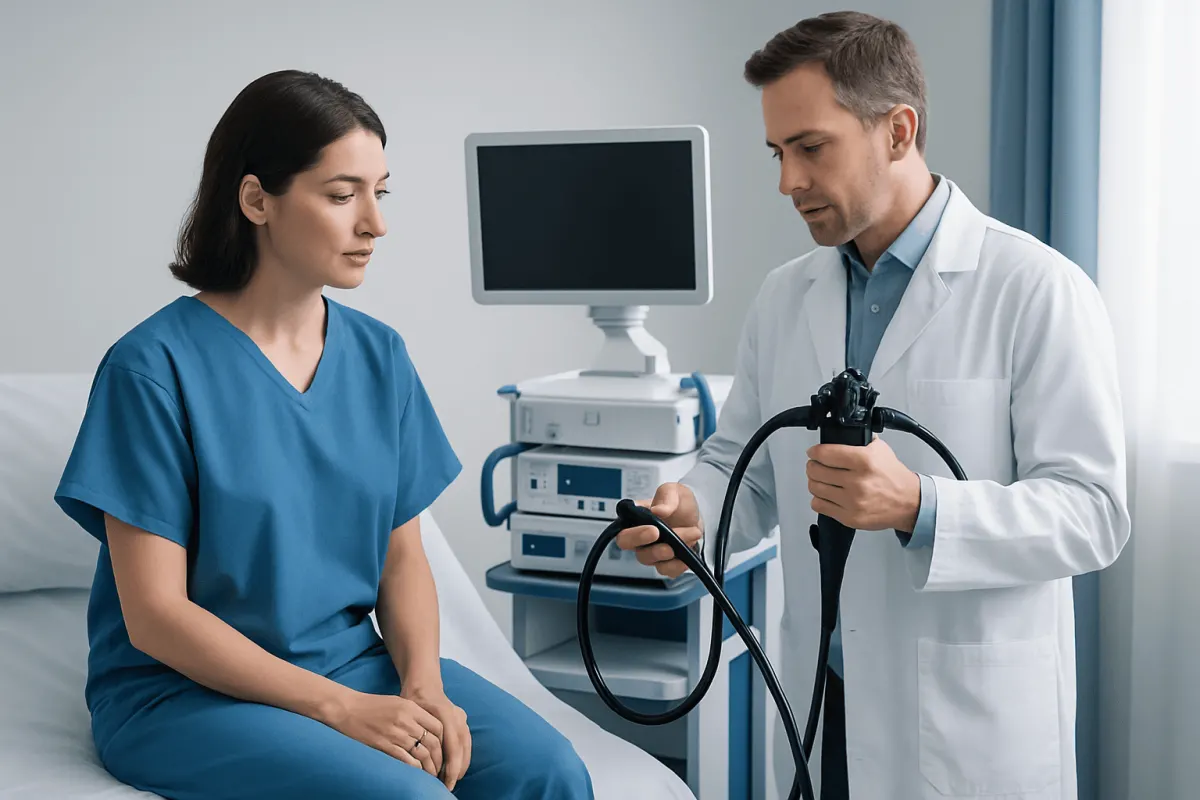
A colonoscopy kit usually refers to the prescribed bowel-preparation products and written instructions needed to empty the colon before a colonoscopy. Good preparation helps the doctor see the bowel lining clearly, identify abnormalities, and safely remove some polyps when appropriate.
What Is a Colonoscopy Kit?
A colonoscopy kit is commonly used to describe the bowel-preparation medicines, supplies, and instructions a person receives before a colonoscopy. It is designed to clear stool from the large intestine so the doctor can inspect the bowel lining with a flexible camera called a colonoscope. The exact contents vary by country, clinic, medical history, and the preparation selected by the clinician.
Depending on the prescribed plan, a kit may include a powder or liquid laxative to mix with water, electrolyte-containing solution, tablets, written timing instructions, and sometimes guidance about diet and regular medicines. It may also include practical items such as skin-protection advice, but patients should use only products recommended by their care team. A colonoscopy kit does not replace individualized instructions, particularly for people with kidney disease, heart failure, diabetes, constipation, pregnancy, or medication-related risks.
Colonoscopy is used to investigate symptoms such as rectal bleeding, unexplained changes in bowel habits, anemia, or ongoing abdominal symptoms. It is also an important test for finding and preventing colorectal cancer because certain polyps can be removed before they become cancerous. Colon cancer is one of the conditions a colonoscopy may help detect or exclude, depending on the person’s symptoms and risk factors.
Preparing for the Procedure
Preparation usually begins several days before the appointment. The care team may advise temporary changes to high-fiber foods, such as seeds, nuts, whole grains, raw vegetables, and certain fruits. Closer to the procedure, most people move to a clear-liquid diet for a specified period. Clear liquids may include water, clear broth, plain tea or coffee without milk, and approved clear drinks, but instructions differ between centers.
The bowel-cleansing medicine is often taken in divided doses, with part taken the evening before and part on the day of the examination. This approach can improve bowel cleansing because it reduces the time between the final dose and the procedure. Patients should follow the exact timing provided by their clinician, including when to stop drinking liquids before sedation or anesthesia.
Medication planning matters. Blood thinners, diabetes medicines, iron supplements, and some weight-loss medicines may need special instructions. People should not stop prescribed medication independently; they should contact the colonoscopy team well before the appointment. If a person cannot complete the preparation, vomits repeatedly, or has severe weakness or dizziness, the clinic should be contacted for advice.
Arrange for a responsible adult to take the patient home if sedation is planned. Driving, operating machinery, drinking alcohol, signing important documents, and making major decisions are usually avoided until the sedative effects have fully worn off, commonly until the following day.
What Is the Hardest Part of Colonoscopy Prep?
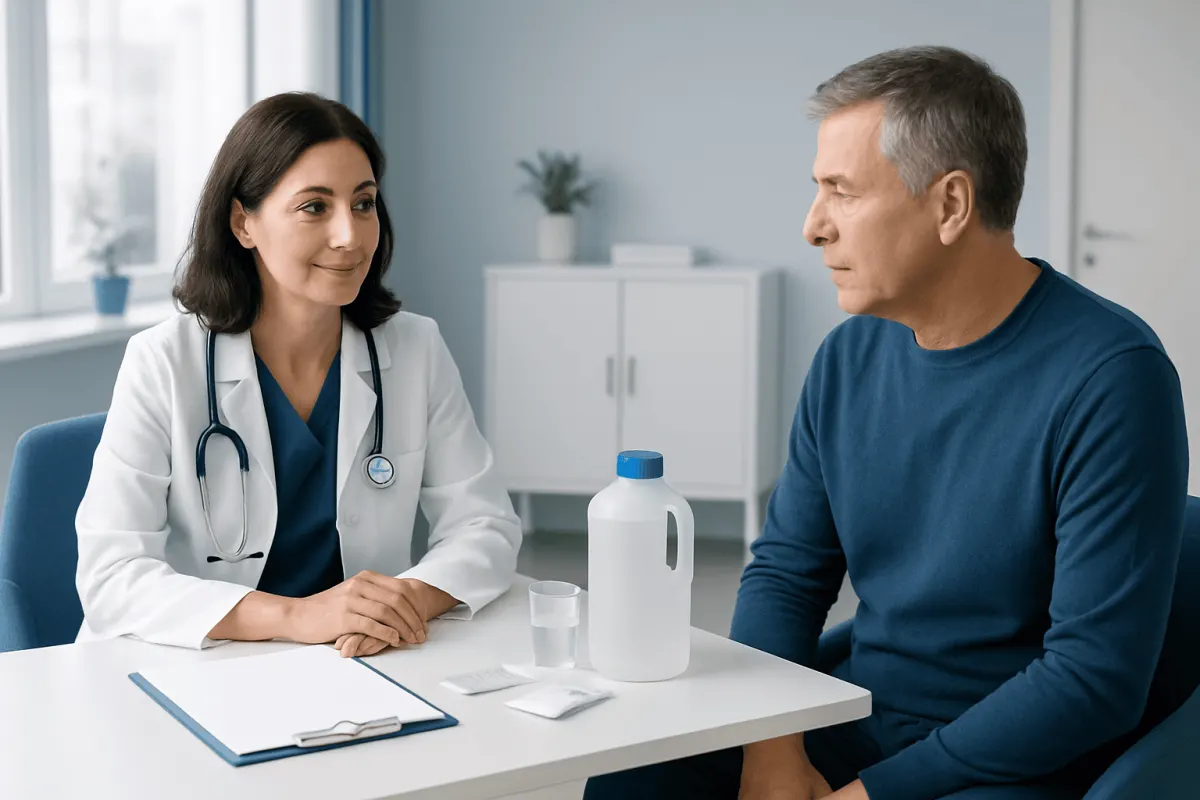
For many people, the hardest part of colonoscopy prep is completing the cleansing drink while managing frequent urgent trips to the toilet. The liquid may have a strong taste or require a substantial volume, and the repeated bowel movements can interrupt sleep. The low-residue or clear-liquid diet may also leave some people feeling hungry, tired, or irritable.
Practical steps can make the process more manageable. Chilling an approved preparation, drinking it through a straw if permitted, and following the prescribed pace may help with taste and nausea. Staying near a toilet, wearing comfortable clothing, using soft toilet tissue or water-based cleansing, and applying a protective barrier cream can reduce skin irritation.
The goal is for stool to become watery and light yellow or nearly clear, although the care team’s instructions remain the best guide. A poorly prepared bowel can obscure small polyps or other changes and may mean the procedure needs to be repeated sooner. If the output remains solid or dark close to the scheduled examination, the patient should call the endoscopy unit rather than guessing what to do next.
Will I Poop All Night After Colonoscopy Prep?
Many people have frequent, watery bowel movements for several hours after starting colonoscopy prep, and this can continue into the night when the first dose is taken in the evening. The timing and intensity vary with the type of preparation, individual bowel habits, diet, and whether the regimen is split between the evening and morning.
The bowel movements should gradually become liquid and clearer as the colon empties. Some cramping, bloating, nausea, and urgency can occur, but severe or worsening abdominal pain is not expected. Drinking the allowed clear fluids helps support hydration and replaces some fluid lost during the preparation.
If a person has no bowel movement after beginning the preparation, cannot keep fluids down, develops significant dizziness, or has severe abdominal swelling or pain, they should contact their clinical team promptly. People should also seek individualized advice if they have a history of bowel obstruction, severe constipation, kidney disease, or heart disease.
During the Colonoscopy and Understanding Results
At the appointment, staff confirm medical history, allergies, medicines, fasting status, and consent. Most colonoscopies involve sedation, pain relief, or both, although the approach depends on local practice and patient preference. During the examination, the doctor passes a thin flexible scope through the rectum and gently advances it through the colon while viewing images on a monitor.
Air or carbon dioxide may be introduced to open the bowel and improve visibility. This can cause temporary pressure, bloating, or cramping. If the doctor sees a polyp, it may often be removed during the same procedure. Small tissue samples, known as biopsies, may also be taken; this is generally painless because the bowel lining does not sense cutting in the same way as skin.
Many patients receive a preliminary explanation shortly after the procedure, once they are awake enough to understand it. A normal-looking colonoscopy is reassuring, but it does not always explain every digestive symptom. If tissue was sampled or a polyp removed, laboratory analysis may take several days or longer, and the follow-up plan will depend on the findings, preparation quality, family history, and personal risk factors.
Some patients undergo colonoscopy because of persistent digestive concerns that may be related to conditions such as inflammatory bowel disease. In these situations, biopsies can help the specialist assess inflammation even when parts of the bowel appear normal to the eye.
Recovery After a Colonoscopy
After the procedure, patients are monitored until the effects of sedation begin to wear off. Mild bloating, passing gas, and brief abdominal discomfort are common because of the air or carbon dioxide used during the examination. Eating can usually resume as advised by the care team, often starting with light, easy-to-digest food and adequate fluids.
If sedation was used, tiredness, slower reaction times, and temporary memory gaps may occur for the rest of the day. A companion should take the patient home, and the patient should follow the center’s instructions about returning to work, exercise, driving, and regular medications. Following a polyp removal or other intervention, clinicians may provide additional dietary or activity guidance.
Most people can return to everyday routines the next day. However, recovery may take longer for those who had a more complex procedure, experienced sedation-related effects, or have other health conditions. Patients should follow their own discharge paperwork rather than relying on general timelines.
How Many Days Should I Rest After a Colonoscopy?
After an uncomplicated colonoscopy with sedation, most people rest for the remainder of the procedure day and resume usual activities the following day. The main reason for this short recovery period is sedation: even when someone feels alert, coordination and judgment may still be affected for several hours.
A person who did not receive sedation may be able to return to normal activities sooner, but the endoscopy team will give the appropriate advice. If a polyp was removed, a biopsy was taken, or another treatment was performed, the doctor may recommend avoiding strenuous exercise or heavy lifting for a defined period.
Resting longer is sensible if fatigue, bloating, or mild cramping persists, but worsening symptoms should not simply be managed at home. Contact the care team if recovery does not feel steady or if there are questions about work, travel, exercise, or resuming medicines. For patients requiring removal of polyps, polypectomy may be performed during colonoscopy, and aftercare instructions should be followed carefully.
Why Do You Feel So Good After a Colonoscopy?
Some people feel unexpectedly well after a colonoscopy, often because the bowel preparation has temporarily emptied the colon and relieved constipation, bloating, or a feeling of fullness. Rehydration, rest, and relief after completing an anticipated test can also contribute to a sense of wellbeing. This feeling is variable and is not a reliable sign that the bowel is healthy or that symptoms have been cured.
Others feel tired, gassy, mildly nauseated, or emotionally flat for a day after sedation and preparation. These effects usually improve with rest, fluids, and gentle meals as tolerated. The bowel’s usual pattern may take a short time to return after the laxative preparation.
A colonoscopy should not be viewed as a routine “cleanse,” and repeated bowel preparation without a medical reason is not recommended. Its value lies in answering an important clinical question, screening appropriate patients, and allowing treatment such as removal of certain polyps. Acıbadem Health Point’s multidisciplinary specialists and JCI-accredited hospitals diagnose and treat digestive conditions for international patients when colonoscopy assessment is clinically indicated.
When to seek medical care: urgent medical advice is needed for severe or increasing abdominal pain, fever, repeated vomiting, fainting, trouble breathing, a hard swollen abdomen, or heavy rectal bleeding after colonoscopy. A small amount of blood can occur after a biopsy or polyp removal, but persistent bleeding, clots, or black stools should be assessed promptly. In an emergency, patients should contact local emergency services.
Frequently asked questions
01What does a colonoscopy kit include?
A colonoscopy kit usually includes the prescribed bowel-cleansing medicine and detailed instructions for taking it. Some preparations are powders mixed with water, while others are liquids or tablets combined with specific amounts of clear fluid. The contents and schedule should always be individualized by the endoscopy team.
02Will I poop all night after colonoscopy prep?
Frequent watery bowel movements are common for several hours after taking colonoscopy prep, and an evening dose may disrupt sleep. The exact pattern differs between people and preparations. Call the clinic if there is no bowel movement, repeated vomiting, severe pain, or difficulty staying hydrated.
03What is the hardest part of colonoscopy prep?
Many people find the frequent urgent bowel movements, the taste or volume of the preparation drink, and the temporary diet changes most challenging. Following the prescribed timing and using practical comfort measures can help. Completing the preparation is important because a clean bowel allows a more accurate examination.
04How many days should I rest after a colonoscopy?
Most people rest on the day of a sedated colonoscopy and return to usual activities the next day. More recovery time may be recommended after a complex procedure, polyp removal, or if sedation effects last longer. The discharge instructions from the endoscopy unit should guide the individual plan.
05Why do you feel so good after a colonoscopy?
Some people feel lighter or less bloated because the bowel preparation has emptied the colon, while others feel relief after completing the test. This is temporary and does not mean that bowel cleansing is a health treatment. Some people instead feel tired or bloated for a short period after sedation and the procedure.
06When will colonoscopy results be available?
The doctor often shares initial visual findings after the procedure, once the patient is awake enough after sedation. If biopsies or polyps were taken, laboratory results usually take several days or longer. The care team will explain how and when final results and follow-up recommendations will be provided.
This article is for general information only and is not a substitute for professional medical advice. Please consult a qualified doctor about your individual situation.
Persistent digestive symptoms? Get evaluated in Turkey
JCI-accredited · board-certified surgeons · reply within 24h
Add us as a Preferred Source to see more of our trusted health content across Google Search, AI Overviews and Discover.