Turkey Teeth Gone Wrong: Why It Happens and How to Avoid It

Key Takeaways
- Most poor outcomes trace back to process failures — a compressed timetable, no proper diagnostic work-up and no written treatment plan — rather than to the country itself.
- Healthy teeth that are heavily reduced for crowns cannot be restored to their original state, so the decision to prepare them should never be made under time pressure.
- Ask for the treating dentist's registration details, the clinic's accreditation status and a written, itemised plan before paying a deposit.
- Realistic budgeting means thinking in cost bands that include imaging, temporaries, laboratory work, flights, accommodation and possible repeat visits — not a single headline figure.
- Dental work of this scale is rarely completed in one short trip; most plans involve two stages or a longer stay with healing time between them.
- Arrange UK-based follow-up and know who to contact for problems before flying out — aftercare is part of the treatment, not an optional extra.
The phrase "turkey teeth gone wrong" describes dental work abroad that leaves patients with pain, sensitivity, failing crowns or gum problems — usually the result of rushed assessment, over-treatment of healthy teeth and no aftercare plan. Careful planning, verified credentials and a clear follow-up pathway at home make a very different experience possible.
What People Mean by "Turkey Teeth Gone Wrong"
The term “turkey teeth gone wrong” has become shorthand in the UK for dental treatment abroad that did not turn out as the patient expected. In practice it covers a wide spectrum: ongoing sensitivity or pain, crowns that debond or fracture, gum inflammation and recession around new restorations, bite problems, an appearance that looks bulky or unnatural, or the discovery months later that root canal treatment or extraction is needed on a tooth that was healthy before.
It is worth being precise about the language, because the phrase can be misleading. Turkey has a large, well-established private healthcare sector, internationally accredited hospitals and dentists trained to a high standard. The problems that circulate on social media are not caused by geography. They are almost always caused by process — a compressed timetable that leaves no room for proper diagnosis, a treatment choice driven by speed and cost rather than by what the mouth actually needs, and the absence of any structured follow-up once the patient has flown home.
Understanding that distinction is empowering. It means the risk is largely modifiable. A patient who slows the decision down, insists on a full assessment, checks credentials and plans aftercare before departure is having a fundamentally different experience from one who books a five-day package on the strength of a photograph. This article looks at the journey step by step — from first enquiry to follow-up at home — so that readers can judge for themselves whether a plan they have been offered is a sound one.
Why Outcomes Go Wrong: The Common Patterns
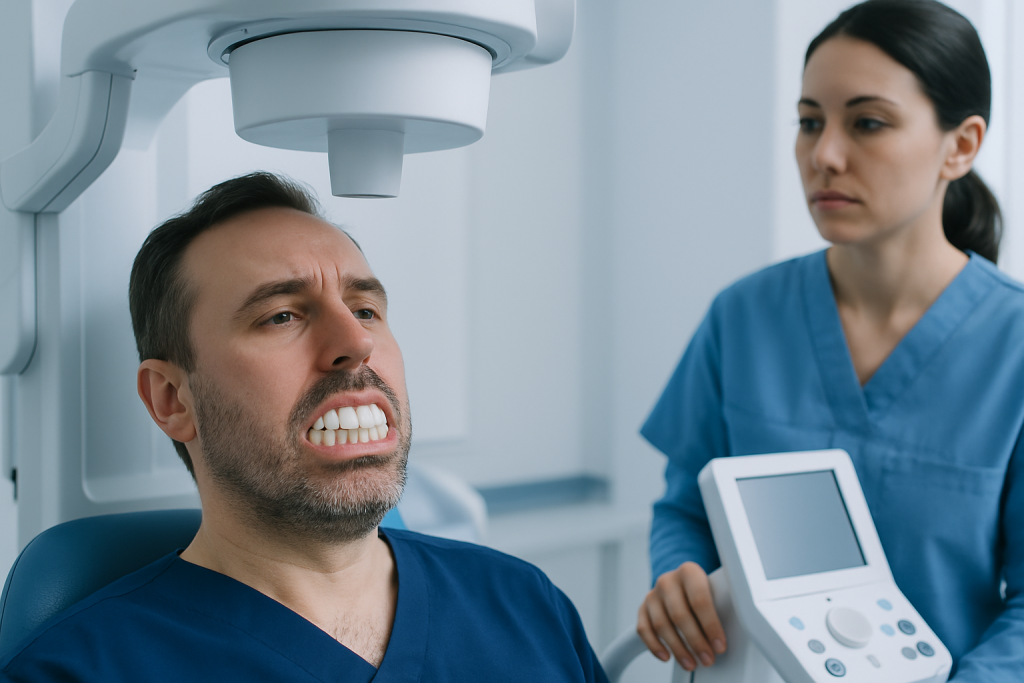
The single most frequent theme is over-treatment. Crowns require a tooth to be reduced in size all the way around; that reduction is permanent and the tooth will need a restoration for the rest of the patient’s life. When many healthy teeth are prepared for crowns purely for cosmetic reasons, the biological cost is high, and problems such as nerve inflammation, the need for root canal treatment, or crown failure become more likely over the following years. Less invasive options — whitening, orthodontic alignment, bonding or thin veneers on selected teeth — are sometimes more appropriate but take longer, which does not suit a short trip.
The second theme is inadequate assessment. Good restorative dentistry depends on knowing the state of the gums, the bone, the nerve of each tooth and the way the jaws meet. That requires clinical examination, radiographs and sometimes a 3D scan, plus time to treat any active gum disease or decay first. When these steps are skipped, restorations are placed on unstable foundations. The third theme is the absence of a written, itemised plan and informed consent — patients who do not know exactly which teeth are being treated, with which materials and why, cannot make a genuine choice.
- A quotation issued before any examination, imaging or medical history has been reviewed.
- Pressure to confirm within days, or discounts that expire quickly.
- A plan that treats an identical number of teeth for every patient regardless of their mouth.
- No named treating dentist, and no way to verify registration or qualifications.
- Marketing images and testimonials in place of clinical explanation or written consent.
- No answer to the question: “What happens if something goes wrong after I get home?”
What a Dental Treatment Package Typically Includes

Packages vary widely, and part of protecting oneself is knowing what should be in them. A reasonably complete dental travel package usually covers the initial consultation and examination on arrival, diagnostic imaging, any preparatory work agreed in advance, temporary restorations while the laboratory work is made, the definitive restorations themselves, fitting and adjustment appointments, and a review before departure. Transfers between airport, accommodation and clinic and the support of an interpreter are commonly included; accommodation may be included or arranged separately.
Just as important is what is not included. Additional procedures that only become apparent after examination — treatment of gum disease, fillings, root canal treatment, extractions or bone grafting — usually sit outside the headline package. Flights are normally the patient’s responsibility, as is travel insurance. Patients should ask directly how a revision would be handled: who pays, whether a return flight would be needed, and over what period any warranty on laboratory work applies. Vague reassurance is not the same as a written policy.
A well-organised coordination service will set expectations before the patient commits. That means a remote review of existing records or photographs, a video consultation with the clinician who would carry out the work, an indicative plan and cost band in writing, and clarity that the plan may change once the mouth has been examined in person. Being told that the plan is provisional is a sign of good practice, not of disorganisation.
Planning Realistic Costs Without Chasing a Headline Figure
It is not possible — or responsible — to quote exact prices for dental work that has not been assessed. What patients can do is think in bands and build a total budget rather than fixating on a per-tooth figure. Costs in Turkey are generally lower than equivalent private treatment in the UK, but the gap narrows considerably once the full picture is included, and the cheapest offers are frequently the ones associated with the outcomes people describe as turkey teeth gone wrong.
A realistic planning budget should account for the restorative work itself (which varies by material and by the number of teeth), any preparatory treatment, diagnostics, return flights, accommodation for the whole stay, food and local transport, travel insurance, and a contingency for a second trip. Patients should also factor in time away from work — which may be two separate periods rather than one — and the cost of any UK follow-up appointments.
Comparing quotations sensibly means comparing like with like. Two figures for “20 veneers” may involve different materials, different laboratories, different numbers of fitting appointments and different guarantee terms. A written breakdown that names materials and lists every included appointment allows a genuine comparison; a single number does not. If a quotation is substantially lower than all others, the useful question is not “why is this one so cheap?” but “what is being left out, and who absorbs the cost if it goes wrong?”
Accreditation, Credentials and How to Verify Them
Accreditation is one of the few objective signals available to a patient reading a website from another country. Joint Commission International (JCI) accreditation is an internationally recognised standard covering patient safety, infection control, medication management, staff qualifications and governance. It is awarded to hospitals and healthcare organisations following on-site survey and is renewed periodically, so it is reasonable to ask when a facility was last accredited and what the accreditation covers. National regulation in Turkey also requires clinics and their staff to be licensed by the Ministry of Health.
Credentials of the individual clinician matter just as much as the building. Patients should ask for the treating dentist’s full name, dental school and year of qualification, any postgraduate training in restorative, prosthodontic or implant dentistry, professional memberships and their registration with the Turkish Dental Association. A clinic that answers these questions clearly and in writing is demonstrating exactly the transparency the patient is looking for. Reluctance to name the treating clinician before arrival is a meaningful warning sign.
Other practical checks include confirming that the consultation will take place with a dentist rather than a sales adviser, that radiographs will be taken and shared, that consent forms are available in English, and that the laboratory producing the restorations is identified. Patients may also wish to discuss the plan with their own dentist in the UK beforehand — a second opinion on whether crowns are genuinely indicated is one of the most valuable safeguards available, and can often be arranged as a remote review before any travel is booked.
Treatment Timing, Recovery and How Long to Stay
Extensive restorative work is a staged process, and the timetable is one of the clearest indicators of whether a plan is sound. Preparation, impressions or digital scans, laboratory fabrication, a try-in and final fitting all take time, and any preparatory treatment such as gum therapy, extractions or implants requires healing before definitive restorations can be placed. Implant treatment in particular is normally spread over months rather than days. Any offer to complete a full mouth of crowns in a handful of days deserves careful scrutiny.
Most well-structured plans therefore involve either two separate trips or a single longer stay with a gap in the middle. Patients should expect some tenderness, sensitivity and gum soreness after preparation appointments, an adjustment period while speaking and eating with temporaries, and possibly minor bite adjustments after the final fit. Flying is generally comfortable once any anaesthetic has worn off and bleeding has settled, but patients who have had surgical procedures such as extractions or implant placement should follow the specific advice of their treating clinician about when it is safe to fly, and should not book tight connections.
Building slack into the itinerary is sensible. Laboratory work occasionally needs remaking, a shade may need adjusting, or a review appointment may be added. A return flight booked for the day after the final fitting leaves no room for any of this. Patients should also confirm before departure that they are leaving with a final, comfortable bite — not a temporary arrangement to be sorted out later — and should ask for copies of their records, radiographs and a written summary of exactly what was done, including materials used.
Aftercare After Flying Home
Aftercare is where many dental travel experiences succeed or fail. Before leaving the UK, patients should ideally speak to their own dentist about who will review the work, carry out routine examinations and manage any emergency such as a debonded crown. Not every UK practice is willing to take on the maintenance of extensive work carried out elsewhere, and it is far better to establish this in advance than to discover it during a painful weekend. NHS emergency dental services can address acute pain and infection but are not designed to manage cosmetic revision.
Practical steps make a genuine difference. Patients should keep their full clinical records and radiographs accessible, know the direct contact details for the treating clinic and their coordinator, book a UK check-up within the first few months, and follow the hygiene routine they are given — crowned teeth and their gum margins need meticulous cleaning, including interdental brushes and regular hygienist visits. Anyone who grinds their teeth should ask about a protective night guard, as clenching is a common cause of restoration fracture.
It is also worth agreeing in advance how remote follow-up will work. Many international patient teams offer video reviews, photograph-based assessment and written guidance after the patient returns, and can liaise with a dentist in the UK if a problem needs local attention. Acıbadem Health Point coordinates care across Acıbadem’s JCI-accredited hospitals and dental units, where multidisciplinary specialists assess and plan treatment for international patients and support them through follow-up after they travel home.
When to Speak to a Patient Coordinator
A patient coordinator is most useful early — before flights are booked and before any deposit is paid. At that stage they can arrange a remote review of records, set up a video consultation with the clinician who would carry out the treatment, explain what the assessment on arrival will involve, and give an indicative cost band and timetable in writing. They can also help with visa guidance, accommodation, transfers and interpreting, and flag where a plan may need to be staged across more than one visit.
Coordinators are equally important after treatment. Anyone experiencing persistent pain, swelling, fever, bleeding that does not settle, a crown that has come loose, a bite that feels wrong or gums that remain sore and inflamed should contact both the treating clinic and a local dentist promptly rather than waiting to see whether it settles. These are the situations in which a documented, contactable aftercare pathway proves its value.
Finally, anyone who is unsure whether extensive crown or veneer work is the right choice at all should seek an independent opinion from a registered dentist before committing. There is no urgency to a cosmetic decision, and a plan that still makes sense after a second opinion and a few weeks of reflection is far more likely to be the right one. Individual circumstances vary considerably, and only a qualified clinician who has examined the mouth can advise on what is appropriate.
Frequently asked questions
01Is dental treatment in Turkey unsafe?
Turkey has internationally accredited hospitals and highly qualified dentists, and many patients have good experiences. The reported problems are usually linked to rushed planning, over-treatment of healthy teeth and a lack of follow-up rather than to the country itself. Choosing an accredited facility, verifying the treating dentist's credentials and insisting on a written plan substantially reduces risk.
02Why do people end up needing root canal treatment after veneers abroad?
Crowns require healthy tooth structure to be reduced all the way around, which can irritate or inflame the nerve inside the tooth. If many healthy teeth are prepared aggressively, some may later develop nerve problems requiring root canal treatment. This is one reason a proper assessment and a discussion of less invasive alternatives is so important before any preparation begins.
03How long should I plan to stay in Turkey for dental work?
Extensive restorative work is normally staged, and most sound plans involve either two trips or one longer stay with healing time in between. Implant treatment in particular is usually spread over months. Patients should be cautious about any plan promising a full mouth of crowns within a few days, and should build extra days into the itinerary for adjustments.
04What should a dental package include?
A reasonably complete package generally covers consultation, diagnostic imaging, temporary restorations, laboratory work, fitting and adjustment appointments, a final review, transfers and interpreting support. Preparatory treatment such as gum therapy, fillings or extractions is often quoted separately once the mouth has been examined. Patients should always ask in writing what is excluded and how a revision would be handled.
05Can my NHS dentist look after work done abroad?
Some UK practices will review and maintain restorations placed overseas, while others prefer not to take on work they did not plan. It is best to ask before travelling so that routine check-ups and any emergency care are arranged in advance. NHS emergency services can manage acute pain or infection but are not intended for cosmetic revision.
06How can I check that a clinic and dentist are properly credentialled?
Ask whether the facility holds accreditation such as JCI and when it was last surveyed, and request the treating dentist's full name, qualifications, postgraduate training and registration details. A clinic that provides this clearly in writing is demonstrating appropriate transparency. Reluctance to name the treating clinician before arrival should be treated as a warning sign.
07When is the best time to contact a patient coordinator?
Ideally before booking flights or paying a deposit, so that records can be reviewed remotely, a video consultation with the treating clinician can be arranged and an indicative cost band and timetable provided in writing. Coordinators also assist with visa guidance, accommodation and interpreting. After treatment, they are the first point of contact alongside a local dentist if any problem arises at home.
This article is for general information only and is not a substitute for professional medical advice. Please consult a qualified doctor about your individual situation.
Joint and spine care in Turkey — expert assessment & treatment
JCI-accredited · board-certified surgeons · reply within 24h
Add us as a Preferred Source to see more of our trusted health content across Google Search, AI Overviews and Discover.