Tibia: Anatomy, Function and Common Injuries

Key Takeaways
- The tibia is the larger bone in the lower leg and plays a major role in standing, walking, and balance.
- Tibia problems may cause pain, swelling, tenderness, deformity, or difficulty bearing weight.
- Injuries can range from small stress fractures to more complex breaks that need surgery or prolonged immobilization.
- Diagnosis usually involves a physical exam and imaging, most often X-rays and sometimes CT or MRI.
- Recovery depends on the injury type, overall health, and how well treatment and rehabilitation are followed.
The tibia bone, often called the shin bone, is a major weight-bearing bone in the lower leg. Because it supports movement and absorbs force, it can be affected by fractures, stress injuries, and other orthopedic problems that deserve timely evaluation.
Overview
The tibia is the larger of the two bones in the lower leg and is commonly called the shin bone. It runs from the knee to the ankle and carries much of the body’s weight during standing, walking, climbing stairs, and running.
Because the tibia is so central to movement, even a relatively small injury can affect daily life. A person may notice pain in the front or inside of the lower leg, stiffness at the knee or ankle, or a feeling that the leg is not fully supporting weight. In international patients, tibia problems often become urgent not only because of pain, but because travel plans, mobility, and follow-up care may all be affected at the same time.
The tibia is frequently discussed in orthopedics because it is exposed to both sudden trauma, such as falls or road accidents, and repetitive stress, such as long-distance running or jumping sports. Understanding the bone’s role helps explain why doctors take lower-leg symptoms seriously, especially when they interfere with weight-bearing or are getting worse rather than settling down.
Symptoms

Symptoms depend on the type and severity of the tibia problem. A fracture may cause sharp pain right after an injury, while a stress fracture may begin as a mild ache that becomes more noticeable with activity. Some people can still walk on the leg at first, which is one reason tibia injuries are sometimes underestimated.
Common signs include localized pain along the shin, swelling, bruising, tenderness when the area is touched, and pain when standing or walking. In more significant injuries, the leg may look crooked, feel unstable, or become difficult to move. If the skin is broken, there may be visible bone or bleeding, which requires immediate emergency care.
- Pain that increases with weight-bearing
- Swelling or bruising around the shin, knee, or ankle
- Tenderness along the bone
- Difficulty walking or limping
- Numbness, weakness, or coldness in the foot in severe cases
Not all tibia-related pain means a fracture. Muscle strain, tendon irritation, and knee or ankle disorders can also cause discomfort in the lower leg. A careful evaluation helps separate a bone injury from other causes so the treatment plan matches the actual problem.
Causes & Risk Factors

The tibia can be injured in several ways. High-energy trauma, such as a fall from height, sports collision, or traffic accident, can break the bone. Lower-energy injuries may occur when a person twists the leg awkwardly or lands heavily. Repetitive impact can also lead to a stress fracture, especially in runners, dancers, military recruits, and others who increase activity too quickly.
Some factors make tibia injuries more likely. Reduced bone density, poor nutrition, smoking, and certain medical conditions can affect bone strength and healing. Foot alignment, training errors, worn footwear, and abrupt changes in exercise surface or intensity may also increase stress on the shin.
In children and adolescents, growth plates can be part of the picture, so pain around the knee or ankle is not always “just a bruise.” In older adults, falls are a common cause, and recovery may be slower if balance issues or osteoporosis are present. Doctors usually look at both the injury itself and the person’s overall health when estimating risk and planning care.
Diagnosis
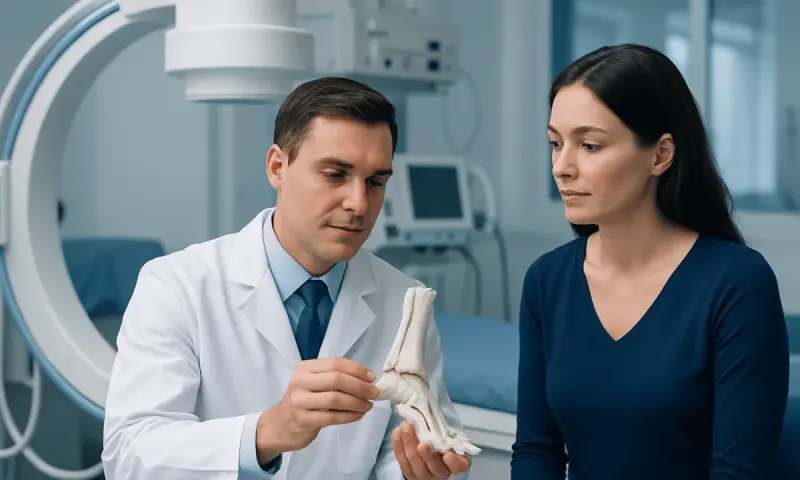
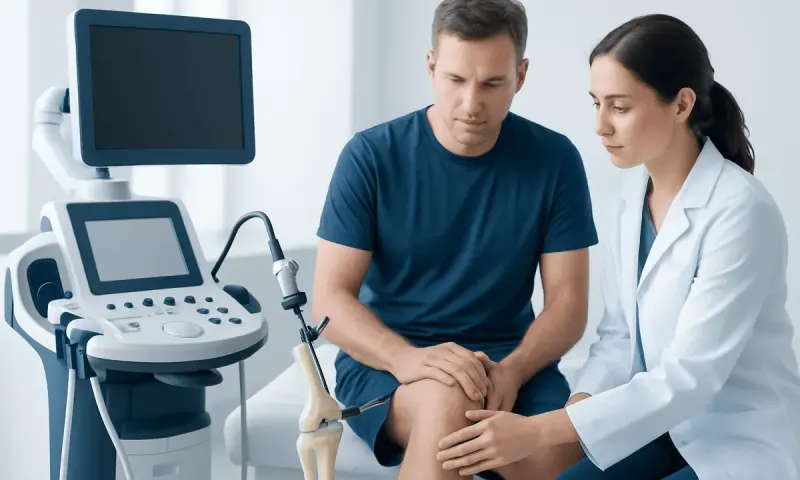
Diagnosis begins with a detailed history and physical examination. The doctor will ask how the pain started, whether there was an accident or overuse pattern, and whether the person can bear weight. They will also check for swelling, deformity, tenderness, circulation, and nerve function in the foot.
X-rays are the most common first test for a suspected tibia fracture. If the X-ray does not clearly show a stress injury or if the break appears complex, other imaging may be recommended. CT scans can help map a fracture in more detail, while MRI is often useful for early stress fractures or for assessing soft tissues around the bone.
For patients traveling from abroad, it is especially helpful to bring any previous imaging reports, discharge summaries, or medication lists. This can reduce delays and help the orthopedic team compare old and new findings, which matters when care needs to continue smoothly after the patient returns home.
Treatment Options
Treatment depends on whether the tibia is cracked, broken completely, displaced, or injured by overuse. Some stable fractures and stress injuries may heal with rest, activity modification, and immobilization in a boot or cast. More complex fractures may need surgery to realign and stabilize the bone so it can heal in the correct position.
Surgical options may include metal plates and screws, rods placed inside the bone, or external fixation in select cases. The choice depends on the fracture pattern, skin condition, soft-tissue injury, and the patient’s general health. Pain control, swelling reduction, and protection of the leg are important in the early phase regardless of whether treatment is surgical or non-surgical.
Rehabilitation is often part of the recovery path. Physical therapy may help restore strength, joint motion, balance, and walking confidence after the bone begins to heal. This stage matters because the knee and ankle can become stiff if the leg is protected for a long time.
- Rest and temporary limitation of activity
- Splint, cast, boot, or brace
- Crutches or other walking support
- Surgery for displaced or unstable fractures
- Rehabilitation to regain mobility and strength
Healing time varies widely. A simple stress fracture may improve with conservative care, while a major fracture can require months of follow-up. Doctors usually tailor return-to-sport or return-to-work advice to the imaging results, symptoms, and progress over time rather than using a one-size-fits-all timeline.
Prevention & Self-care
Not every tibia injury can be prevented, but many can be made less likely through sensible load management and general bone health. For active people, increasing training gradually, using appropriate shoes, and allowing recovery days can reduce repetitive strain on the shin. Good technique and cross-training may also help lower the risk of overuse injuries.
Bone health matters as well. Adequate calcium and vitamin D intake, regular weight-bearing exercise, and avoiding smoking support the skeleton over time. For people with osteoporosis or other conditions affecting bone strength, a doctor may recommend additional evaluation and treatment to protect against future fractures.
After a tibia injury, self-care should follow the treating doctor’s instructions. Elevation, safe use of ice if recommended, and respecting weight-bearing limits can help with early comfort. It is important not to rush back into sports or long-distance walking simply because the pain has eased, since the bone may still be healing.
Traveling patients may need to plan ahead for follow-up care, especially if they are flying soon after treatment. The care team may suggest mobility support, compression, or a scheduled check before departure, depending on the injury and treatment. Clear discharge instructions are valuable because they help the next clinician continue care without guesswork.
When to See a Doctor
A doctor should evaluate suspected tibia pain when it follows an injury, lasts more than a few days, or makes walking difficult. Persistent shin pain from exercise also deserves assessment, particularly if it worsens with activity or becomes painful at rest. Early review can distinguish a simple strain from a fracture that needs stabilization.
Emergency care is appropriate if the leg looks deformed, the pain is severe, the foot becomes numb or cold, or there is an open wound with possible bone exposure. These signs can suggest a serious fracture or circulation problem and should not be observed at home. Fever, redness, or increasing warmth after treatment also merit prompt medical attention because infection must be ruled out.
Patients who have received Herniated Disc Treatment Abroad: Injection, Rehab, or Surgery?" class="ahp-ilk">treatment abroad should keep their records organized and follow the planned review schedule. If symptoms are changing unexpectedly after returning home, a local doctor or the treating orthopedic team should reassess the leg rather than assuming the healing course is normal. Acibadem Health Point’s multidisciplinary specialists and JCI-accredited hospitals also diagnose and treat tibia-related orthopedic conditions for international patients, with coordinated care from evaluation through follow-up.
Recovery and Follow-up
Recovery from tibia injury is usually a step-by-step process. At first, the priority is protecting the bone and controlling pain and swelling. As healing progresses, the focus shifts to gentle movement, rebuilding strength, and restoring a normal walking pattern.
Follow-up visits matter because the tibia has to heal in the right position and at the right pace. The doctor may repeat X-rays or other imaging to confirm progress. If healing seems slower than expected, the plan may be adjusted to reduce stress on the bone or investigate factors that could be affecting recovery.
People often want to know when they can drive, work, travel, or return to sport. The answer depends on fracture stability, pain level, mobility, and the demands of the activity. A safe return usually means the person can bear weight comfortably, move without guarding, and has been cleared by the treating clinician.
Frequently asked questions
01What is the tibia bone?
The tibia is the larger bone in the lower leg and is commonly called the shin bone. It helps support body weight and connects the knee to the ankle.
02How can someone tell if the tibia is fractured?
A fracture often causes pain, swelling, tenderness, and trouble bearing weight. In more obvious cases, the leg may look deformed or unstable, but imaging is usually needed to confirm the diagnosis.
03Can a tibia stress fracture heal without surgery?
Many stress fractures heal with rest, activity changes, and temporary protection of the leg. A doctor may recommend follow-up imaging and a gradual return to activity once symptoms improve.
04How long does a tibia fracture take to heal?
Healing time varies depending on the type of fracture, overall health, and whether surgery was needed. The treating doctor will guide recovery based on symptoms, examination findings, and imaging results.
05Is walking on a painful shin safe?
Not always. Pain that increases with walking may be a sign of a fracture or stress injury, so it is better to avoid pushing through it until a doctor has assessed the leg.
06When should a person seek urgent help for a tibia injury?
Urgent care is important if the leg is deformed, the pain is severe, the foot feels numb or cold, or there is an open wound. These signs can point to a more serious injury that needs prompt medical attention.
This article is for general information only and is not a substitute for professional medical advice. Please consult a qualified doctor about your individual situation.
Joint and spine care in Turkey — expert assessment & treatment
JCI-accredited · board-certified surgeons · reply within 24h
Add us as a Preferred Source to see more of our trusted health content across Google Search, AI Overviews and Discover.