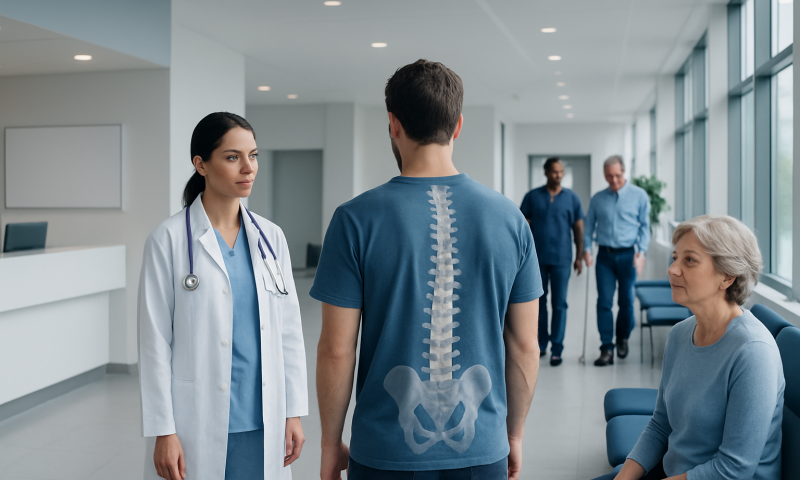
Thoracic Vertebrae: Anatomy and Function

Key Takeaways
- The thoracic vertebrae form the mid-back section of the spine and connect with the ribs.
- Pain in this region may come from muscle strain, posture-related stress, fracture, arthritis, or less commonly infection or tumor.
- Doctors usually combine a physical examination with imaging such as X-rays, CT, or MRI when needed.
- Treatment often begins with conservative measures, but persistent or severe symptoms may need specialist care.
- Good posture, regular movement, and back-strengthening habits can help protect the thoracic spine.
The thoracic vertebrae are the 12 bones in the middle of the spine that support posture, protect the chest organs, and help the rib cage move. When they are injured or affected by disease, discomfort can range from mild stiffness to more noticeable pain, and assessment is often straightforward with the right imaging and clinical examination.
Living with Thoracic Spine Problems
Many thoracic spine conditions are manageable once the cause is known. Recovery often depends on a balance of movement, symptom control, and realistic activity modification rather than complete rest.
Patients may find it helpful to keep a brief symptom diary, noting what worsens pain and what helps relieve it. This can be especially useful during second opinions or international consultations, where precise details support faster decision-making and a more tailored plan.
With the right diagnosis and a treatment plan that matches the underlying problem, most people can return to their usual routines gradually and safely.
Frequently asked questions
01What are the thoracic vertebrae?
The thoracic vertebrae are the 12 bones in the middle of the spine, labeled T1 to T12. They connect with the ribs and help support the chest while protecting important organs and the spinal cord.
02Can thoracic spine pain come from something other than the vertebrae?
Yes. Pain in the mid-back can also come from muscles, ligaments, discs, joints, or even nearby organs. That is why a proper medical evaluation is important when symptoms are persistent or unusual.
03Is thoracic spine pain always serious?
No, many cases are due to muscle strain, posture, or temporary irritation and improve with conservative care. However, pain after an injury or pain with numbness, weakness, fever, or weight loss should be checked by a doctor.
04Which tests are commonly used to evaluate thoracic vertebrae problems?
Doctors often begin with a physical examination and may use X-rays, CT, or MRI depending on the suspected cause. Blood tests may be added if infection or inflammation is a concern.
05Can posture affect the thoracic vertebrae?
Yes. Long periods of slouching, poor desk setup, and weak upper-back muscles can increase strain in the thoracic region. Small ergonomic changes and regular movement can make a meaningful difference.
06What should an international patient bring to a thoracic spine consultation?
It helps to bring previous imaging, written reports, a medication list, and a short history of symptoms. This allows the specialist to review the case efficiently and decide which tests or treatment steps are most appropriate.
This article is for general information only and is not a substitute for professional medical advice. Please consult a qualified doctor about your individual situation.
Medical weight-loss options in Turkey — costs & eligibility
JCI-accredited · board-certified surgeons · reply within 24h
Add us as a Preferred Source to see more of our trusted health content across Google Search, AI Overviews and Discover.