Rib Cage: Anatomy and Function

Key Takeaways
- The ribcage protects vital organs and supports breathing, posture, and upper-body movement.
- Ribcage pain may come from muscles, cartilage, bones, lungs, or other nearby structures.
- A rib fracture, muscle strain, and costochondritis are common causes of chest wall discomfort.
- Diagnosis often depends on history, examination, and sometimes imaging or other tests.
- Most ribcage conditions improve with conservative care, but breathing difficulty or severe pain should be assessed promptly.
The ribcage is a flexible bony framework that protects the heart and lungs while helping the body breathe and move. Problems affecting the ribs, muscles, cartilage, or nearby organs can cause pain, tenderness, or breathing discomfort that deserves proper evaluation.
Overview
The ribcage is more than a cage of bones around the chest. It is a moving structure that protects the heart, lungs, and major blood vessels while still allowing the chest to expand with each breath. Twelve pairs of ribs, the sternum, the spine, cartilage, and surrounding muscles all work together in a carefully balanced way.
When people notice pain in this area, they often describe it as pressure, sharpness, soreness, or a pulling sensation. The discomfort may come from the ribs themselves, the chest wall muscles, the cartilage between the ribs and breastbone, or structures inside the chest. That is why “ribcage pain” is a symptom, not a diagnosis, and the cause matters.
For international patients planning care away from home, ribcage symptoms can be especially disruptive because they affect breathing, sleep, and travel comfort. A clear evaluation helps determine whether the issue is minor and self-limited or whether it needs imaging, targeted treatment, or follow-up.
Symptoms
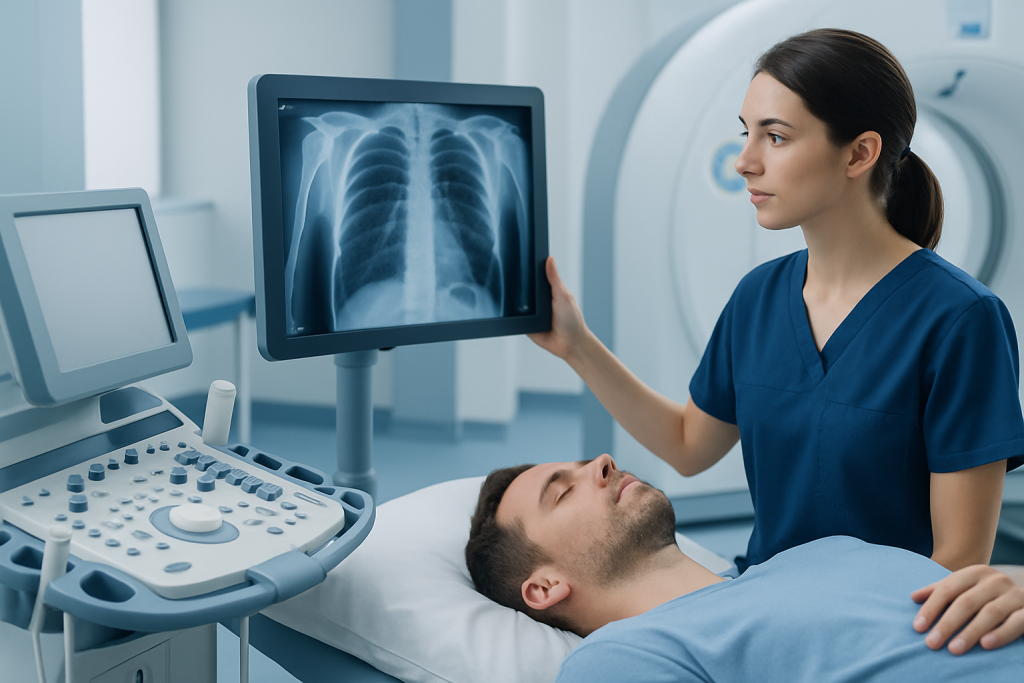
Ribcage-related problems can show up in different ways depending on the cause. Some people feel pain only when they take a deep breath, twist, cough, laugh, or press on a certain spot. Others notice a constant ache that becomes worse with movement or after physical activity.
Common symptoms may include:
- Localized tenderness over one rib or along the breastbone
- Sharp pain with breathing, sneezing, or coughing
- Bruising or swelling after an injury
- Pain that worsens when turning, lifting, or reaching
- A sensation of tightness or guarding in the chest wall
Some symptoms suggest that the problem may not be limited to the ribcage itself. Shortness of breath, fever, a persistent cough, pain spreading to the arm or jaw, or sudden severe chest pain should be taken seriously and evaluated promptly. Even when the cause turns out to be musculoskeletal, proper assessment helps rule out more serious conditions.
Causes & Risk Factors
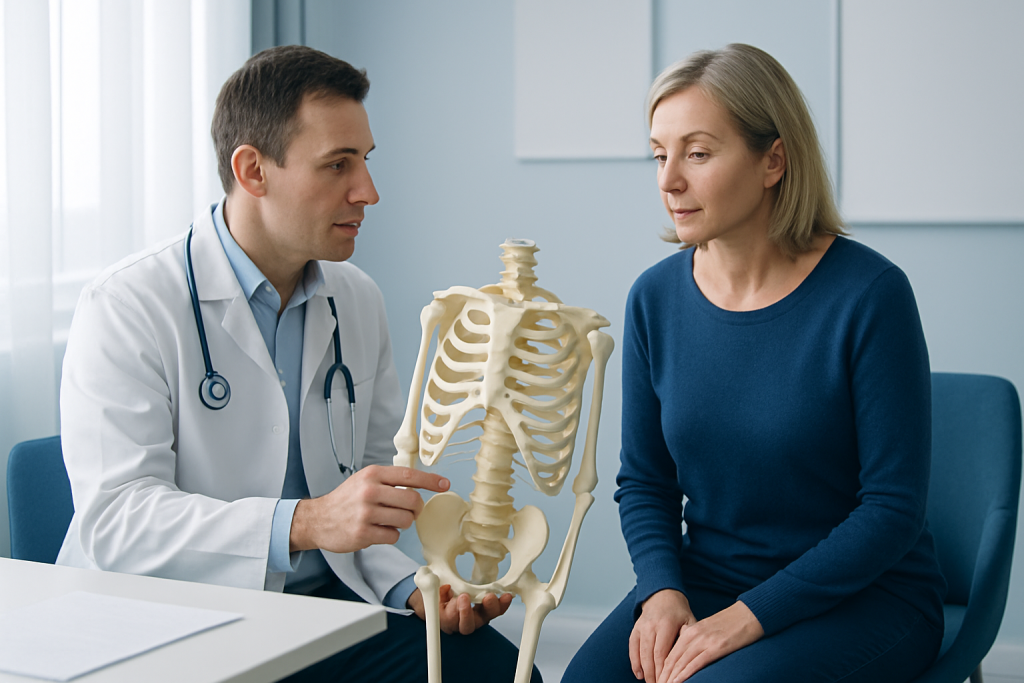
The ribcage can be affected by simple overuse as well as injury or inflammation. A rib fracture may follow a fall, sports collision, coughing spell, or direct blow to the chest. Muscle strains often occur after heavy lifting, repetitive upper-body activity, or sudden twisting. Costochondritis, which is irritation of the cartilage connecting the ribs to the sternum, can cause chest wall pain that feels alarming but is usually not dangerous.
Other possible causes include inflammation around the lungs, shingles, osteoporosis, joint irritation in the spine where ribs attach, or referred pain from organs such as the gallbladder or stomach. Because several body systems can create pain in the same area, careful history-taking is important.
Risk factors may include aging bones, poor posture, intense athletic training, chronic coughing, smoking-related lung disease, and conditions that weaken bone density. People who have had a recent accident, surgery, or respiratory infection may also notice chest wall discomfort during recovery. In international-patient settings, doctors often consider how long symptoms have been present, whether travel has aggravated them, and whether follow-up imaging should be arranged before the patient returns home.
Diagnosis
Diagnosis usually begins with a detailed discussion of the pain pattern. A doctor may ask where the discomfort started, whether it followed an injury or illness, and what makes it better or worse. A physical examination can reveal tenderness, swelling, bruising, breathing limitation, or signs that point to the chest wall, spine, or lungs.
Depending on the findings, the clinician may recommend imaging such as an X-ray, ultrasound, CT scan, or MRI. Not every ribcage pain requires every test; the choice depends on the suspected cause. For example, a simple muscle strain may not need advanced imaging, while a possible fracture, complication after trauma, or unexplained persistent pain may.
Because chest pain can have many origins, doctors may also order tests to look beyond the ribs if needed. These can include an ECG, blood tests, or lung studies when heart or lung causes are part of the picture. This stepwise approach helps avoid unnecessary testing while still keeping the evaluation thorough and safe.
Treatment Options
Treatment depends on the underlying cause. A minor rib injury or muscle strain often improves with rest, modified activity, ice or heat as advised by a clinician, and pain control tailored to the patient’s medical history. Breathing comfortably is important, so patients are usually encouraged not to breathe too shallowly for long periods.
For rib fractures, care is typically conservative unless there are complications. Doctors may recommend Knee Pain Relief: Causes and Treatment" class="ahp-ilk">pain relief, breathing exercises, and close observation so the lungs remain well expanded. In some cases, physical therapy helps restore movement and reduce protective muscle tension after the acute pain settles.
When inflammation of cartilage is the issue, treatment may focus on reducing irritation and avoiding movements that trigger pain. If the cause is a lung, bone, or abdominal condition, management is directed at that underlying problem. In selected cases, advanced care may include coordinated evaluation by orthopedics, pulmonology, or pain specialists, especially when symptoms are persistent or the patient is recovering while traveling.
Prevention & Self-care
Not every ribcage problem can be prevented, but several habits can lower risk. Using proper lifting technique, strengthening core and upper-back muscles, and warming up before sports can reduce strain on the chest wall. People with osteoporosis or other bone-weakening conditions should follow medical advice to support bone health and prevent fractures.
At home, gentle movement is often better than prolonged complete rest once a doctor has ruled out a serious cause. Good posture, supported coughing techniques when needed, and following a clinician’s breathing or rehabilitation instructions can all help recovery. If pain began after travel, a practical plan for medication, mobility, and follow-up can make a meaningful difference in comfort.
Patients should avoid self-diagnosing repeated chest pain as “just a muscle” if it is new, severe, or unusual for them. Safe self-care starts with knowing what has been evaluated and what warning signs should trigger a medical review. For travelers, carrying test results and imaging reports can make continuity of care easier after returning home.
When to See a Doctor
Medical evaluation is important when ribcage pain follows an injury, lasts more than a few days without improvement, or interferes with breathing, sleep, or daily movement. Pain that is severe, recurring, or associated with bruising, deformity, or marked tenderness should also be assessed.
Prompt care is especially important if the patient has shortness of breath, fever, dizziness, coughing up blood, fainting, or pain that spreads beyond the chest wall. These symptoms may indicate a problem involving the lungs, heart, or another organ and should not be watched at home without guidance.
For international patients, arranging care early can prevent delays in imaging, rehabilitation, or specialist review before travel plans change. Acibadem Health Point’s multidisciplinary specialists and JCI-accredited hospitals diagnose and treat ribcage-related conditions for international patients, with care plans that can support both treatment and follow-up across borders.
Frequently asked questions
01What does ribcage pain usually mean?
Ribcage pain often comes from the chest wall, such as muscles, ribs, or cartilage, but it can also be related to the lungs, heart, or digestive organs. The pattern of pain, its triggers, and any other symptoms help guide the next step. Because several conditions can feel similar, a medical evaluation is sometimes needed to find the real source.
02How can a doctor tell if a rib is fractured?
A doctor usually starts with a physical examination and asks about any injury or force to the chest. Imaging may be used if a fracture is suspected or if symptoms are persistent or severe. Some rib fractures can be subtle, so the overall clinical picture matters, not just one test.
03Is it safe to exercise with rib pain?
That depends on the cause and severity of the pain. Mild muscle soreness may improve with gentle movement, but pain from a fracture or inflammation can worsen with strain. It is best to ask a doctor before resuming exercise, especially if breathing is painful or the pain began after trauma.
04Can coughing cause ribcage pain?
Yes, repeated or forceful coughing can strain the chest wall muscles and sometimes even contribute to a rib fracture in vulnerable people. The pain is often sharp and worse with deep breaths or movement. If coughing is ongoing, the underlying respiratory cause should also be addressed.
05When is chest wall pain an emergency?
Chest pain is urgent if it comes with shortness of breath, fainting, sweating, blue lips, coughing up blood, or pain spreading to the arm, back, or jaw. Sudden severe pain after trauma also needs immediate evaluation. Even when the cause turns out to be benign, it is safer to rule out serious conditions first.
06How long does ribcage pain take to heal?
Recovery time varies widely because the cause matters. A mild strain may improve in days to weeks, while a rib fracture or inflammation can take longer. A doctor can give a more realistic timeline after identifying the source of the pain.
This article is for general information only and is not a substitute for professional medical advice. Please consult a qualified doctor about your individual situation.
Joint and spine care in Turkey — expert assessment & treatment
JCI-accredited · board-certified surgeons · reply within 24h
Add us as a Preferred Source to see more of our trusted health content across Google Search, AI Overviews and Discover.