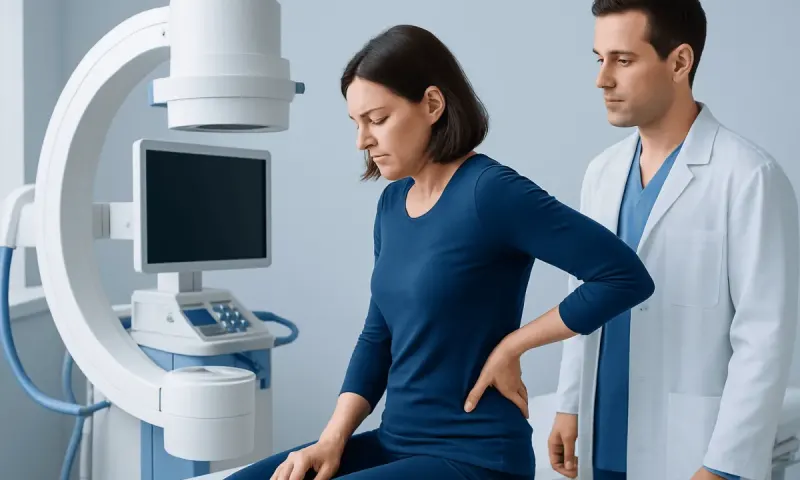
Thoracic Spine: Anatomy, Function and Common Conditions

Key Takeaways
- The thoracic spine supports the rib cage and helps keep the upper body stable and upright.
- Middle back pain can come from muscle strain, posture, disc problems, fractures, arthritis, or less common medical conditions.
- Diagnosis usually begins with a history and physical examination, with imaging used when needed to clarify the cause.
- Treatment may include activity changes, physical therapy, pain relief methods, and care for the underlying problem.
- Sudden pain, weakness, numbness, fever, or pain after trauma should be assessed by a doctor promptly.
The thoracic spine is the middle section of the backbone, connecting the neck to the lower back and helping protect the chest organs. Problems in this area can cause pain, stiffness, posture changes, or nerve-related symptoms, and many cases improve with timely evaluation and targeted care.
Overview
The thoracic spine is the middle portion of the backbone, made up of 12 vertebrae that sit between the neck and the lower back. It works like a sturdy bridge: flexible enough for movement, but strong enough to support the rib cage and protect the organs in the chest.
Because this part of the spine is naturally less mobile than the neck or lower back, problems there are sometimes overlooked. When discomfort does appear, it may feel like a dull ache between the shoulder blades, a sharp pain with twisting, or a tight band across the chest or upper back.
For international patients, thoracic spine symptoms can be especially disruptive during travel, long flights, carrying luggage, or sitting for extended periods. Understanding the anatomy and likely causes helps people decide whether the issue is temporary strain or something that deserves medical evaluation.
Symptoms
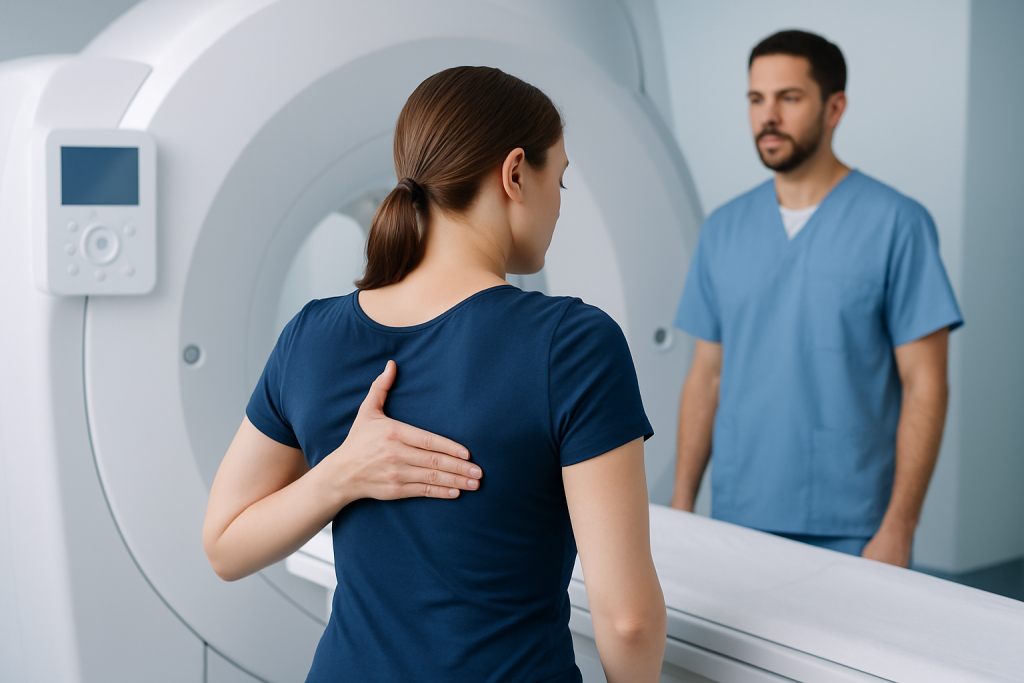
Thoracic spine problems do not always produce the same pattern of pain. Some people notice a steady soreness after work or travel, while others describe pain that spikes with deep breathing, bending, or turning the torso. Stiffness is common, and the upper back may feel as though it cannot fully straighten.
Depending on the cause, symptoms can extend beyond the back itself. Pain may wrap around the ribs, travel toward the chest, or be accompanied by tingling, numbness, or weakness if a nerve is involved. A person may also notice difficulty maintaining posture or a sense that one side of the back feels tighter than the other.
Important warning signs include pain after a fall or accident, unexplained fever, unintentional weight loss, night pain that does not ease with rest, or loss of bladder or bowel control. These symptoms do not automatically mean something serious, but they do warrant prompt medical review.
- Middle back pain or pressure
- Stiffness, especially after sitting
- Pain with twisting, lifting, or deep breathing
- Rib-cage or band-like pain
- Tingling, numbness, or weakness in some cases
Causes & Risk Factors

The thoracic spine can hurt for many reasons, and the source is not always inside the spine itself. Muscle strain is common, particularly after lifting, prolonged desk work, poor ergonomics, or sudden unaccustomed activity. Repetitive posture habits, such as hunching over a laptop or phone, can slowly irritate the muscles and joints that support the area.
Structural causes include disc problems, arthritis, spinal curvature changes such as scoliosis, compression fractures, and inflammation in the joints between the vertebrae and ribs. Less commonly, pain may come from infection, tumors, or referred pain from the heart, lungs, gallbladder, or digestive tract. That is one reason a careful history matters so much.
Risk is higher in people with osteoporosis, older age, previous spinal injury, heavy manual work, smoking, chronic inflammatory disease, or poor conditioning of the core and back muscles. Long travel, reduced movement, and carrying heavy bags can also aggravate symptoms, especially when the body is already under strain.
Diagnosis
Evaluation begins with a detailed discussion of the symptoms: where the pain is located, when it started, what makes it better or worse, and whether there was any injury, fever, or neurological change. A doctor will also examine posture, range of motion, muscle tenderness, and nerve function in the arms and legs.
Imaging is not required for every case of thoracic spine pain. When the pattern suggests trauma, fracture, nerve compression, infection, or another specific concern, a clinician may recommend X-rays, MRI, or CT scanning. Blood tests can be useful when inflammation or infection is suspected.
For travelers who arrive for care from another country, the diagnostic plan may be organized efficiently so tests and specialist reviews happen in sequence. That approach helps reduce delays while still allowing the team to choose the most appropriate study rather than ordering more than is needed.
Treatment Options
Treatment depends on the cause, not just the location of the pain. Simple muscle strain may improve with rest from aggravating activities, short-term pain relief measures, heat or cold, and guided stretching. When posture or movement habits contribute, physical therapy is often central because it addresses the mechanics that keep the problem recurring.
If arthritis, a disc problem, or nerve irritation is involved, a doctor may recommend a combination of medication, rehabilitation, and lifestyle adjustment. In some cases, injections or other procedures may be considered. Fractures, infections, or tumors require condition-specific treatment, which may involve bracing, medicine, or surgery.
Most people do best when care is tailored rather than generalized. A treatment plan that fits the diagnosis, the person’s activity level, and their travel schedule can make follow-up more realistic, especially for international patients who need a clear path back to daily life after leaving the hospital.
- Activity modification and rest from aggravating movements
- Physical therapy and posture retraining
- Heat, cold, and gentle mobility work
- Pain-relief medications when appropriate
- Bracing, injections, or surgery in selected cases
Prevention & Self-care
Many thoracic spine complaints respond well to small, consistent changes. A supportive chair, screen at eye level, and regular movement breaks can reduce strain during work or travel. When sitting for long stretches, standing up to extend the back and roll the shoulders may help keep the area from tightening.
Core and upper-back strength also matter. Gentle exercise, walking, swimming, and clinician-approved stretching can improve support around the thoracic spine. People with known osteoporosis should pay attention to bone health and fall prevention, since compression fractures can develop even after minor stress.
At home, it is usually sensible to avoid sudden heavy lifting, twisting under load, or forcing painful stretches. If symptoms are linked to a new exercise program, the better approach is often to scale back and rebuild gradually rather than stopping movement altogether for long periods.
- Use ergonomic support for work and travel
- Take short movement breaks every hour when possible
- Strengthen the back and core gradually
- Protect bone health and reduce fall risk
- Seek guidance before returning to high-load activity
When to See a Doctor
Medical assessment is advisable when thoracic spine pain lasts more than a short period, keeps returning, or begins to interfere with sleep, work, or travel. Even when the pain seems musculoskeletal, a doctor can help identify whether the source is a muscle, joint, disc, or something outside the spine.
Prompt evaluation is especially important if pain follows a fall, car accident, or other trauma; if there is weakness, numbness, or difficulty walking; or if there are systemic symptoms such as fever or unexplained weight loss. Pain that feels unusual for the person, especially chest-like or wrapping pain, also deserves attention because the spine is only one of several possible sources.
Acibadem Health Point offers access to multidisciplinary specialists and JCI-accredited hospitals for international patients who need diagnosis and treatment of thoracic spine conditions. The goal is clear, coordinated care that supports both recovery and safe follow-up after returning home.
Recovery and Follow-up
Recovery time depends on the cause. A mild strain may settle in days to weeks, while a fracture, inflammatory disorder, or nerve-related problem may need a longer plan. Improvement is usually tracked by pain level, movement, function, and the ability to resume normal routines without setbacks.
Follow-up is important because thoracic spine symptoms sometimes change as inflammation calms or activity increases. A doctor or physical therapist may adjust exercises, review posture habits, or recommend additional tests if the pain pattern is not improving as expected.
For patients who travel for treatment, written instructions and a clear rehabilitation plan are especially helpful. They make it easier to continue care at home, share information with local clinicians, and recognize when a new symptom should be reviewed again.
Living With Thoracic Spine Pain
Living with thoracic spine pain is often about finding the right balance between protection and movement. Rest alone can allow muscles to stiffen, while pushing too hard can keep irritation alive. The most sustainable path is usually gradual activity, careful posture, and treatment aimed at the actual cause.
When the condition is understood early, many people regain comfort and confidence in everyday tasks such as driving, sleeping, lifting, and working at a computer. For ongoing or complex problems, a coordinated team can help people navigate imaging, therapy, and specialist review without unnecessary repetition.
Knowing when to seek help is part of good self-care. The thoracic spine is built for support, but it still deserves attention when pain, stiffness, or neurological symptoms begin to change the way a person moves through the day.
Frequently asked questions
01What does thoracic spine pain usually feel like?
It often feels like soreness, stiffness, or a deep ache in the middle back. Some people also notice pain that wraps around the ribs or worsens with twisting, sitting, or deep breathing.
02Is thoracic spine pain always caused by a spine problem?
No. While the spine and surrounding muscles are common sources, pain can also be referred from the chest, lungs, digestive system, or other organs. A proper medical assessment helps sort out the cause.
03When should imaging be considered for thoracic spine pain?
Imaging is often used when there has been trauma, when symptoms suggest nerve involvement, or when infection, fracture, or another specific condition is suspected. In many straightforward muscle strains, imaging is not immediately necessary.
04Can posture really affect the thoracic spine?
Yes. Long periods of slouched sitting, screen use, or carrying weight unevenly can strain the muscles and joints around the thoracic spine. Small changes in ergonomics and movement habits can make a meaningful difference.
05Does thoracic spine pain ever require surgery?
Most cases do not. Surgery is usually reserved for problems such as significant fractures, severe nerve compression, instability, infection, or tumors when other treatments are not enough.
06How can a traveler manage thoracic spine discomfort during a trip?
Regular standing breaks, gentle stretching, supportive luggage handling, and avoiding very long periods in one position may help. If symptoms are severe, progressive, or associated with other warning signs, medical care should be sought rather than waiting for the trip to end.
This article is for general information only and is not a substitute for professional medical advice. Please consult a qualified doctor about your individual situation.
Medical weight-loss options in Turkey — costs & eligibility
JCI-accredited · board-certified surgeons · reply within 24h
Add us as a Preferred Source to see more of our trusted health content across Google Search, AI Overviews and Discover.