Metacarpals: Anatomy and Function

Key Takeaways
- Metacarpals are the long bones between the wrist and fingers, and they are essential for hand strength and movement.
- Fractures, sprains, and joint injuries can happen after falls, sports, punching injuries, or crush trauma.
- Diagnosis usually involves a physical exam and X-rays, with other imaging used when needed.
- Treatment may include splinting, casting, hand therapy, or surgery depending on the bone, fracture pattern, and alignment.
- Early evaluation helps protect hand function and lowers the risk of stiffness, weakness, or long-term deformity.
The metacarpals are the five long bones that form the middle framework of the hand and help with gripping, pinching, and fine movement. Because they are central to hand function, injuries to these bones can affect daily tasks, work, and recovery plans.
Overview
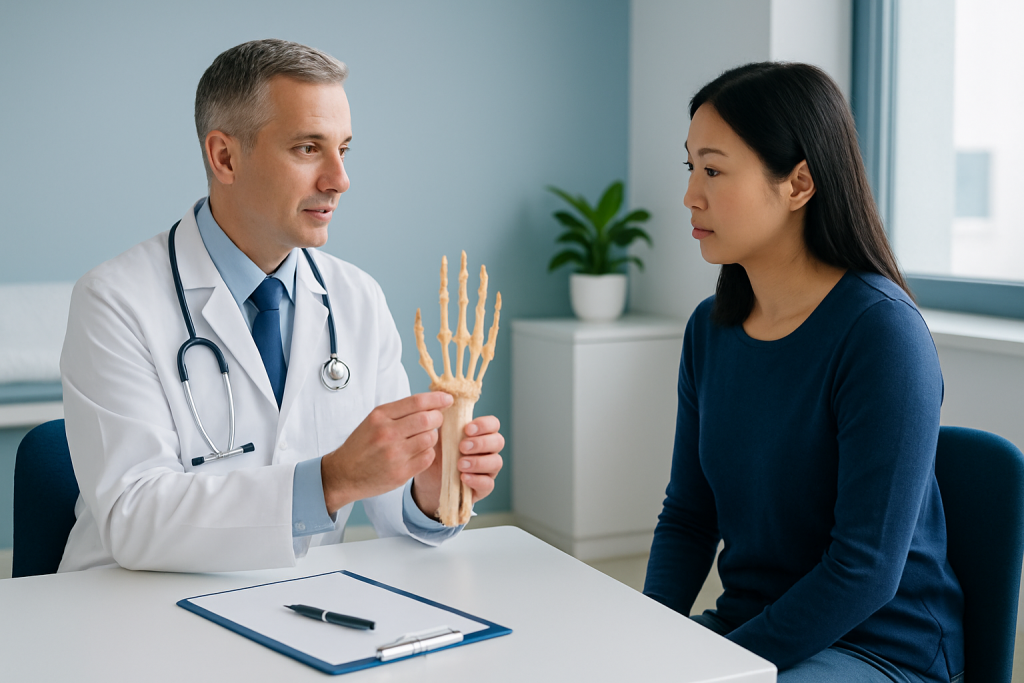
The metacarpals are the five long bones that sit between the wrist bones and the finger bones. They create the palm’s framework and give the hand its shape, stability, and reach.
Each metacarpal supports a finger, and together they allow the hand to close around objects, open fully, and perform precise tasks such as writing, buttoning clothing, or holding a phone. When a metacarpal is injured, even a small problem can affect grip, comfort, and confidence using the hand.
In clinical practice, metacarpal problems are often discussed in the context of Orthopedist" class="ahp-ilk">sports injuries, falls, work-related accidents, or direct impact to the hand. For international patients seeking care, it is often helpful to understand not only what the bone does, but also how diagnosis and treatment decisions are made, especially when planning follow-up after returning home.
Symptoms

Metacarpal injuries usually cause pain along the palm or back of the hand, especially when the hand is squeezed or used. Swelling and bruising are common, and the hand may feel tender when touched.
Depending on the injury, a person may notice difficulty making a fist, reduced grip strength, or a finger that seems out of line with the others. Some fractures cause the finger to rotate slightly when the hand is closed, which can interfere with normal hand function.
Other signs can include:
- Pain that worsens with movement or pressure
- Visible swelling or a dent in the hand
- Limited motion in the finger or wrist
- Numbness or tingling if swelling affects nearby nerves
- Difficulty holding or lifting objects
Not every metacarpal problem is a fracture. Sprains, ligament injuries, and joint dislocations can create similar symptoms, which is why a careful examination matters.
Causes & Risk Factors
Metacarpal injuries often happen when force is transmitted directly through the hand. A common example is a fall onto an outstretched hand, but sports collisions, punching a hard surface, and crushing accidents can also injure these bones.
Some injuries are linked to repeated stress rather than a single event. People who use vibrating tools, perform heavy manual work, or participate in sports with frequent hand impact may be more exposed to strain and overuse.
Factors that can raise the chance of injury or delay recovery include:
- Contact sports or boxing-type impact
- Falls in older adults or people with balance problems
- Osteoporosis or low bone density
- Previous hand fractures or deformity
- Delayed treatment after injury
Because the hand is so often used, even a minor injury can become more troublesome if swelling, stiffness, or poor alignment is not addressed early.
Diagnosis
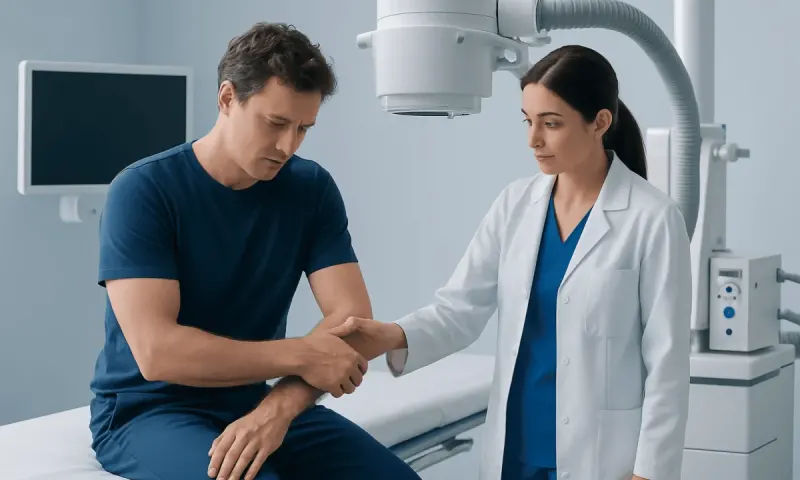
Diagnosis begins with a history of how the injury happened and a hands-on examination. A clinician will look for swelling, tenderness, finger alignment, and whether the fingers rotate or overlap when the hand is closed.
X-rays are usually the first imaging test because they show whether a metacarpal is broken, displaced, shortened, or angled. In some cases, additional views are needed to see the fracture clearly, especially if symptoms suggest injury but the first films are not conclusive.
If the injury is complex, if joint involvement is suspected, or if healing is not progressing as expected, a doctor may recommend CT or other imaging. This is especially helpful for planning care when a patient is traveling internationally and needs a treatment plan that can be shared with their local physician for continued follow-up.
Treatment Options
Treatment depends on which metacarpal is injured, how the bone is positioned, and whether the fracture is stable. Some fractures can heal well with splinting or casting, while others need surgery to restore alignment and hand mechanics.
Non-surgical care commonly includes immobilization, pain control, elevation, and repeat examination to be sure the bones remain in a good position. Hand therapy may follow once it is safe to begin movement, because stiffness can develop quickly if the hand stays still too long.
Surgery may be considered when there is significant displacement, rotation, shortening, multiple fractures, open injury, or joint surface involvement. Procedures may use pins, screws, or plates to stabilize the bone and support healing.
Recovery plans are usually individualized. A person who needs to fly home after treatment may be given guidance on wound care, splint use, safe movement, and the timing of follow-up imaging so that healing continues smoothly across borders.
Prevention & Self-care
Not every metacarpal injury can be prevented, but many risks can be lowered with practical habits. Protective gloves, sports technique coaching, and proper equipment can reduce the chance of direct trauma during work or athletic activity.
For everyday self-care, early rest and protection after a hand injury are important. Elevating the hand can help limit swelling, and using the hand according to medical instructions supports safer recovery.
Helpful steps include:
- Wearing protective gear during high-risk activities
- Using safe lifting and tool-handling techniques
- Treating swelling promptly with rest and elevation
- Following splint or cast instructions carefully
- Attending hand therapy if recommended
People with osteoporosis or repeated hand injuries may benefit from broader bone-health care, including medical review of fall risk, nutrition, and exercise appropriate to their condition.
When to See a Doctor
A hand injury should be evaluated soon if pain is significant, swelling is increasing, or the fingers do not line up normally. Prompt assessment is especially important if the hand cannot make a fist, the injury followed a strong impact, or there is visible deformity.
Urgent medical attention is needed if there is numbness, blue or pale fingers, an open wound over the injured area, severe pain, or inability to move the fingers. These can suggest circulation, nerve, or more serious bone or soft tissue injury.
For people traveling for care, it is sensible to ask for a clear written summary of the diagnosis, imaging findings, treatment plan, and expected follow-up timeline. Acibadem Health Point’s multidisciplinary specialists and JCI-accredited hospitals diagnose and treat metacarpal injuries for international patients, with attention to coordinated follow-up after discharge.
Even when symptoms seem mild, a doctor’s evaluation can prevent a missed fracture and reduce the chance of long-term stiffness or weakness in the hand.
Living With Recovery
Healing from a metacarpal injury is not only about bone repair; it is also about regaining trust in the hand. Many patients notice that everyday tasks feel awkward at first, especially when writing, cooking, driving, or opening containers.
Recovery is usually smoother when patients follow the plan consistently and avoid returning too quickly to forceful gripping or impact. Hand exercises, when approved by the treating team, help restore movement and can make a meaningful difference in long-term function.
For international patients, recovery may involve leaving the treating center before all follow-up visits are complete. In that situation, sharing the medical records with a local orthopedic or hand specialist helps keep care connected and reduces the chance of confusion about splint removal, therapy, or repeat imaging.
FAQs
Are the metacarpals the same as the finger bones?
No. The metacarpals are the bones in the palm, while the finger bones are called phalanges. The metacarpals connect the wrist to the fingers and help the hand move as a unit.
Can a metacarpal fracture heal without surgery?
Yes, some metacarpal fractures heal well without surgery if the bone remains stable and well aligned. A doctor decides based on the fracture pattern, rotation, and how much the bone has shifted.
Why do hand fractures sometimes affect gripping so much?
The metacarpals form the hand’s support structure, so even small changes in alignment can change how the fingers close. Pain, swelling, and stiffness can also make the hand feel weak during recovery.
How long does recovery take?
Healing time varies based on the injury and the treatment used. Many people need several weeks of protection, followed by a period of gradual motion and strengthening, but the treating doctor should guide the timeline.
What is the biggest risk if a metacarpal injury is ignored?
The main concern is that the bone may heal in a poor position or that stiffness may develop. That can affect grip, appearance, and hand function, even after the pain improves.
Can swelling alone mean a metacarpal fracture?
Swelling can happen with many hand injuries, not only fractures. Because symptoms overlap, an exam and often an X-ray are needed to understand what has happened.
This article is for general information only and is not a substitute for professional medical advice. Please consult a qualified doctor about your individual situation.
Joint and spine care in Turkey — expert assessment & treatment
JCI-accredited · board-certified surgeons · reply within 24h
Add us as a Preferred Source to see more of our trusted health content across Google Search, AI Overviews and Discover.