Receding Hairline in Women: Finding the Cause
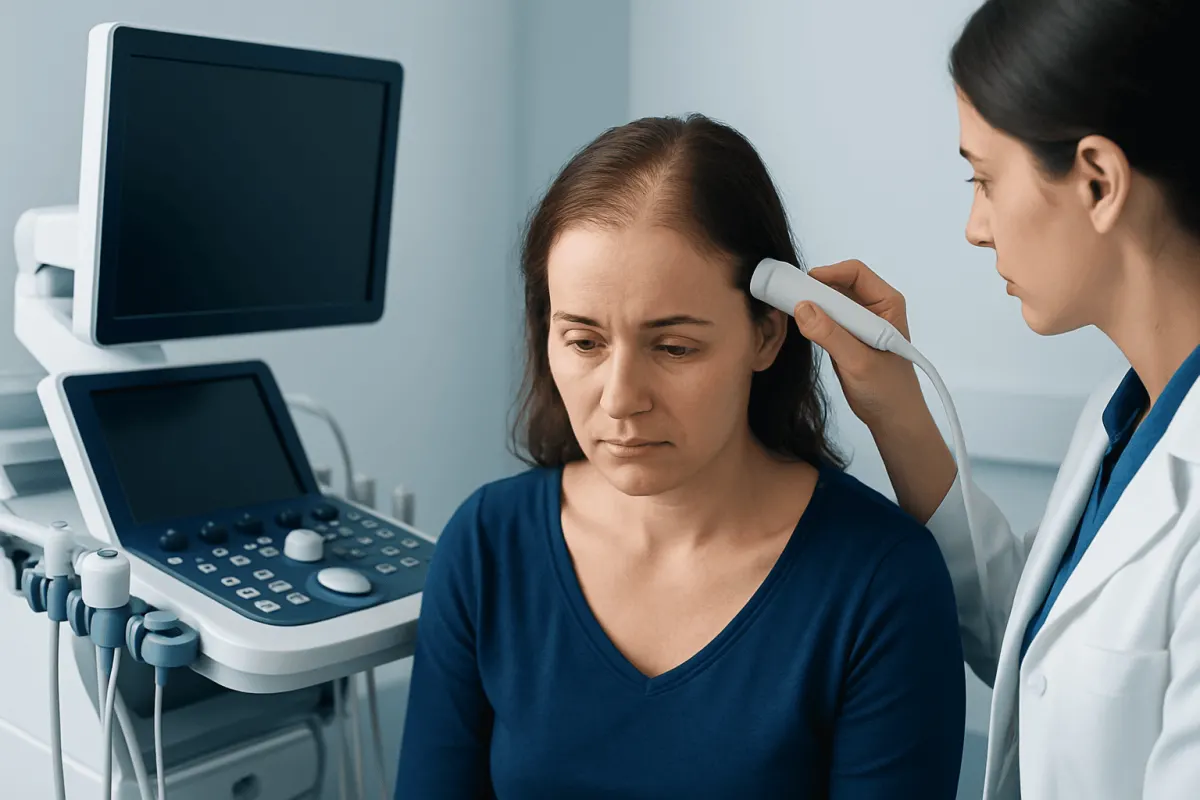
A receding hairline in women can have several causes, including genetic hair thinning, traction from hairstyles, hormonal changes, inflammatory scalp disease, or temporary shedding. Effective treatment begins with identifying the cause; for selected patients with stable hair loss, medical therapy and hairline restoration procedures may help improve density and shape.
Overview: What a Receding Hairline Means in Women
A receding hairline female pattern can describe gradual thinning at the temples, widening around the frontal scalp, or a higher-looking forehead caused by loss of hairs along the hairline. Although it is often associated with men, hairline recession can also affect women at different ages, including women seeking female receding hairline at 20 treatment. It is not a diagnosis by itself, so the most useful first step is identifying why the hairline is changing.
Some causes are temporary and can improve when the trigger is addressed. Others, such as female pattern hair loss or longstanding traction alopecia, may require ongoing management or a procedural approach. A dermatologist or hair-loss specialist can assess the scalp, hair distribution, medical history, medicines, nutrition, menstrual history, and family history to guide care.
Female receding hairline solutions should be individualized. They may include changing damaging hair practices, treating scalp inflammation or nutritional deficiencies, using clinician-recommended medicines, cosmetic camouflage, or hair transplant surgery when loss is stable and there is adequate donor hair.
Symptoms, Causes and Risk Factors
Hairline recession may develop slowly, with less density at the temples or front of the scalp, a visibly broader forehead, or more scalp showing when hair is pulled back. Some women notice increased shedding first, while others see gradual miniaturization, where hairs become finer and shorter over time. A hairline that has always been naturally high is different from active, progressive hair loss.
Common causes include female pattern hair loss, traction alopecia from repeated tight braids, ponytails, extensions, wigs, or chemical and heat damage, and telogen effluvium after illness, major stress, childbirth, weight changes, or surgery. Thyroid disease, iron deficiency, some medications, and autoimmune conditions may also contribute. Inflammatory or scarring forms of hair loss can cause redness, itching, burning, scale, tenderness, or shiny areas with absent follicle openings.
Risk may be higher with a family history of thinning, repeated tension on the hairline, hormonal shifts around pregnancy or menopause, poorly controlled endocrine conditions, restrictive diets, and certain scalp disorders. Prompt assessment is particularly important if the hairline change is rapid, patchy, or accompanied by scalp discomfort, because some causes need early treatment to prevent permanent loss.
Can a Female Receding Hairline Be Fixed?

Can a female receding hairline be fixed? In many cases, it can be improved, stabilized, or cosmetically restored, but the outcome depends on the cause and whether hair follicles remain viable. For example, early traction-related hair loss may improve when tension is stopped, while temporary shedding often settles after the underlying trigger has resolved. Longstanding scarring hair loss may not regrow without specialized treatment and may leave permanent areas of loss.
For female pattern hair loss, treatment commonly aims to slow progression and preserve existing hair. A clinician may discuss topical or oral medicines when appropriate, evaluate possible contributing conditions, and recommend supportive hair and scalp care. Results vary, and treatment often needs to continue to maintain benefit.
Female receding hairline surgery may be considered when the hair loss pattern is stable, the scalp is healthy, and there is enough suitable donor hair. Hair transplantation redistributes a person’s own follicles rather than creating new follicles. It can improve a hairline’s density or framing, but it does not stop ongoing hair loss elsewhere, so a long-term plan is important.
Hairline Restoration Procedure: How It Works and Who May Be a Candidate
Hairline restoration usually refers to a hair transplant procedure in which follicular units are taken from a donor region, commonly the back or sides of the scalp, and placed into carefully designed recipient sites along the frontal hairline. The surgeon considers facial proportions, current hair density, natural direction of growth, hair texture, and the likelihood of future thinning. A conservative, natural-looking design is especially important because transplanted hairs are intended to be permanent.
Suitable candidates generally have a stable pattern of loss, adequate donor density, realistic expectations, and no uncontrolled scalp disease. A thorough consultation helps distinguish stable hairline recession from active diffuse shedding, autoimmune disease, or scarring alopecia. In some situations, a clinician may advise treating the underlying condition and monitoring stability before considering surgery.
People with active inflammation, untreated nutritional or hormonal concerns, unrealistic expectations, or insufficient donor hair may not be suitable at that time. The assessment may include scalp examination, dermoscopy, photographs, blood tests when indicated, and discussion of current medications. A personalized plan can also address non-surgical options before or alongside a procedure.
What Happens During Female Receding Hairline Surgery?
Before the procedure, the clinical team confirms the planned hairline and provides instructions about medications, smoking, alcohol, hair products, and transportation. Most hair transplant procedures are performed with local anesthesia, sometimes with additional medication to support comfort. The exact technique varies, but the purpose is to harvest follicles while protecting the donor area and then implant them at the correct angle and distribution.
During implantation, single-hair grafts are often placed at the leading edge of the hairline to create a softer transition, with grafts containing more hairs placed behind them for density. The procedure may take several hours depending on the size of the area and number of grafts needed. Patients are typically awake and can go home the same day, provided their clinical team agrees.
Afterward, the recipient and donor sites are covered or left according to the technique used. Written aftercare instructions are essential. They usually address gentle cleansing, sleeping position, exercise restrictions, sun protection, and when normal styling can resume. Follow-up appointments allow the team to check healing and support long-term hair care.
How Long Does It Take to Recover From a Hairline Restoration Procedure?
How long does it take to recover from a hairline restoration procedure? Most people return to light daily activities within several days, although visible redness, small crusts, swelling, or tenderness can last for about one to two weeks. The donor area may feel tight or sore briefly, and the recipient area needs protection from rubbing, picking, strong sunlight, and strenuous exercise during the early healing period.
Transplanted hairs commonly shed within the first few weeks. This can be expected and does not necessarily mean the follicles have failed. New growth usually begins gradually after several months, and the appearance continues to mature over roughly 9 to 12 months; finer hairline grafts can take longer to blend fully with surrounding hair.
Recovery instructions vary by technique, medical history, and the extent of the procedure. Patients should contact their clinician promptly if they develop increasing pain, spreading redness, fever, unusual drainage, significant swelling, or any concern about healing. Following aftercare guidance helps reduce preventable complications and protects newly placed grafts.
Does Estrogen Restore Hairline? What Results Can Be Expected?
Does estrogen restore hairline? Estrogen is not a standard, universal treatment for a receding hairline. Hormonal changes can influence the hair cycle, and some women experience thinning around menopause or after changes in hormonal contraception. However, estrogen therapy is only considered for specific medical reasons after a clinician weighs potential benefits and risks; it should not be started solely to treat hair loss.
What is the success rate of receding hairline treatment? There is no single percentage that applies to every woman because results depend on the diagnosis, degree and duration of loss, treatment consistency, donor-hair quality, surgical technique, and whether ongoing loss is controlled. Medical treatment may reduce shedding or help preserve existing hair, while a successful transplant can produce long-lasting growth from transplanted follicles in appropriate candidates.
Benefits of hairline restoration can include improved framing of the face, improved density in selected areas, and hair that can be washed and styled normally after healing. Risks include temporary swelling, bleeding, infection, numbness, scarring, shock loss of nearby hairs, uneven density, an unnatural-looking hairline, and grafts that do not grow as expected. A qualified specialist can explain realistic outcomes and alternatives in the individual case.
When to Seek Medical Care
A woman should seek medical care for a new or worsening receding hairline, especially if hair loss is sudden, occurs in patches, or is accompanied by itching, pain, burning, redness, scaling, sores, or scarring. Medical review is also appropriate when hair loss follows a new medication, major illness, childbirth, rapid weight change, or signs of hormonal imbalance such as irregular periods, acne, or increased facial hair growth.
Early consultation can be valuable because some inflammatory and scarring scalp conditions require prompt treatment. A clinician can also screen for treatable contributors such as thyroid disease, iron deficiency, or other nutritional concerns when relevant. Avoid unregulated supplements or hormonal products marketed for hair growth, as these may be ineffective or unsafe for some people.
Acıbadem Health Point’s multidisciplinary specialists and JCI-accredited hospitals support international patients with assessment and treatment planning for hair and scalp concerns, including appropriate procedural referrals. A consultation can help determine whether monitoring, medical management, or a hair restoration procedure is the most suitable next step.
Frequently asked questions
01What causes a receding hairline in women?
A receding hairline in women can result from female pattern hair loss, repeated pulling from tight hairstyles, temporary shedding after physical or emotional stress, hormonal changes, nutritional deficiencies, thyroid disease, or inflammatory scalp conditions. The pattern and accompanying scalp symptoms help clinicians determine the likely cause. A professional assessment is useful because treatment differs substantially between causes.
02Can tight hairstyles cause permanent hairline loss?
Repeated tension from braids, extensions, tight ponytails, buns, or wigs can cause traction alopecia. Early traction-related loss may improve after reducing tension and treating scalp irritation. If follicles have been damaged over a long time, some hair loss may become permanent and a procedural option may be discussed after the condition is stable.
03Is a hair transplant suitable for every woman with a receding hairline?
No. Hair transplantation is most suitable for carefully selected people with stable hair loss, a healthy scalp, sufficient donor hair, and realistic expectations. Active scarring alopecia, rapidly progressing loss, or diffuse thinning may require medical treatment and observation before surgery is considered.
04Will transplanted hair fall out after a hairline procedure?
The transplanted hair shafts often shed in the first few weeks after surgery, which is a common part of the growth cycle. The implanted follicles can remain beneath the skin and begin producing new hairs several months later. Final density and texture develop gradually, so results should be assessed over many months rather than immediately.
05Does estrogen restore hairline loss in women?
Estrogen is not routinely prescribed as a hairline restoration treatment. It may affect hair cycling in some hormonal situations, but hormone therapy has specific indications and potential risks. A doctor should evaluate the cause of hair loss before considering any hormonal treatment.
06What can a woman do while waiting for hair loss treatment to work?
Gentle hair care can reduce further breakage and traction: avoid tight styles, limit harsh chemical processing and heat, and use camouflage options if desired. Eating a balanced diet and addressing diagnosed medical or nutritional issues can also support overall hair health. It is important to follow the clinician’s treatment plan consistently, since hair growth changes usually take months to become visible.
This article is for general information only and is not a substitute for professional medical advice. Please consult a qualified doctor about your individual situation.
Hair transplant in Turkey — costs, graft counts & a free assessment
JCI-accredited · board-certified surgeons · reply within 24h
Add us as a Preferred Source to see more of our trusted health content across Google Search, AI Overviews and Discover.