Tennis Elbow: Symptoms, Causes and Treatment

Key Takeaways
- Tennis elbow usually develops from repeated strain on the forearm tendons, not from a single dramatic injury.
- Pain is often felt on the outer elbow and may spread into the forearm or worsen with gripping and twisting.
- Diagnosis is usually based on a medical history and physical examination, with imaging used when another problem is suspected.
- Early treatment focuses on reducing strain, calming pain, and gradually restoring strength and flexibility.
- Most cases improve without surgery, but persistent symptoms deserve medical evaluation and a personalized rehabilitation plan.
Tennis elbow is a common overuse injury that causes pain on the outside of the elbow, often linked to repeated gripping, lifting, or racquet sports. Most people improve with rest, activity changes, rehabilitation, and time, though a doctor can confirm the cause and guide treatment if symptoms persist.
Overview
Tennis elbow is the common name for lateral epicondylitis, a condition that develops when the tendons on the outside of the elbow become irritated by repeated use. Despite the sports-related name, many people who develop it have never played tennis. It can appear in anyone whose hands, wrists, or forearms are asked to do the same motion again and again.
The pain usually begins gradually. A person may first notice discomfort when lifting a kettle, turning a doorknob, carrying luggage, typing for long periods, using tools, or opening jars. For some travelers and active adults, the problem becomes especially noticeable when packing, lifting bags, or managing work while on the move. The encouraging part is that tennis elbow often responds well to practical changes and rehabilitation rather than aggressive treatment.
Understanding the condition matters because elbow pain can come from several sources. A careful assessment helps separate tennis elbow from arthritis, nerve irritation, neck-related pain, or other tendon problems, so the right plan can be chosen early.
Symptoms
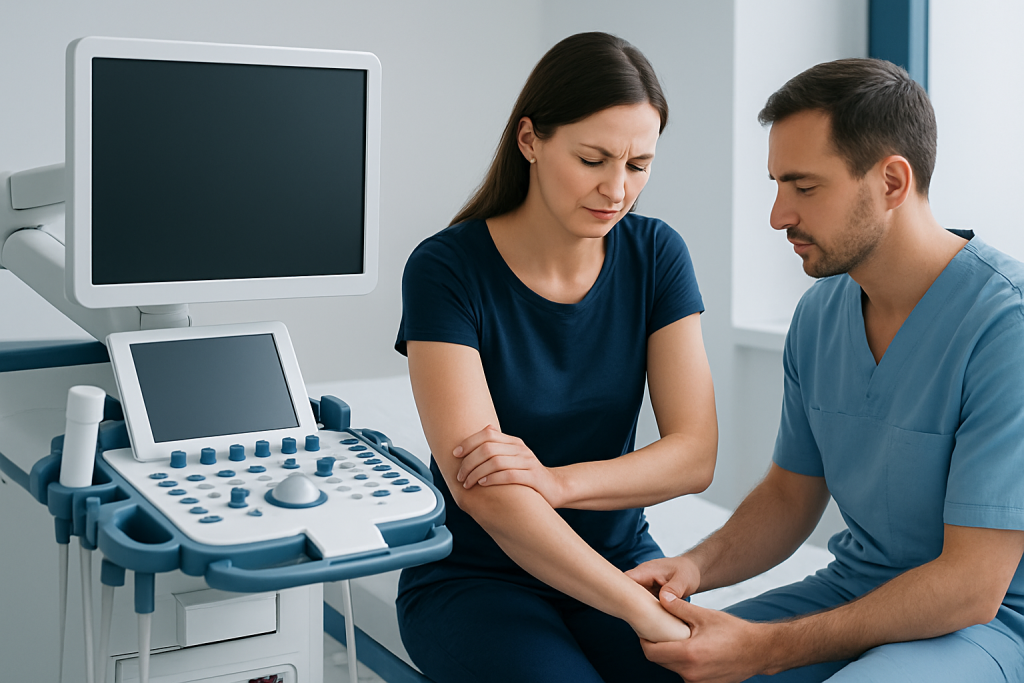
The most recognizable symptom is a sore or aching sensation on the outer part of the elbow. The discomfort may stay local or travel down the forearm, especially during gripping activities. Some people notice that the area feels tender when they press on it.
Everyday tasks often reveal the pattern more clearly than exercise does. Turning a key, shaking hands, holding a shopping bag, lifting a pan, or straightening the wrist can all bring on pain. The affected arm may also feel weak, not because the muscles are damaged, but because pain makes it hard to grip firmly.
Symptoms can be mild at first and then become more persistent if the tendon continues to be overloaded. A person may feel better on days with less activity and worse after repeated use. If numbness, marked swelling, fever, or sudden loss of motion is present, another condition may be involved and medical review is important.
Causes & Risk Factors

Tennis elbow usually develops when the forearm muscles that help extend the wrist are used over and over again. Over time, the tendon attachment at the outer elbow can become irritated and develop small areas of wear. This is why the condition is linked to overuse rather than a single isolated event in most cases.
Activities that involve repetitive gripping, twisting, lifting, or wrist motion can raise the risk. These include racquet sports, carpentry, painting, plumbing, assembly work, gardening, cooking, and frequent computer or mouse use in some people. Even a temporary change in routine, such as carrying heavy luggage during travel, may aggravate a tendon that is already sensitive.
Risk is also influenced by technique, equipment, and workload. Poor form in sport, an awkward workstation, tools that are too heavy, or a sudden increase in activity can all contribute. Age may play a role too, since tendons may recover more slowly as the body gets older, but tennis elbow can happen at many stages of adult life.
Diagnosis
Doctors usually diagnose tennis elbow by listening to the person’s story and examining the arm. They may ask which motions trigger pain, how long the symptoms have been present, and whether the person has recently changed work, sport, or daily tasks. A hands-on examination often includes checking for tenderness around the outer elbow and testing pain with resisted wrist movement or gripping.
Imaging is not always required. When the diagnosis is straightforward, treatment can begin without scans. However, if the symptoms are unusual, long-lasting, or not improving as expected, a doctor may suggest ultrasound or MRI to look more closely at tendons and nearby structures. X-rays may be used when bone or joint problems need to be ruled out.
Because elbow pain can sometimes come from the neck, shoulder, or nerves in the arm, the evaluation may extend beyond the elbow itself. This broader view is especially helpful for people who are seeking care while traveling and need a clear diagnosis before returning home or continuing rehabilitation elsewhere.
Treatment Options
Treatment usually starts with lowering stress on the irritated tendon. That may mean temporarily reducing racquet play, changing how lifting is done, taking breaks from repetitive tasks, or modifying work equipment. The goal is not complete inactivity, but a smarter balance that allows the tendon to calm down while the rest of the arm stays active.
Pain relief measures may include ice, short-term use of anti-inflammatory medicines when appropriate, and sometimes a forearm strap or brace to reduce strain during activity. A doctor or physical therapist may recommend exercises to improve flexibility and gradually rebuild strength in the forearm and wrist. These exercises are often central to recovery, since tendon health tends to improve with structured loading rather than rest alone.
Additional options may be considered if symptoms continue. In selected cases, a clinician might discuss injections or other procedures, but these are not first-line choices for everyone. Surgery is uncommon and usually reserved for persistent cases that do not respond to well-directed non-surgical care. For international patients, a multidisciplinary team can coordinate imaging, rehabilitation, and follow-up so the plan remains practical after returning home.
Prevention & Self-care
Small changes in daily habits can make a meaningful difference. People who play sports or use their hands repetitively may benefit from warming up before activity, checking technique, and avoiding sudden spikes in training or workload. In the workplace, adjusting tool size, wrist position, and desk setup can reduce strain.
At home, it helps to notice which motions provoke pain and then spread tasks out instead of repeating the same movement for long stretches. Using both hands for heavy items, keeping objects close to the body, and choosing lighter bags when possible can protect the elbow. If a brace or strap is recommended, it should be used as part of a larger recovery plan rather than as the only solution.
- Take brief breaks from repetitive gripping or twisting.
- Use gradual exercise to rebuild forearm strength.
- Keep the wrist in a neutral position during lifting when possible.
- Pay attention to technique, posture, and equipment fit.
- Seek early help if pain keeps returning or limiting daily tasks.
For people recovering while away from home, self-care works best when it is easy to continue. A clear exercise plan, written guidance, and a realistic schedule for follow-up can make recovery smoother after travel.
When to See a Doctor
Medical advice is helpful if elbow pain lasts more than a short period, keeps coming back, or interferes with work, sport, sleep, or daily activities. A doctor can confirm whether the problem is tennis elbow and check for other causes that may need different treatment. Early assessment is especially useful when a person has an important trip, competition, or work deadline and needs a practical Knee Replacement Recovery Timeline: What to Expect" class="ahp-ilk">recovery timeline.
Prompt evaluation is also wise if the pain follows a clear injury, if there is notable swelling, redness, weakness, numbness, or a visible change in the elbow, or if movement becomes very limited. These signs do not always mean something serious, but they do justify a closer look.
People who have not improved after a period of self-care and activity modification may benefit from a rehabilitation-focused plan. Acibadem Health Point’s multidisciplinary specialists and JCI-accredited hospitals diagnose and treat tennis elbow for international patients, with care designed to support both treatment and follow-up planning.
Frequently asked questions
01Is tennis elbow only caused by playing tennis?
No. The condition can affect anyone who repeats gripping, lifting, twisting, or wrist extension over time. Tennis is just one of many activities that can place stress on the tendon.
02How long does tennis elbow usually take to improve?
Recovery time varies. Some people improve within weeks with activity changes and rehab, while others need a longer period of guided treatment because tendons heal gradually.
03Do I need a scan to know if I have tennis elbow?
Not always. Many cases are diagnosed from symptoms and a physical examination alone, although imaging may be used if the diagnosis is unclear or symptoms are not improving.
04Should I stop using my arm completely?
Usually not. Total rest is rarely the best long-term answer; most people do better with modified activity and exercises that gradually rebuild strength without overloading the tendon.
05Can a brace cure tennis elbow?
A brace can reduce strain and help with comfort during certain activities, but it does not cure the condition on its own. It works best alongside rehabilitation and changes in the activities that triggered the pain.
06When should someone seek medical care for elbow pain?
If pain persists, keeps returning, or limits daily life, a doctor should evaluate it. Care is also important if swelling, numbness, weakness, or a recent injury is involved.
This article is for general information only and is not a substitute for professional medical advice. Please consult a qualified doctor about your individual situation.
Joint and spine care in Turkey — expert assessment & treatment
JCI-accredited · board-certified surgeons · reply within 24h
Add us as a Preferred Source to see more of our trusted health content across Google Search, AI Overviews and Discover.